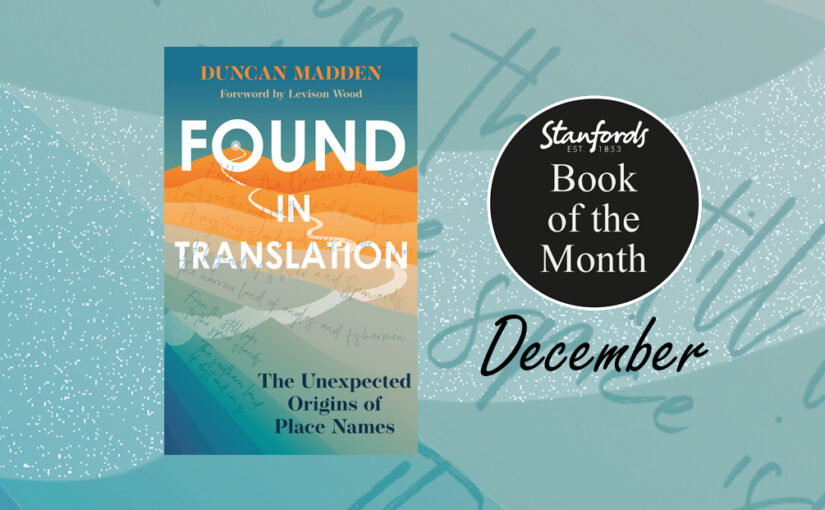
Our Book of the Month for December is Found in Translation: The Unexpected Origins of Place Names by Duncan Madden. This book unravels the tangled threads of history and etymology to uncover the strange, intriguing and enlightening stories that have shaped the names of countries and places around the world.
In this extract we look at the etymology behind ‘Argentina’:
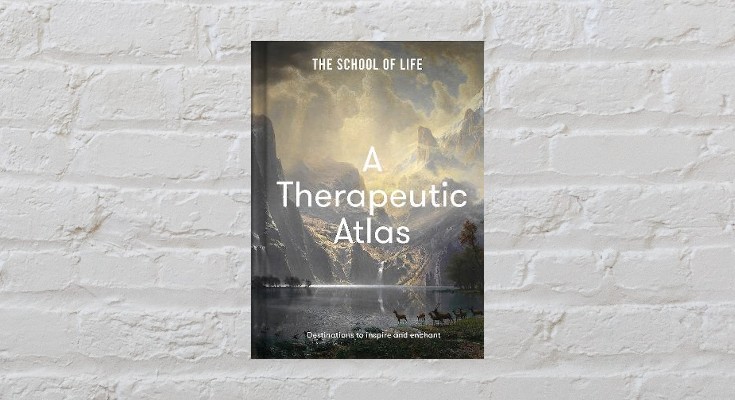
From the Malverns to Manhatten, from Seoul to Sicily, A Therapeutic Atlas invites you to revel on the tops of mountains, or solitary cliffs, discover elegant cities and encounter some unexpectedly therapeutic locations: airports, hydroelectric stations, meteorite craters and elaborate highways. But these places aren’t just beautiful in themselves – they can also help us deal with the difficulties of being human. Here, The School of Life, give some examples of surprising therapeutic locations, not so far from home.
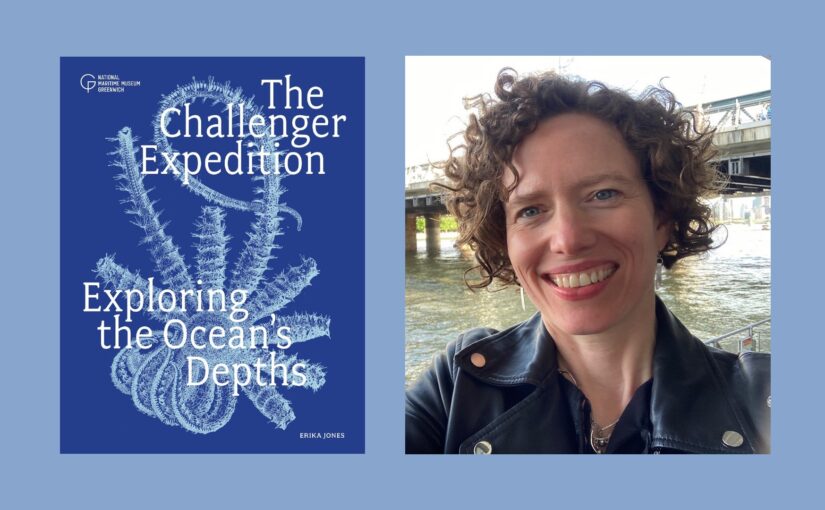
The book was published to mark the 150th anniversary of the expedition’s launch.
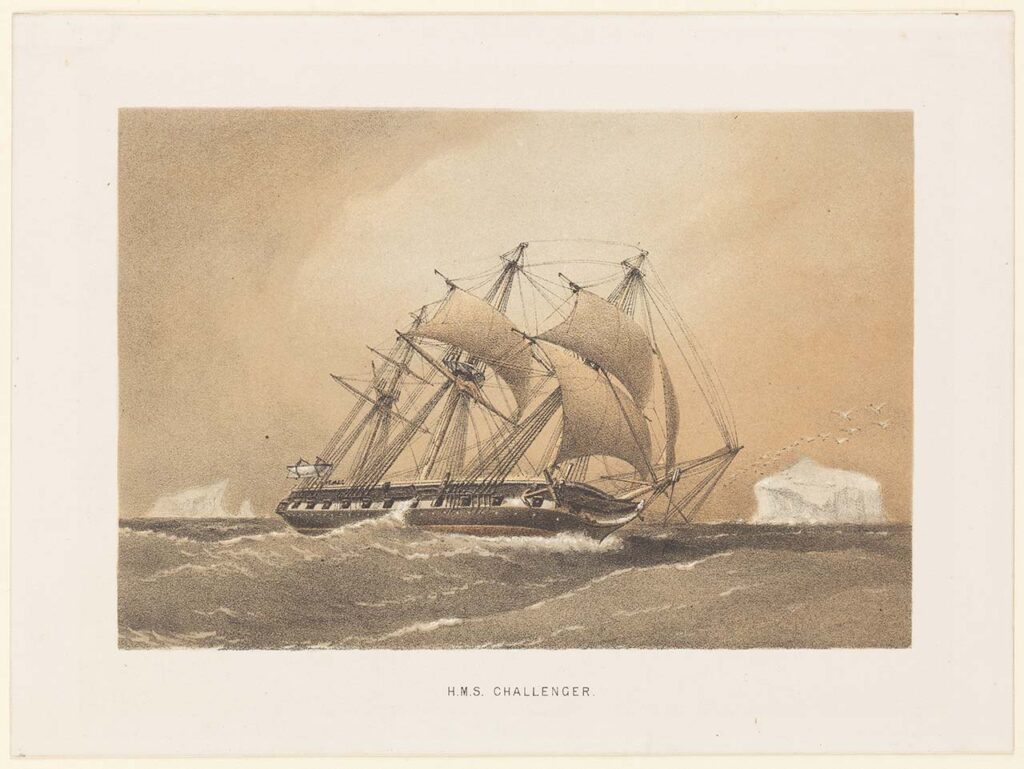
On the 21 December 1872, HMS Challenger set sail from Portsmouth, England, to begin a global voyage of deep-sea exploration. A landmark endeavour, the findings and the legacy shaped the development of ocean science as we know it and are still influential in our understanding of the planet today.
With technological and scientific developments of the time, supported by extensive international cooperation and a team of research and naval officers, the expedition was part of the concerted nineteenth-century drive to map the ocean floors and search for life in the abyss.
When the ship returned to Britain in 1876, the scientific team on board had amassed the then largest collection of examples of life from the deep sea. Over the next two decades, a global network of researchers prepared the results for publication culminating in a series of works that is considered the intellectual foundation of modern oceanography.
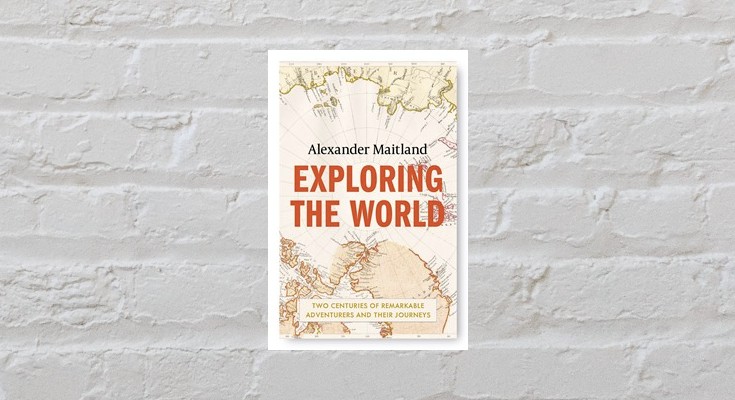
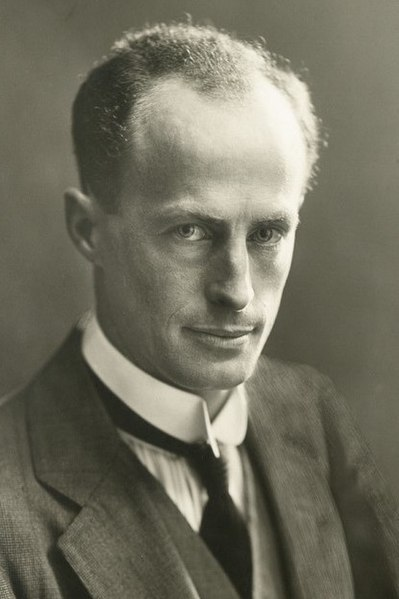
Filled with epic tales of endurance and perseverance, Exploring The World: Two Centuries Of Remarkable Adventurers And Their Journeys by Alexander Maitland celebrates a group of exceptional individuals possessed of indomitable courage, boundless determination and adventurous spirit. It portrays a variety of fascinating lives driven by curiosity, wanderlust and the pursuit of knowledge – and, in doing so, provides a unique overview of two centuries of exploration. Here is an extract about one of the most well-known explorers, Sir Douglas Mawson.
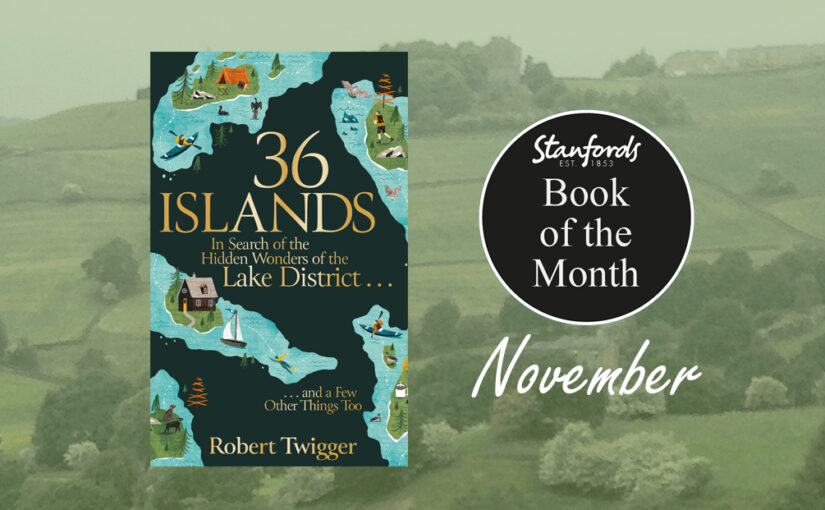
Some lakes are next to convenient roads but not all are. Many Scottish lochs with interesting islands and ruined castles are deep in the wilderness and you have no choice but to walk there. In the Lake District, where I searched out the 36 islands to be found on twelve of the lakes there, quite a few are not that easy to access. Take Devoke Water, far on the western side between Wast Water and Ennerdale- without a very transportable form of boat it would be impossible to reach the tiny island Watness Coy, which is to be found there. This island, called by Wordsworth a ‘bare rock’, is in fact a perfect place for a one person camp. It has a single tree and a gravel beach and can be reached after crossing 200 metres of lake. Providing you are able to carry your boat in. That’s where the inflatable packraft comes in. Made of super-light and super-strong materials and weighing between 1.5 and 2.5 Kg you slip this craft rolled up into your rucksack and walk happily over the worst terrain to get to your objective. With dismountable paddles and a lightweight lifejacket of the kind used by fisherman such remote islands are fairly easy to reach. The joy at approaching an uninhabited island which is rarely visited is a great experience and with a packraft or inflatable canoe you can easily carry enough gear to set up camp and have a wonderfully remote time ‘stealth camping’ ie. trespassing in the nicest possible way…
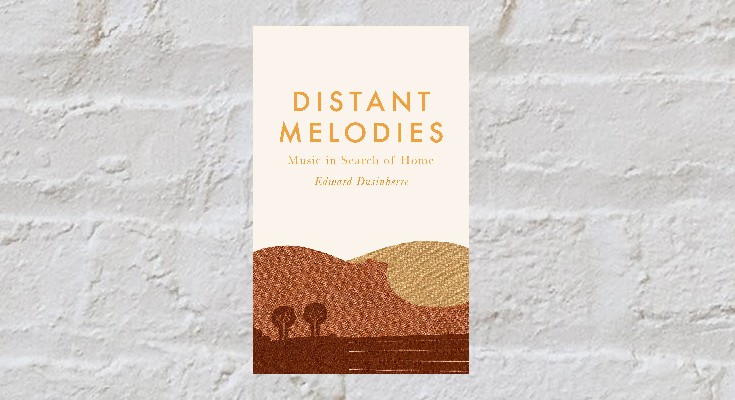
Edward Dusinberre, first violinist of the Takács Quartet, writes about playing Benjamin Britten’s last string quartet, a way to bridge distance during the COVID-19 pandemic. This excerpt is adapted from Dusinberre’s Distant Melodies: Music in Search of Home, published by Faber.
Tuning our instruments backstage, we miss the sounds of enthusiastic chatter before our concert in Grusin Music Hall on the University of Colorado’s Boulder campus. Our feet clatter over the wooden floor before we bow to the livestream camera. I imagine our friends listening over loudspeakers in their living rooms and my parents who will watch our performance the next day in Cambridge, in the same part of the world that Benjamin Britten’s String Quartet no. 3, Opus 94 was largely composed. The menthol drop I slip into my mouth underneath my mask adds an extra sting to the hot breath that fogs my glasses. When we start to play, the facial clues that we usually rely on to communicate changes of character are hidden. From the sparkle in violist Richard O’Neill’s eyes I can imagine his smile. Our cellist, András Féjer sometimes raises his eyebrows sceptically against the dubious rhythmic instincts of a first violinist – now they seem manically animated.
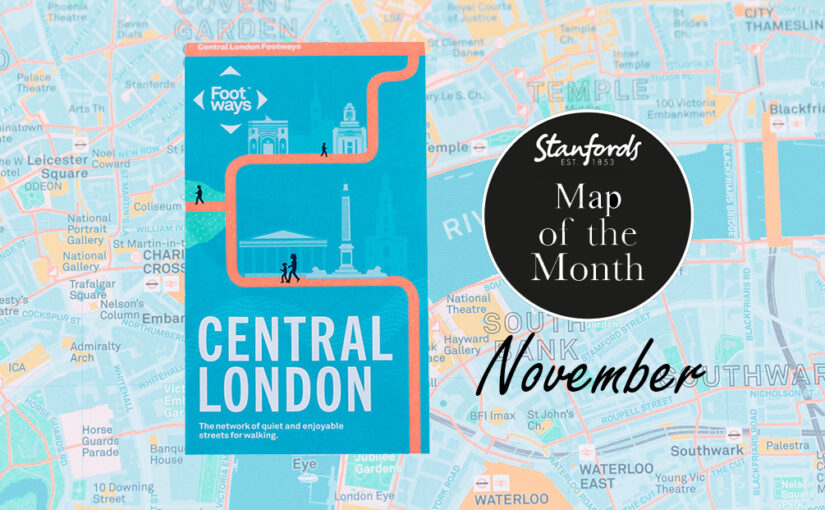
This beautiful printed map is designed to help people plan enjoyable A-to-B walks in central London. The Footways team spent more than three years plotting and testing the walking routes, connecting London’s stations and key destinations with the capital’s most interesting, quiet and enjoyable streets.