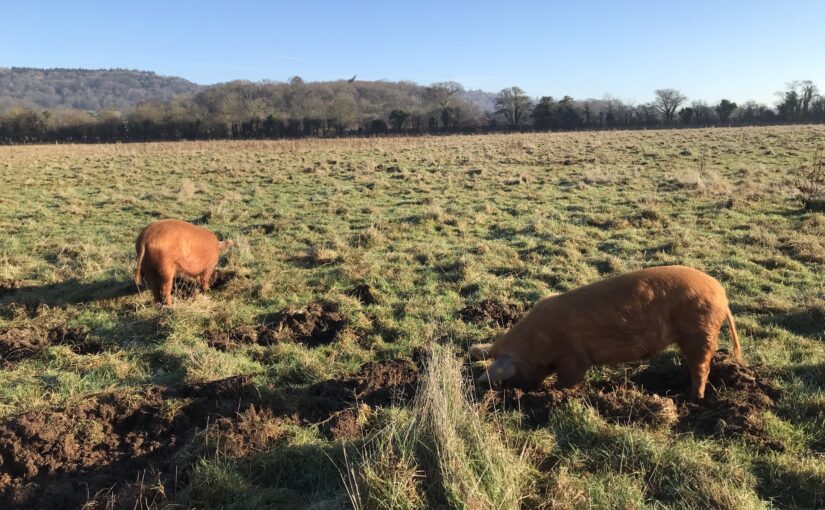
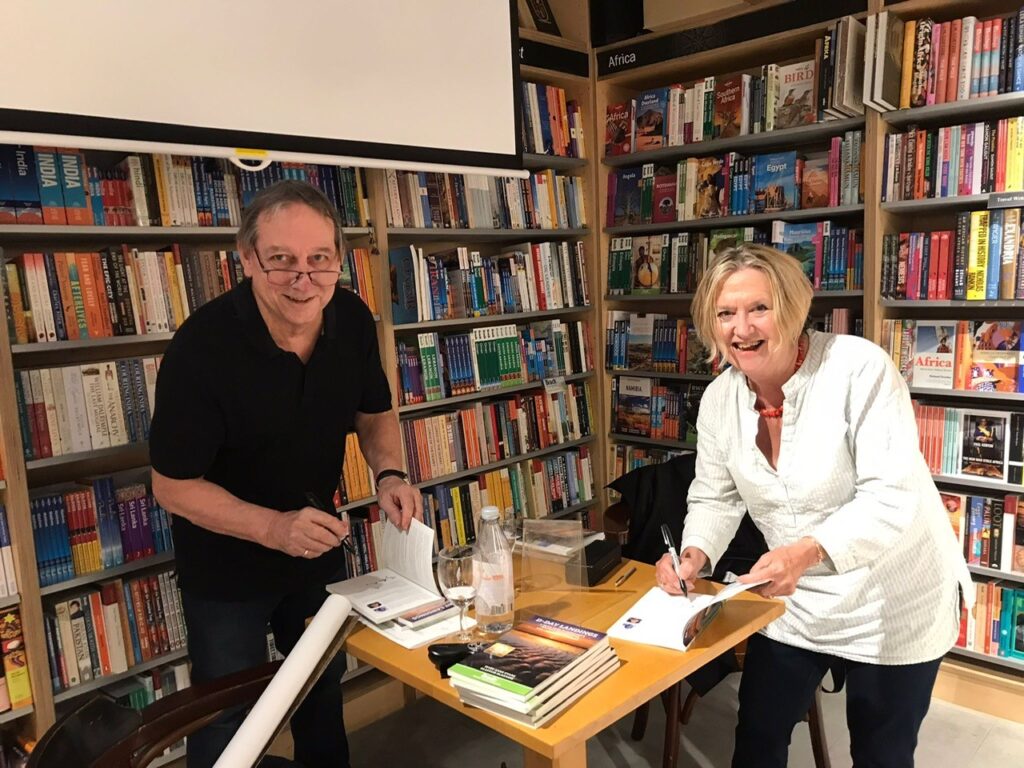
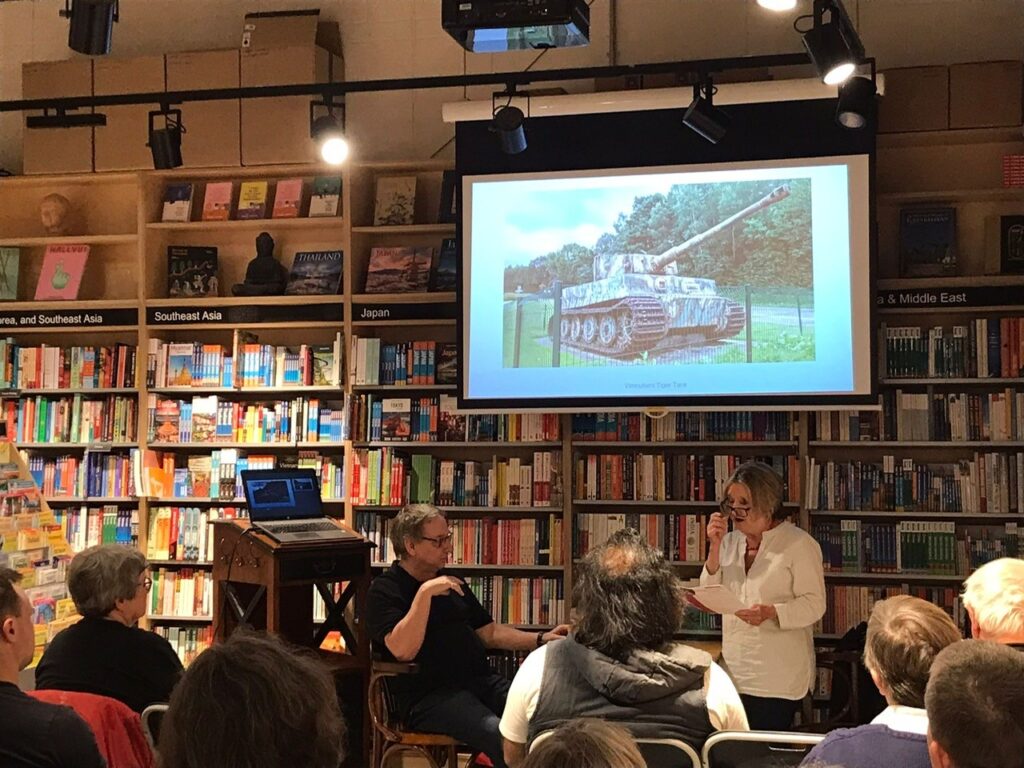
We recently hosted an author talk with Chantal Lyons where she spoke about her book Groundbreakers: The Return Of Britain’s Wild Boar. In this book, Chantal moves to the boar’s stronghold of the Forest of Dean to get up close and personal with this complex, intelligent and quirky species, and she meets with people across Britain and beyond who celebrate their presence – or want them gone.
In this guest blog post, Chantal shares where in the UK you can visit these wonderful animals:
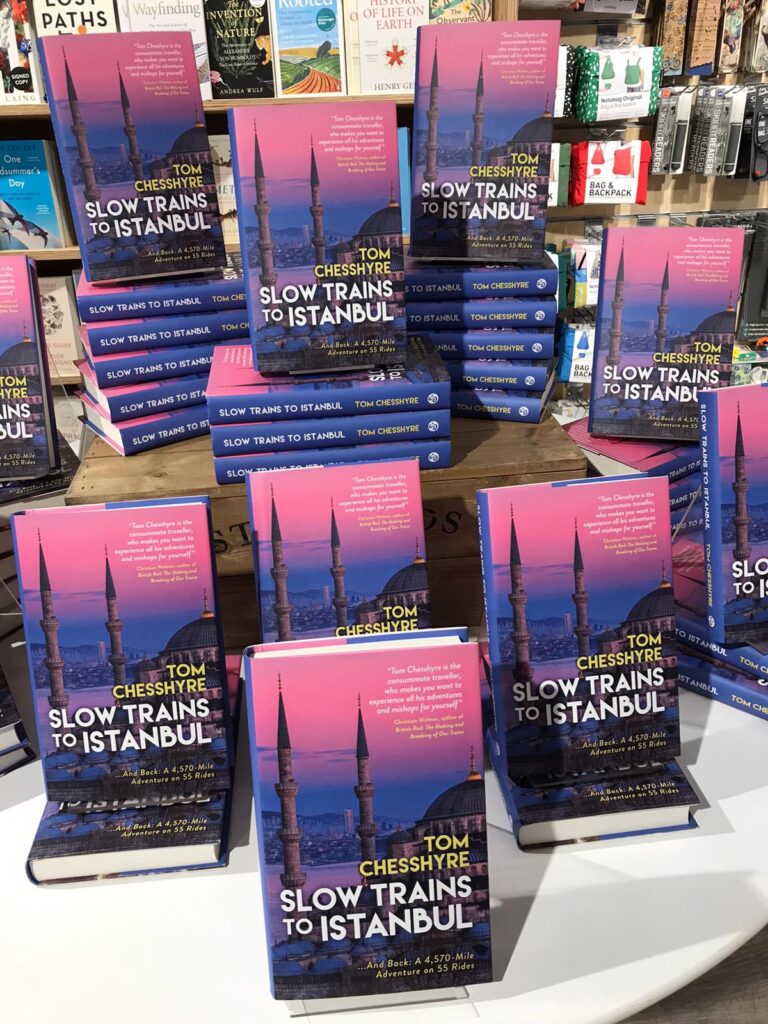
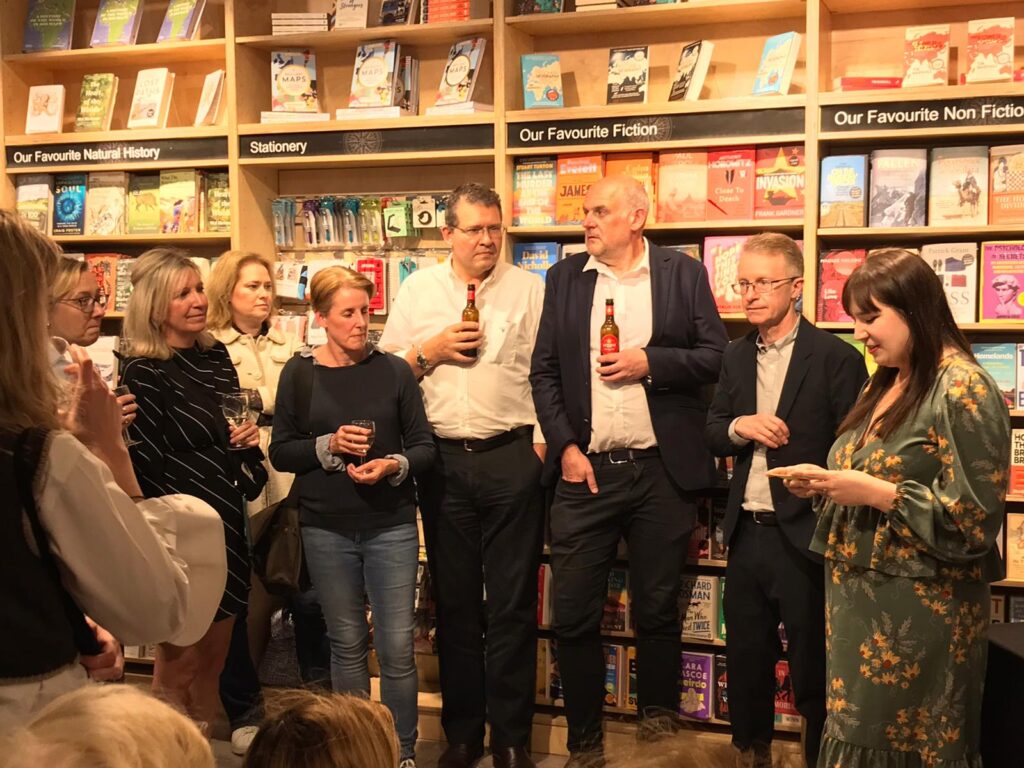
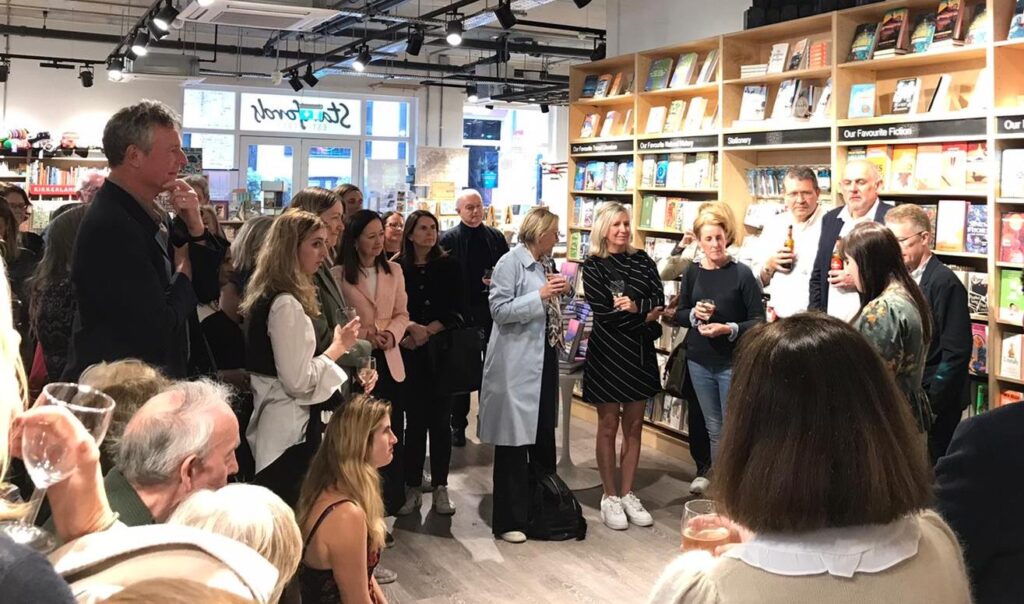
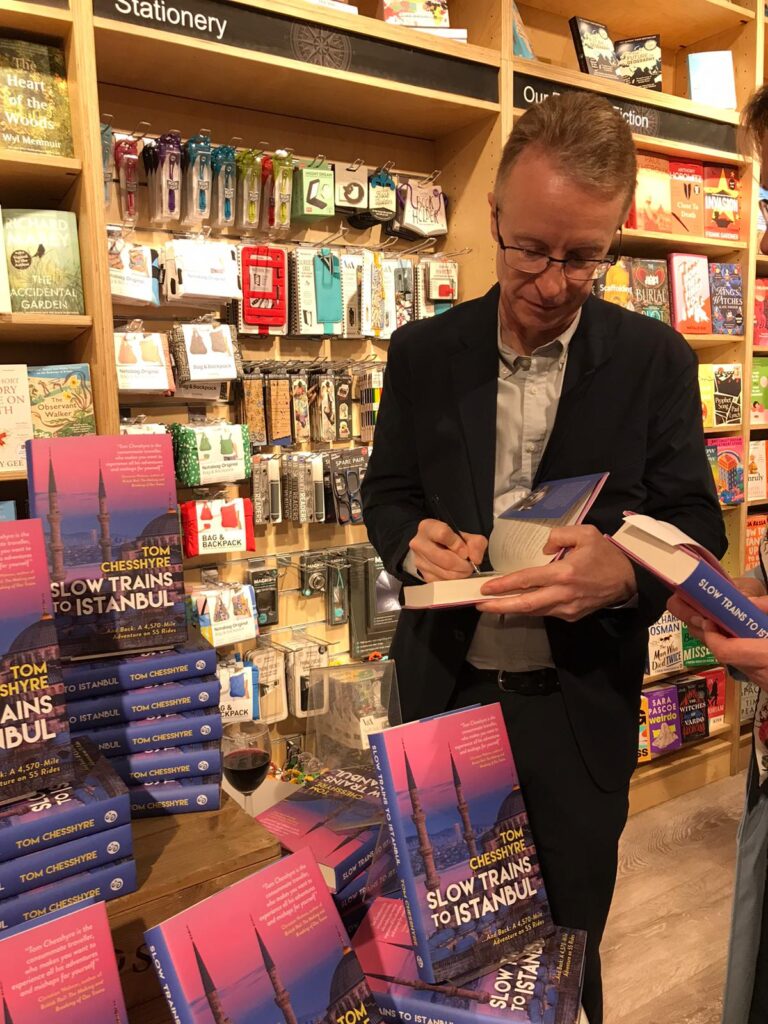
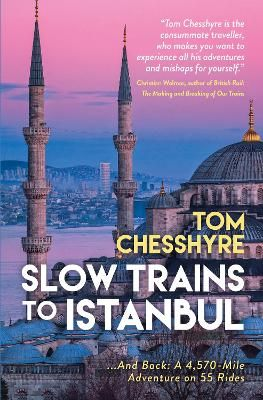
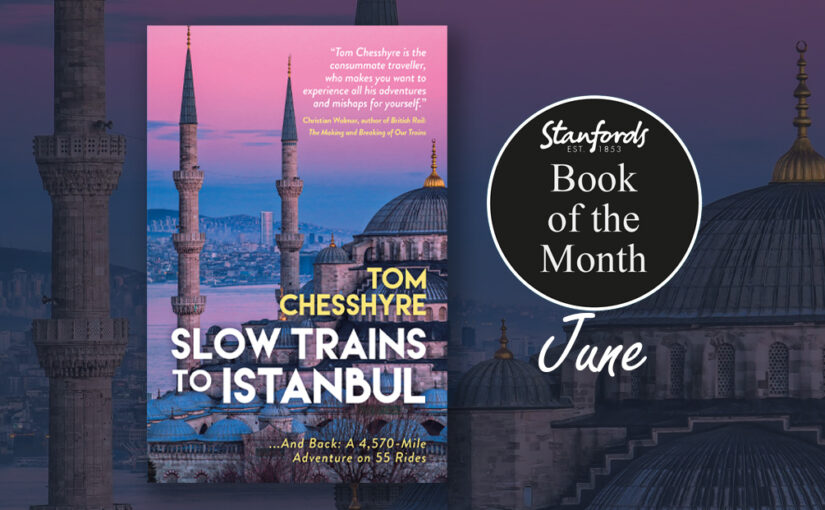
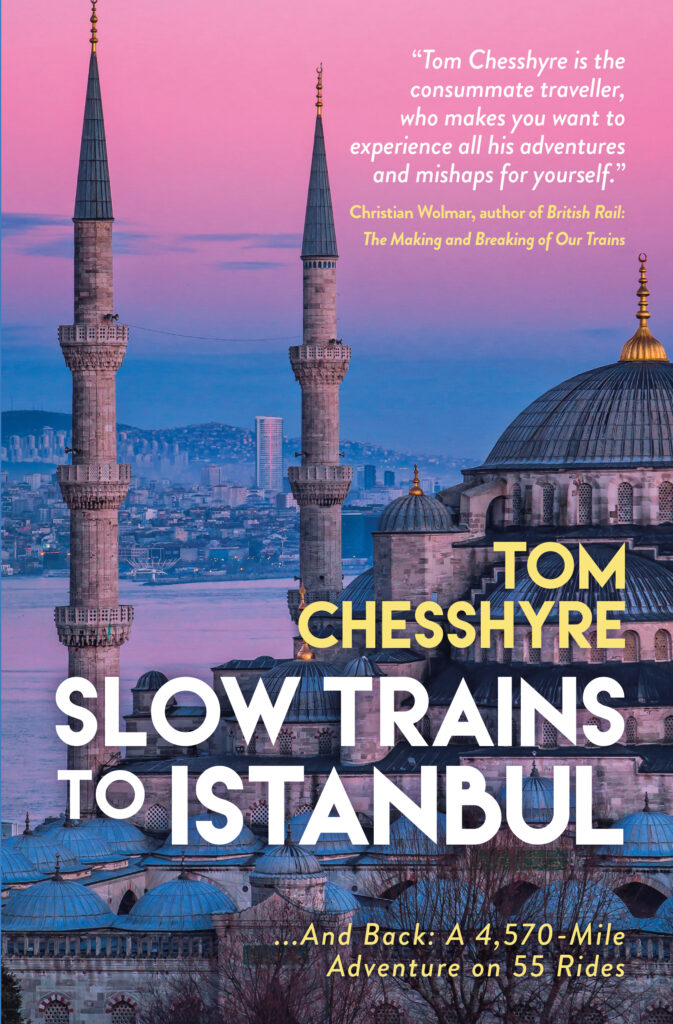
Last week we hosted the launch of our June Book of the Month Slow Trains to Istanbul by Tom Chesshyre.
From London via Paris, Naples, Nuremberg, the Swiss Alps, Budapest, Athens and into the furthest corners of Eastern Europe across Romania and Bulgaria, join Tom Chesshyre on his fascinating journey to Istanbul and back
Ever dreamt of dropping everything and adventuring cross-country to the edge of Asia? That’s just what rail enthusiast Tom Chesshyre did, hitting the tracks for a 4,570-mile adventure on 55 rides, shadowing the old Orient Express route.
Interrailing was once the realm of young backpackers setting off to “find themselves” – and for many, it still is. But it’s also a joyful and eco-friendly twenty-first century adventure that’s open to us all, no matter our age or agenda. Dodging striking train drivers in Germany, getting stuck by the Bulgarian-Greek border, and negotiating tricky passport officials in Turkey is all part of the fun in this illuminating and meandering journey around Europe.
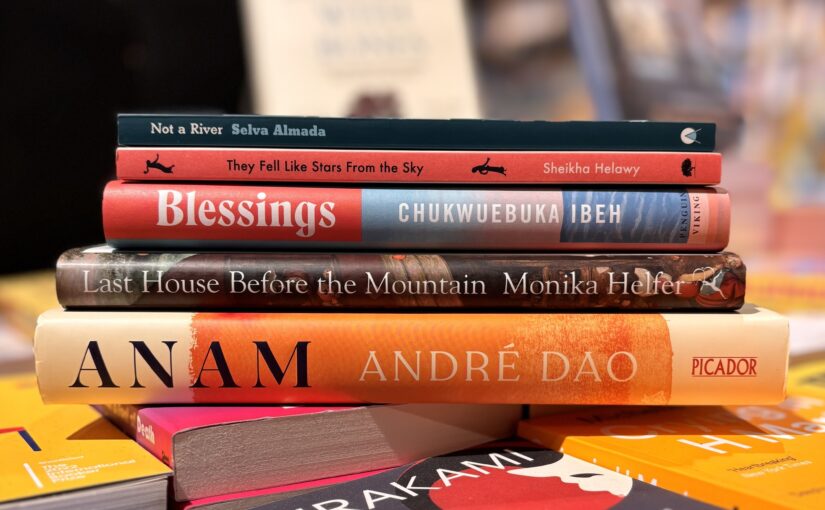
Let us take you on a quick trip around the world via these five selected books of fiction with a sense of place that are currently on our shelves here at Stanfords:
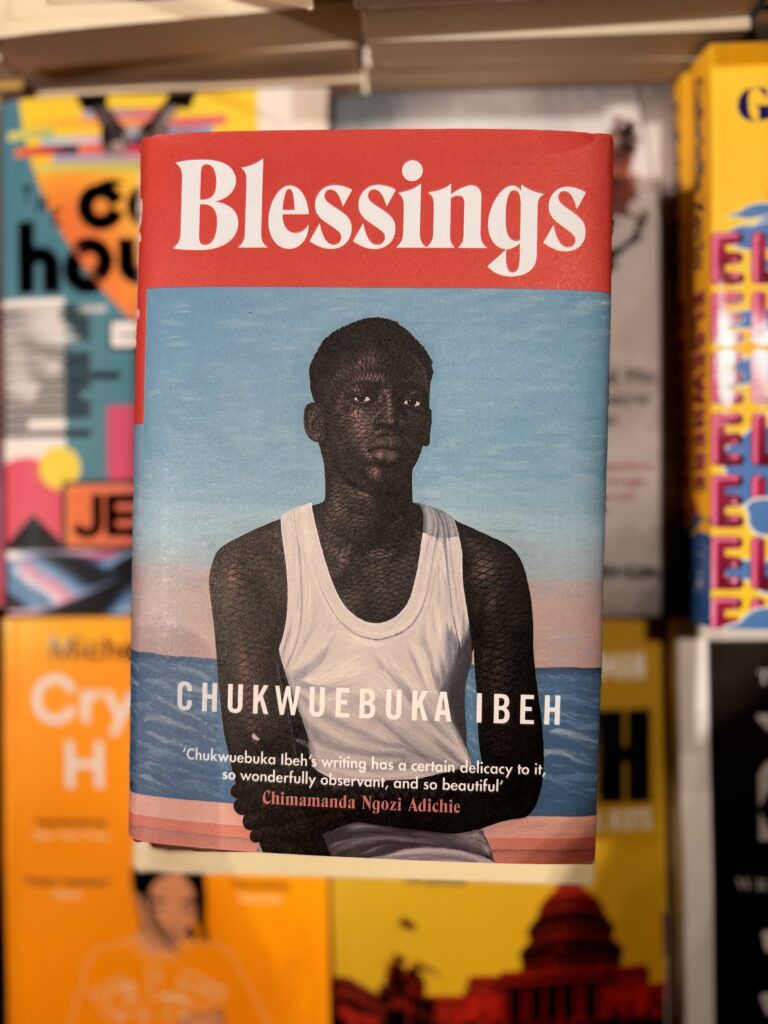
When Obiefuna’s father witnesses an intimate moment between his teenage son and the family’s apprentice, newly arrived from the nearby village, he banishes Obiefuna to a Christian boarding school marked by strict hierarchy and routine, devastating violence. Utterly alienated from the people he loves, Obiefuna begins a journey of self-discovery and blossoming desire, while his mother Uzoamaka grapples to hold onto her favourite son, her truest friend.
Interweaving the perspectives of Obiefuna and his mother Uzoamaka, as they reach towards a future that will hold them both, BLESSINGS is an elegant and exquisitely moving story of love and loneliness. Asking how we can live freely when politics reaches into our hearts and lives, as well as deep into our consciousness, it is a stunning, searing debut.
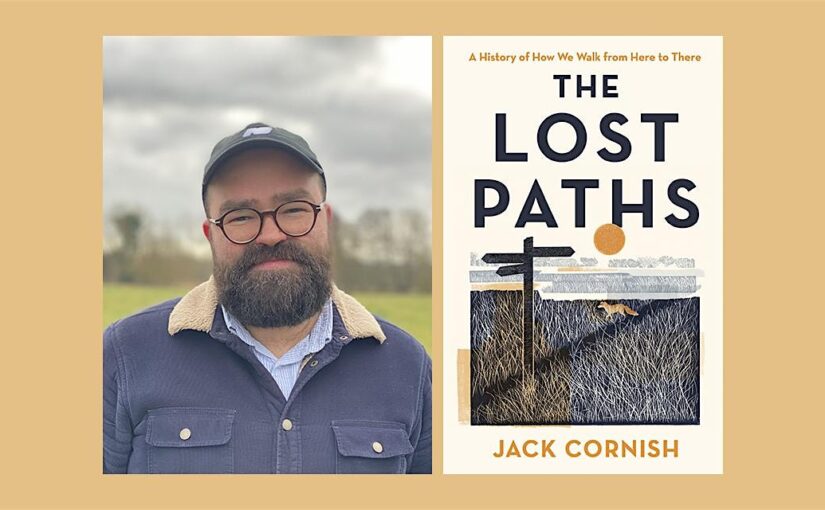
In my recently published book, The Lost Paths, I explore the paths which reach into – and connect – communities across England and Wales. A network of paths which reveal how our ancestors have interacted with and shaped their surroundings over millennia. On the paths I discovered hundreds of stories – tales of love, commerce, death, graft and communication.
There are over 140,000 miles of recorded public rights of way in England and Wales, which started to be proactively and legally recorded from the early 1950s onwards. But tens of thousands more are missing from the maps, lying unclaimed and unprotected. So, as well as a celebration of an ancient network, I hope The Lost Paths will serve as a call to arms to reclaim and save our old paths – to preserve our history on foot. Below are some of my top tips for finding lost paths along with some of the paths that captivated me when writing The Lost Paths.
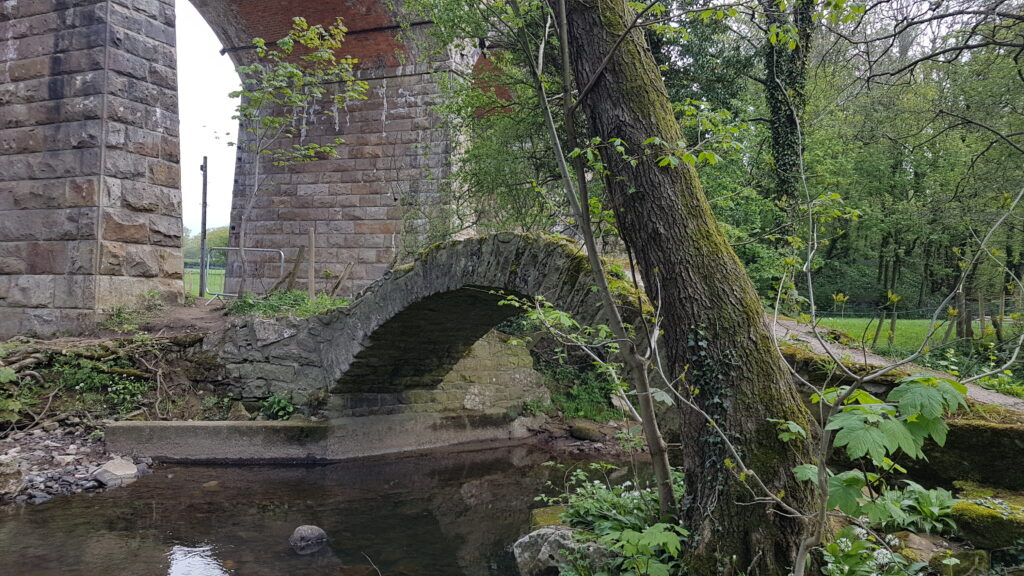
Look out for old stiles, bridges and fords – Often paths leave an impression, they are physical objects in the landscape. They are perhaps at their most tangible when they cross boundaries, natural and manmade. In The Lost Paths, I write about a lost path I walked in Lancashire, well used but not recorded as a public right of way. A wide track, with grass banks which merge into the surrounding hedges, with trees standing alongside as sentinels which mark the gentle drifts and curves of the lane. At its southern end, the path crosses a river – a quietly enchanting, almost hidden spot. In the riverbed can be seen the cobbles of an old ford and above the water, a beautiful, hunched packhorse bridge. These are tell-tale signs that the public have been coming this way for hundreds of years. Just some of the physical clues, alongside objects like old worn stiles buried in a hedge, that you may be looking at a lost public path.
“This is the story of drink maps, and it’s probably not what you think”
Last week we were joined by Kris Butler for a fascinating exploration of the history of alcohol in Victorian Britain via the ‘drink maps’ that were produced by the temperance movement to promote sobriety.
It’s not about pub crawls or plotted ale trails. Instead, these are maps with an agenda that was adamantly hostile to drinking alcohol, made by an organized faction known as the Temperance Movement. The logic at the time of the maps’ creation went as follows: if people are shown how many places there are to buy alcohol, they will be so appalled that they will join the effort to end drinking. In hindsight this logic is obviously flawed.’
Drink Maps in Victorian Britain explores how drink maps of cities were published to fight increasingly rampant alcohol consumption, from Liverpool,Manchester and Sheffield to Oxford, London, and Norwich.
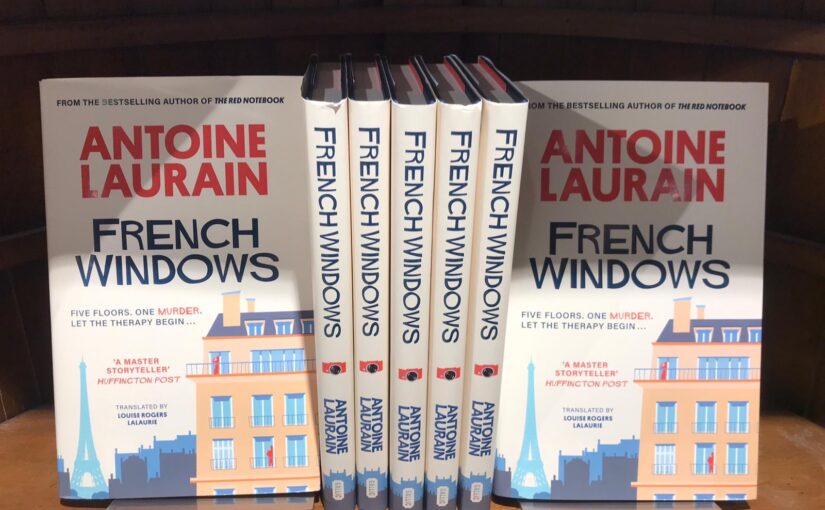
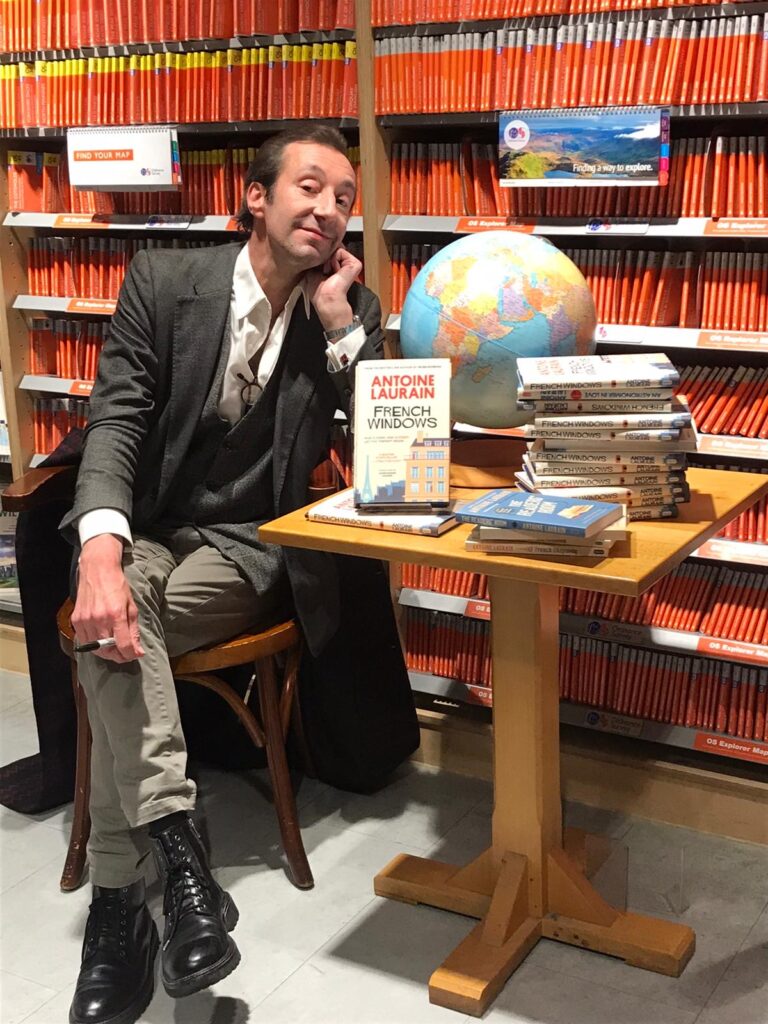
On Tuesday evening we hosted an evening of discussion, storytelling and murder mystery with award winning author Antoine Laurain as he spoke to Jake Kerridge about his superb new novel French Windows, a surprising and suspenseful murder mystery, reminiscent of Hitchcock with a Parisian heart.
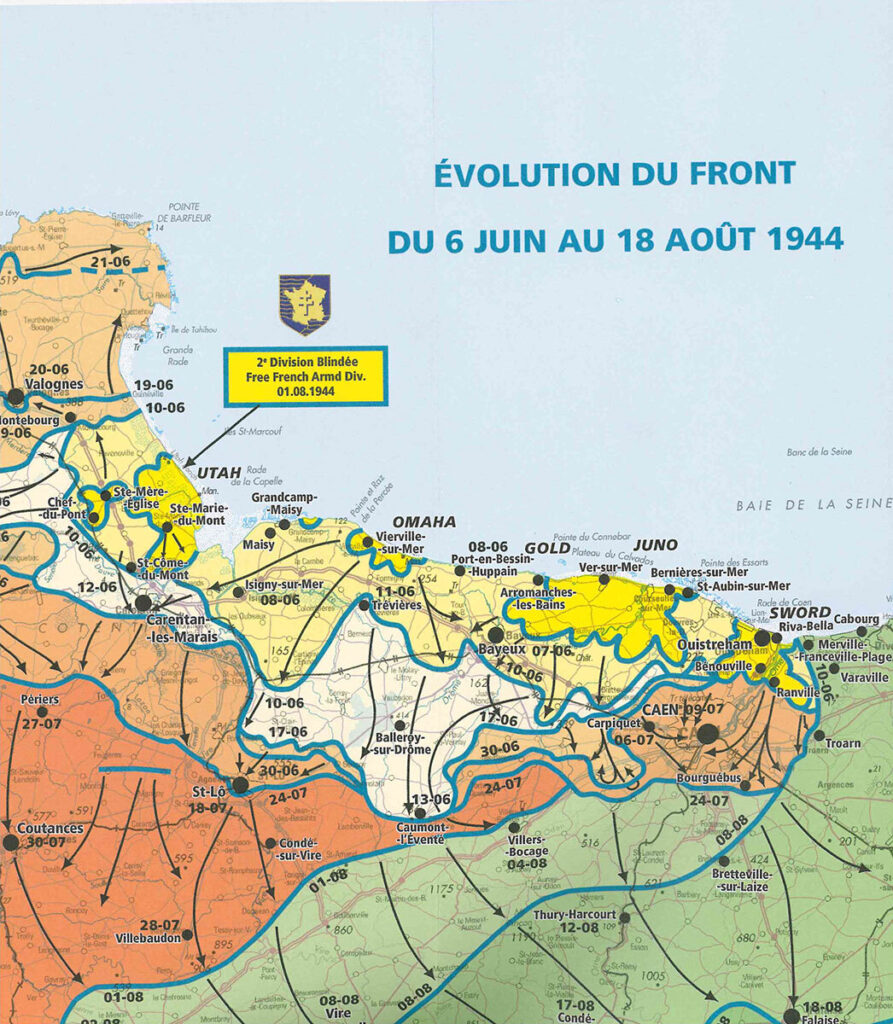
This is a commemorative map from the IGN for the 80th anniversary of the D-Day landings in Normandy on 6th June 1944. It has three large panels showing the various groupings of the Allied Armies and the defending German forces, the changes in the front lines between 6th June and 18th August, and present day commemorative sites and monuments.
The main panel at 1:100,000 shows the five beaches: Utah, Omaha, Gold, Juno and Sword together with the command structure and the position of the Allied Forces, from General Eisenhower to individual units including the supporting airborne divisions, and the defending German forces, it also indicates beachheads and the front line 24 hours later.
Published to commemorate the 80th anniversary of the military mission that changed World War II, this is Bradt’s new guidebook to visiting beaches, memorials, museums, battlefields and other sites associated with D-Day and the Battle of Normandy (Operation Overlord). A simple-to-follow, portable guide for independent travellers, it includes maps and driving instructions to help visitors go back in time to explore World War II history.
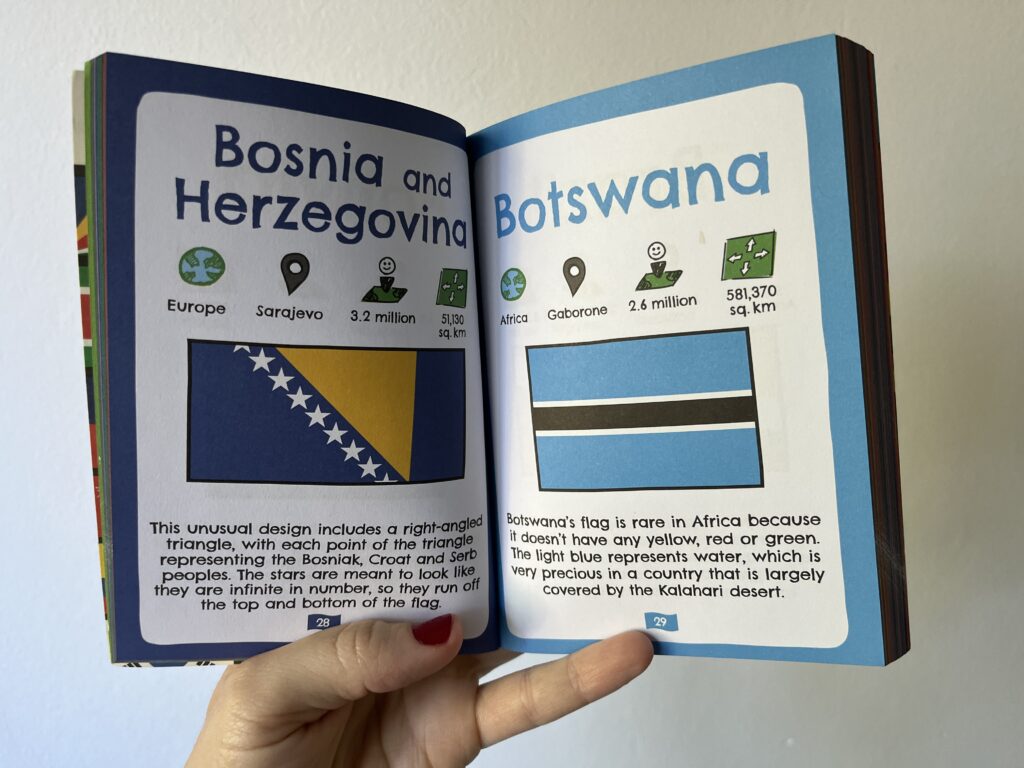
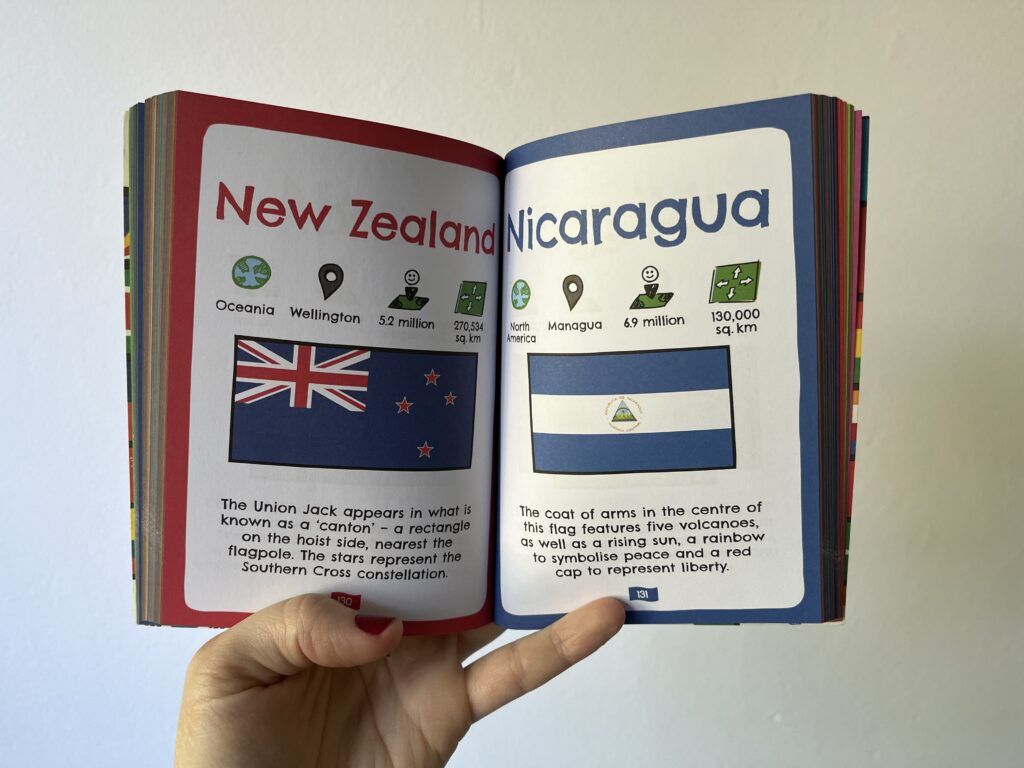
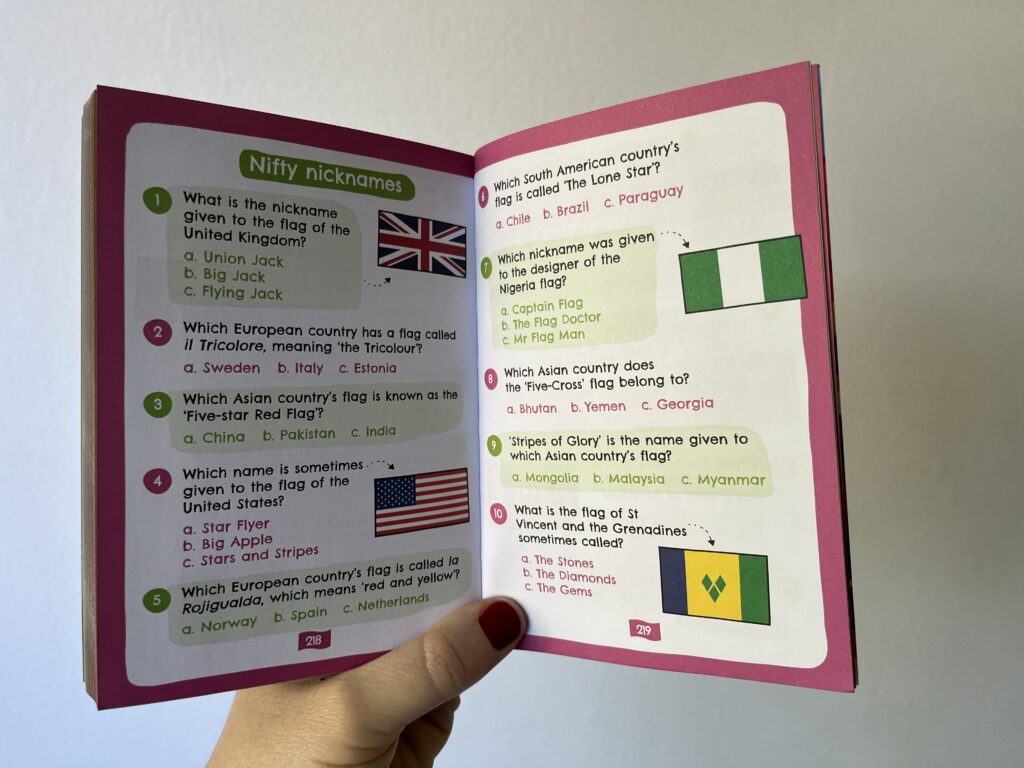
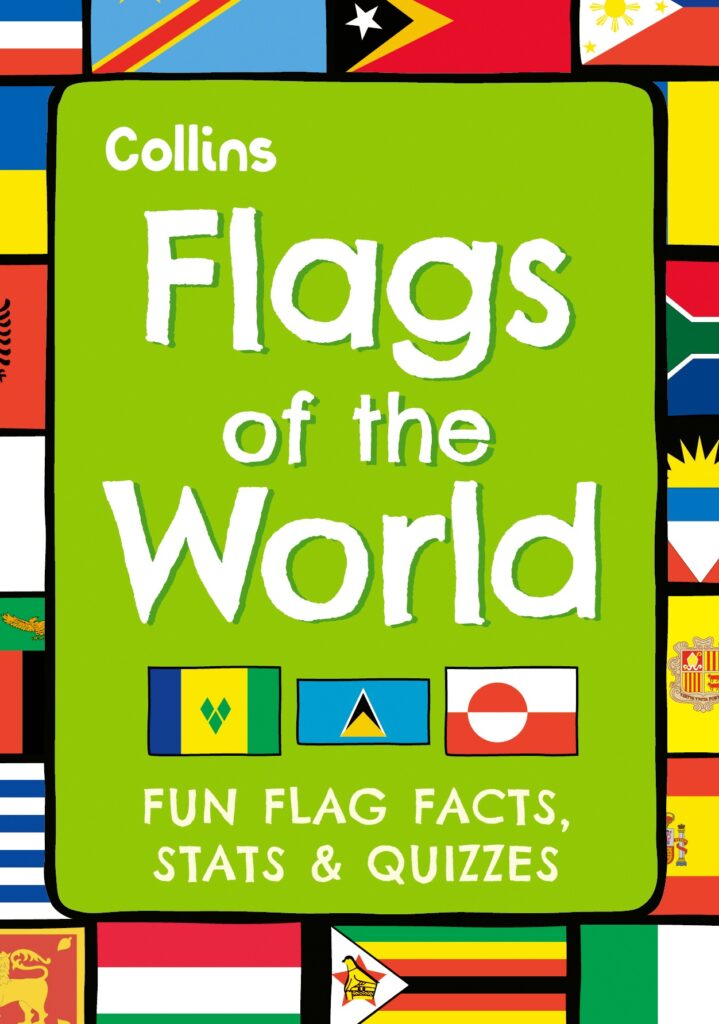
Our Children’s Book of the Month for June is Flags of the World by Collins Kids.
We are all massive vexillophiles here at Stanfords and for most of us our first memories of admiring flags was while watching the Olympics as children. With Paris hosting the Olympics this summer, now is the perfect time for us to all brush up on our flag knowledge.
Can you name every flag in the world?
Discover the design and colours of every single country’s flag – and learn lots of fascinating facts and stats about continents, countries, and capitals along the way.
Explore the world of fantastic flags from A to Z. Flags are listed alphabetically by country name for easy reference – from Afghanistan to Zimbabwe and every country in-between. Features completely up-to-date statistics and accurate flags.
Challenge yourself with flag-tastic quizzes. Which is the oldest flag in the world? Which is the only country that doesn’t have a rectangular flag? And which flag is the most colourful?
Perfect for entertaining kids on the go. This mini paperback makes an ideal gift for children aged 7+ who are curious about other countries, their capitals, and their flags.
From London via Paris, Naples, Nuremberg, the Swiss Alps, Budapest, Athens and into the furthest corners of Eastern Europe across Romania and Bulgaria, join Tom Chesshyre on his fascinating journey to Istanbul and back.
Ever dreamt of dropping everything and adventuring cross-country to the edge of Asia? That’s just what Tom Chesshyre did, hitting the tracks for a 4,570-mile adventure on 55 rides, shadowing the old Orient Express route.
Interrailing was once the realm of young backpackers setting off to “find themselves” – and for many, it still is. But it’s also a joyful and eco-friendly twenty-first century adventure that’s open to us all, no matter our age or agenda. Dodging striking train drivers in Germany, getting stuck by the Bulgarian-Greek border, and negotiating tricky passport officials in Turkey is all part of the fun in this illuminating and meandering journey around Europe.
Europe by rail awaits. The freedom of the lines awaits. Why not hop on board?
Author Biography
Tom Chesshyre is the author of eleven travel books, the latest telling the story of a 379-mile hike around the Lake District. He has travelled 40,000 miles around the world for his train books; most recently for Slow Trains Around Spain: A 3,000-Mile Adventure on 52 Rides. His book writing has also taken him across North Africa after the Arab Spring, round the “dark side” of the Maldives on cargo ships, along the length of the River Thames and on a journey through “unsung Britain” (in To Hull and Back). He worked on the travel desk of The Times for 21 years and is now freelance, contributing to The Critic and New European magazines. He lives in London.