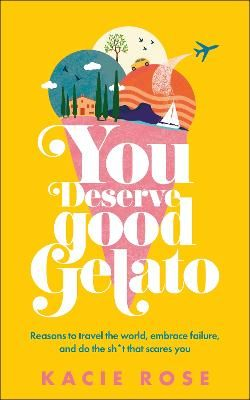
You may have seen her hilarious TikTok videos about the everyday culture shocks of being an American living in Italy, now Kacie Rose has collated her experiences into a new book; You Deserve Good Gelato.
To celebrate the launch we’ve teamed up with DK and our neighbours Badiani for a delicious collaboration.
Visit Stanfords Covent Garden Store and get a FREE Badiani gelato voucher with your purchase of You Deserve Good Gelato between 28th May – 4th June
– 10% discounted gelato when you take your copy of You Deserve Good Gelato to any Badiani store across the UK from 28th May – 4th June.
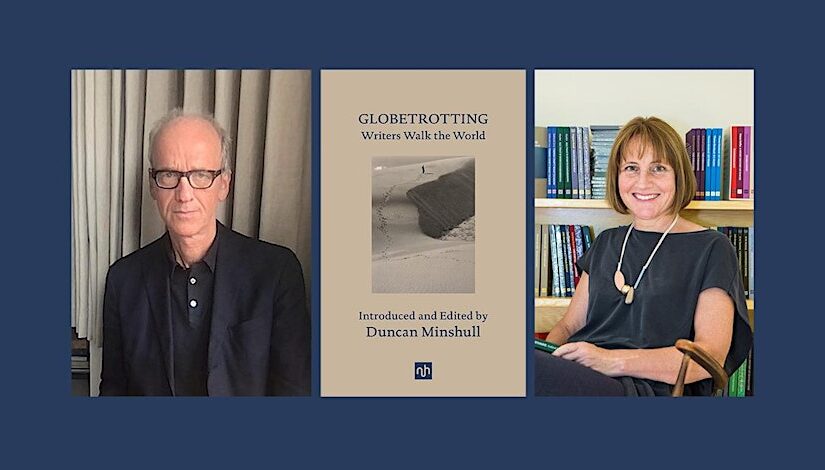
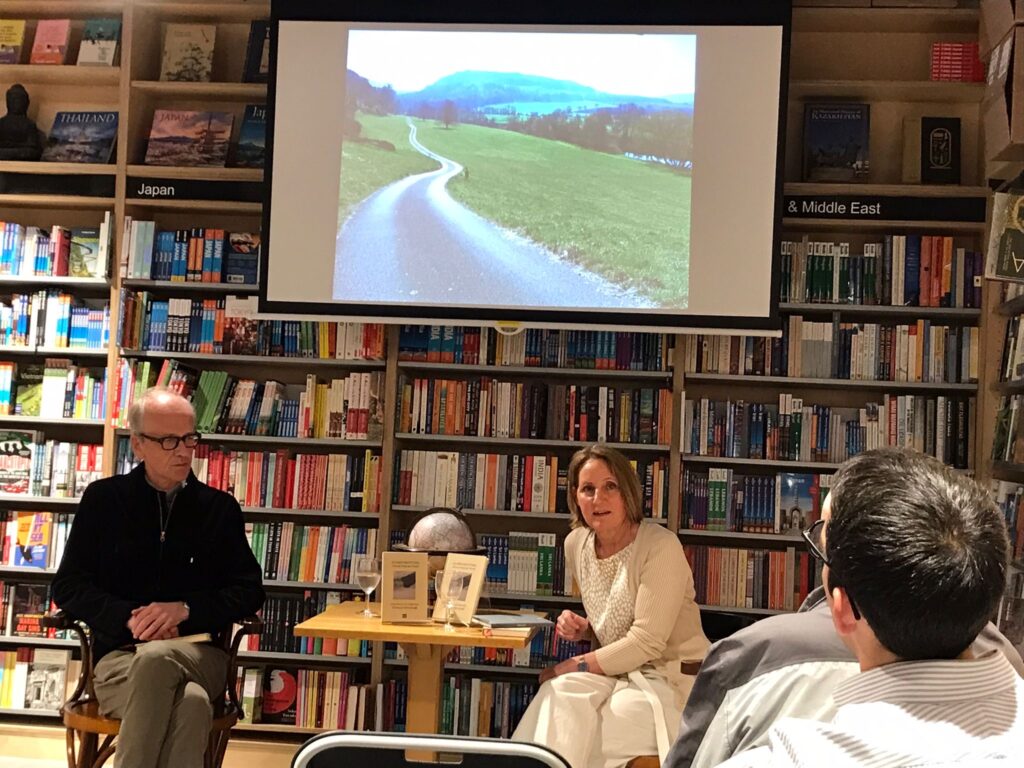
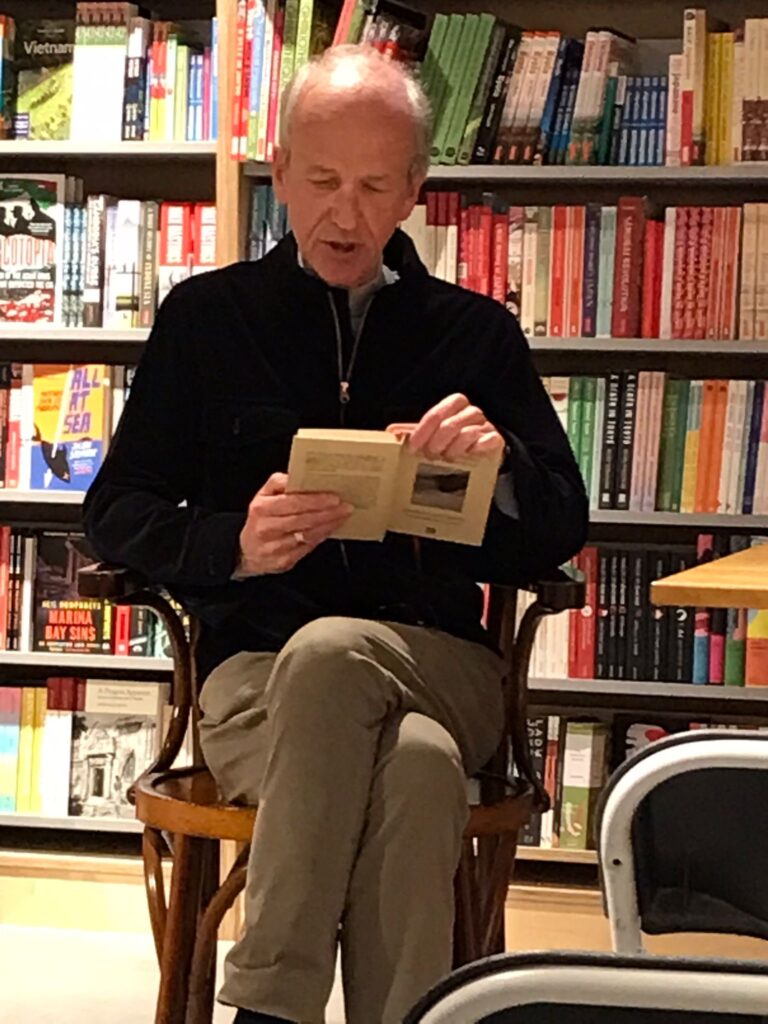
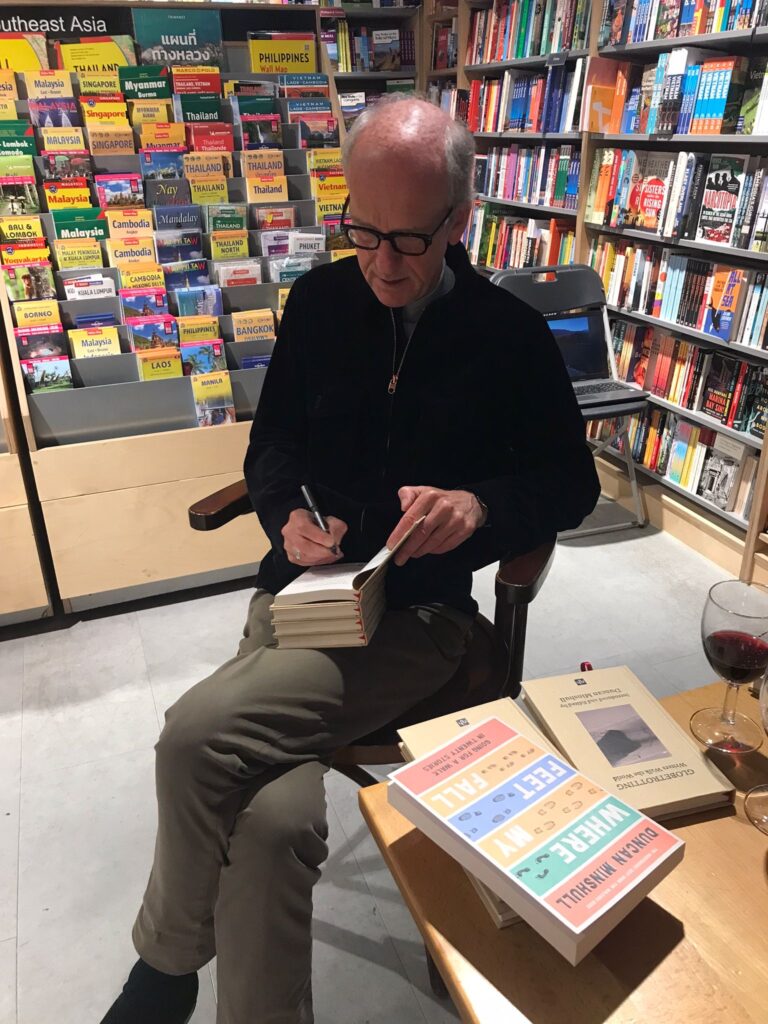
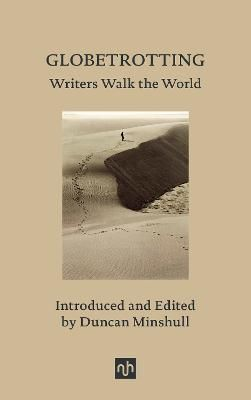
Duncan Minshull, former BBC producer, writer and anthologist, has used the words of the travel journalist Taylor as inspiration for his new collection, Globetrotting: Writers Walk The World, which he discussed last night at Stanfords with Kim Kremer, publisher of Notting Hill Editions.
In the collection we are able to follow in the footsteps of over fifty writers; ranging from Christopher Columbus, to Edith Wharton, to William Boyd. They traverse theseven continents in all sorts of climes and times, be it 1492 or the present day. But then, aren’t all walking types linked by one thing? The sensory desire to see, and alsohear, smell, and ultimately feel the places they move though. Yes, you might ask, is this why we all want to travel on foot? Talking about, and reading from Globetrotting, provides some excellent answers.
Duncan Minshull was a senior producer at BBC Radio for twenty five years, and now writes and publishes book about walking. He also takes people for ‘walk & talks’ around the UK. Globetrotting is the final book in a trilogy about travelling the world on foot.
Kim Kremer is MD of Notting Hill Editions. She joined the company in 2014, having worked originally in Children’s Publishing. She is a judge on the 2024 Nature Chronicles Prize, and enjoys getting out on foot whenever time allows.
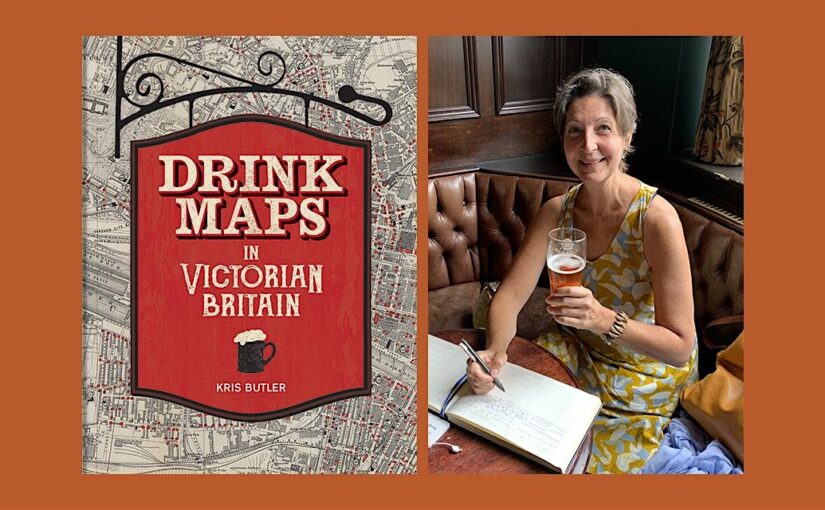
Drink maps were created by anti-drinking groups to deter drinking, not encourage it. But you might not guess that when you first look at them, given that they exaggeratedly and colourfully show where to find a drink. What this 1877 map, called One Half-Mile Square in the Heart of London, lacks in colour it made up for in size. The original was a whopping 8 foot by 8 foot, floor-to-ceiling backdrop to a traveling temperance lecture given by Dr Thomas Nichols. This image is of the pocket version; the larger one is not known to have survived.
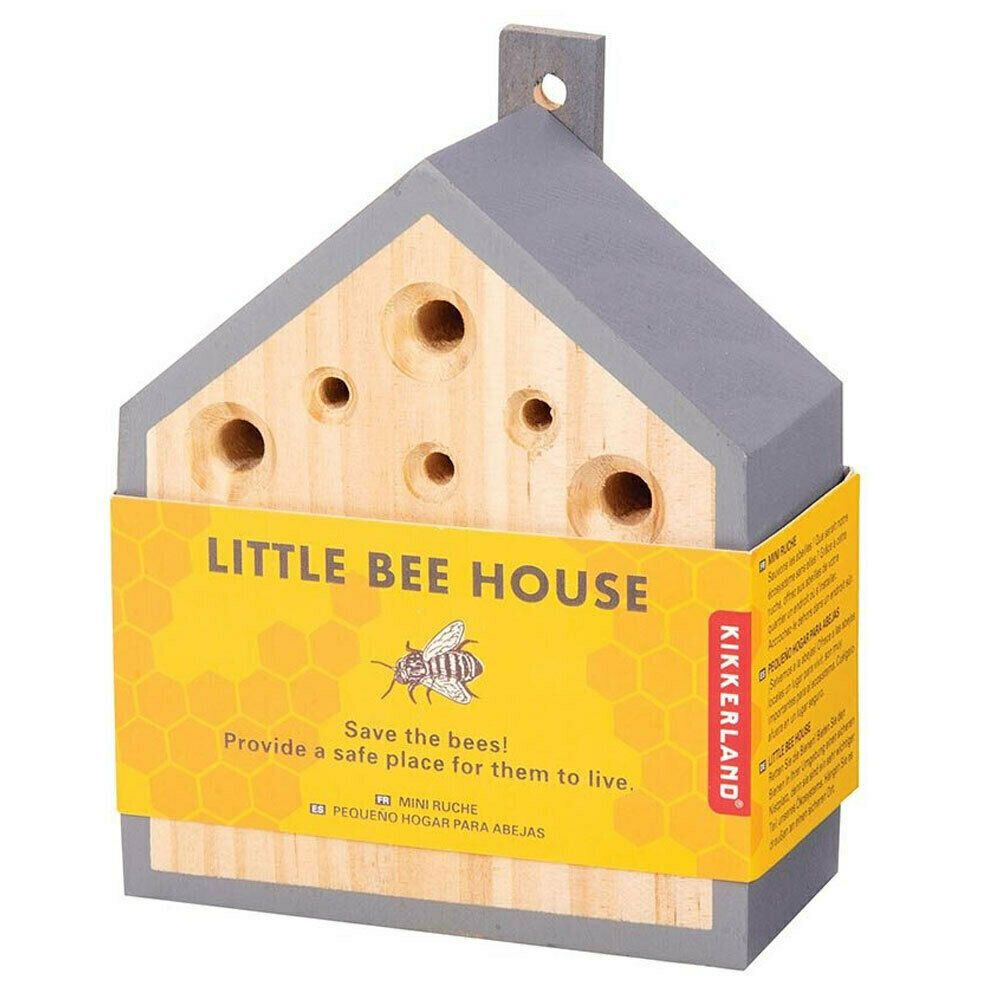
Back in 2018 the UN proclaimed the 20th May as World Bee Day to raise awareness on the importance of pollinators, the threats they face and their contribution to sustainable development.
Here are some things on our shelves that show our love for bees:
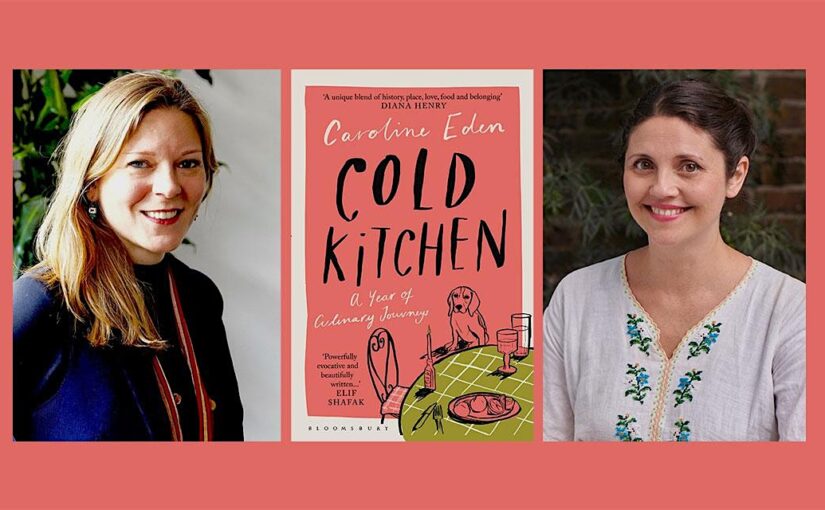
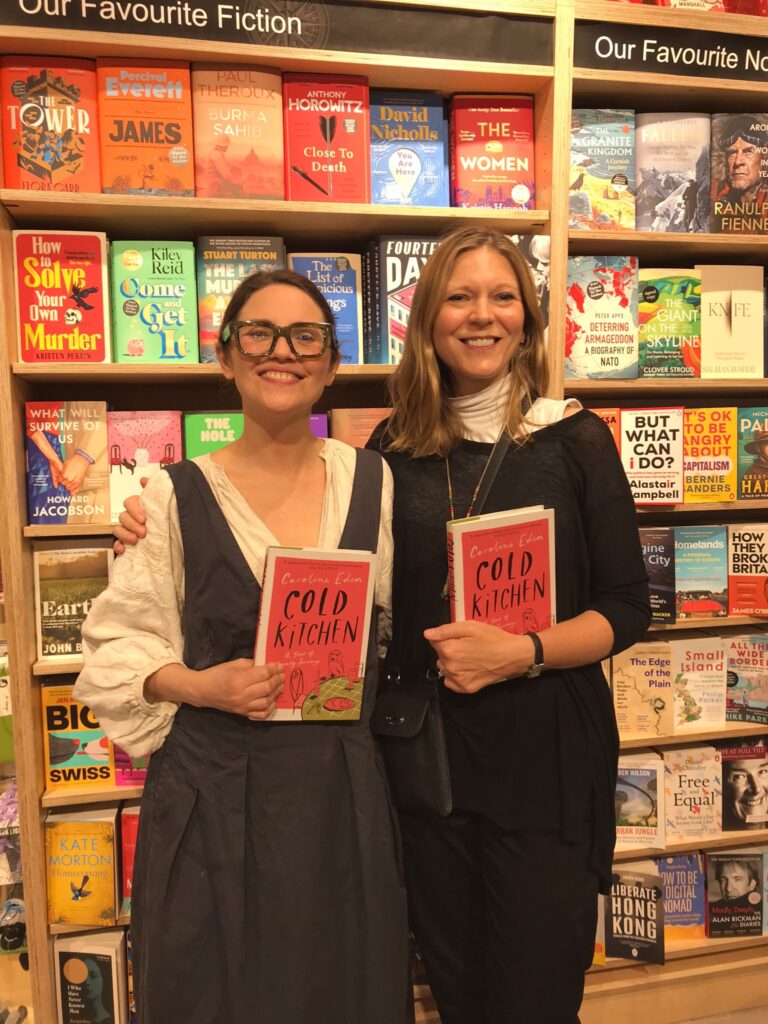
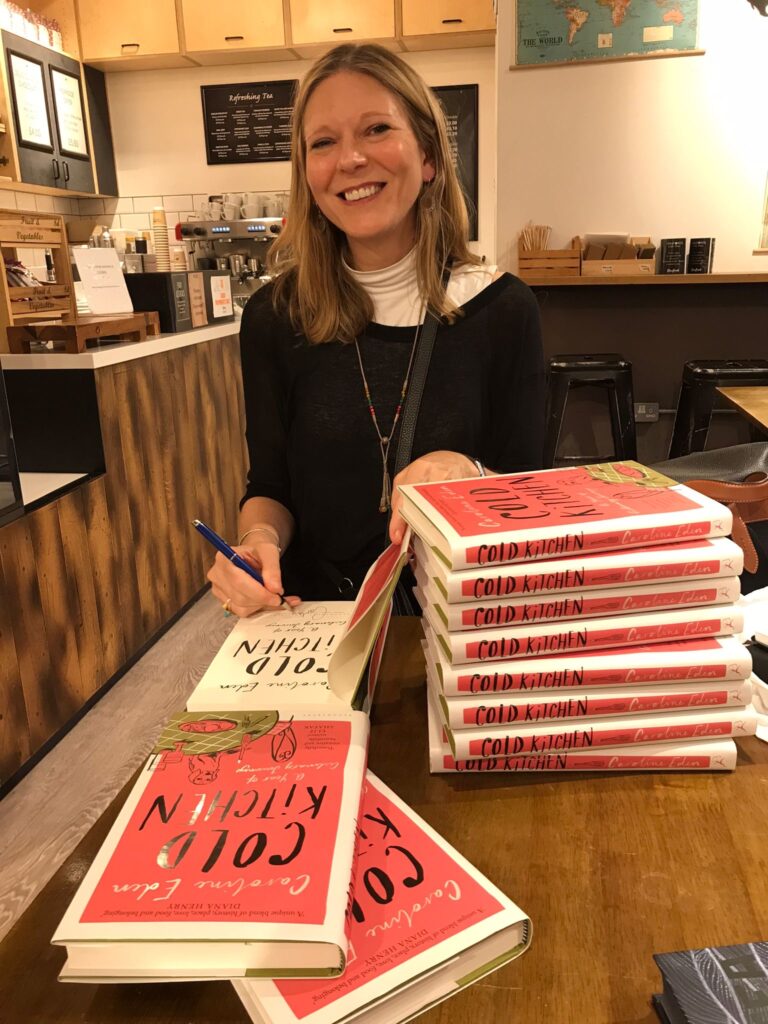
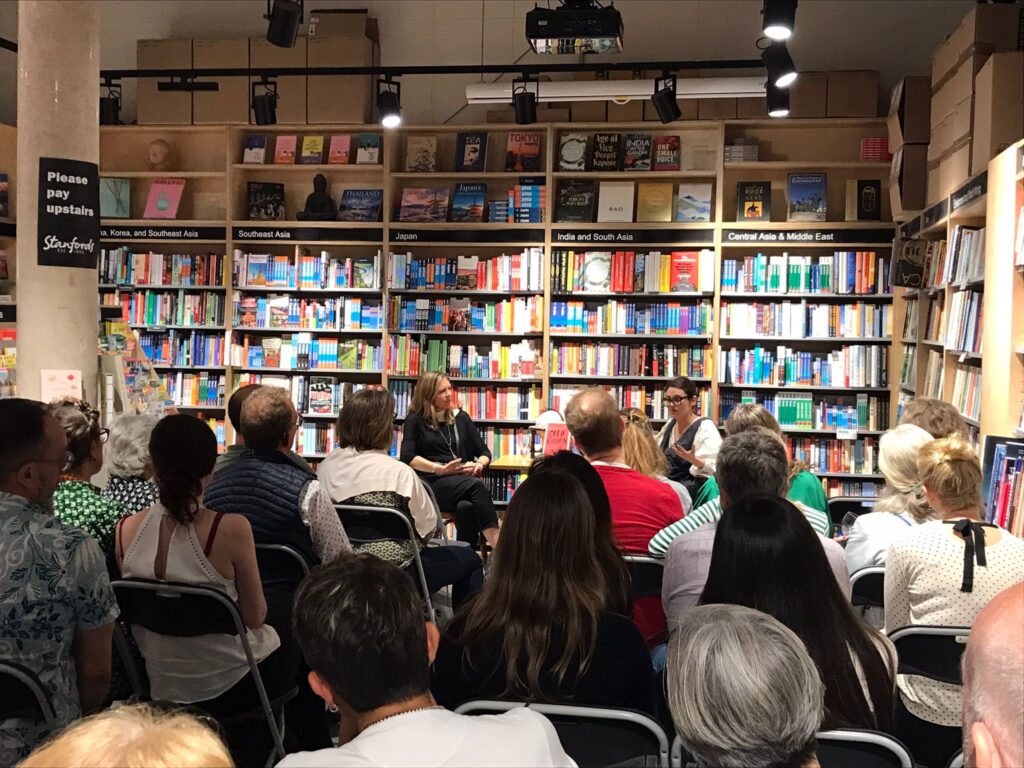
Last night we had an evening of delicious conversation with former Edward Stanford Travel Writing Award-winner Caroline Eden as she spoke to Olia Hercules about her new book Cold Kitchen: A Year of Culinary Journeys.
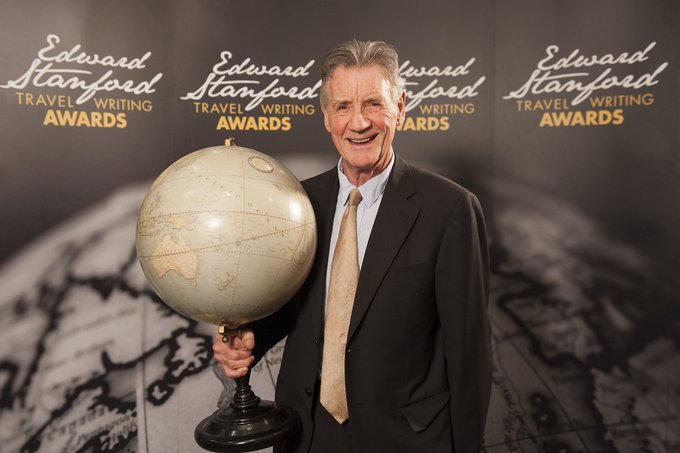
The 2017 recipient of the Edward Stanford Outstanding Contribution to Travel Writing, and our good friend Sir Michael Palin has been gracing our televisions again with his three-part Channel 5 series Michael Palin in Nigeria. If that has inspired you to read/ re-read his back catalogue, Orion have just re-released his bestselling travel books with revamped paperback covers.
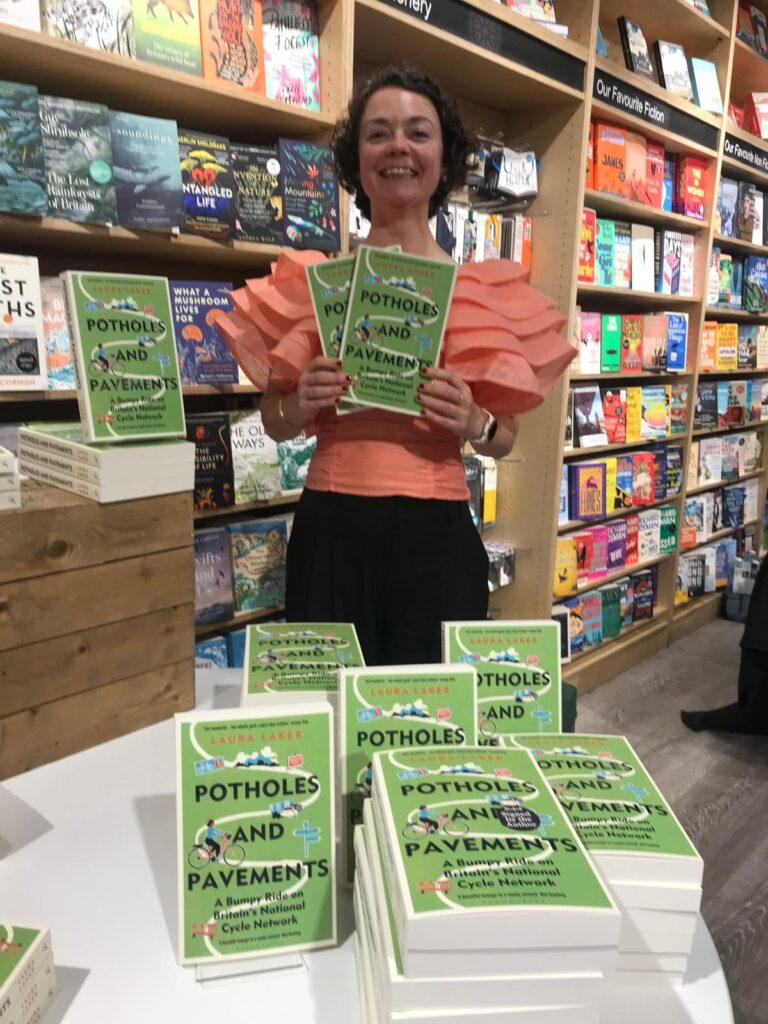
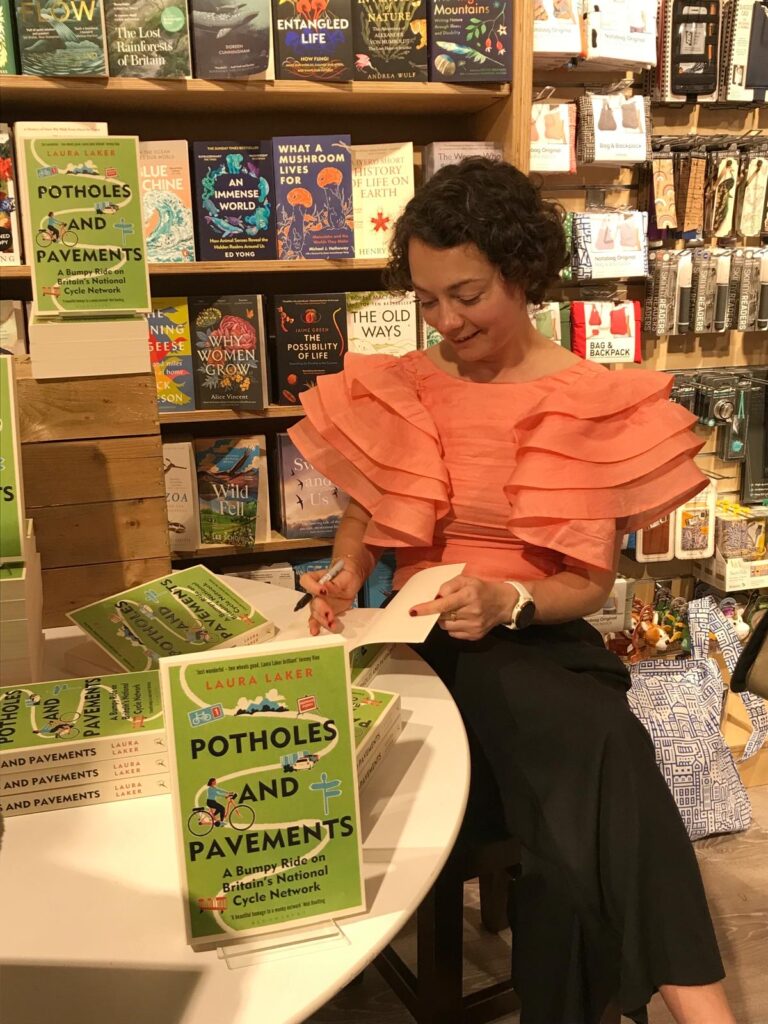
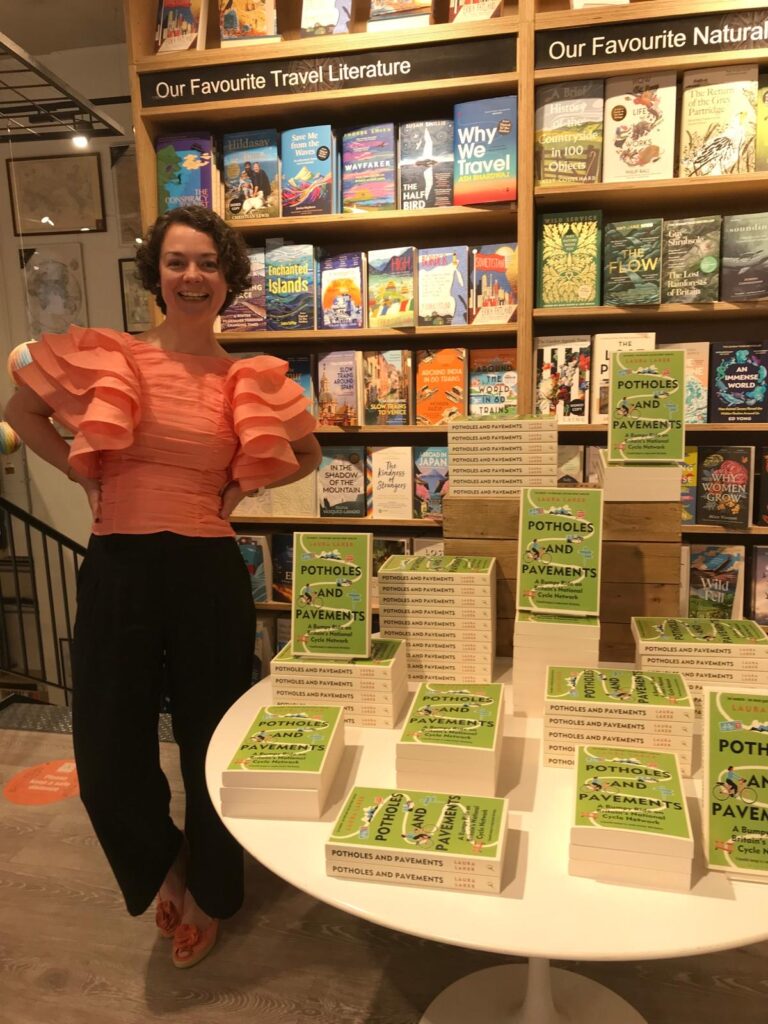
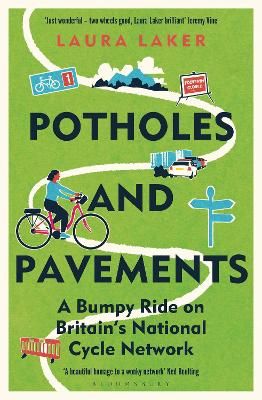
What if we were less reliant on our cars? What if there were safe cycling paths to take us places instead? What if those paths led to the next town, the next village and the countryside beyond?
This was the dream of a group of Bristolian idealists in the 1970s when they founded Britain’s National Cycle Network, which now runs to nearly 13,000 miles across the country. Journalist Laura Laker sets off on an odyssey around the UK to see where the NCN began, and where it is now.
What has gone right – and wrong – with this piece of national infrastructure? Why is it run by a charity whose CEO once admitted ‘we’ve had enough of it being crap, we need to fix it’? Laura lifts the lid on this maddening, patchy, and at times dangerous network, and the similarly precarious politics and financing that make it what it is.
She discovers beauty, friendship and adventure along the way, from the Cairngorms to Cornwall, from the Pennines to the South Wales coast. On her mission to pin down what the NCN is and what it means to those who use it, she also meets up with high-profile travelling companions, including Chris Boardman and Ned Boulting.
In a country where 71% of trips are less than five miles, two thirds of Britons say they want to cycle more and doing so could help our climate, health and wellbeing. Laura is on a mission to see if we can make that dream a reality.
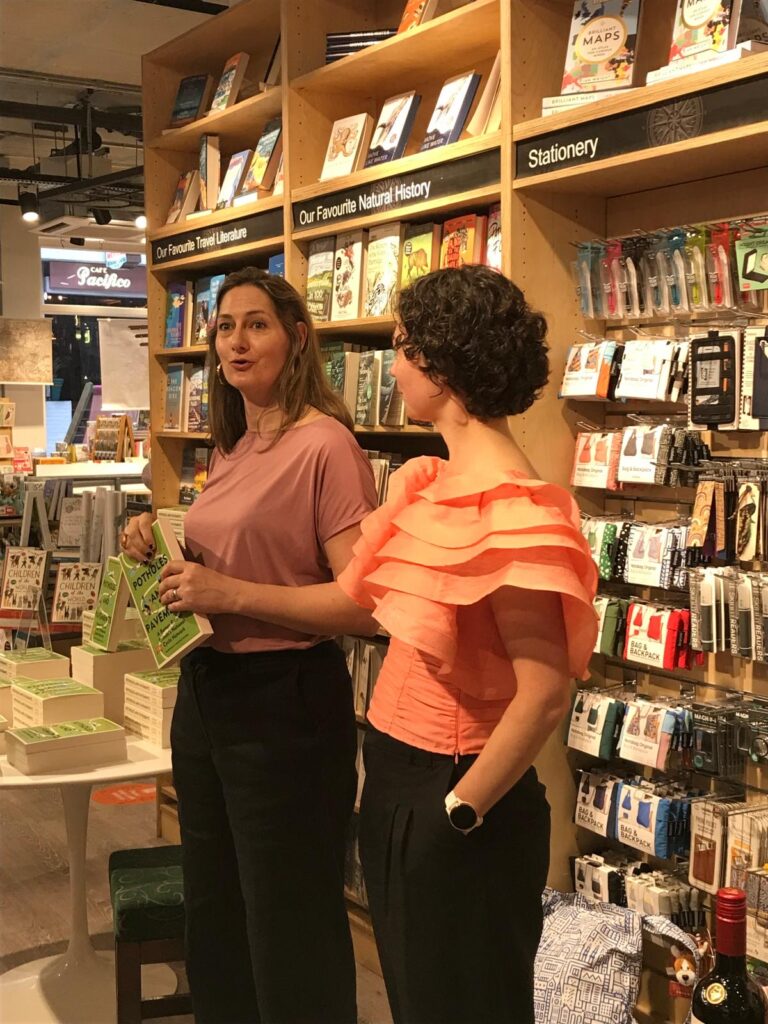
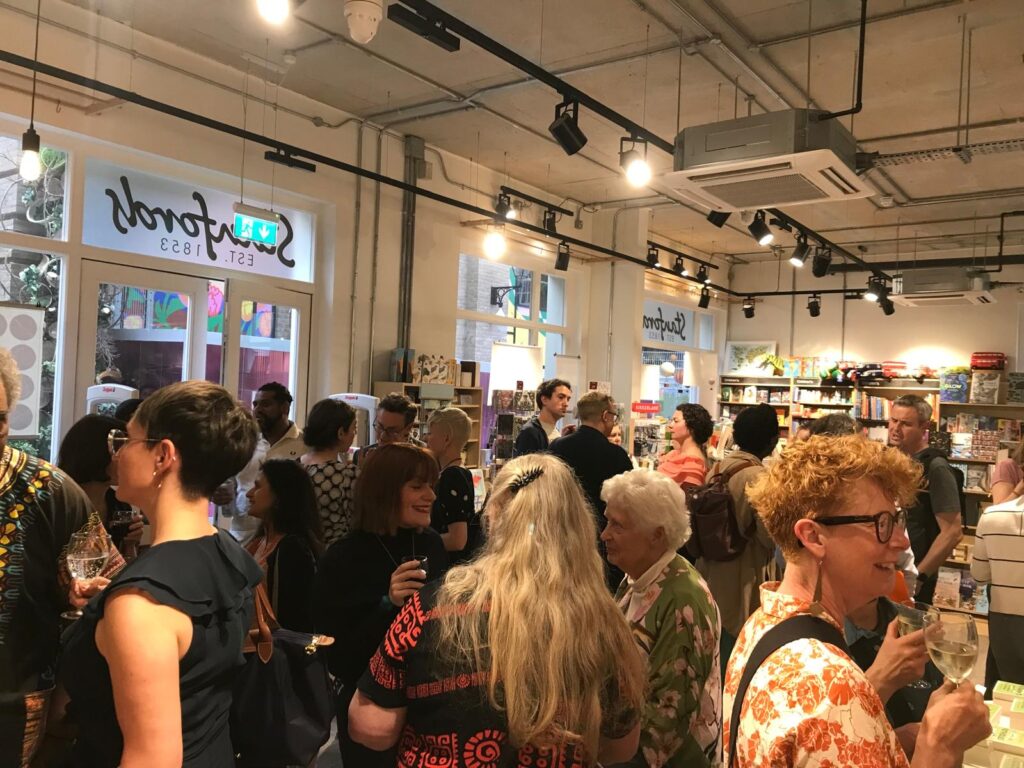
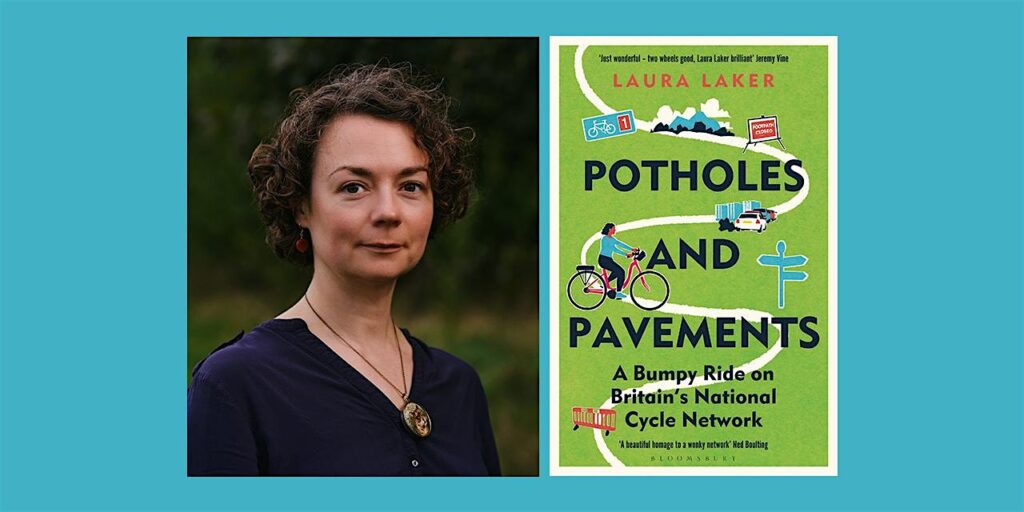
Join Laura Laker as she talks about her book at Stanfords London on the 21st May and at Stanfords Bristol on 23rd May. See our events page for tickets and more details.
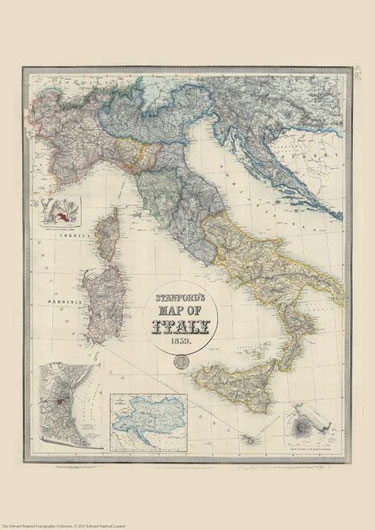
We are celebrating this map’s 165th birthday. It was originally published on 2nd May 1859 by Edward Stanford.
The map catches the country in an interesting stage of its history, just before the unification, and still shows the individual states: the Kingdom of Piedmont – Sardinia, the Grand Duchy of Tuscany, the Kingdom of the Two Sicilies, the Papal States, etc, all in different colours. Hachures are used to show the spine of the Apennines and other mountainous regions.
Interesting insets show enlargements of the environs of Venice, Genoa and Naples with Vesuvius, and another panel presents the whole of the Austro-Hungarian Empire which then still included Lombardy and north-eastern Italy.
This reproduction is Print on Demand so is available in other sizes.
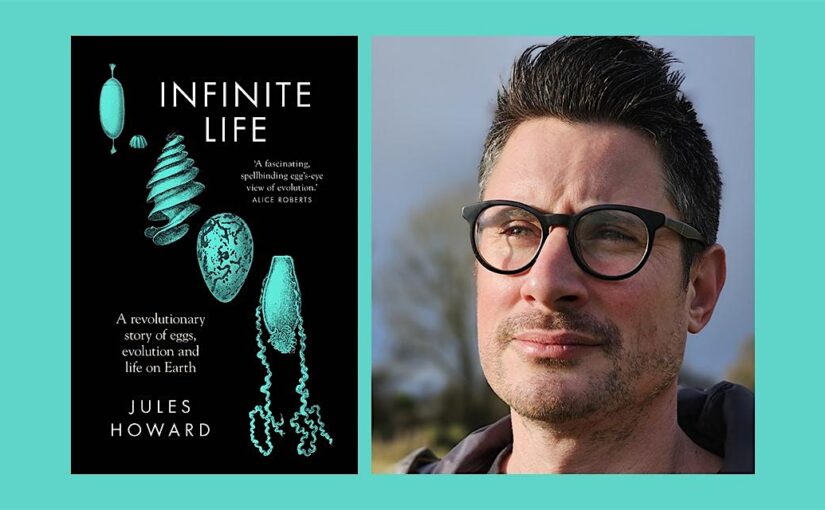
InInfinite Life: Revolutionary Story of Eggs, Evolution and Life on Earth, zoology correspondent Jules Howard takes the reader on a mind-bending journey from the churning coastlines of the Cambrian Period and Carboniferous coal forests, where insects were stirring, to the end of the age of dinosaurs when live-birthing mammals began their modern rise to power. Eggs would evolve from out of the sea; be set by animals into soils, sands, canyons and mudflats; be dropped in nests wrapped in silk; hung in stick nests in trees, covered in crystallised shells or secured by placentas.
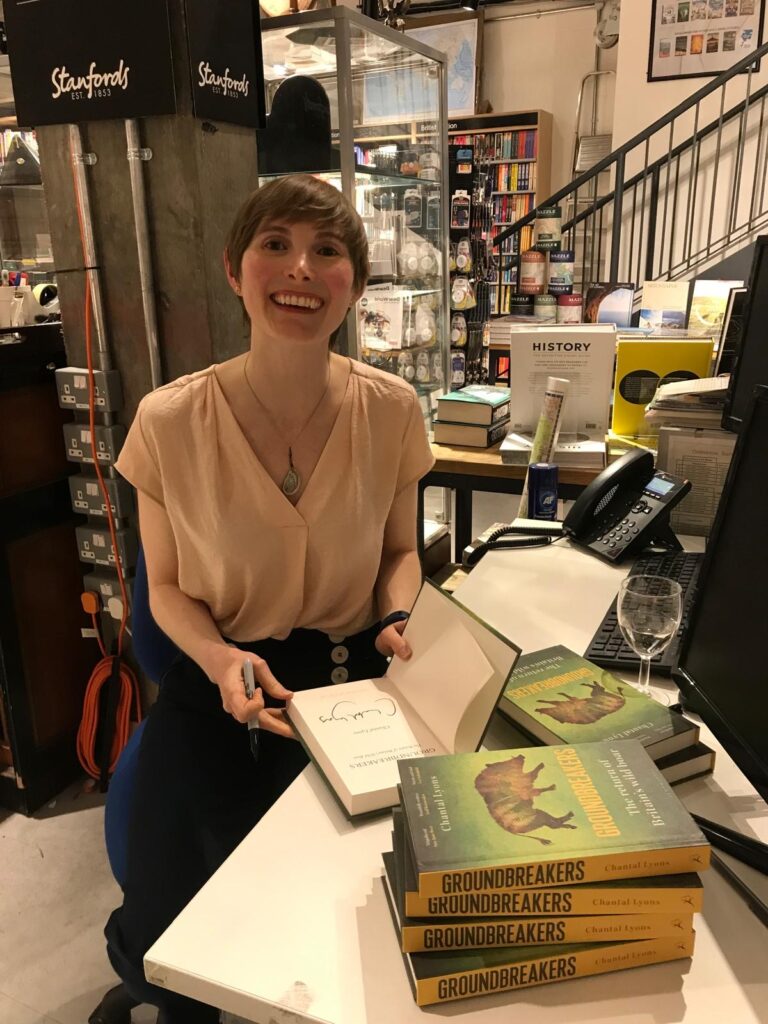
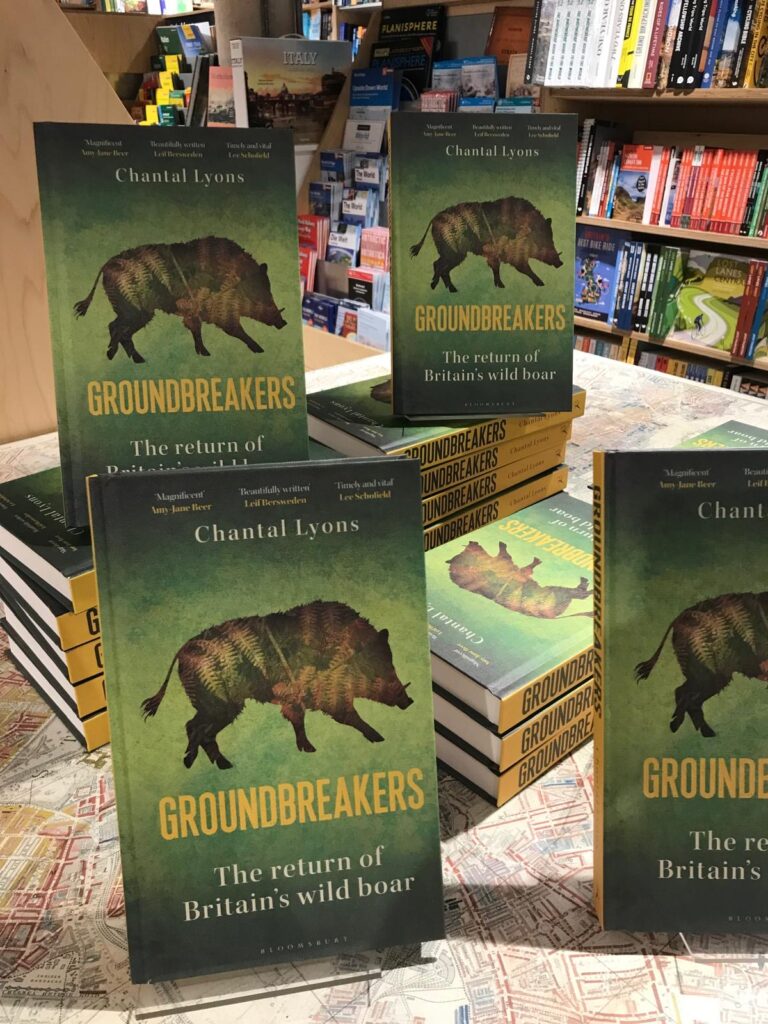
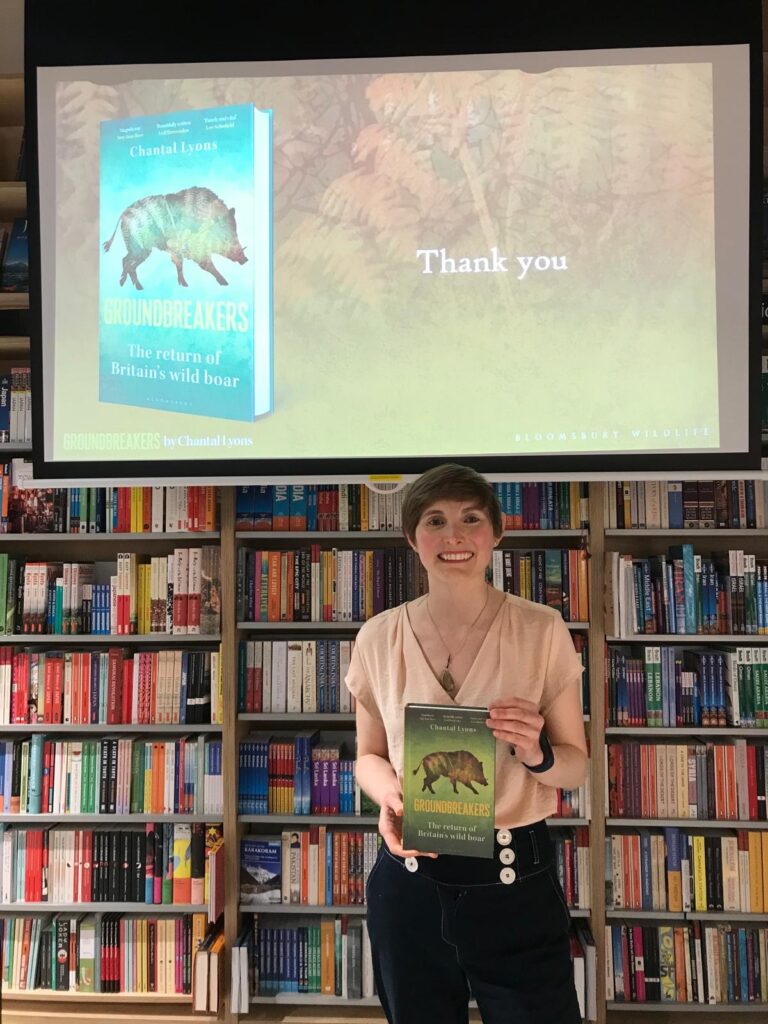
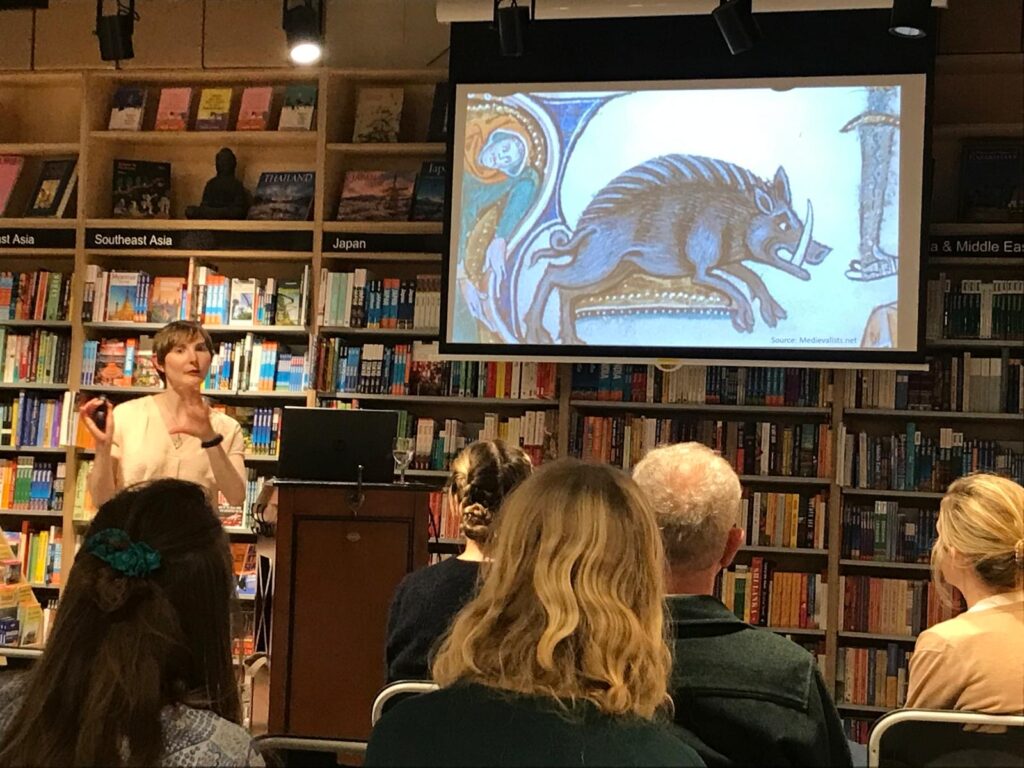
A big thank you to everyone who came to Chantal Lyons’ talk here last week. Her book Groundbreakers explores the reintroduction of wild boar back in Britain after centuries of absence and asks what does this mean for us – and them?