We recently hosted an author talk with Chantal Lyons where she spoke about her book Groundbreakers: The Return Of Britain’s Wild Boar. In this book, Chantal moves to the boar’s stronghold of the Forest of Dean to get up close and personal with this complex, intelligent and quirky species, and she meets with people across Britain and beyond who celebrate their presence – or want them gone.
In this guest blog post, Chantal shares where in the UK you can visit these wonderful animals:
-by Chantal Lyons
‘If you are doing rewilding of an area, I think pigs or boar are the most important herbivore you can have to kickstart that process,’ Peter Cooper, protégé of Derek Gow, told me as we tramped and sloshed through a muddy field in south Devon in late 2021. It wasn’t just the amount of water slowing our progress; the land was pitted and goosebumped. It had forgotten its former flatness. And though the thought of spring sunlight felt like fantasy, this was a place pent-up with potential. Come the next year, and the warmth, plants would be flourishing in the echoes of our boot prints – scarlet pimpernel, chickweed, spear thistle, and more.
Wild boar are unique among British fauna, the best by far at rooting; at breaking up soil and mixing its layers, triggering a chain reaction of life. They play other roles too – their all-year-round wallowing creates pools that provide habitat and water to others, their dung spreads the spores of mycorrhizal fungi far and wide, they catch seeds in their shaggy coasts and scatter them, and they’re choice prey for wolves (if you have any of those around). But it’s their rooting prowess that rewilding projects up and down the British Isles want most of all.
As boar are listed under the Dangerous Wild Animals Act of 1976, bringing them onto your land – and keeping them there – can be a fiendishly costly affair. So rewilders often opt for the next best thing: heritage breeds of farmed pigs that have best retained the instincts and abilities of their wild antecedents. I visited several such projects over the course of writing Groundbreakers: The Return of Britain’s Wild Boar. And while I dream of a future Britain pocked all over with the snout-holes and hoofprints of boar, there remains an undeniable delight in meeting free-roaming pigs and seeing the magic they’re working within their fenced realms. Read on for recommendations of where to find them.
Knepp Wildlands, West Sussex
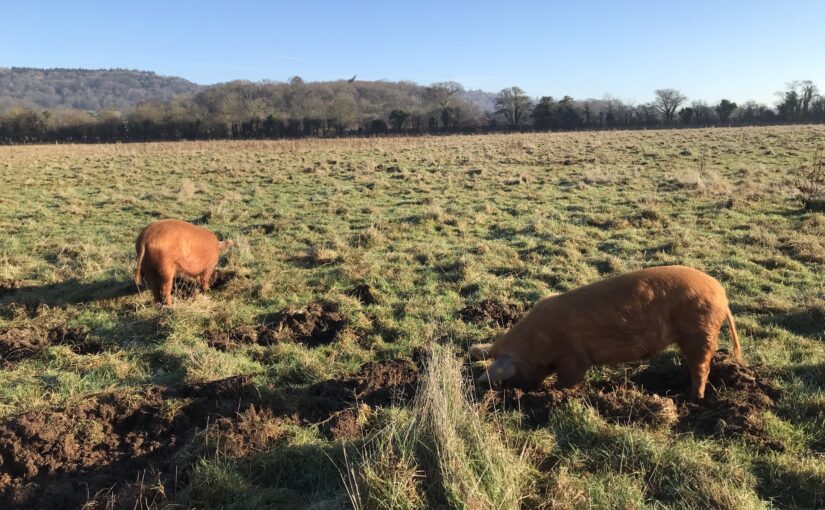
Pretty much the birthplace of rewilding in England, somewhere in the southern section of Knepp Wildlands are six or so Tamworth pigs. They are large and ginger, which implies they are easy to spot, but I’ve yet to do so after three visits. Come in autumn and you may also see Ranger, their part-time suitor. In the following spring, gaggles of piglets will be about. And if you have searched the grasslands and scrublands with still no luck, perhaps wait by a pond – Isabella Tree in Wilding, her book about restoring Knepp, writes of witnessing the Tamworths diving for freshwater mussels.
Sharpham Estate, Devon
Is it a sheep? Is it a cockerpoo? No, it’s a Mangalitsa pig! These most lovable of heritage breeds (also known as Mangalica pigs) hail from Hungary. They have marvellously curly pelts, and are most often blonde, though they can also be caramel or even black along the top, as if dipped in dark chocolate.
The Sharpham Estate near Totnes hosts two Mangalitsas, whom I finally had the pleasure of laying eyes on in May 2024. Public footpaths run on either flank of their sizeable enclosure, affording you generous views of both the pigs and the results of their rooting – a mosaic of lumpy ground and ever-more-complex tangles of vegetation, all of which offer homes and forage to invertebrates and other wildlife. To cap it all off, just to the northeast of the enclosure runs a languorous, gorgeous stretch of the River Dart.
The Grange Project, Monmouthshire
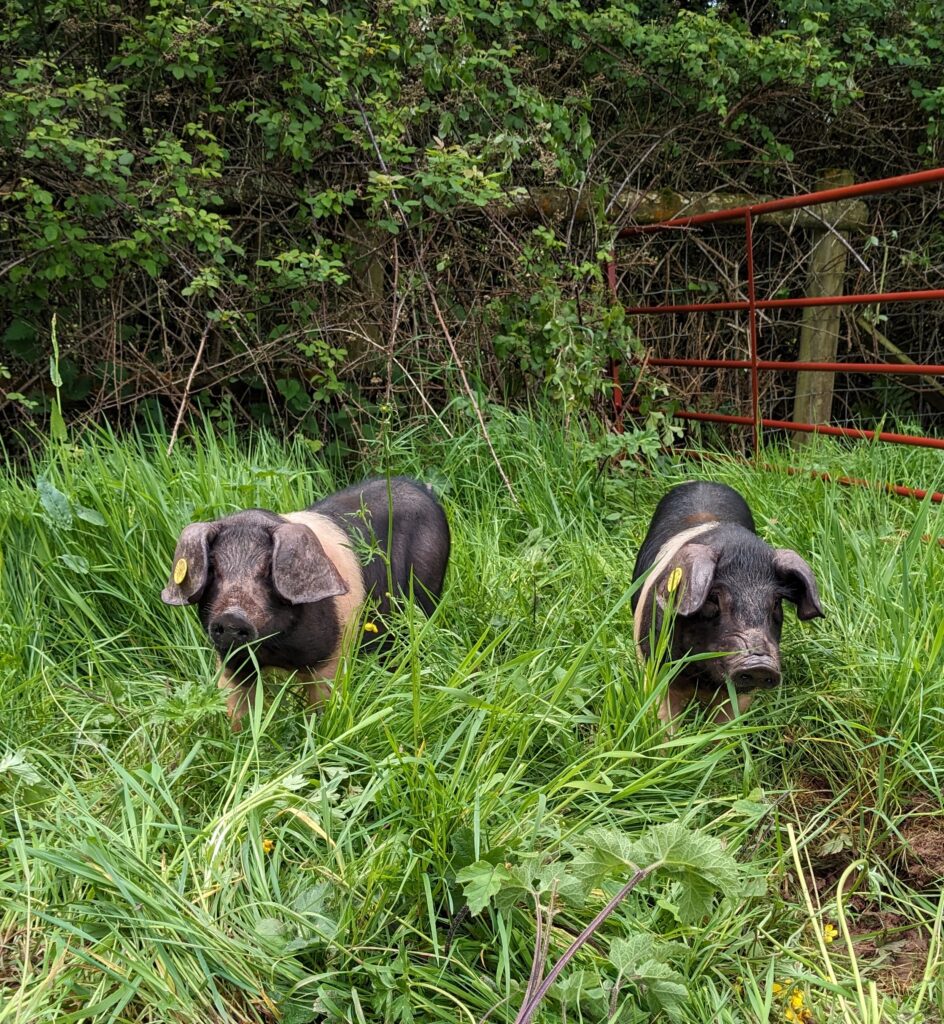
Image by Tom Constable at The Grange Project
The one place on this list I haven’t been to (yet), the 80-acre Grange Project just outside Monmouth is the cherished rewilding project of Tom and Chloe Constable. They’ve been digging wallows on their land, so effectively that an excited neighbour came by once to say, “I think you’ve got boar!”
Alas, the Dean boar have a hard time making it beyond the Forest without being shot, so the Constables have as of May 2024 acquired two British Saddleback piglets. Even better, you’ll soon be able to bask in their flopped-eared glory using the ‘Wilder Wander’ Walking Trail that Tom and Chloe are in the process of developing, in support of the right to roam.
Why not combine a trip to the Hay Festival or Offa’s Dyke with one to the Grange Project?
Watercress
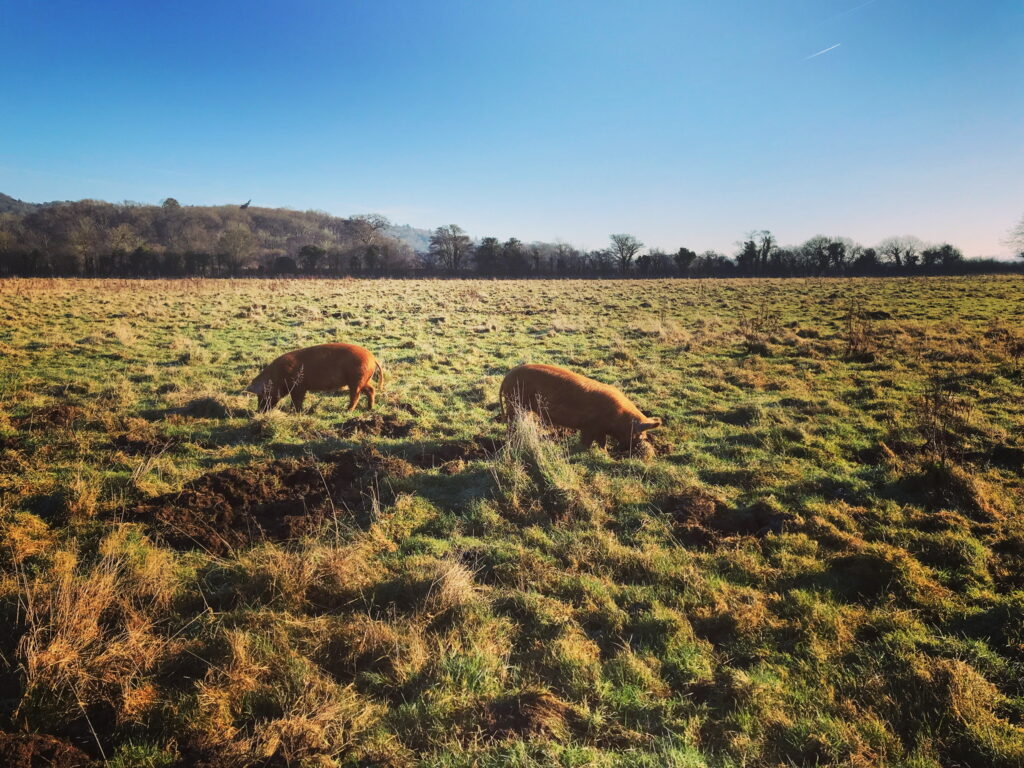
Image by Chantal Lyons. Watercress Farm
A rewilding microdose, the 30-hectare Watercress Farm lies just five miles outside of Bristol in the valley of Wraxall. If Knepp is too far, or you haven’t had any luck finding the Tamworths there (like me), then Watercress is your site: it currently has two of the fuzzy ginger pigs, named Tallulah and Delilah.
The pigs share their home with gentle Red Devon cattle and a gang of young male Dartmoor ponies. The latter, according to stockman Robin who showed me around in early 2022, tend to bully the Tamworths a bit. So if you come across the ponies, your best bet to find the pigs is to head to the other end of Watercress. There’s ample opportunity to do so, as public footpaths run through the site and along its edges – just remember to close the gates, so that Tallulah and Delilah don’t pull a Houdini. Again.
Bunloit Estate
The Bunloit Estate arguably has the best view out of all the places on this list: the expanse of Loch Ness, and blue ranks of hills and mountains. But it’s also my cheeky odd one out. Because Bunloit doesn’t actually have domestic pigs.
It has wild boar.
When Highlands Rewilding purchased the estate, the plan had been to bring pigs in. The organisation soon discovered this would not be necessary. Glimpsed mostly on trail cameras, several sounders (groups of female boar and their young) – as well as adult lone males – include Bunloit in their wanderings through the Great Glen.
You are, I admit, extremely unlikely to meet them in the flesh. But to walk in a place where they might be is a thrill that, in the UK for now, remains a rare and precious thing.
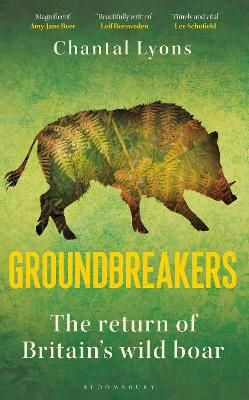
Groundbreakers: The Return Of Britain’s Wild Boar is available now for £20.