We are so excited to share the shortlisted books for the Children’s Travel Book of the Year. This category celebrated fiction or non-fiction title for pre-teens which inspires a love of travel, exploration and adventure.
The 2023 Children’s Travel Book of the Year Shortlist:
The world’s best competition for unpublished travel writers. In association with the Edward Stanford Travel Writing Awards.
For over twenty years, the Bradt Guides ‘New Travel Writer of the Year’ competition has been seeking out and championing new writing talent. Previous winners and finalists in the competition have gone on to see their work published in newspapers, travel magazines and books.
The Shortlist for the 2023 Edward Stanford Travel Book of the Year has been announced. The award, which was open to authors from all across the world, celebrates excellence in literary travel writing.
Edward Stanford Travel Book of the Year Shortlist:
The Peters World Map shows countries in proportion to their relative sizes. It is based upon Arno Peters’ 1970s decimal grid which divides the surface of the earth into 100 longitudinal fields of equal width and 100 latitudinal fields of equal height; it treats the rectangles around the equator as squares and builds the other rectangles onto these in proportion to the areas they represent. the zero meridian on this system is combined with a proposed new international date line.
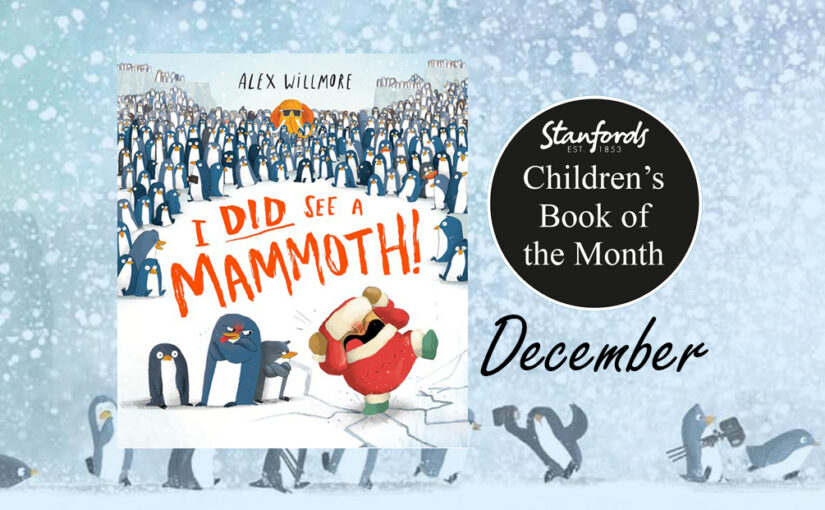
Our Children’s Book of the Month for December is I Did See a Mammoth by Alex Willmore.
A delightfully original story about embracing the unexpected – alongside themes of adventure and exploration from a multi-award-winning picture book-maker and Kate Greenaway Medal nominee.
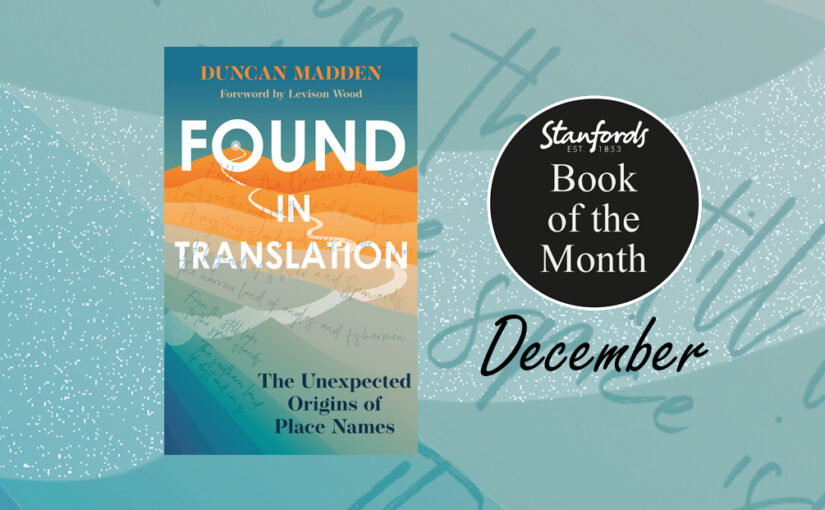
Our Book of the Month for December is Found in Translation: The Unexpected Origins of Place Names by Duncan Madden. This book unravels the tangled threads of history and etymology to uncover the strange, intriguing and enlightening stories that have shaped the names of countries and places around the world.
In this extract we look at the etymology behind ‘Argentina’:
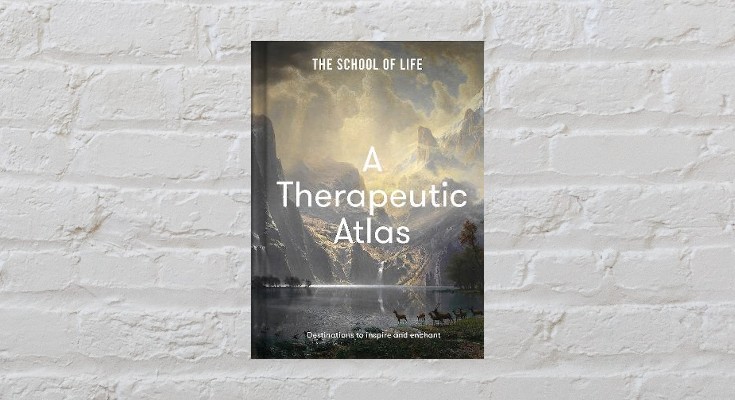
From the Malverns to Manhatten, from Seoul to Sicily, A Therapeutic Atlas invites you to revel on the tops of mountains, or solitary cliffs, discover elegant cities and encounter some unexpectedly therapeutic locations: airports, hydroelectric stations, meteorite craters and elaborate highways. But these places aren’t just beautiful in themselves – they can also help us deal with the difficulties of being human. Here, The School of Life, give some examples of surprising therapeutic locations, not so far from home.
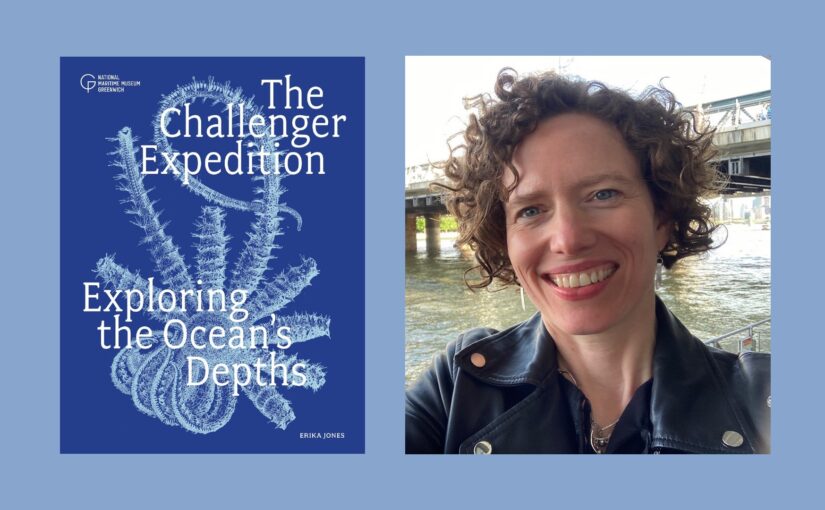
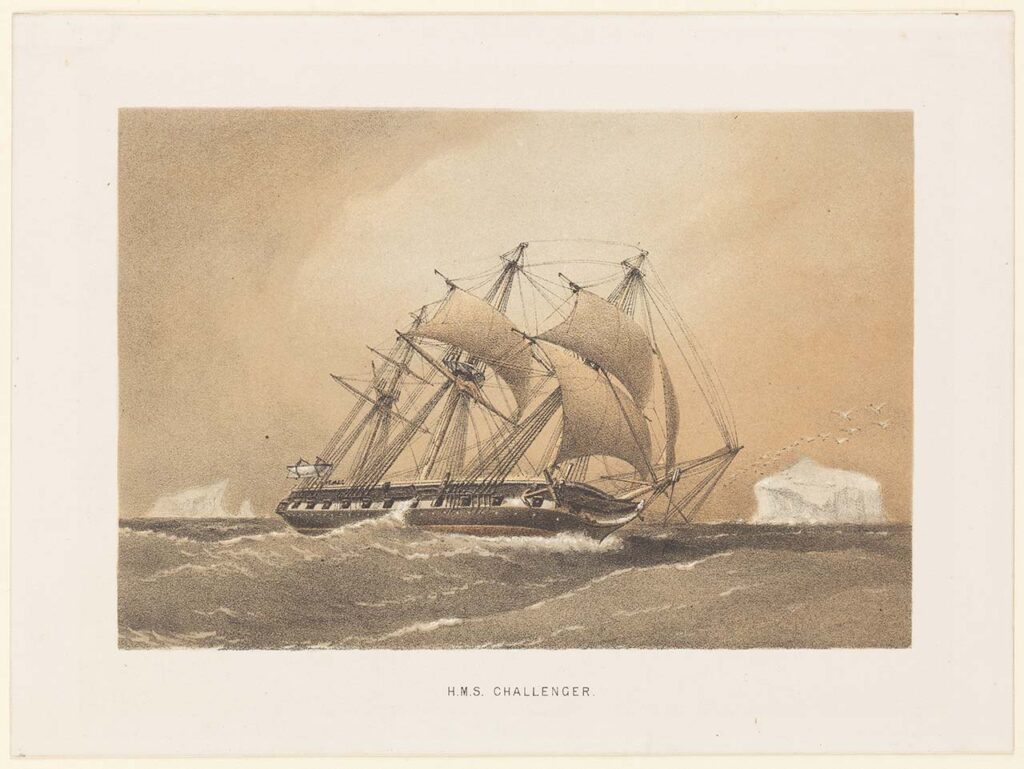
The book was published to mark the 150th anniversary of the expedition’s launch.
On the 21 December 1872, HMS Challenger set sail from Portsmouth, England, to begin a global voyage of deep-sea exploration. A landmark endeavour, the findings and the legacy shaped the development of ocean science as we know it and are still influential in our understanding of the planet today.
With technological and scientific developments of the time, supported by extensive international cooperation and a team of research and naval officers, the expedition was part of the concerted nineteenth-century drive to map the ocean floors and search for life in the abyss.
When the ship returned to Britain in 1876, the scientific team on board had amassed the then largest collection of examples of life from the deep sea. Over the next two decades, a global network of researchers prepared the results for publication culminating in a series of works that is considered the intellectual foundation of modern oceanography.
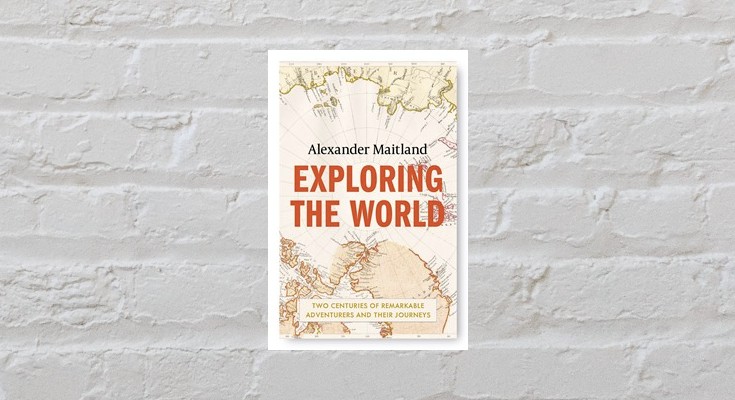
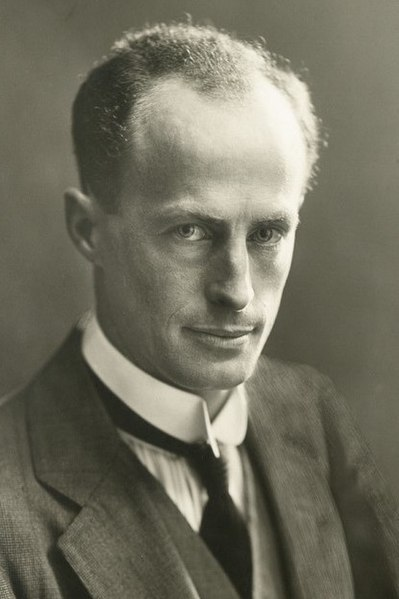
Filled with epic tales of endurance and perseverance, Exploring The World: Two Centuries Of Remarkable Adventurers And Their Journeys by Alexander Maitland celebrates a group of exceptional individuals possessed of indomitable courage, boundless determination and adventurous spirit. It portrays a variety of fascinating lives driven by curiosity, wanderlust and the pursuit of knowledge – and, in doing so, provides a unique overview of two centuries of exploration. Here is an extract about one of the most well-known explorers, Sir Douglas Mawson.