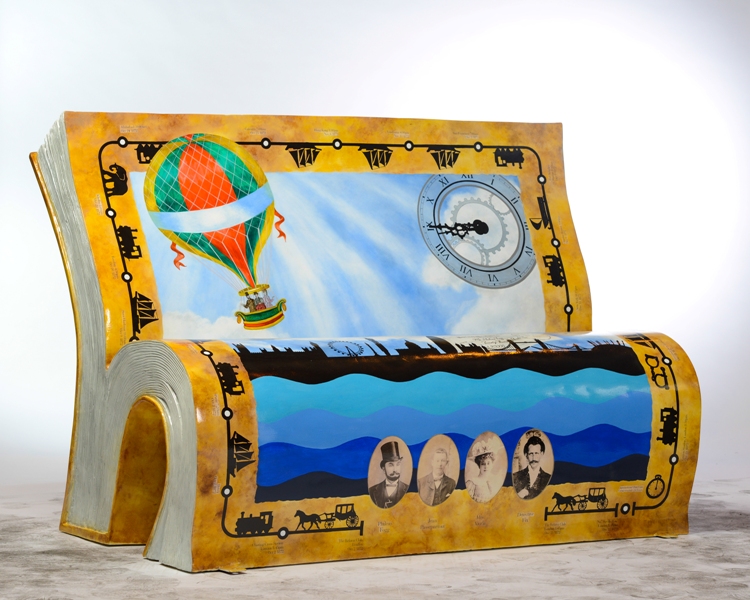
 Valerie Osment, the artist who created the wonderful ‘Around the World in 80 Days’ BookBench we have in our Long acre store shares her inspiration with us and explains the process involved.
The BookBench’s design pays homage to Jules Verne’s colourful adventure novel of the same name, where Phileas Fogg of London and his French valet Passepatout attempt to circumnavigate the world in 80 days on a £20,000 wager. Inspired by a desire to create an eye-catching pictorial realisation true to the classic tale, I wanted to offer a tantalising story synopsis to the viewer whilst enticing those that hadn’t read the novel to do so.
Published in 1873, with Verne setting the story one year earlier, my design purposefully acknowledges the iconic symbol of the hot air balloon. Mention Phileas Fogg and you automatically think ‘hot air balloon’, the association is just so engrained within the character be it on a crisp packet, in a film or a cartoon. But whilst reading the original novel for design idea research, meticulously flipping pages back and forth to pinpoint exact ports of call, arrival/departure times and transport modes utilised, key plotline elements, no balloon was to be found. As I approached the end of the book with confusion and a little worry – I had decided early on that the balloon would be my dominant visual lynchpin – I decided to google it. And there appeared my answer. The hot air balloon was never actually used by but introduced by the popular 1956 film adaption and has been repeatedly used by subsequent others ever since, hence becoming part of the mythology of the story. Finding this fact quite fascinating, I felt that this was in itself a significant enough reason for it still to be a central feature of my design. Continue reading ‘Around the World in 80 Days’ BookBench
 Persepolis rises up on its plateau – tall classical columns keeping sentry above the walls. Up you go, trying to resist the urge to take two at a time of the shallow steps that lead up to Xerxes’ magnificent Gate of All Lands; the two colossal mythical guardian bulls between which you must pass making you feel insignificant. And then there it spreads out before you in all its ruined glory, the site of Persepolis, watched over by Artaxerxes II and III’s tombs cut into the rock above the site. And if you turn around, you can look down the long straight avenue and out to the mountains beyond with the blue sky behind, your fellow tourists looking some-what antlike below.
 The earliest remains of Persepolis date to 518 BC, just four years after Darius the Great came to power. He is responsible for much of the building of Persepolis, one of the capitals of the Persian empire. Building continued on the site until the defeat of the Achaemenid dynasty by Alexander the Great in 331 BC. Whether Alexander ordered Persepolis to be burnt or it was an accident remains a mystery. Herodotus doesn’t mention Persepolis in his Histories, but he does detail all that history and mention all the people you come across depicted in the reliefs of the surviving ruins. So there on the Apadana Staircase you come face to face with all the peoples of the empire, including the Ethiopians, Greeks, Cappadocians, Bactrians with a two-humped camel, Elamites with a lioness and cubs, Indians, and the wonderfully unpronounceable Orthocorybantians with their pointy hats, to name just a few. In March every year, Iranians celebrate their national new year holiday, Na Ruz. This procession of stately people carved onto the Apadana Staircase had come from all parts of the Persian empire, stretching from East Africa to India, bearing gifts for the emperor to celebrate the same Na Ruz some 2500 years ago.
 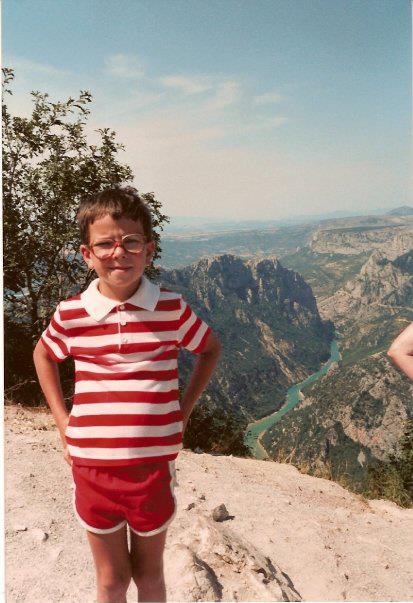 The late 80s were my formative years in terms of travel and holidays. In late July, six weeks of school holidays would begin and – like many other fortunate British families who had the opportunity to do such things – we would pack the boot of the car, load the roof rack and set out on a voyage of discovery to the Continent.
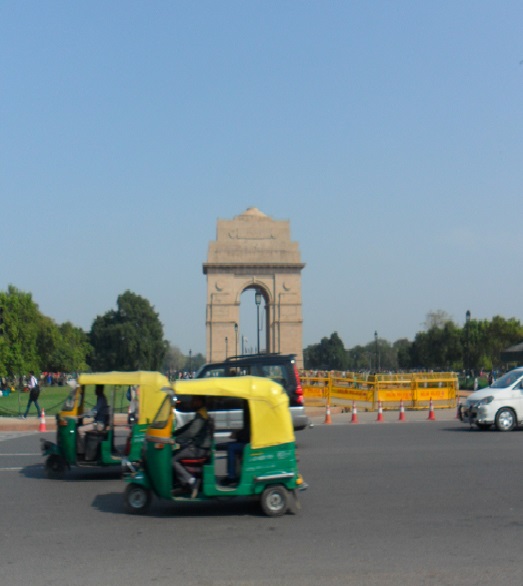 Delhi is an assault on your senses. However you arrive in the city, it smacks you around the face with its intensity. The flavours and smells of the markets and food stalls; the sounds of a bustling, busy city; the sights of the completely contrasting old and new cites sitting next to each other: there is nowhere in the world quite like it.
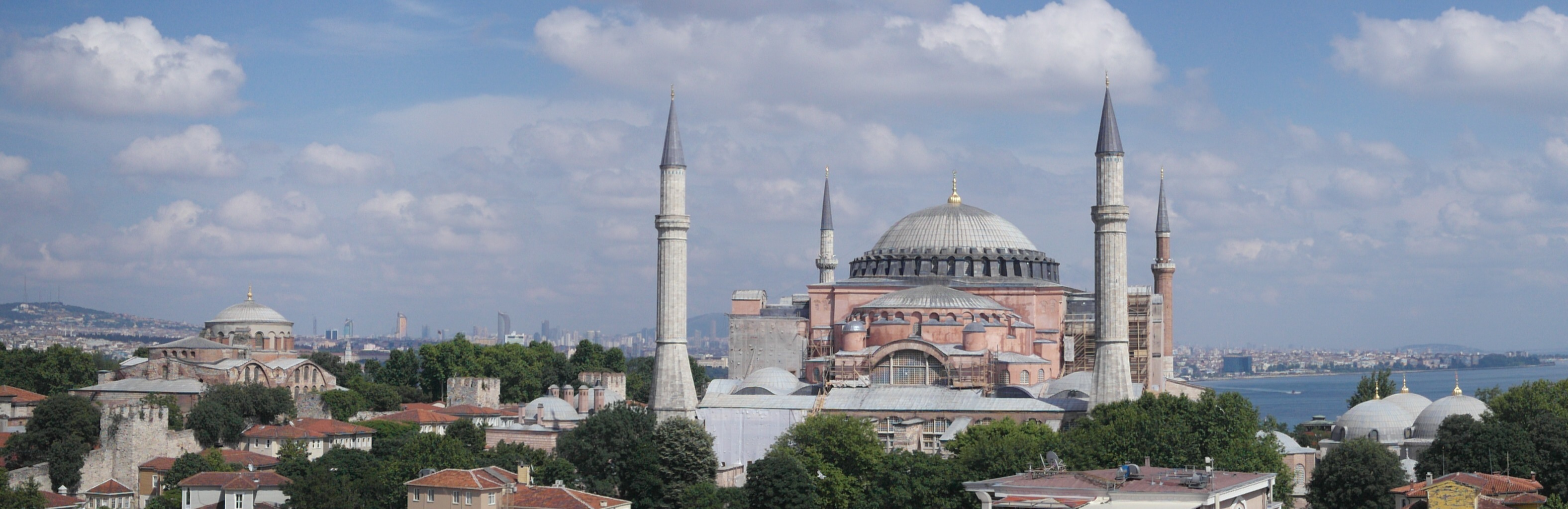 We stayed in the historic centre which was ideal for walking to the main tourist sites whilst we took fast and reliable buses and trams to other areas. We did not try the underground system but it looks pretty impressive. There are plentiful and pretty cheap taxis but the drivers do not always know the way and may not always speak English. Two other things to beware of, they may try to negotiate a fare rather than using the meter, and the roads are pretty gridlocked during rush hour.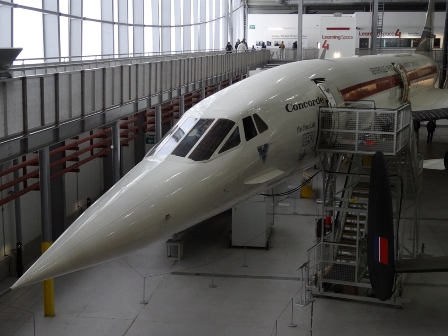
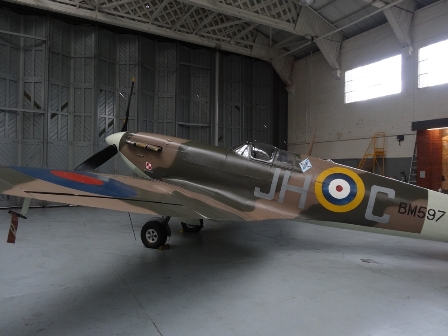 We started our tour from the largest hangar of the complex, the AirSpace. It displays mostly British and Commonwealth-built aircraft and the absolute highlight is of course Concorde. It was one of the first to be built and it was used for the test flights. In fact it has the distinction of having flown the fastest of any Concorde during the flight trials in which it was involved. What’s most amazing is how low-tech everything looks, especially the cockpit, and how tiny the windows are. Still it is a spectacular machine, the only supersonic passenger jet ever.