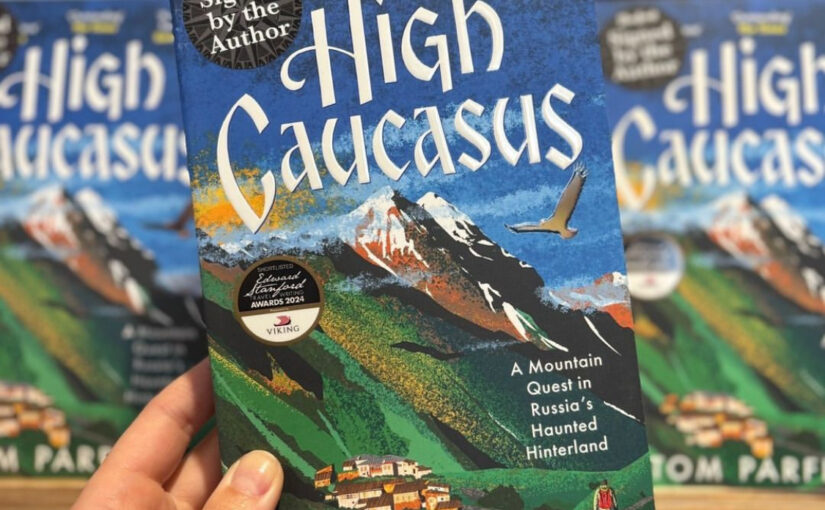
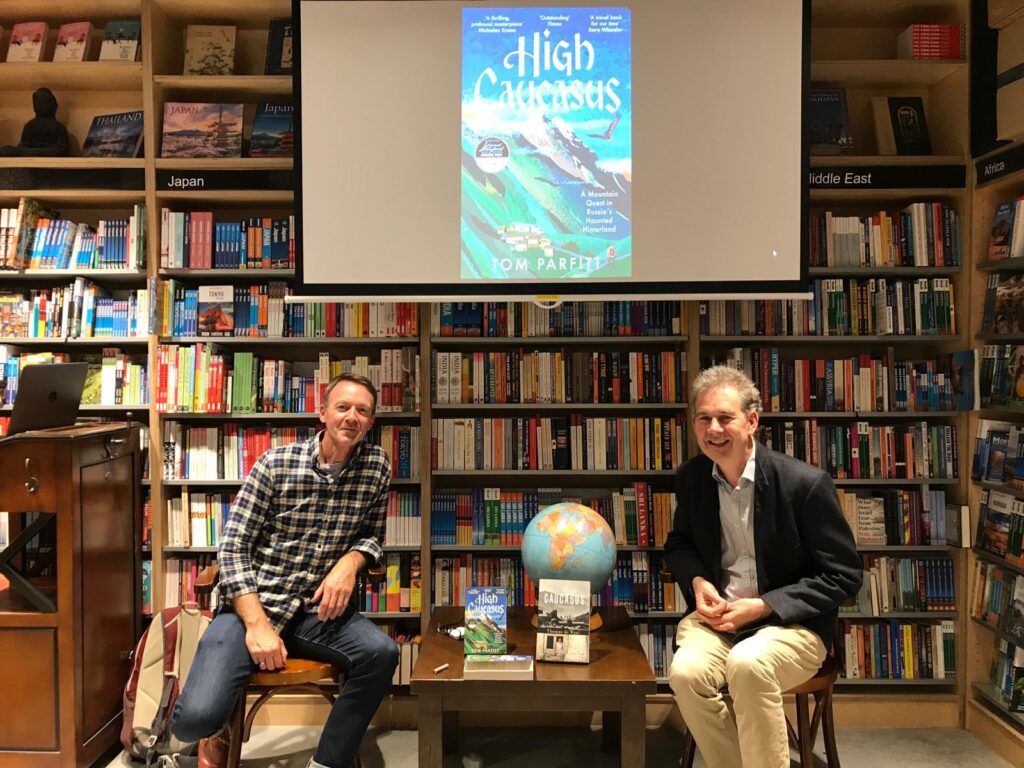
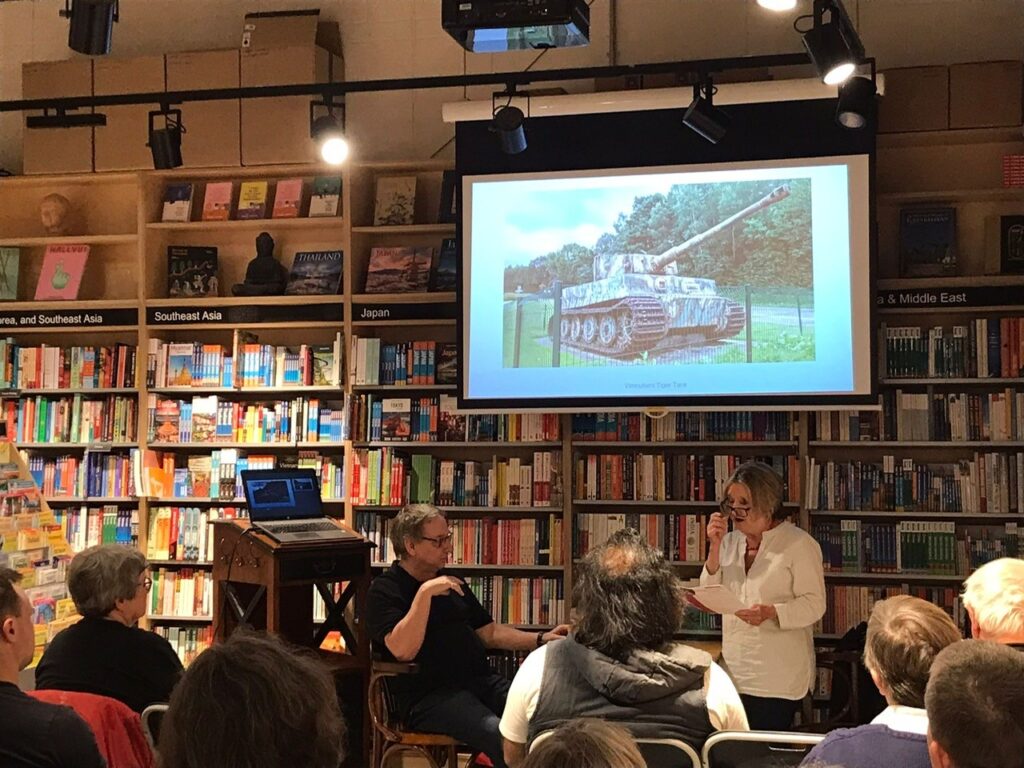
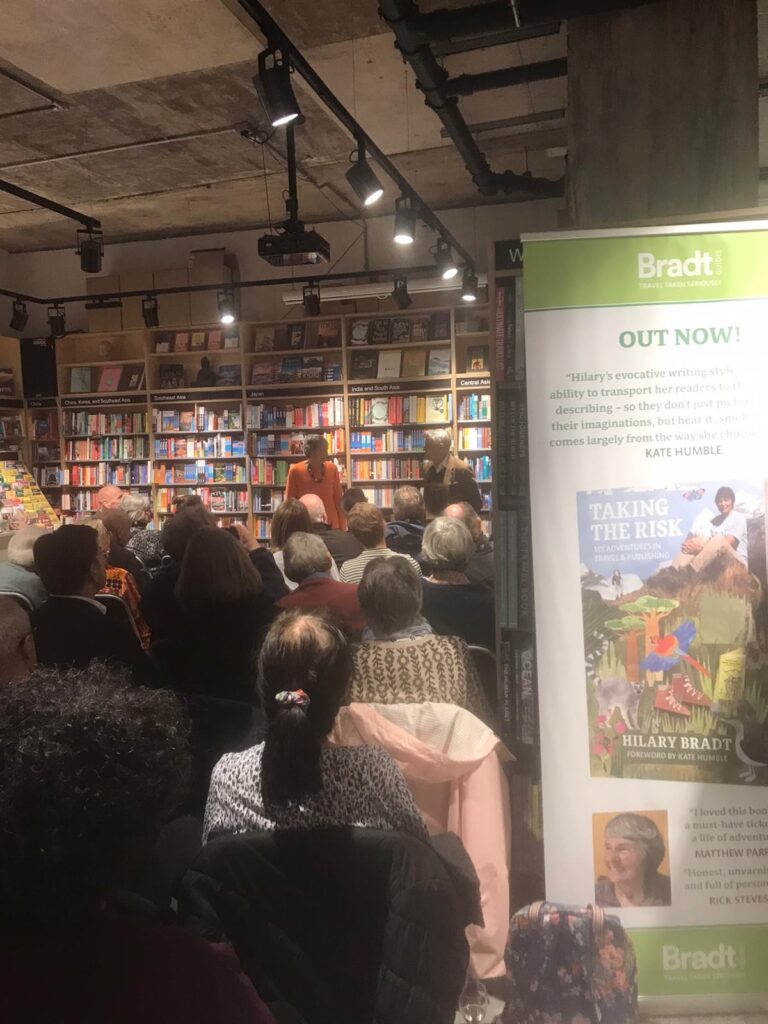
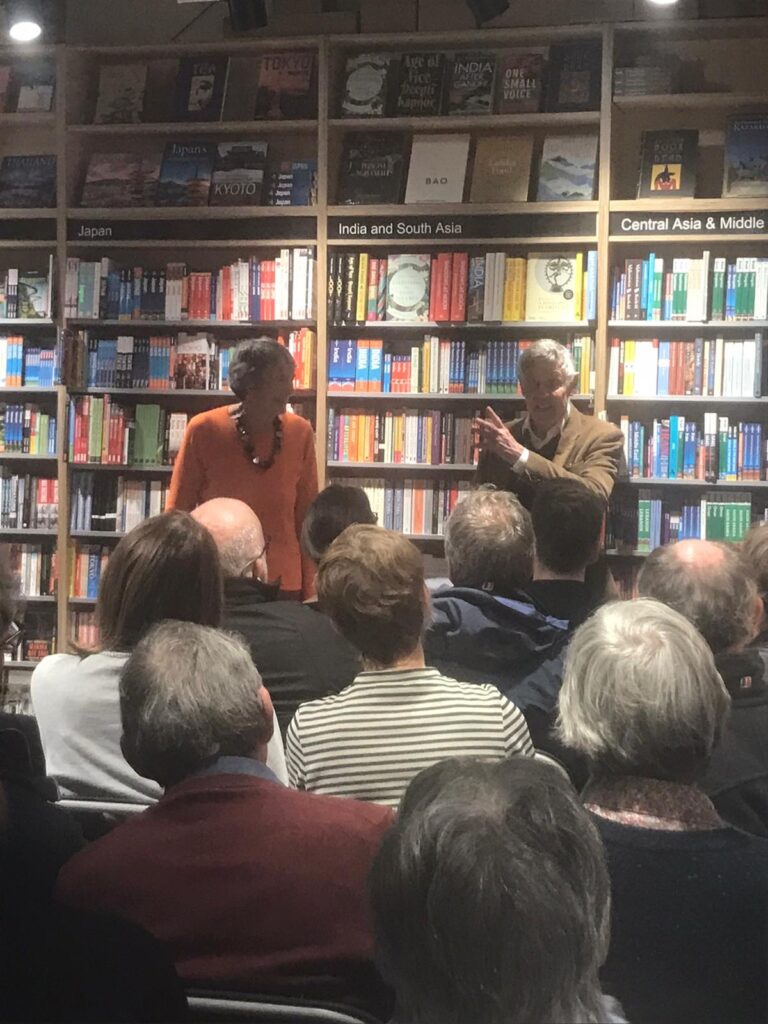
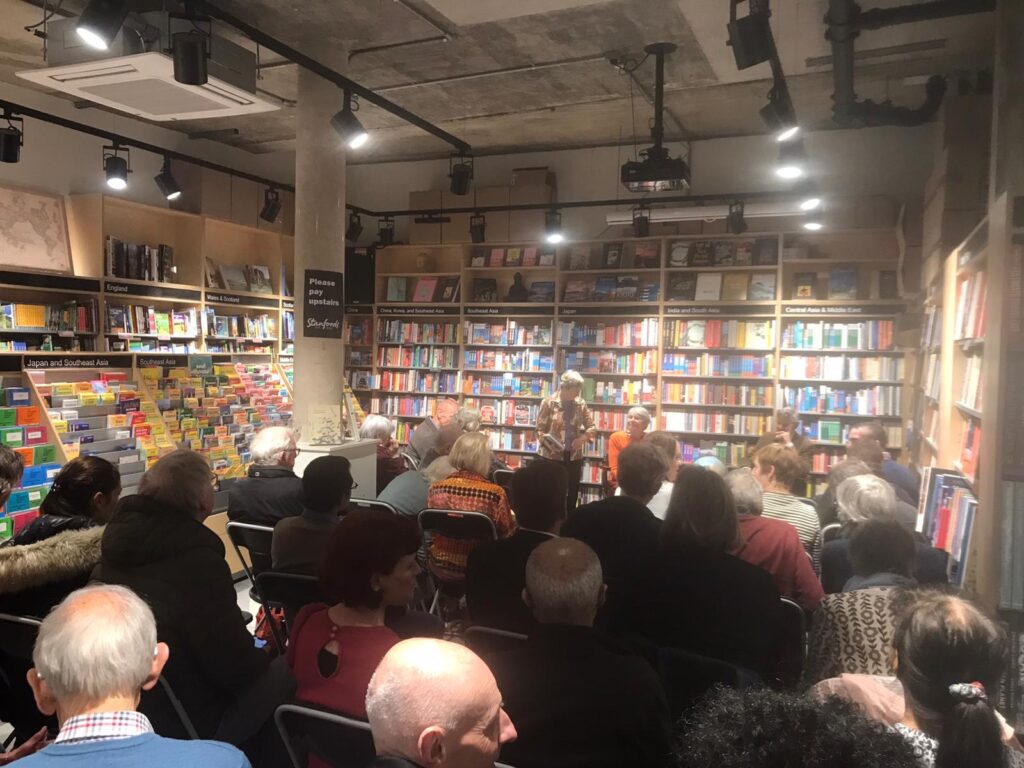
To celebrate the paperback launch of this 2024 Edward Stanford Travel Writing Awards, Travel Book of the Year shortlisted book, Tom Parfitt came to Stanfords last night to talk to Tom de Waal aboutHigh Caucasus. It was such a fascinating, moving and sobering evening hearing these two experts on the region talk about reminiscences and predictions.
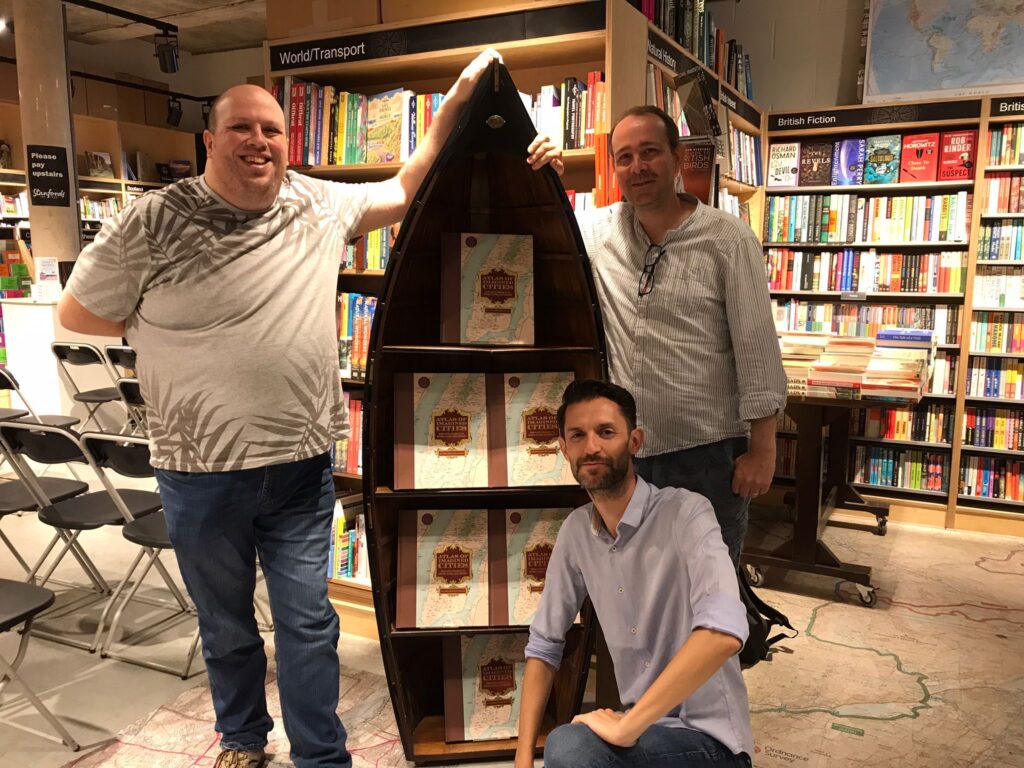
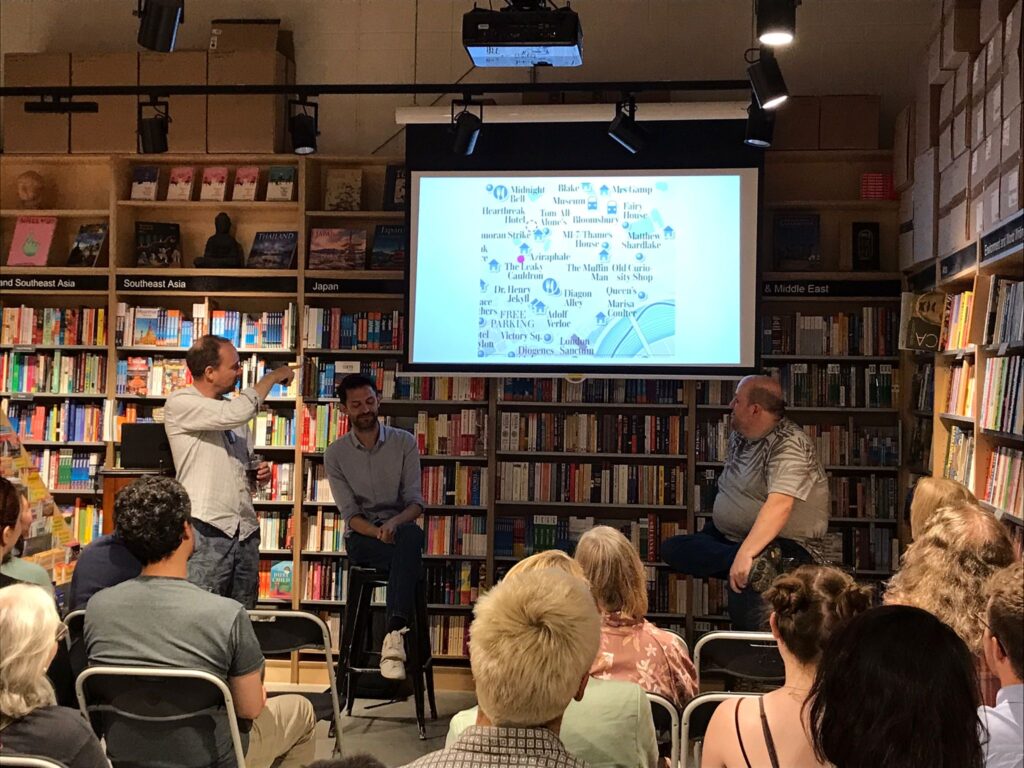
Last night we welcomed the award winning team from Atlas of Imagined Cities, Matt Brown, Rhys B. Davies and Mike Hall to Stanfords for a fun filled evening.
Following the success of their Edward Stanford Travel Writing Award winning previous book Atlas Of Imagined Places, this new atlas looks specifically at cities.
From the Ghostbusters HQ in New York to Nemo’s fish tank in Sydney, from the Phantom of the Opera’s Parisian lair to scenes from Grand Theft Auto in LA, this is an amazing atlas of imaginary locations in real-life cities around the world. Locations from film, TV, books, computer games and comics are ingeniously plotted on a series of beautiful vintage-looking maps.
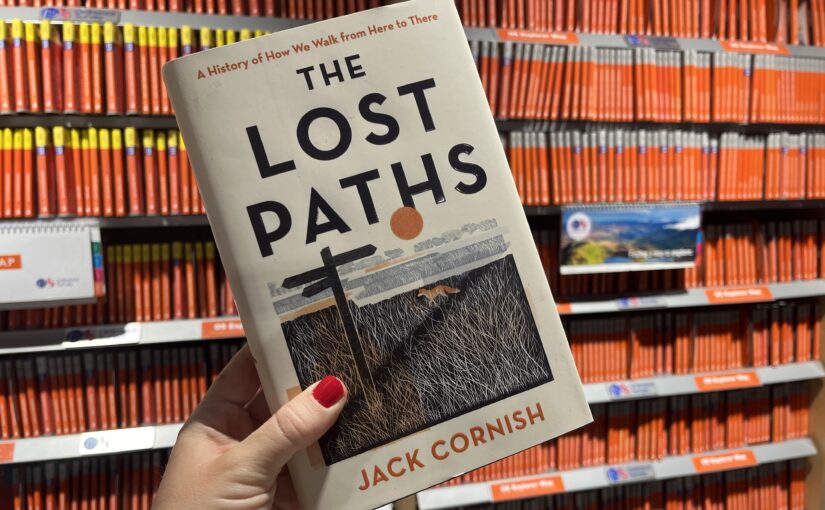
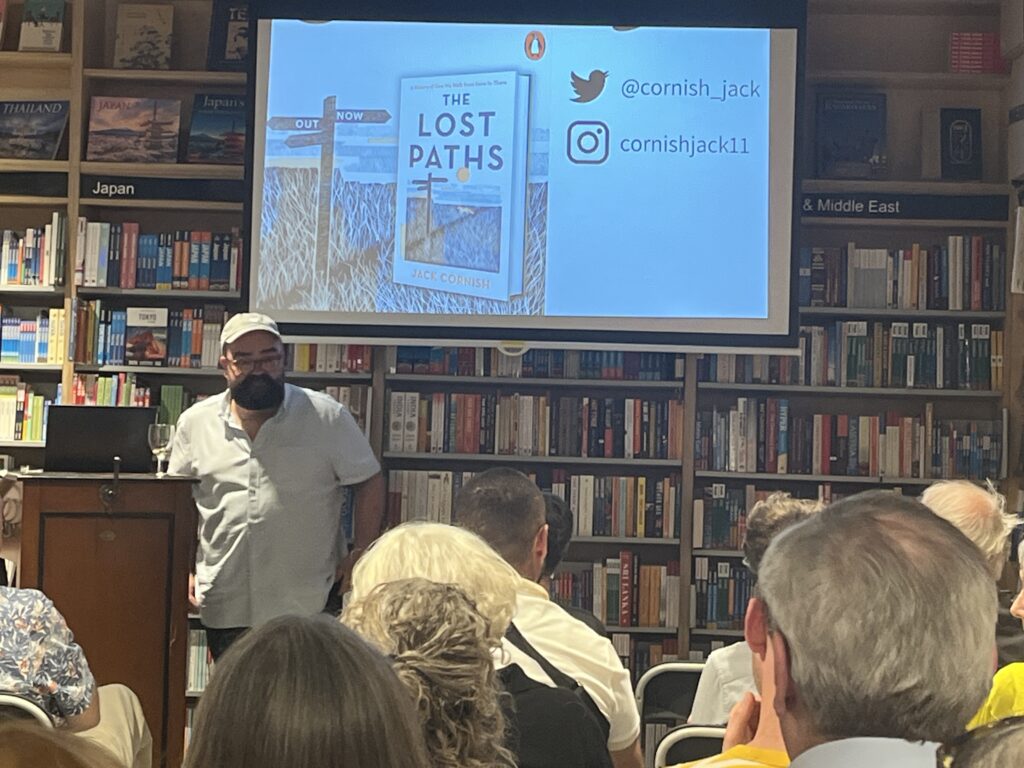
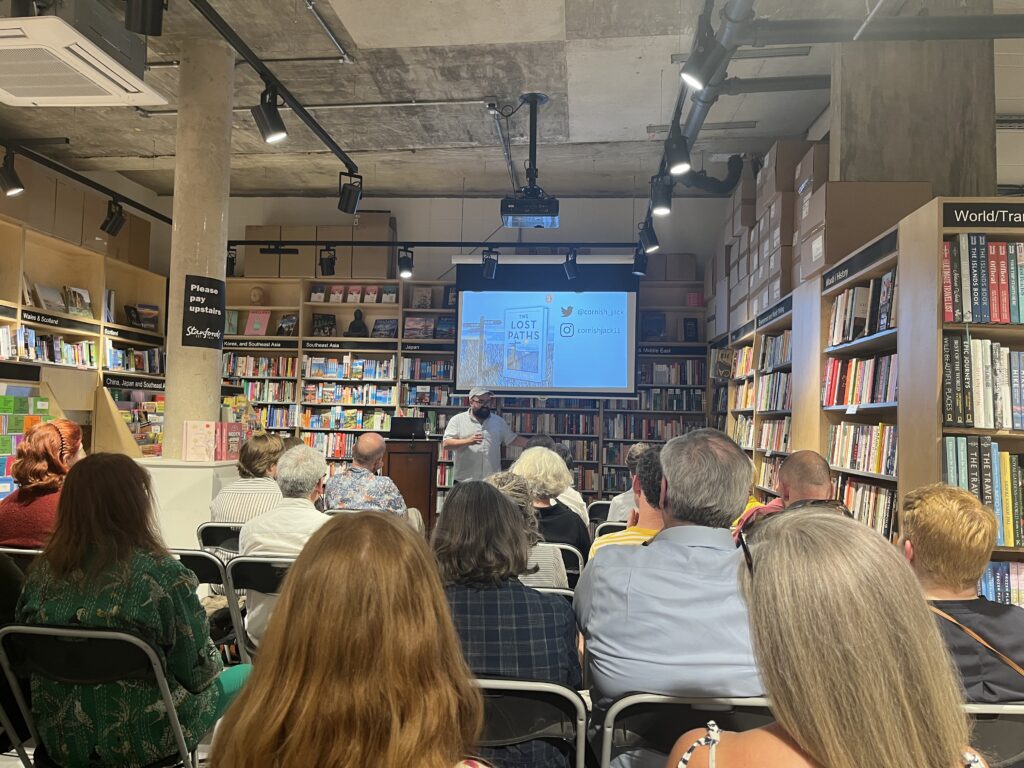
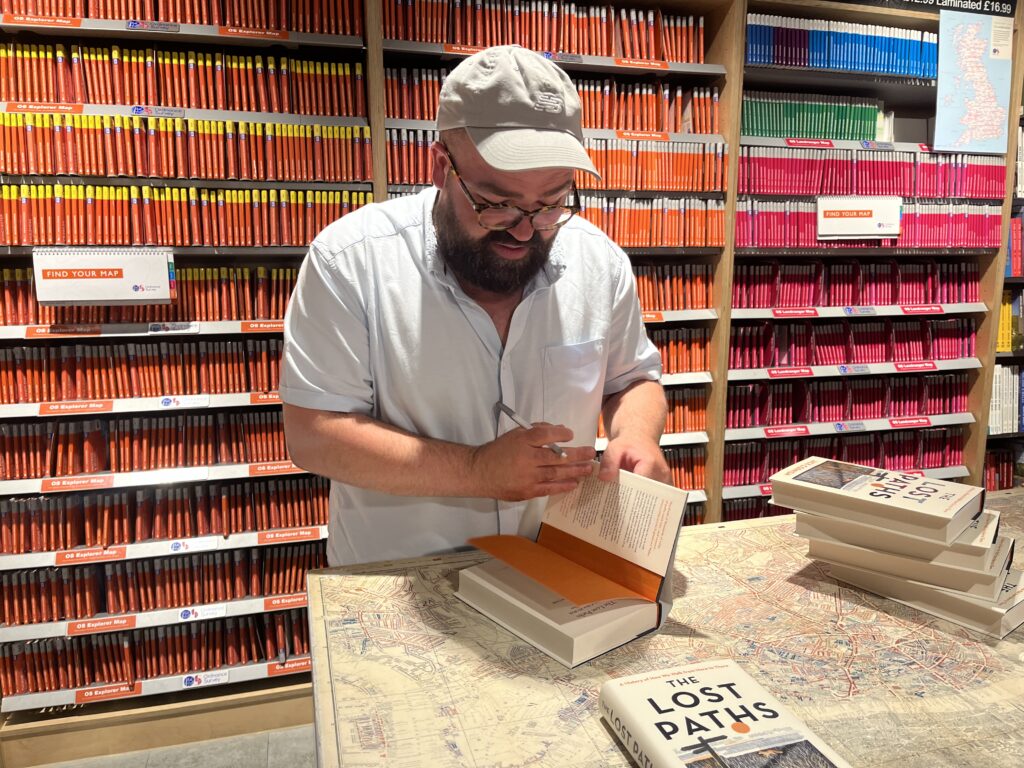
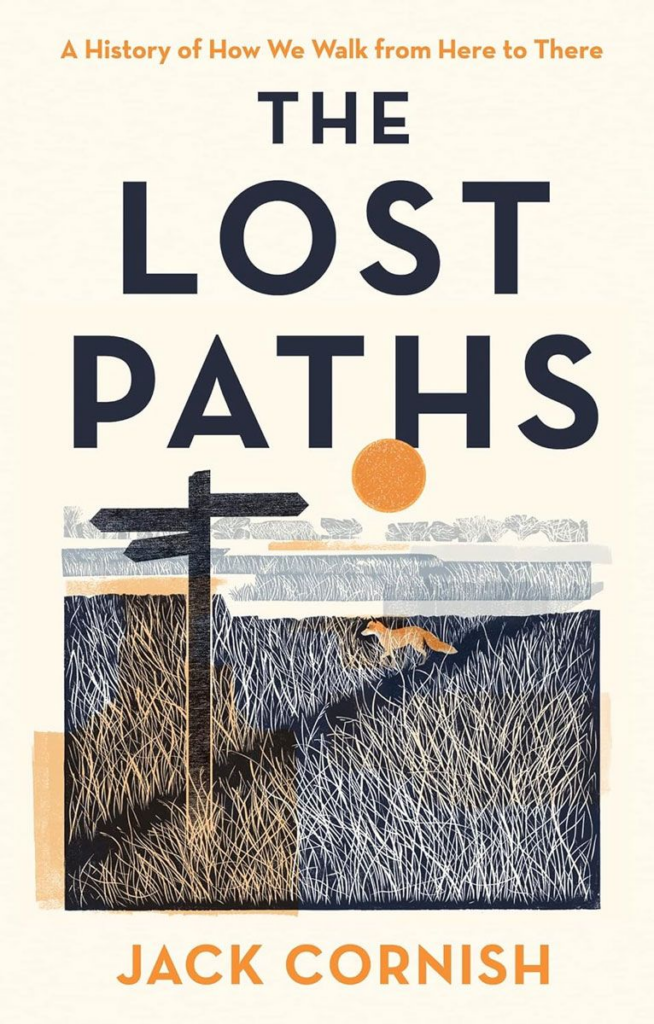
Last night we hosted an event with Jack Cornish and heard all about his new book Lost Paths.
Hundreds of thousands of miles of paths reach into, and connect, communities across England and Wales. By 2026, 10,000 miles of undiscovered footpaths around Britain stand to be lost. Jack Cornish has dedicated the last five years of his life to walking these forgotten routes, and this book, The Lost Paths, is the result. It is Jack Cornish’s hope that The Lost Paths will show just how special these forgotten rights of way are, and how embedded each path is in the history of Britain.
Footpaths, tracks, country lanes and urban streets illuminate how our ancestors interacted with and shaped their landscapes in the pursuit of commerce, salvation, escape, war, and leisure. Paths are an often-overlooked part of our everyday life and our country’s history, crucial to understanding the cultural and environmental history of us in the landscape.
After dedicating his time and energy to fighting for their survival, The Lost Paths is Jack’s personal journey and exploration of the deep history of English and Welsh footways. This narrative history takes us through ancient forests, exposed mountainsides, urban back streets and coastal vistas to reveal how this millennia-old network was created and has been transformed.
This is a celebration of an ancient network and a rallying cry to reclaim what has been lost and preserve it for future generations.
The Lost Paths is available now for £20. We have signed copies while stocks last.
“This is the story of drink maps, and it’s probably not what you think”
Last week we were joined by Kris Butler for a fascinating exploration of the history of alcohol in Victorian Britain via the ‘drink maps’ that were produced by the temperance movement to promote sobriety.
It’s not about pub crawls or plotted ale trails. Instead, these are maps with an agenda that was adamantly hostile to drinking alcohol, made by an organized faction known as the Temperance Movement. The logic at the time of the maps’ creation went as follows: if people are shown how many places there are to buy alcohol, they will be so appalled that they will join the effort to end drinking. In hindsight this logic is obviously flawed.’
Drink Maps in Victorian Britain explores how drink maps of cities were published to fight increasingly rampant alcohol consumption, from Liverpool,Manchester and Sheffield to Oxford, London, and Norwich.
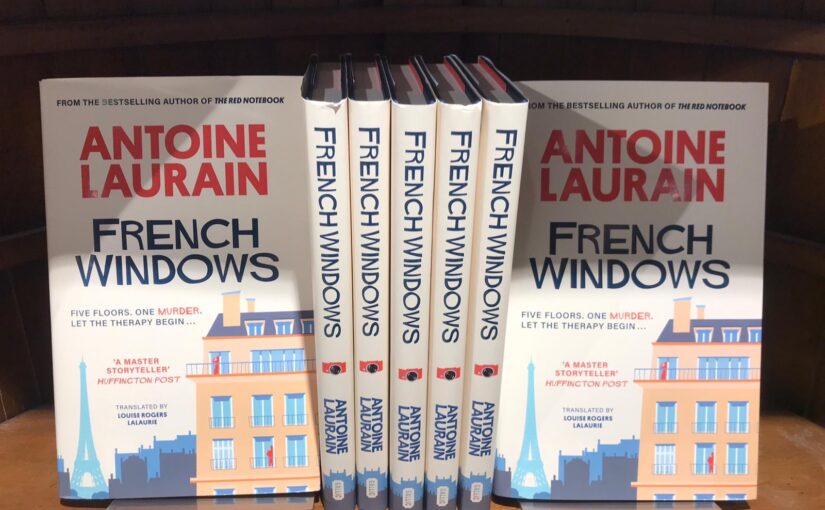
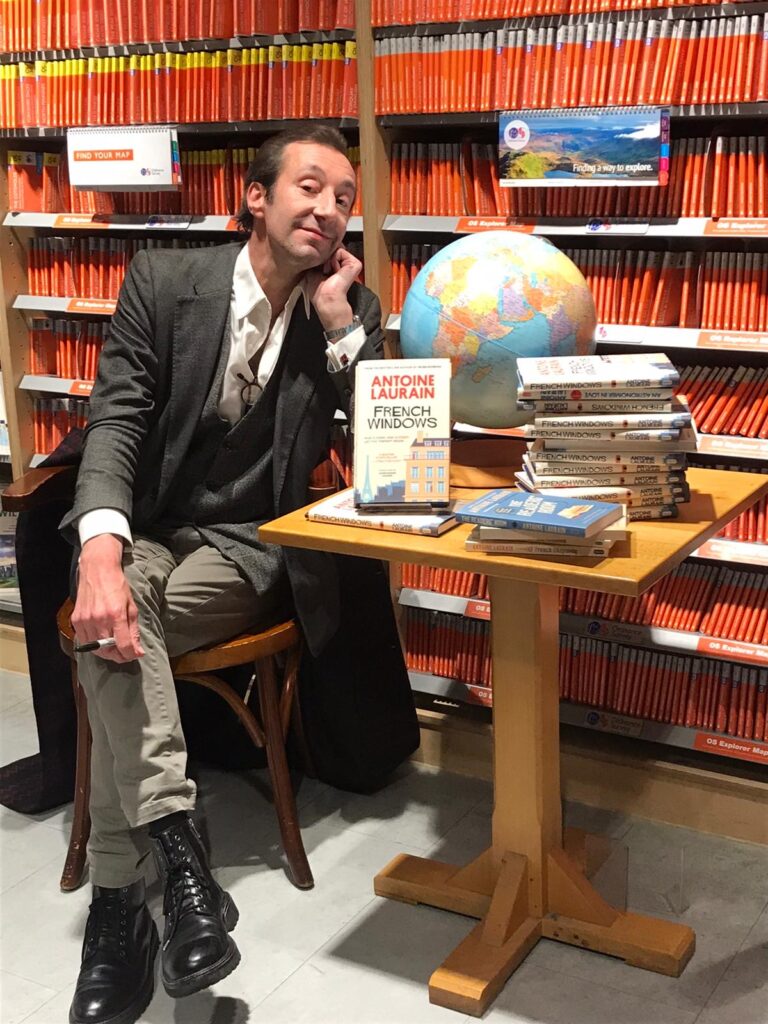
On Tuesday evening we hosted an evening of discussion, storytelling and murder mystery with award winning author Antoine Laurain as he spoke to Jake Kerridge about his superb new novel French Windows, a surprising and suspenseful murder mystery, reminiscent of Hitchcock with a Parisian heart.
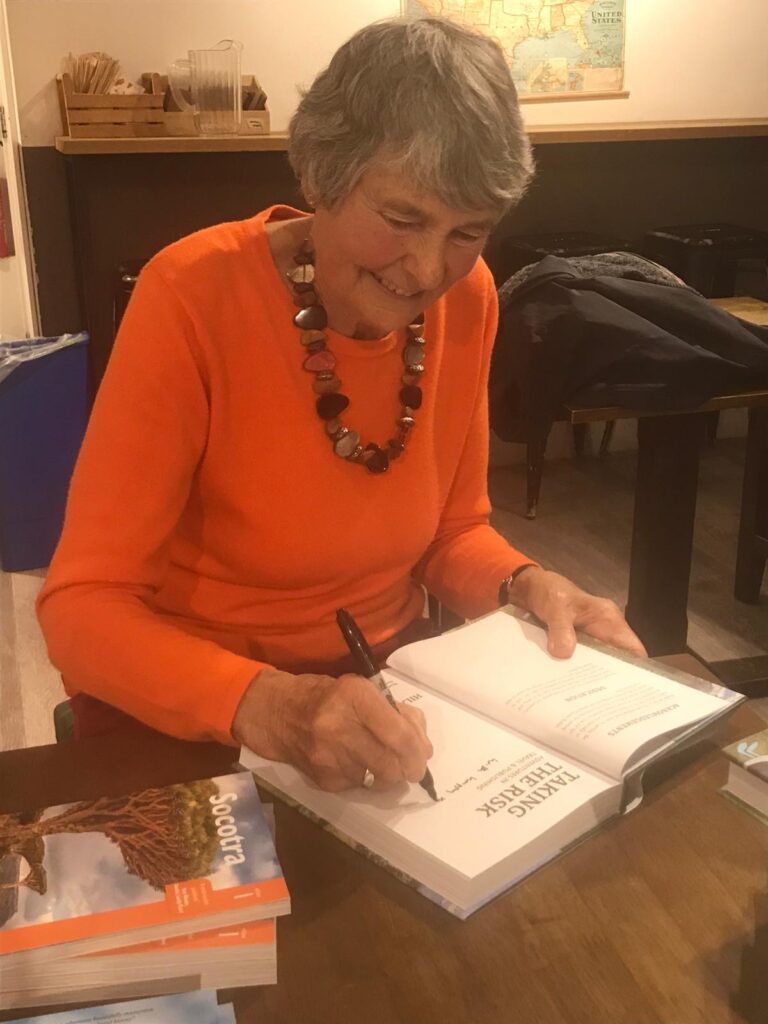
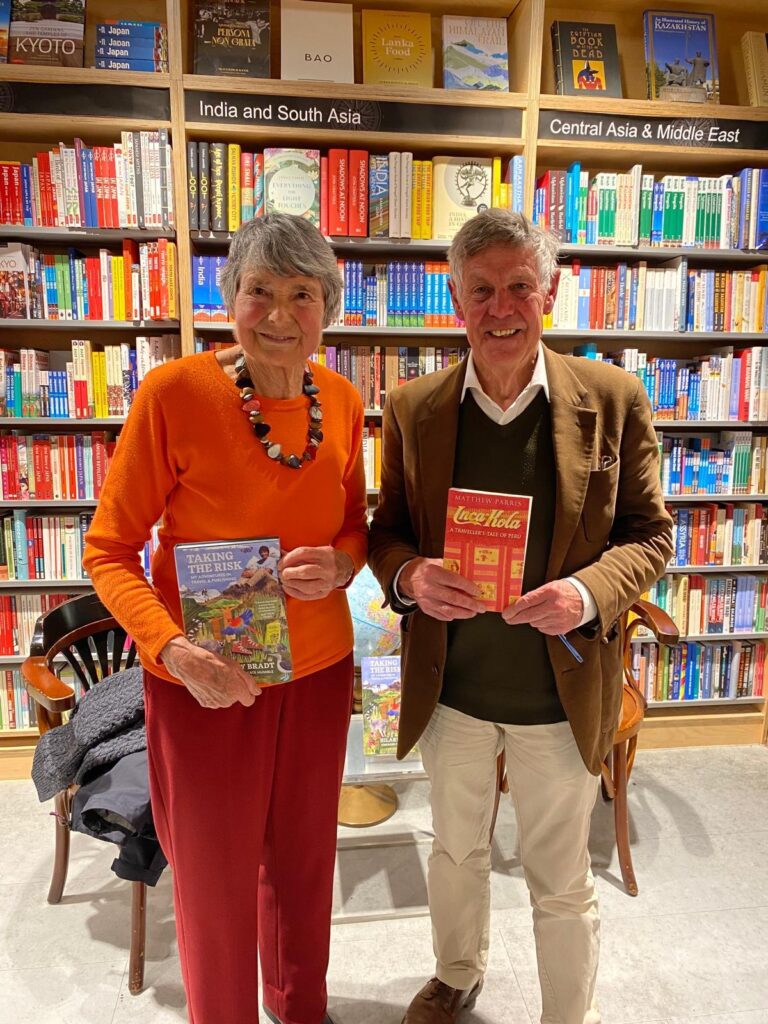
Published to commemorate the 80th anniversary of the military mission that changed World War II, this is Bradt’s new guidebook to visiting beaches, memorials, museums, battlefields and other sites associated with D-Day and the Battle of Normandy (Operation Overlord). A simple-to-follow, portable guide for independent travellers, it includes maps and driving instructions to help visitors go back in time to explore World War II history.
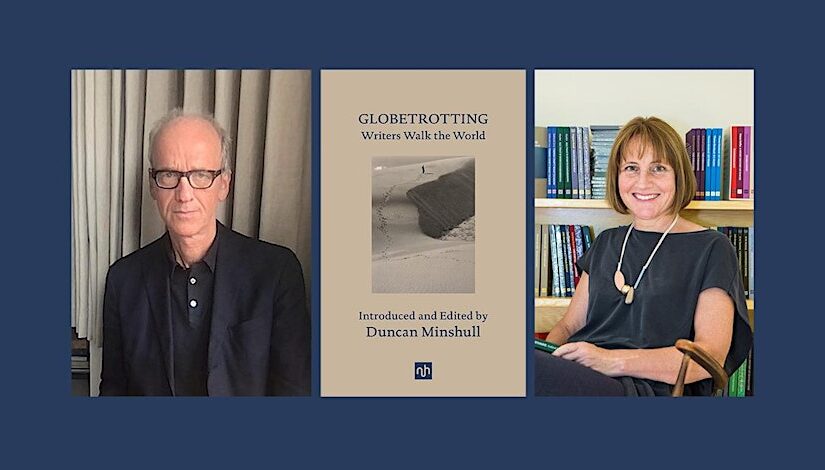
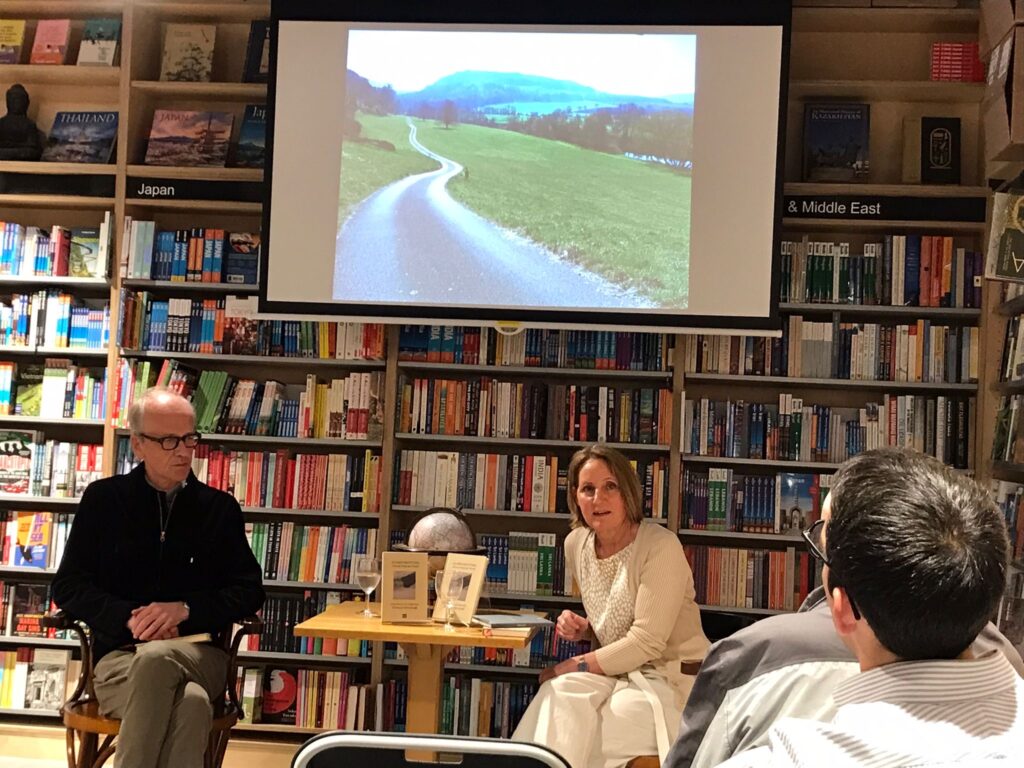
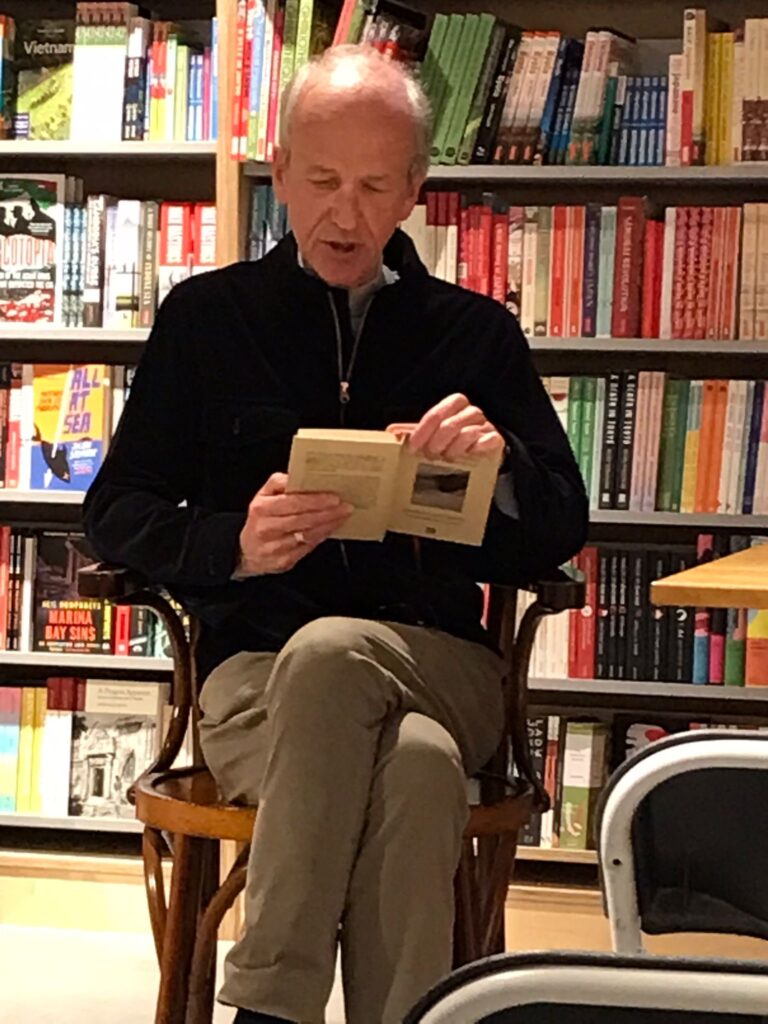
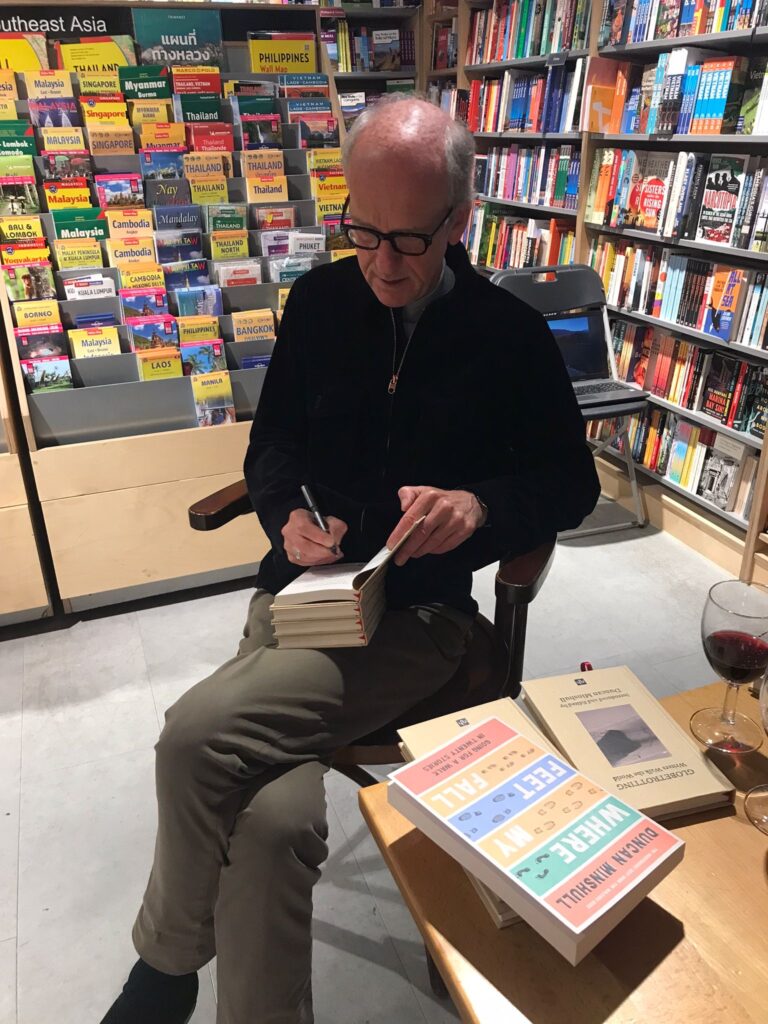
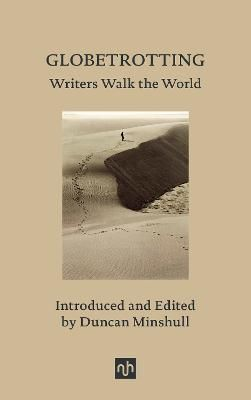
Duncan Minshull, former BBC producer, writer and anthologist, has used the words of the travel journalist Taylor as inspiration for his new collection, Globetrotting: Writers Walk The World, which he discussed last night at Stanfords with Kim Kremer, publisher of Notting Hill Editions.
In the collection we are able to follow in the footsteps of over fifty writers; ranging from Christopher Columbus, to Edith Wharton, to William Boyd. They traverse theseven continents in all sorts of climes and times, be it 1492 or the present day. But then, aren’t all walking types linked by one thing? The sensory desire to see, and alsohear, smell, and ultimately feel the places they move though. Yes, you might ask, is this why we all want to travel on foot? Talking about, and reading from Globetrotting, provides some excellent answers.
Duncan Minshull was a senior producer at BBC Radio for twenty five years, and now writes and publishes book about walking. He also takes people for ‘walk & talks’ around the UK. Globetrotting is the final book in a trilogy about travelling the world on foot.
Kim Kremer is MD of Notting Hill Editions. She joined the company in 2014, having worked originally in Children’s Publishing. She is a judge on the 2024 Nature Chronicles Prize, and enjoys getting out on foot whenever time allows.
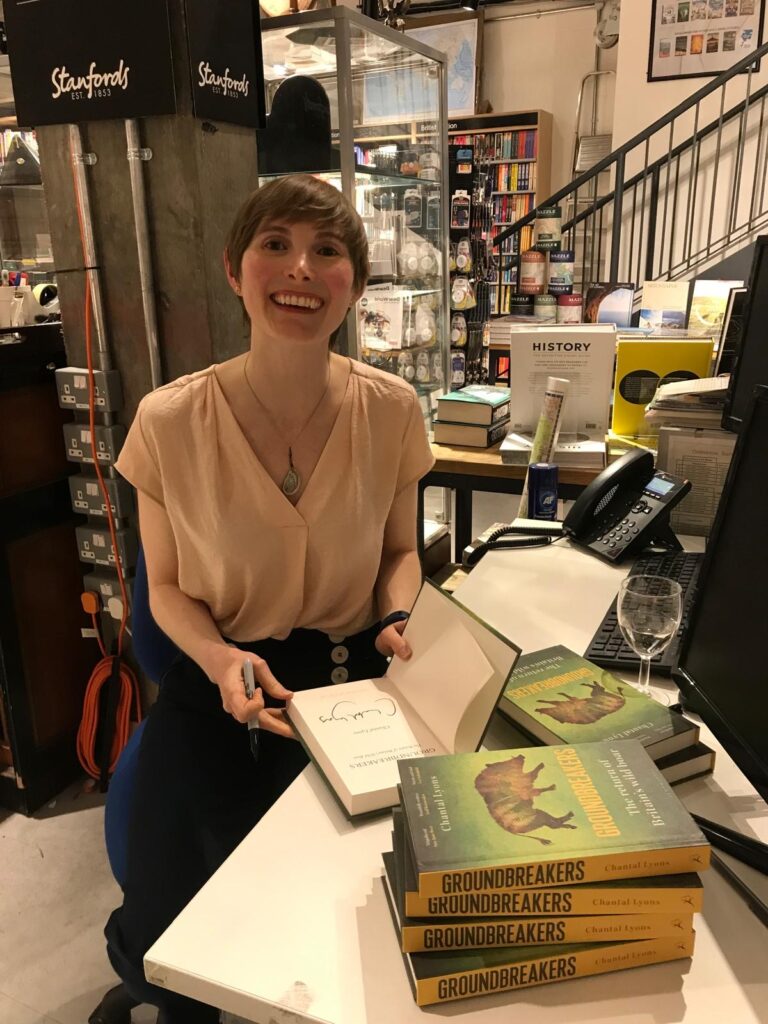
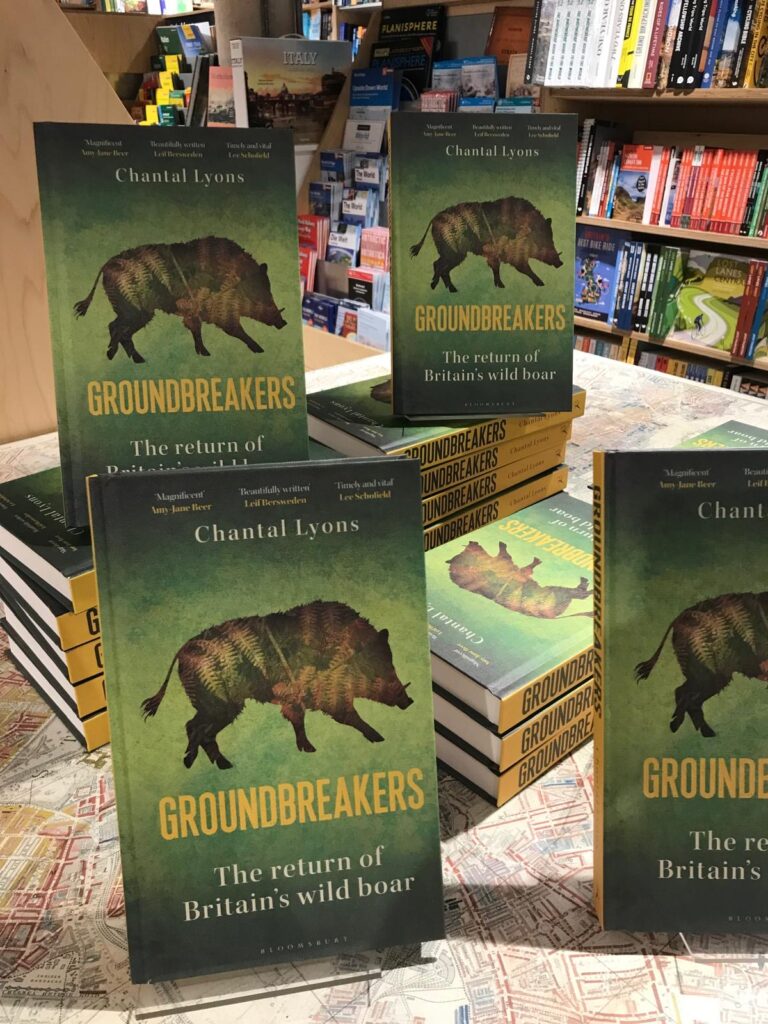
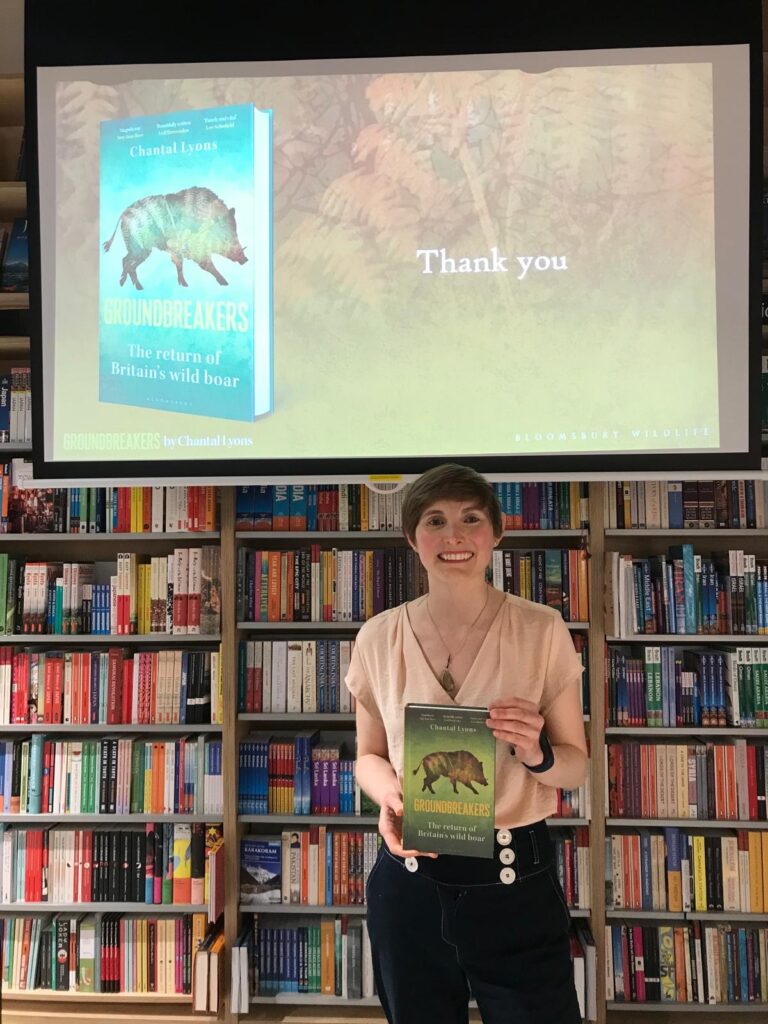
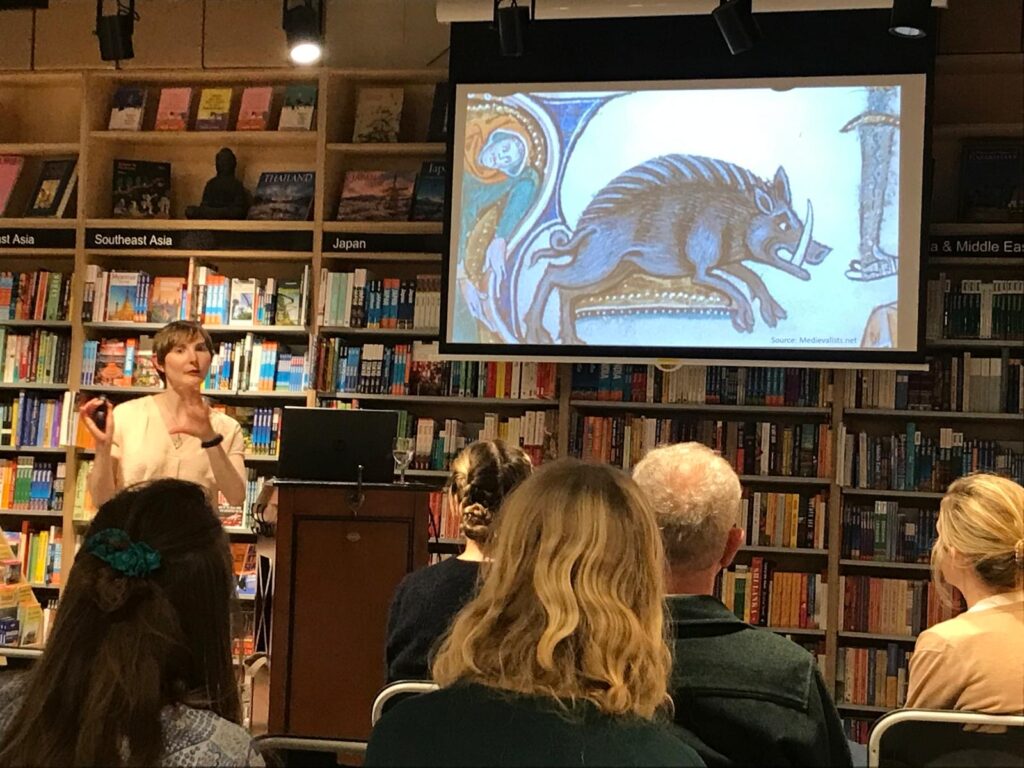
A big thank you to everyone who came to Chantal Lyons’ talk here last week. Her book Groundbreakers explores the reintroduction of wild boar back in Britain after centuries of absence and asks what does this mean for us – and them?
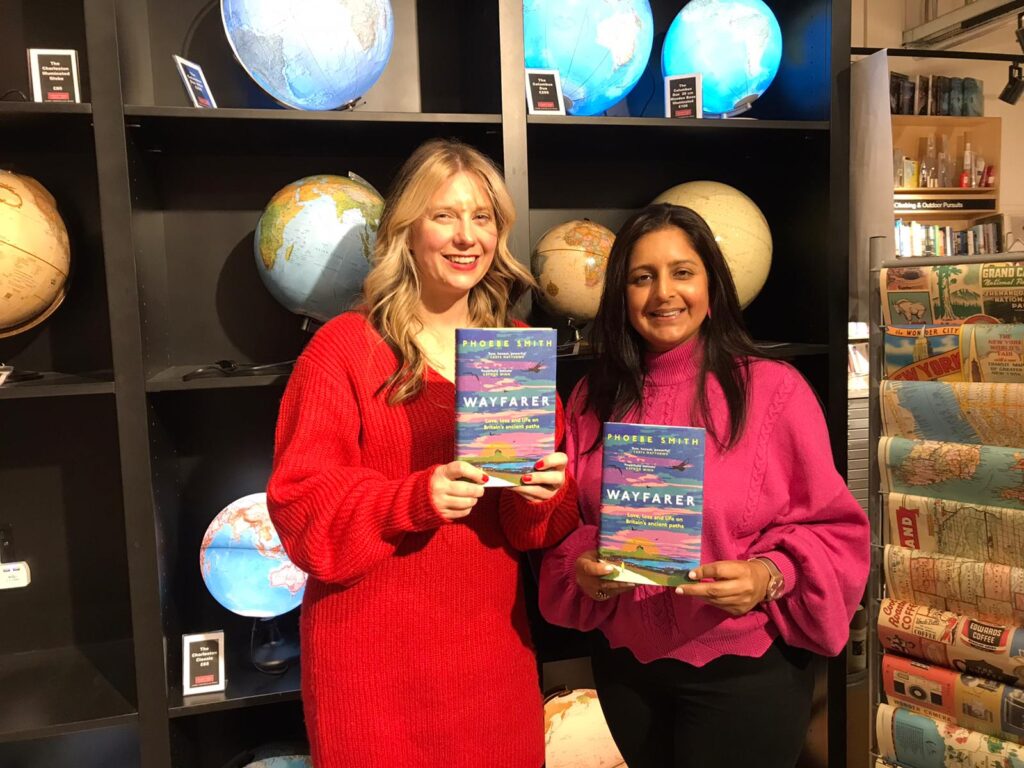
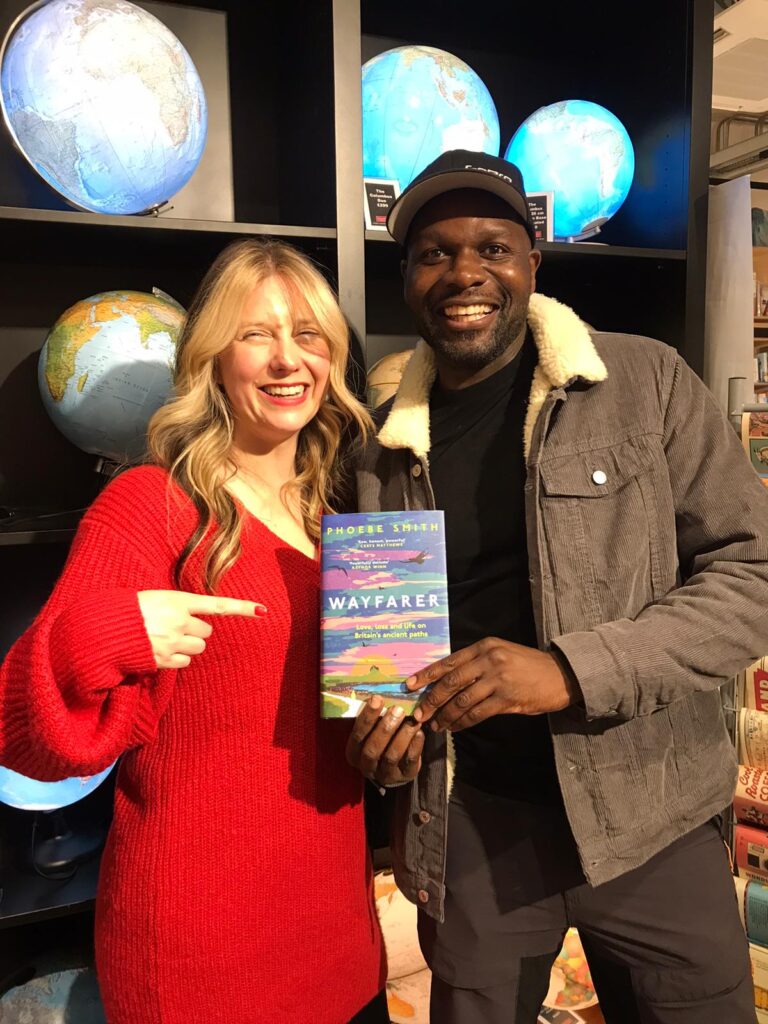
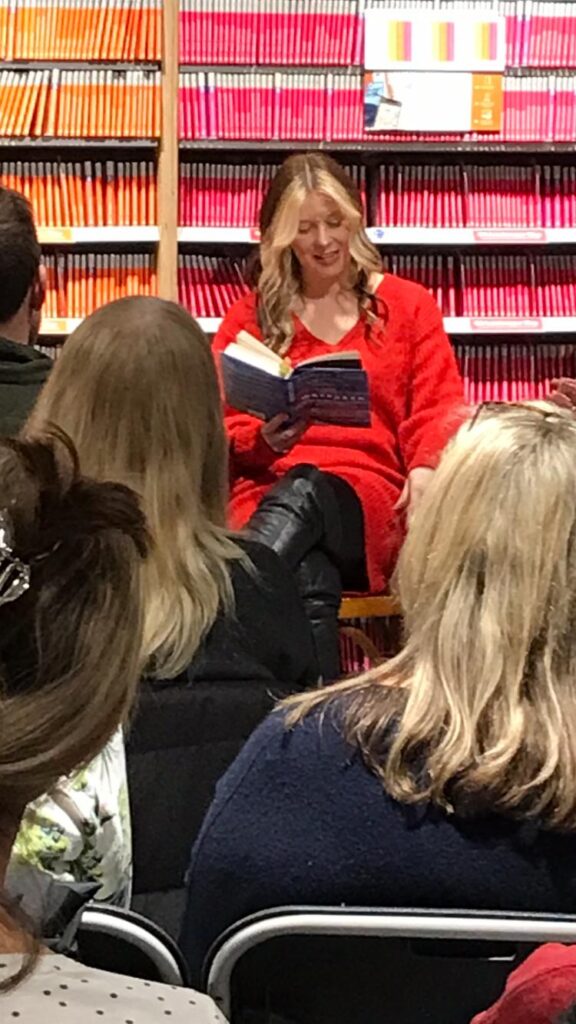
Last night we celebrated the launch of adventurer Phoebe Smith’s new book Wayfarer. Phoebe was interviewed by editor and travel writer Meera Dattani in front of a packed out audience.