 Poi-Yun Wan, who has taught English as a foreign language in South Korea and South America, reveals her top tips for overseas working holidays.
Machu Picchu, Iguazu Falls, the Amazon Rainforest… home to some of the most historical and breathtaking sights in the world, what’s not to like about South America?
Here you’ll find people from all walks of life taking gap years, studying or even working and volunteering. This method of working while on holiday is becoming a popular choice among visitors and is commonly known as ‘voluntourism’. For many (including myself), a working holiday really can be the icing on the cake to an overseas adventure.
Types of work
Unless you’re talking about certain professions such as medicine and nursing, volunteering doesn’t necessarily require individuals to have extensive experience and skills in the field they want to work in. Dedication and passion is usually more important when it comes to volunteering.
Some examples of voluntary work in South America include:
Teaching English
You don’t need to be a qualified teacher to teach English – you just need bags of patience, confidence, energy and a good sense of humour! Countries such as Bolivia and Peru welcome English teacher volunteers as many families can’t afford to pay for lessons.
Top tip: Schools don’t usually require you to plan lessons but do some homework and research lesson plans online beforehand, because chances are you’ll be faced with 20 to 30 kids per class.
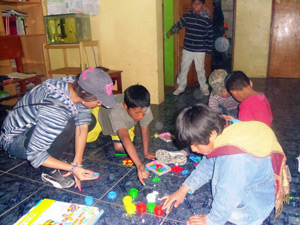 Working in an orphanage
Many orphanages allow volunteers to live and work with the children – you may be required to pay a small fee for your stay. You’ll be playing, eating meals, sharing chores and even reading bedtime stories with the kids and although this can be a rewarding experience, it can also be a demanding role, so be prepared to expect the unexpected!
Top tip: Bring plenty of ideas and games to entertain the children during your stay.
Building shelters
Volunteers can help to build shelter in areas where frequent landslides and heavy rainfall causes destruction to houses and schools. Projects require groups of volunteers to complete the task but the duration time can depend on each individual.
Top tip: Make sure you are physically fit to take part because heavy lifting may be required.
Other voluntary work
Volunteers can also choose to work in soup kitchens, gardening, farming and sea turtle projects among many others. Often, visitors may find they are spoiled for choice!
 To pay or not to pay?
From experience, it’s probably best to search for voluntary work when you get to your chosen destination. It may sound daunting to go with no solid plans but South America is a popular location among tourists, so you’re guaranteed to meet people who can point you in the right direction.
For those who prefer to work on a scheduled timetable, there are agencies that specialise in working holiday packages. The advantage of going through agencies is that everything can be organised for you, from a voluntary placement to a hotel room.
The downside of going through agencies is the fees; volunteers can find themselves out of pocket if they’re not careful. Take time to shop around for the best deals and search reviews on agencies before you book anything.
Good to know
As the vast majority of South Americans speak Spanish, it’s ideal to learn some local lingo before you volunteer. The locals always appreciate visitors making an effort to learn their language.
Although South America is a popular destination for holidaymakers, crime rates are still a problem in certain areas, so be extra vigilant of your belongings and don’t attract too much attention by wearing jewellery and other flashy items.
For more information on living and working abroad, check out the following publications:


 The 5.5-mile stretch of coast path between Looe and Polperro is one of Cornwall’s best-loved. Starting at the western end of Looe’s seafront, the route takes in Portnadler Bay’s National Trust-protected beach, the dramatic headland before Talland Bay and the picture-postcard views of Polperro.
 If ever there was a city that needed little introduction, it’s New York. The Big Apple’s attractions have been immortalised in literature, film and song – but while sights like the Empire State Building and Brooklyn Bridge remain timeless, NYC is constantly evolving into something more innovative and exciting.
 Everyone I know who has been to