Matt and Sharon Ward are now in Ho Chi Minh, Vietnam. Here’s what they had to say about their stay in the area from a his and hers perspective…
Another 7-hour bus journey took us safely across the border into Vietnam. After jumping off the bus a few times at border control, we successfully departed Cambodia and headed in the direction of Ho Chi Minh City (formally Saigon). Our accommodation, Phan Lan 2 Hotel, was situated directly across from our bus drop off point, which was a friendly family run guesthouse.
His Guide:
 Our first point of call after dumping our luggage in our small, but clean room, was to visit JJ’s Brazilian BBQ Restaurant for some much needed food. As we sat outside enjoying dinner and a few beers, our conversation was often drowned out by the sound of motorbikes zooming past, which was a sign of things to come. We then took a stroll up and down the main shopping street and checked out the Ben Thanh Market. We spent most of our time trying to dodge motorbikes at junction crossings, and also those cyclists who couldn’t be bothered waiting at the lights and decided that the pavement was a more viable option. This was the perfect time to turn in for the night.
After a lie in we set off to explore the sites of the city. Our first port of call was the War Remnants Museum, which was a 15-minute walk from our hotel and 15,000VND each to enter, roughly 50 pence. The grounds of the museum were decked out with old fighter jets, tanks, helicopters and boats. Inside we found three floors of war memorabilia, which included photographs, news clippings, uniforms, weapons and stories from all those affected. Halfway through our visit a bell rang out, the next minute all the lights went out and everyone made their way outside.I asked a member of staff what was going on she informed me that they close between 12:00 – 13:30 for lunch. We walked a couple of blocks to The Independence Palace, which cost 30,000VND each and were led on a very interesting tour of the entire building and told the history of each room within in the six-floors of the palace. After the tour and a few photos of the fighter jets parked in the driveway we headed back to finish off our war museum tour. We both struggled a bit with the photos and stories of the ‘Agent Orange’ causalities. As per our previous tours, I couldn’t understand how and why people could be so heartless. Having spent a lot of time in Australia, I was interested to read that many babies born in Oz around the 1970’s, to parents who had fought in the Vietnam War, were born with deformities caused due to ‘Agent Orange’.
 That night we popped into BBQ Square for dinner and drinks and caught some of the English Premiership football. It was worth the price of the meal alone to watch Sharon slowly and stubbornly make her way through a chicken fried rice dish with chopsticks. After dinner we headed to the night market to see what bargains we could pickup. I made some new friends at one of the stalls, a mother and daughter combo. Within a few minutes, I was sitting on a stool in their tent and trying to drum up some custom for them, as the daughter tried to locate me a ‘Good Morning Vietnam’ vest. I love a bargain and ended up purchasing 3 vests for a total of £10, before heading home for the night a happy man.
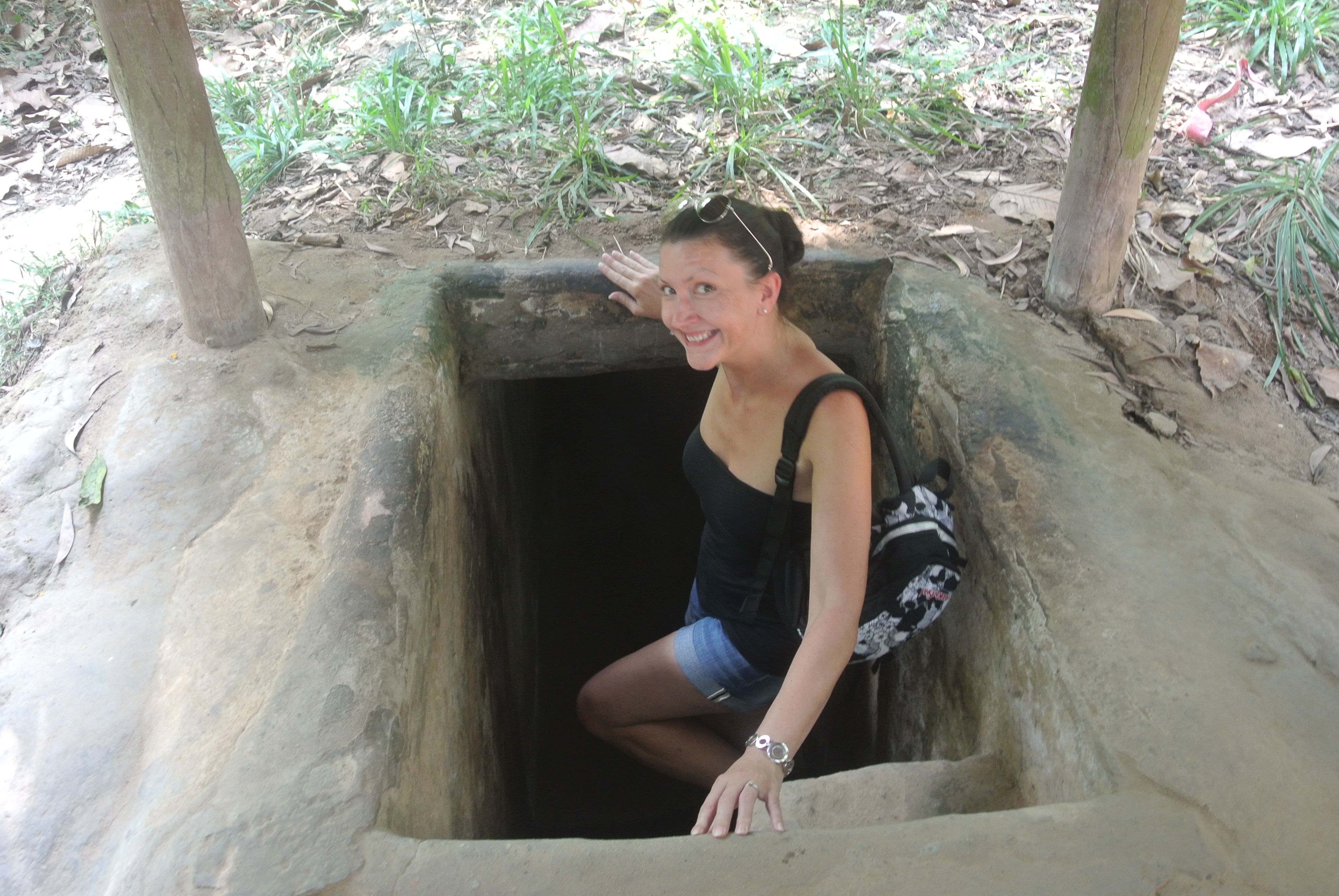
The following morning we were collected from our hotel for our visit to the Cu Chi Tunnels. Our guide for the half-day tour called himself Joe. After telling a few jokes, he gave us a bit of history on the Cu Chi Tunnels and told us his own story of how he was affected by the Vietnam War. His mother had sadly died while trying to save him from a fire due to bombing. He went on to say that he’d had many American tourists on his tour bus, and when they asked him if he could forgive and forget, he replied that he could forgive, but would never ever forget. I’m not so sure that I could forgive if it was my family affected. The bus was 105,000VND and the tour was 90,000VND each. I was shocked by how narrow the tunnels were, and apparently these have been expanded to allow tourists to crawl along them. Joe informed us that the Viet-Cong lived, hid and operated along these tunnels for years. One American tourist tried to get into one of the first tunnels, but could only manage to get his legs in. I found the tunnels to be a bit too hot and narrow for me to get along them, but Sharon managed fine.
Overall I really enjoyed the tours that we took in Ho Chi Minh City, but I was totally fed-up with the traffic and noise by the end of our stay. I was also very impressed by the imagination and initiative used by the Vietnamese with regards to their weapons, traps and survival strategies during the war. I wouldn’t rush back here, but would recommend the sight seeing attractions to anyone who is thinking of going.
Her Guide:
We found the Phan Lan 2 Hotel located up a back street off main road. Our room was small but very clean and included everything we needed. We were both starving so made our way downstairs and back onto the main road where we sat down at the first restaurant we found, JJ’s Brazilian BBQ restaurant.
 The following morning I went for breakfast alone. It consisted of omelette, a baguette, pineapple juice and Vietnamese coffee (made with condensed milk). All of which I thoroughly enjoyed, so much so, I was almost tempted to ask for Matt’s breakfast. I refrained and instead we both went out to explore the sights of Saigon. Our first stop was the War Remnants Museum. The grounds of the museum are filled with US military aircraft, tanks, etc. Ready to take our first photos in Vietnam, we quickly discovered that our camera battery was empty. We made our way straight into the museum and worked our way round the top floor. Just as we are getting into the details about the war, a bell sounds, the lights going off and we are all ushered out of the building. It’s 12pm and the museum is now closed for lunch. We therefore decided to try our luck at the Reunification Palace round the corner. On our way to the palace, we were stopped by a man carrying coconuts. Before either of us were able to utter a word, the seller had his coconut stand on Matt’s shoulder, and two coconuts opened and in my hand. We paid the £1 for them and carried on down the road laughing at what had just happened, and both agreeing coconut milk is not really to our tastes. The Reunification Palace cost us 30,000VND each, which was less than a pound. We were given our own tour guide and taken round each of the rooms in the palace while given a commentary describing the reasons for its development and how it came under attack during the war. The tour lasted about an hour and we then made our way back to the war museum where our 10,000VND ticket allowed us to re-access. By the end of reading everything about the war, we were both horrified at how something so devastating could have gone on as long as it did.
We made our way back to JJ’s and had a couple of drinks before having dinner at BBQ Square, a restaurant further down the road. I ordered chicken fried rice and Matt had noodles. I was only given chopsticks and refused to ask for a fork. It took me almost an hour to eat half the bowl until I eventually got bored with it. We made our way to the Central Market, zigzagging through the traffic and jumping out of the way of motorbikes. There was a night-market on an Matt decided he wanted an olive green ‘Good Morning Vietnam’ vest. We worked our way through half a dozen stalls before we found one who said she had his size. What appeared to be a mother and daughter double act started heaving out bags of vests until they found his size. Clearly taken by their charm, Matt began asking for more vests. We enjoyed haggling until he had 3 vests for about £10. In need of trousers the double act started trying to find a pair for me. Now bearing in mind the Vietnamese are about 5ft nothing, and although I’m no giant and 5’6″ there is not a hope I’m getting a pair to fit. However, god loves a trier and these ladies were sure that they looked fine on me. I managed to persuade them otherwise and we headed back for the evening a few hundred thousand dong lighter.
The following day we were picked up at 9am for the Cu Chi tunnels. We arrived an hour and a half later at the site of the Cu Chi tunnels, where we made our way to the first tunnel. It is still the original size and Joe explains how the Viet-Cong lived and hid in these tunnels for many years. We continued around the site where we were shown the booby traps used during the war and were given the chance to go down a hole, which had been doubled in size for tourists. We were also given the opportunity to spend money at the shooting range. The gunfire and sound of artillery added some authenticity to the experience, but wasn’t worth spending money on.
The Cu Chi tunnels were a really good experience and overall I enjoyed my time in Ho Chi Minh City, but the traffic can be unbearable. I liked the fact that you can walk around the city, with most of the main tourist attractions being accessible by foot.
 All of these are FREE:
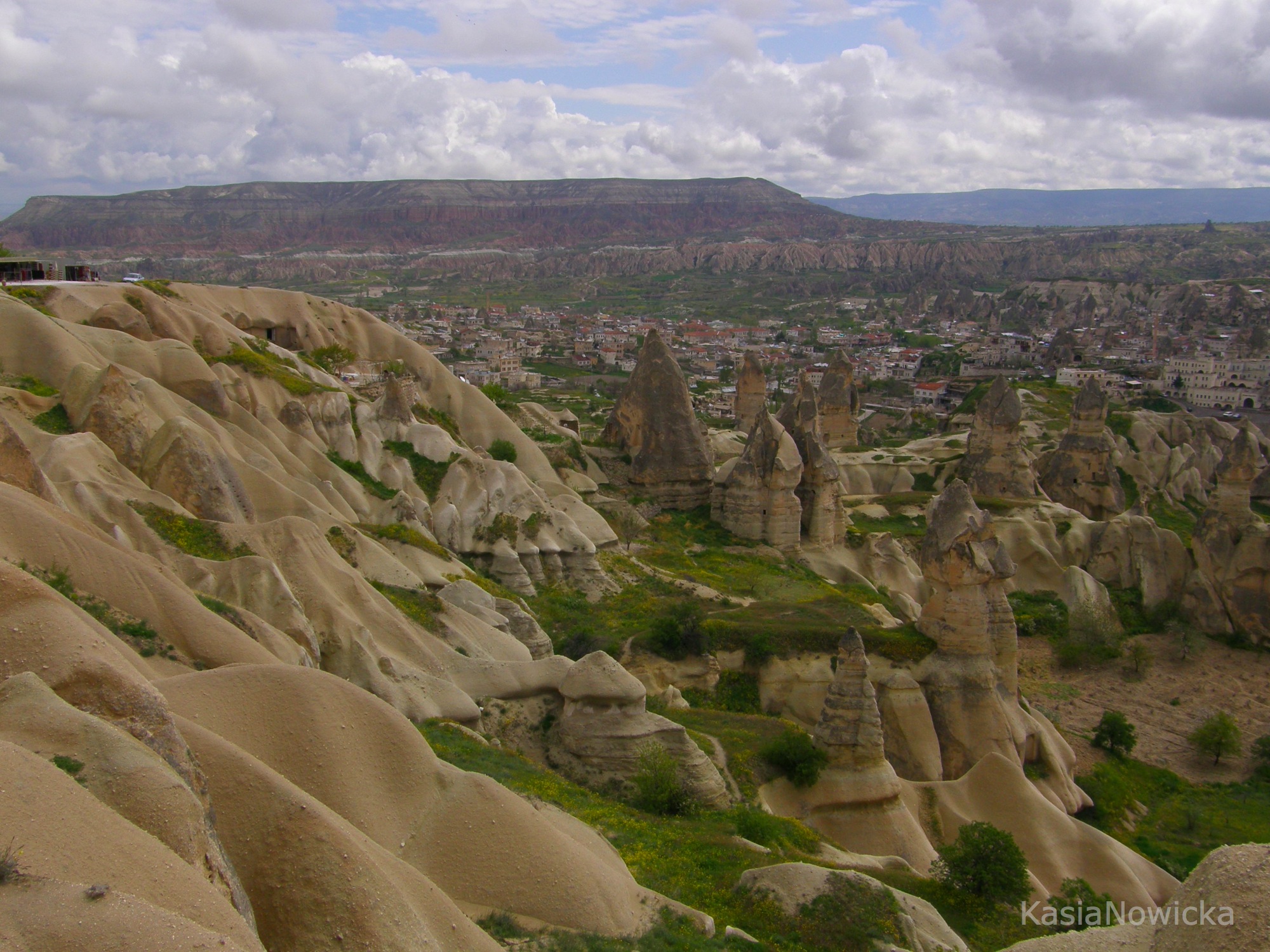
 Enough about the journey, after eleven hours drive we arrived early on a chilly and damp morning at Goreme, longing for a hot breakfast and a stretch on a bed. Our host – an absolutely lovely, sincere and genuine elderly man who runs his family business with a little help of his hot-air-ballon-business-occupied son and his stunningly gorgeous daughter-in-law. It was a simple establishment but extremely welcoming. Emre, the host, after asking what we would like for breakfast, got on his motorbike to get fresh ingredients for menemen – a type of omelet with garlic, hot green peppers and tomatoes baked in a clay pot. That was served with soft and fragrant Turkish bread and a glass of instant coffee. I must admit that was the best breakfast of my life.
 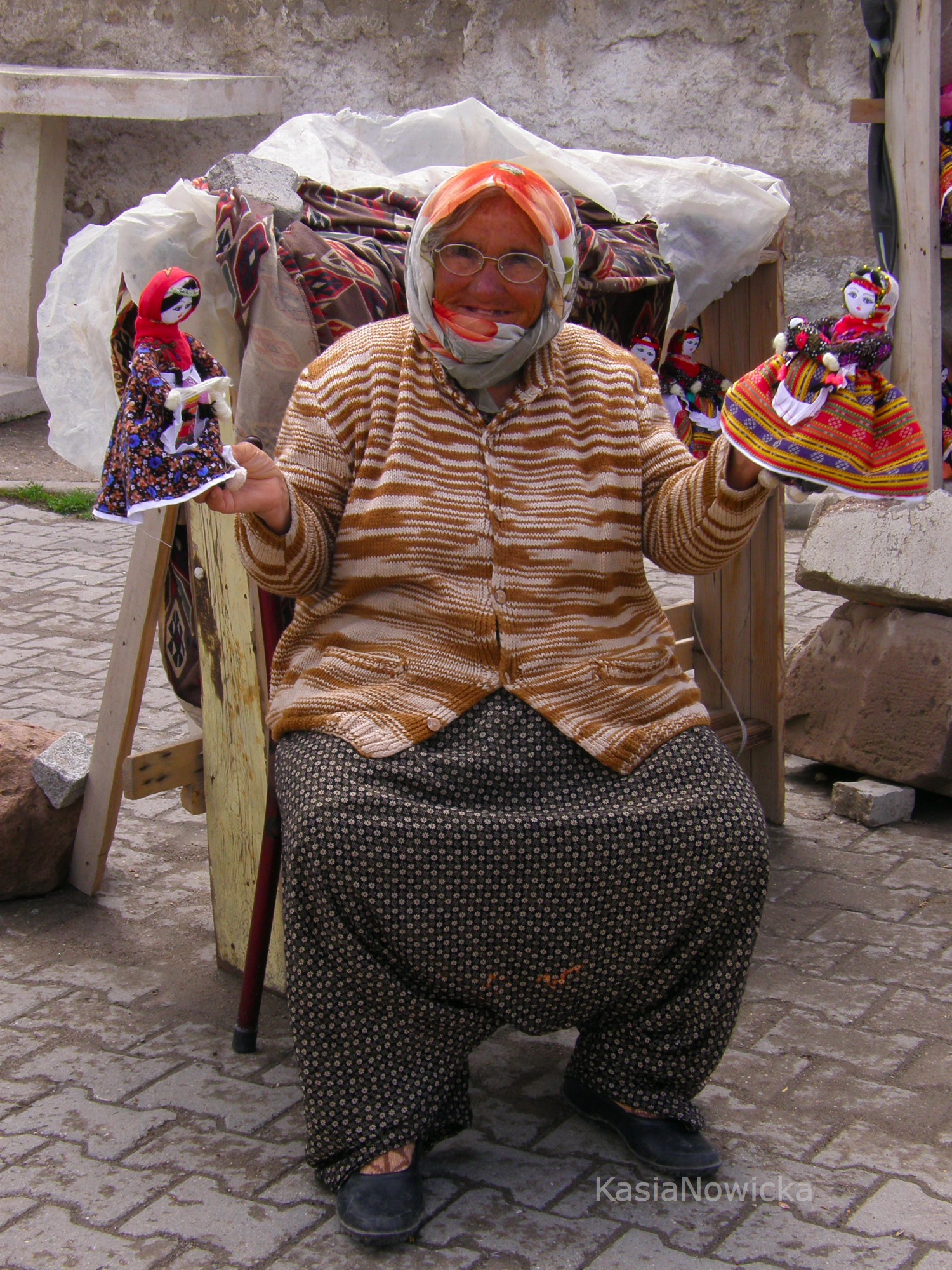 Before we managed to get to the open air museum, a monastery with cave churches, we couldn’t resist but pop into a cave cafe. It was a rainy and chilly day and we were definitely in need of tea and something sugary. My choice was Kemal Pasha (not to be confused with Mustafa Kemal Pasha) – a dessert that tastes heavenly. A few baked balls of dough soaked in sugary syrup washed down with Turkish tea drank from an ever so delicate tulip-shaped glass improved my mood no end. I was ready to face the enemy – the unpleasant weather in the open air museum. The museum was great, but the tastes, views and smells of that day will stay with me longer.
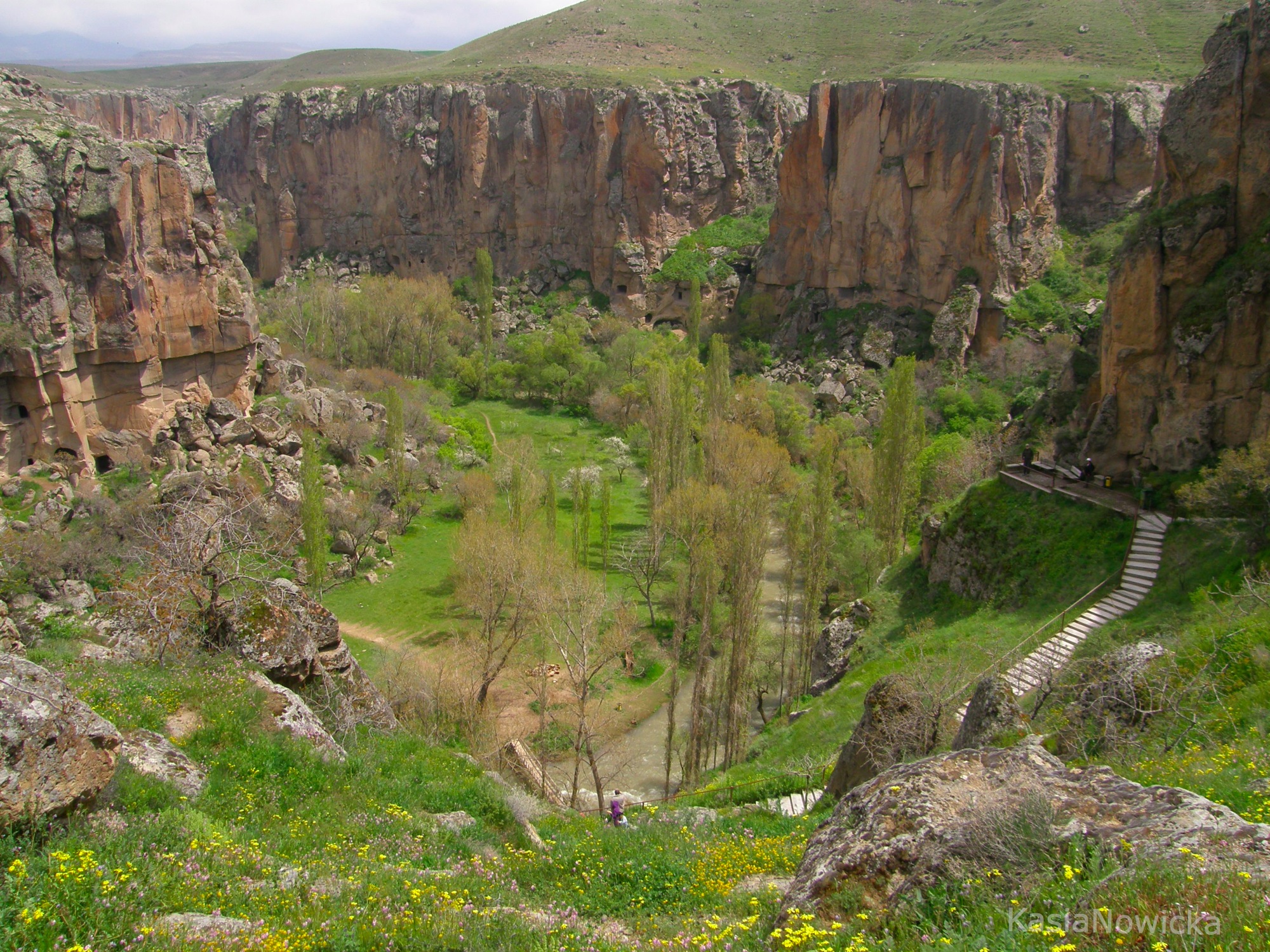
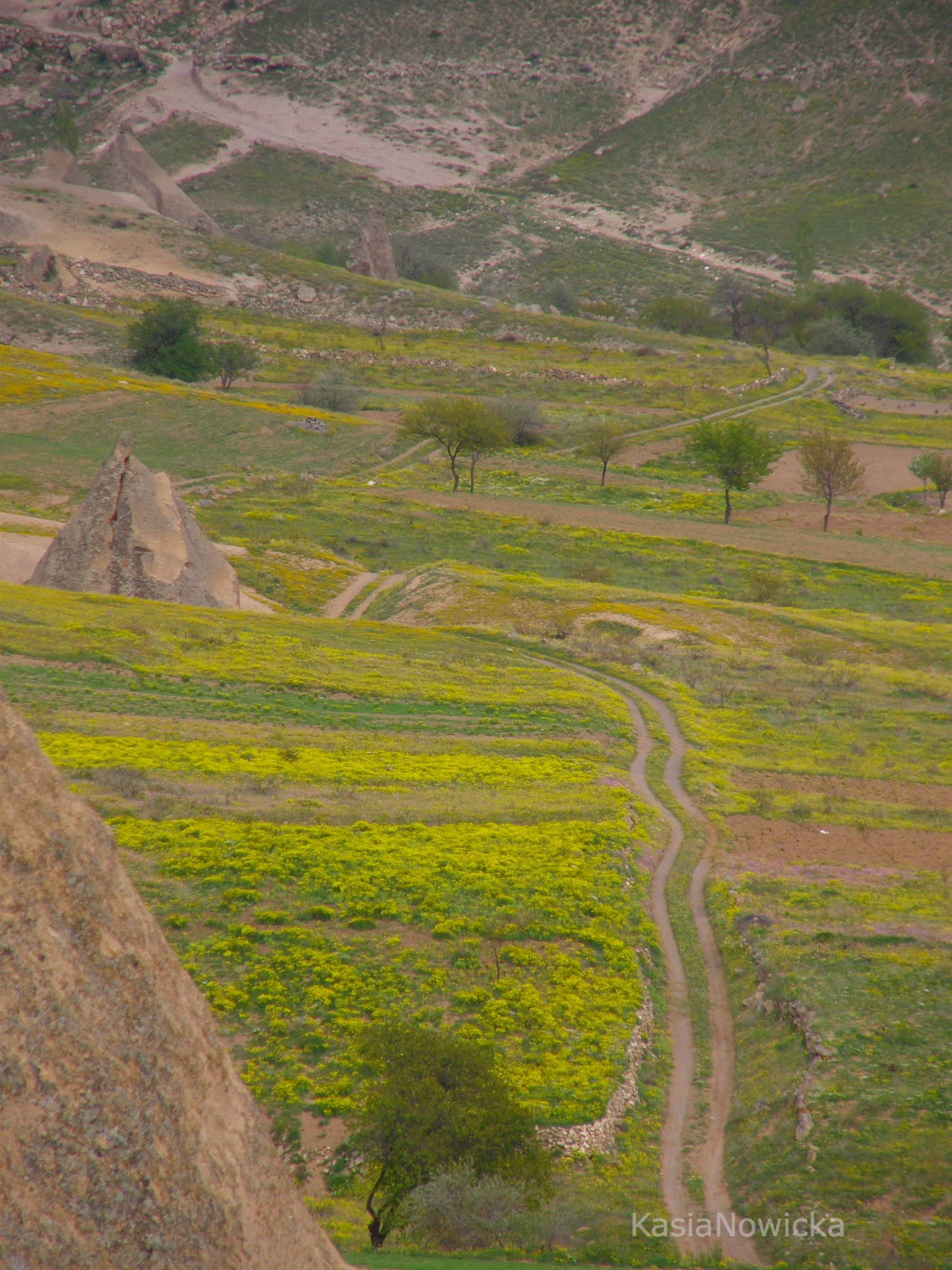 The rest of the day was glorious; weather and sightseeing wise. Ihlara valley was next on the itinerary and it struck us with its beauty. It is the most well known out of Cappadocia valleys, and no wonder. Greeting the two playful donkeys on our trek we reconnected with nature. Another valley we had a chance to look at from above was the Pigeon Valley dotted with man-made caves. It was the highlight of the day for me, especially when our guide explained the controversy over the use of the caves. They have been used by people for centuries, but now UNESCO claims that people should stay away from them as they are pigeons’ habitat. And then I saw melancholy in the guide’s eyes. They were looking glazed over at the fatherland; the voice expressed injustice while uttering the words: “…as if people were not important”.
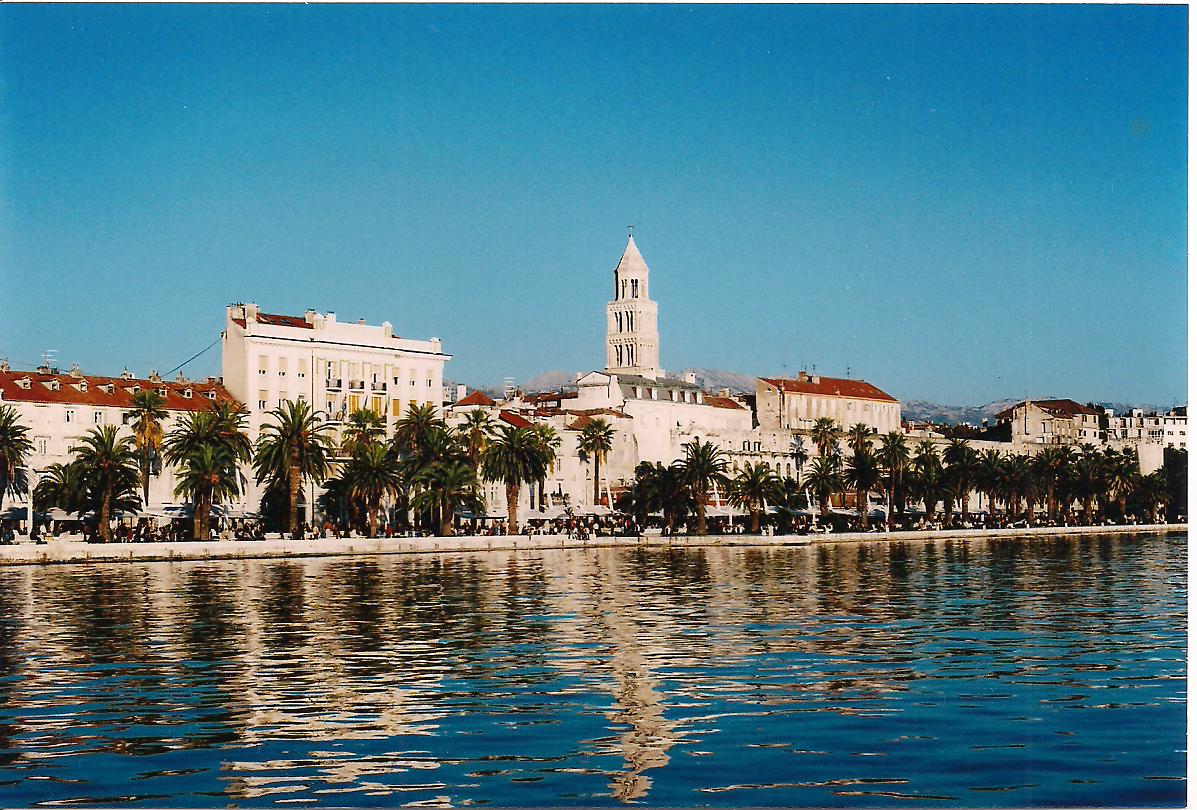
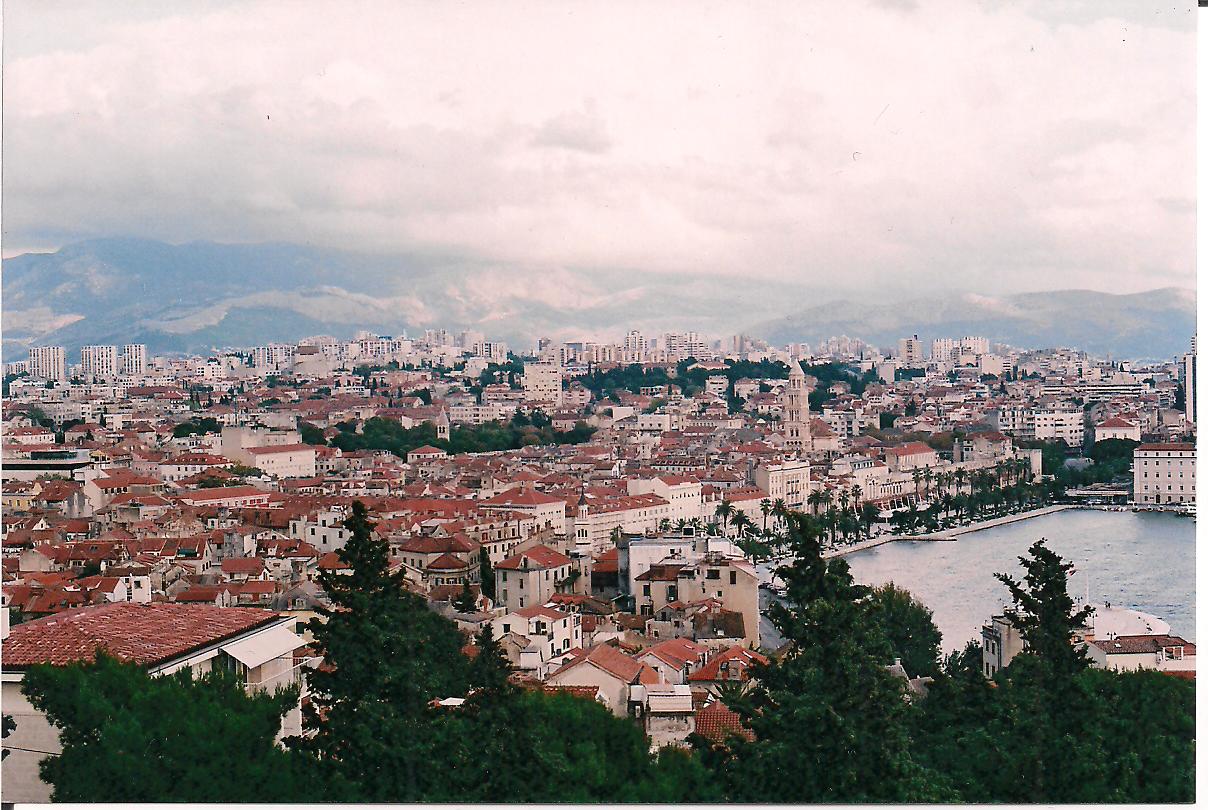 The minute I got off the bus at the bus-cum-train station I was once again accosted by people offering accommodation. I negotiated a room with a man who agreed to wait while I sorted out a train ticket for a sleeper to Zagreb for the following night. The man assured me that the room he was offering me was only a 15-20 minute walk from the station, and indeed it was, in a Tito-era block, in his mother’s tiny flat. He rattled off various things I might find useful and then left again. His mother, probably in her late 60s and with no apparent English, insisted on sitting me down with a slice of her apple strudel; no hardship on my part – it was delicious.