In the second part of her blog series on volunteering in India, Isobel Wilson Cleary talk of her first impressions as she settles in and adjusts to local culture.
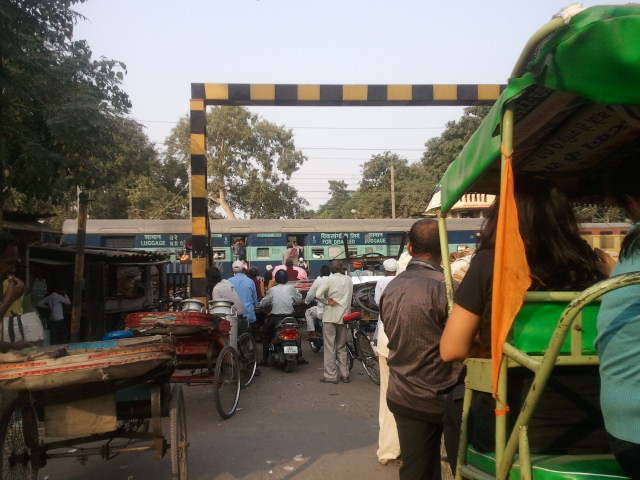
After a couple of months in Pune I’d settled into some semblance of a routine, which despite what the guidebook says is anywhere between 3 and 5 hours away from Mumbai depending on traffic, day of the week and how the driver of your vehicle is feeling. The oddest experience for me was the utter lack of culture shock which everyone always talks about. I had a disquieting sense of comfort that I’d been here for months already; It’s easy to feel like you’ve lived a lot in only a short day but therein lies India’s charm (and the reason why it’s taken me so long to update you all on my time there!)…
Both a recognised time zone and a way of being, Indian Standard Time can leave you feeling frustrated and working with a non-profit this was quite difficult to adjust to. Projects and ideas can take weeks to be mentioned and seriously discussed… Or they can be sprung on you mere hours (or minutes!) before an event. On my third day I was asked to attend a fundraising event to provide people with information on the work Deep Griha does should they ask, at this point I didn’t have the finer points memorised, I hadn’t even seen all the locations but it certainly started a trend that I actually became quite fond of. With all the other struggles faced on a daily basis, it’s no wonder that a lax attitude to time management extends to all aspects of life; orders at a café/restaurant/bar, meeting friends, supposedly scheduled festivals and events, booking taxis…No plans are safe from Indian Stretch Time so you may as well embrace the maxim that things happen when they happen. Let’s face it, you’ll be a lot happier with the result.
Before my arrival in India I found Lonely Planet’s Indian English book a highly amusing concept but I have since discovered that Hinglish is very real and as legitimate as any other form of English spoken around the globe, it’s definitely much more fun. There’s a moment in English Vinglish – one of the Bollywood hits of Autumn last year featuring the comeback of a popular actress, Sridevi – where her character is coming through US passport control and can’t quite catch the accent.
Watch it. This is a good indication of how being lost in translation feels from time to time.
The disquieting staring that inevitably comes with being a ‘fireng’ never actually goes away and if you think it has, switch locales and you’re hit with it at full force once again. While staring is considered rude at home, here it’s the answer to a never-ending curiosity about why you’re where you are, where you’re from, where your family are, whether you’re married, and do you like Indian food? Especially in Pune which isn’t much of a tourist destination. Most afternoons, the volunteer office is inundated with young people taking an IT course in the next room who are eager to see what we’re doing on our laptops during their breaks and if they’re feeling brave, practise their English.
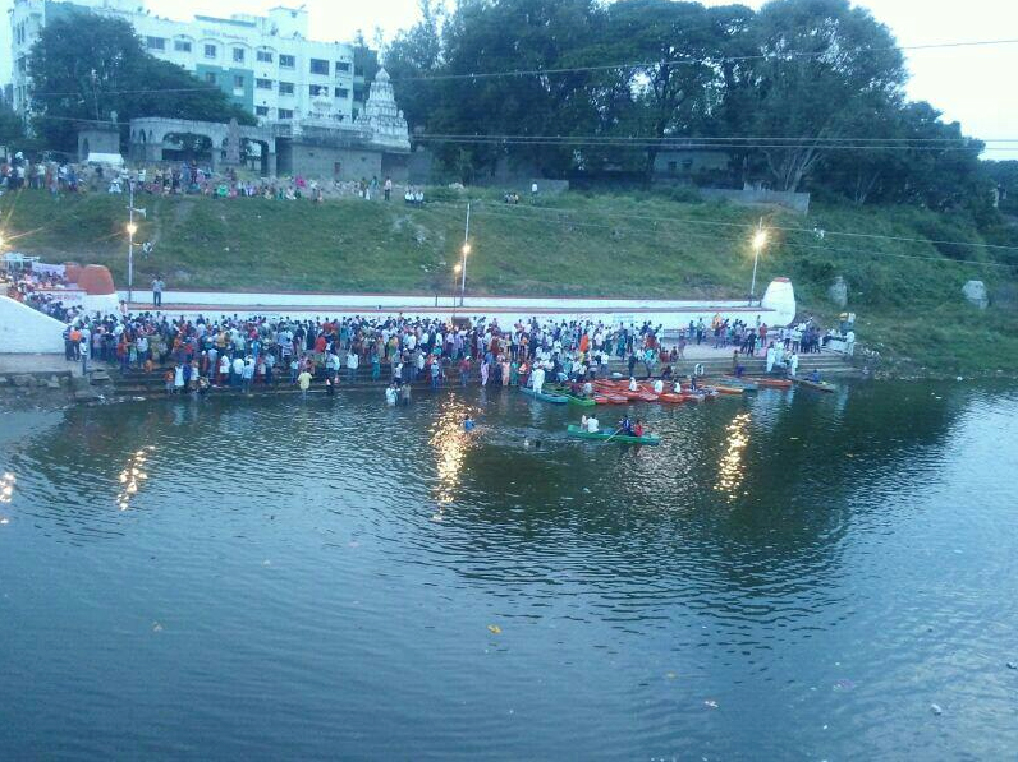 The upside of this is Indian hospitality. Take it as a given that people are much more curious and welcoming than in the UK which isn’t to say that you shouldn’t remain vigilant and be aware that that autowallah you have so much in common with is actually duping out of 100 Rs but there are a lot more opportunities to get to know people and as consequence this crazy culture in many different and personal ways. I celebrated Ganesh Chaturthi with the other 6 volunteers at the house of an ex-volunteer who I’d met 3 times after an impromptu, last-minute invitation; after the home rituals of bidding farewell to Ganesh’s presence, we piled into rickshaws and processed to the river, where the votive statues are dunked three times before being submerged – don’t ask how many lurk beneath the surface of Pune’s river, you probably don’t want to know!
Being confronted by the prospect of crossing a road in India for the first time, you’d be forgiven for thinking there weren’t any rules but if there’s ever a definition of organised chaos it would be Indian traffic. Autorickshaws and bikes slipping into any gap they can find to overtake or reach the traffic light first; ‘HORNS OK PLEASE’ painted on the back of trucks as if anyone needs reminding of that one anymore; an informal bus stop system that surely does nothing to help the overcrammed buses full of commuters and students on their way to and from work; not to mention the slow mooch that characterises how you should successfully cross the road going against everything you were ever taught as a child. I wouldn’t necessarily go looking for a Green Cross Code because I don’t think there is one. There is however driving schools which presumably means you must pass a test; a limit to the amount of people an autowallah is willing to cram in a rickshaw (to date 5 adults but often on school runs it appears to be at least 10 children); a limit to how many in a taxi (officially 4 but if it has a nifty boot conversion you’re golden with 6 ); and an occasionally enforced helmet-wearing scheme around the defence land in some areas of Pune where there is an alarmingly high rate of no helmets compared with how many do actually ride bikes and scooters.
Myself and others I lived with decided that in India, it’s better to not ask why. But if you’re like me and can’t help it, try not to expect an explanation because more often than not either there isn’t one. I think I’ve spoken to more people who’ve already been to India on at least one previous occasion than those who – like me – are here for the first time and it’s easy to understand why. These few cultural observations are only the first of many eccentricities and I don’t think I can do them justice in written form; they have to be seen to be believed.
- If you would like to know more about Isobel’s trip please visit:
- www.everyclick.com/isobelgoestoindia
- www.developmentinaction.org
- www.deepgriha.org
- >Read Isobel’s first post here
> Want to find out more about India? Take a look at our collection of maps and travel guides.