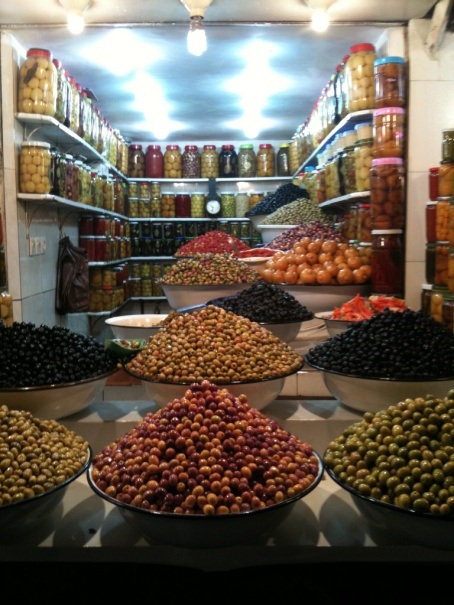
Lily Taylor takes a walk around Marrakech and discovers a city split in two…
Marrakech is essentially split into two cities, the modern part with wide straight roads, high rise hotels and spas and many well-dressed locals. Then there is the old walled city, the Medina, which is very traditional and filled with markets. It’s easy to get lost in the narrow winding alleyways but there’s never a shortage of locals wanting to show you the way to the palace or other tourist attractions. However, it’s worth being aware that afterwards they will nearly always ask for ‘a little present’ – some money for helping you out. This was my favourite part of the city, the residential areas, away from the bustle of the markets where people stand chatting outside their houses, mopeds whizz past and kids play in the street, yet everything seems calm.
The houses are all quite plain looking from the outside but great pride is taken with the front doors. Each is unique and has a personalised letterbox and tiles surrounding the frame. I was lucky to have a peek inside a few houses and they are beautiful. Tiles on the floors and up the walls are typical of the houses here. The Riads are the most beautiful, a tiled courtyard with a fountain in the middle; the balcony up on the first floor runs the whole way around and this is where the family lives.
Things to see
The main attraction in Marrakech is the Place Djemaa El Fna – a huge square full of snake charmers, acrobats, dancers, drummers, fortune tellers, henna ladies and much more. Surrounding the whole square are bars with rooftop terraces, beautiful for watching the sun setting over Marrakech. You also have fantastic views up here over the whole city and can see the magnificent mosques towering over the flat roofs of Marrakech.
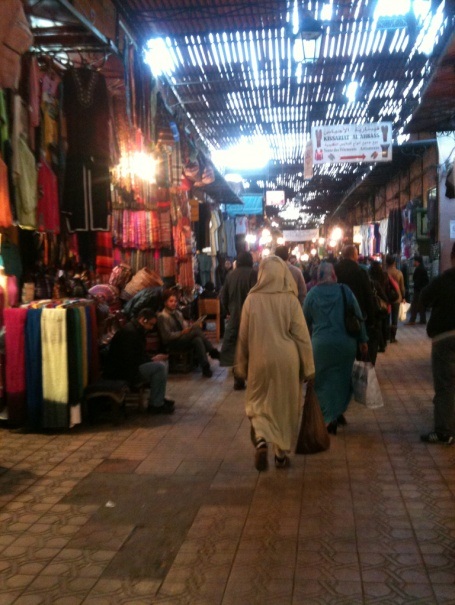
Behind this square are the souks, Marrakech’s famous markets selling everything from Moroccan slippers and leather bags to bowls and engraved glasses for mint tea. The souks are a complete maze, mainly covered but some parts are outside where market sellers have their studios create wares for the tourists walking past. Make sure to do lots of bargain hunting and haggling as prices are often doubled when a tourist is spotted. As well as the markets, close to the square are many beautiful palaces (Bahia, El Badii and the Royal Palace).
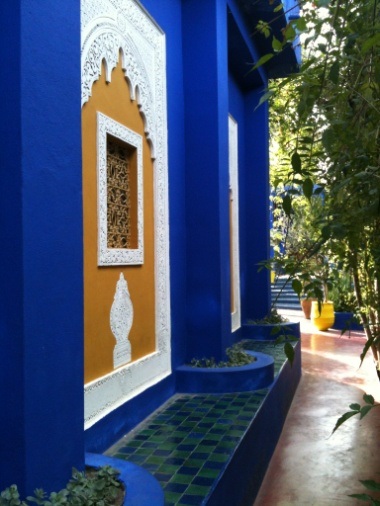
The Jardin Majorelle, once owned by Yves Saint Laurent, is a lovely sight to see – a walled garden with many different tropical plants. It costs 50 Dirhams to get in (about €5) and you can walk around and even spot some turtles. There is also a museum here and a ‘Love Gallery’ containing the New Year Cards Yves Saint Laurent used to make for his friends.
It is an interesting mix of a place in that there’s a Jewish Quarter within the Medina, and a synagogue and Jewish cemetery are among the sights to see here.
There are many trips organised by small tour operators from Marrakech – some are to the small villages outside the city, while other operators organise trips to the Atlas Mountains that surround the city. Meanwhile, quad biking and camel rides are popular activities, while there’s also a beach at Essaouira, approximately three miles away.
Marrakech by night
Marrakech really comes alive at night. Many market sellers revert from salespeople to simple locals, meeting up with friends, having a quiet drink and going about their own business. However, the food market is where the nightlife is concentrated. Many stalls selling similar food means real competition when tempting tourists to buy the delicious dishes. We ended up at stall number 117 where we were drawn in by the waiter’s energy and rhymes: “Don’t go to 118, they’re too late. Forget 114, they have no door. Come to 117, our food will take you to heaven.” The effort he made to bring in customers was impressive and could not be ignored!
> Make the most of Marrakech with our range of travel guides and maps