Maps that help put the last 12 months in some context
-by Ian Wright
I’m honoured that Brilliant Maps An Atlas for Curious Minds has been selected for Stanfords December book of the month. I really enjoyed writing it and hope you’ll enjoy reading it just as much.
Since December is the last month of the year, I thought I’d choose a few maps that help put the last 12 months in some context. And given Christmas is coming I can’t resist including a couple of Christmas themed maps too.
Stanfords Book of the Month for December 2021 is Brilliant Maps: An Atlas for Curious Minds by Ian Wright, illustrated by Infographic.ly with a foreword by Tim Harford.
See the world anew with this unique and beautifully designed infographic atlas.
Which nations have North Korean embassies? Which region has the highest number of death metal bands per capita? How many countries have bigger economies than California? Who drives on the ‘wrong’ side of the road? And where can you find lions in the wild?
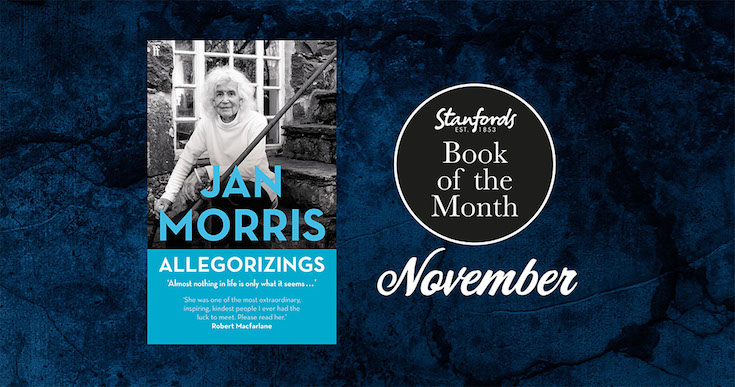
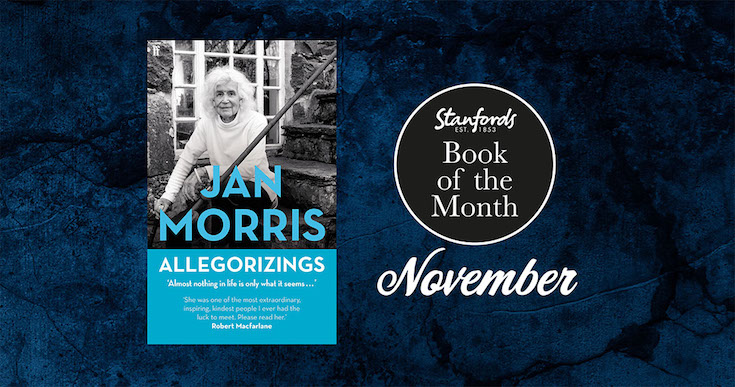
The Stanfords November Book of the Month is Allegorizings by Jan Morris. Published one year on from her death, at the age of ninety-four, it is the final despatch from one of the greatest chroniclers of the Twentieth Century. To give you a taste, here is an extract from Allegorizings:
Paradise Somewhere
If paradise is the stuff of the conventional promise, all sweetmeats and complaisant houris, then I certainly have never experienced it. But a nirvana of a different kind I did transiently enter long ago, when I was on my way back to Kathmandu, in Nepal, out of the Himalayas. I was travelling with a Sherpa friend of mine. His name was Sonam. We had come out of the mountains fast, and when we got down into the foothills I began to feel ill and weak – the reverse of altitude sickness, I suppose. The monsoon had broken upon us, and the endless rain did not help, but ‘Come with me to my home village,’ Sonam said, ‘and we will make you better.’
Stanfords Book of the Month for November 2021 is Allegorizingsby Jan Morris.
Published one year on from her death, at the age of ninety-four, Jan Morris’ Allegorizings is the final despatch from one of the greatest chroniclers of the Twentieth Century.
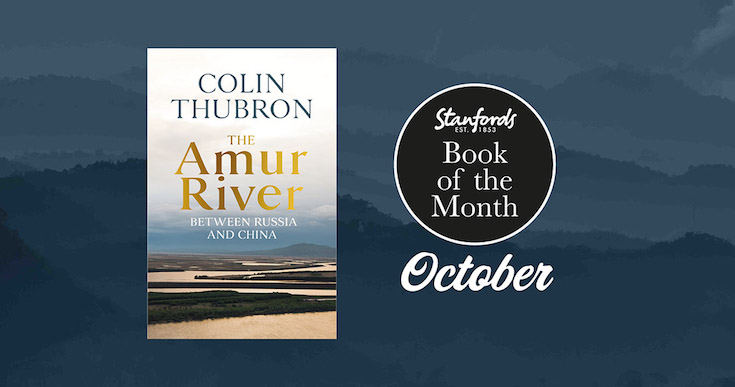
Our October Book of the Month is The Amur Riverby Colin Thubron £20.00
The first travel book in a decade from Colin Thubron, the 2019 recipient of the Edward Stanford Award for Outstanding Contribution to Travel Writing.
In his 80th year, Thubron made an ambitious journey along the 3000-mile river that divides China and Russia.
The Amur River is almost unknown. Yet it is the tenth longest river in the world, rising in the Mongolian mountains and flowing through Siberia to the Pacific. For 1,100 miles it forms the tense border between Russia and China. Haunted by the memory of land-grabs and unequal treaties, this is the most densely fortified frontier on earth.
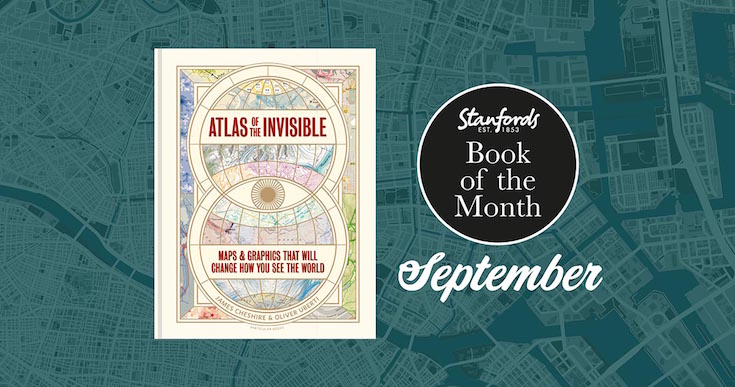
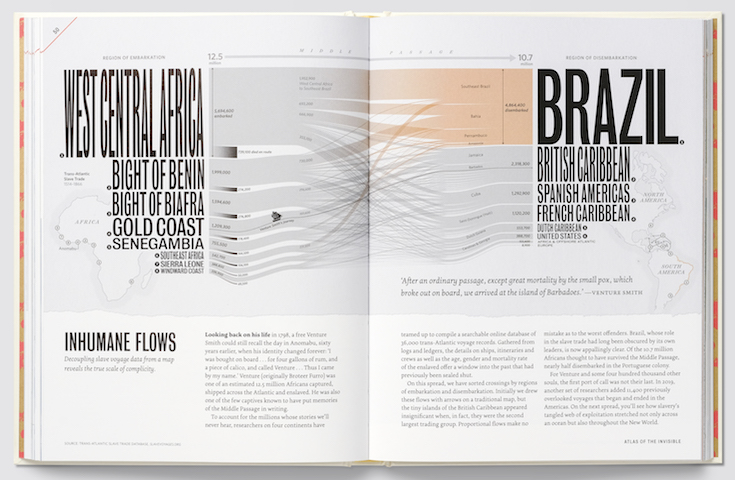
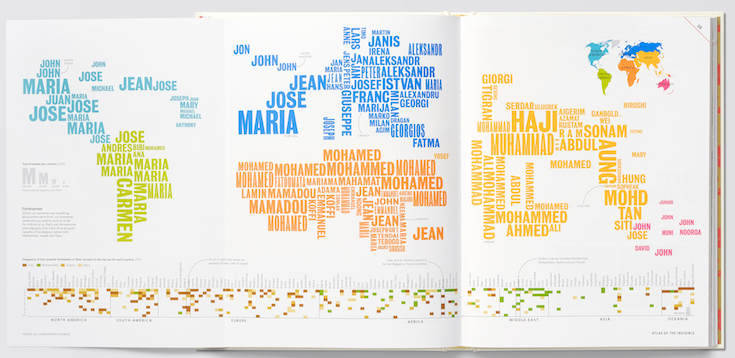
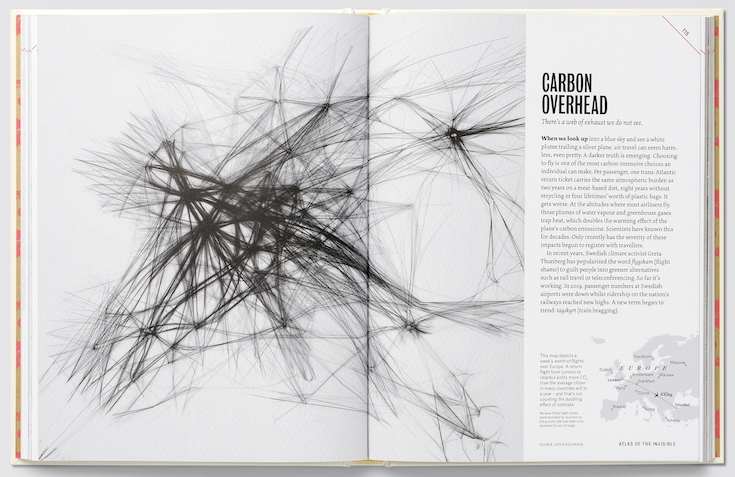
In our Book of the Month for September award-winning geographer-designer team James Cheshire and Oliver Uberti redefine what an atlas can be. Transforming enormous data sets into rich maps and cutting-edge visualisations, they uncover truths about our past, reflect who we are today, and highlight what we face in the years ahead. With their joyfully inquisitive approach, Cheshire and Uberti explore happiness and anxiety levels around the globe; they trace the undersea cables and cell towers that connect us; they examine hidden scars of geopolitics; and illustrate how a warming planet affects everything from hurricanes to the hajj.
Our Book of the Month for August is Small Bodies of Water by Nina Mingya Powles, Taking us from London to New Zealand, Shanghai to Malaysia via a lyrical, poetic essay collection that blends memoir with powerful writing on the natural world. To give you an idea of what to expect from this book, here is an extract for you to read:
Our Book of the Month for August, from the winner of the Nan Shepherd Prize, takes us from London to New Zealand, Shanghai to Malaysia via a lyrical, poetic essay collection that blends memoir with powerful writing on the natural world.
Home is many people and places and languages, some separated by oceans.
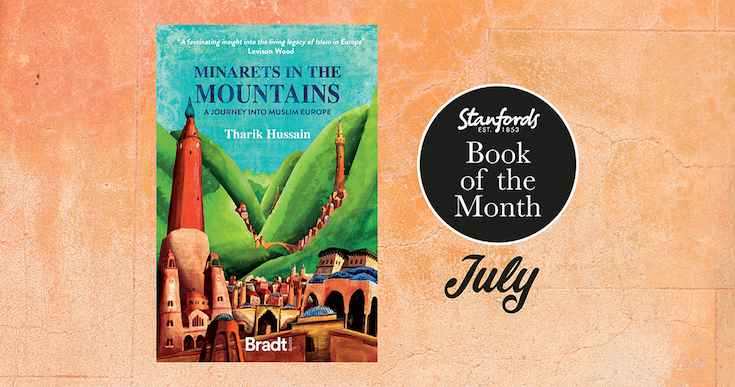
In our Book of the Month for July, Londoner Tharik Hussain sets off with his wife and young daughters around the Western Balkans, home to the largest indigenous Muslim population in Europe, and explores the regions of Eastern Europe where Islam has shaped places and people for more than half a millennium. Encountering blonde-haired, blue-eyed Muslims, visiting mystical Islamic lodges clinging to the side of mountains, and praying in mosques older than the Sistine Chapel, he paints a picture of a hidden Muslim Europe, a vibrant place with a breathtaking history, spellbinding culture and unique identity.
Minarets in The Mountains, the first English travel narrative by a Muslim writer on this subject, also explores the historical roots of European Islamophobia. Tharik and his family learn lessons about themselves and their own identity as Britons, Europeans and Muslims. Following in the footsteps of renowned Ottoman traveller Evliya Celebi, they remind us that Europe is as Muslim as it is Christian, Jewish or pagan.
Like William Dalrymple’s In Xanadu, this is a vivid reimagining of a region’s cultural heritage, unveiling forgotten Muslim communities, empires and their rulers; and like Kapka Kassabova’s Border, it is a quest that forces us to consider what makes up our own identities, and more importantly, who decides?
Watch Tharik Hussain introduce Minarets in the Mountains.