Lighthouses of Wales

By Brian Finch

We went to Wales with an Italian friend, over the August Bank Holiday weekend, to look at lighthouses. I am not sure I ever imagined writing a sentence like that but lighthouses do have a particularly interesting characteristic: they are usually located in spectacular locations because, as a result of their purpose, you will find them on rugged sea coasts.

We drove from London on a Friday evening, stopped overnight outside Newport, and drove on another three hours the following morning to the Dale Peninsular near Milford Haven. Apparently this area at the far southern tip Wales is called ‘Little England Beyond Wales’ because the population has not been Welsh speaking for hundreds of years, possibly because of settlement by Flemish or Viking peoples. Despite being very close to a heavily industrialised area the views are magnificent and even the refinery chimneys of Milford Haven to the east are elegant in the distance.

For guidebooks, we used ‘Lighthouses of Wales’ which, for lighthouse enthusiasts, is just one in a series covering the UK, and also one of the ‘The Pembrokeshire Coastal Path’ series.

We dumped our gear at a superb guesthouse, Allenbrook, in the centre of the village of Dale and took advantage of a bright sunny day to head straight out in the afternoon for a 6 mile walk around the peninsular with the objective of St Anne’s Lighthouse, near the half way point of the journey. Given another day there we would have taken the walk north up the coast. Dale itself is set in an attractive bay and, as demonstrated by the presence of a castle, was once an important place. Today it is a small village and watersport centre.
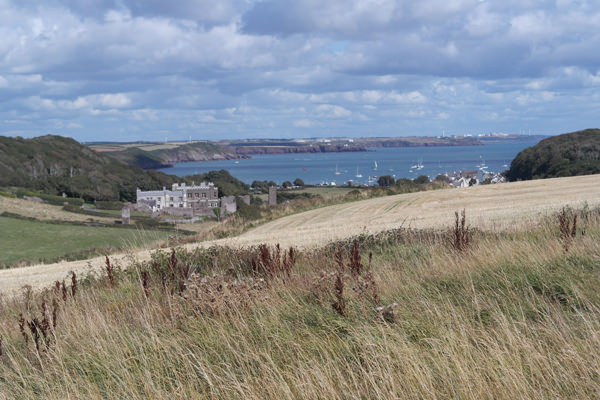
 

The coast, with its brightly coloured red rocks, indicates the high iron content and references the mining heritage of Wales. Just offshore you can see two small islands, Stokholm and Skomer, but a trip to their lighthouses was out of the question due to lack of time but also the absence of a regular boat service. I understand that it is possible to arrange trips, though.
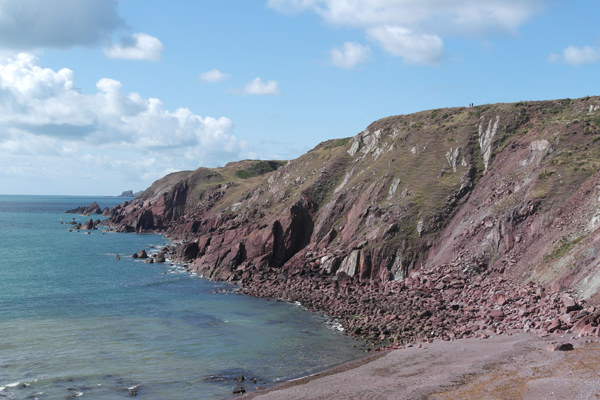
 

A fairly easy walk past some cattle and pretty white ponies grazing on the path took us to St Anne’s Point where the lighthouse buildings have been converted into holiday cottages. It turns out that all lighthouses are automatic nowadays and no longer need a resident team to look after them.
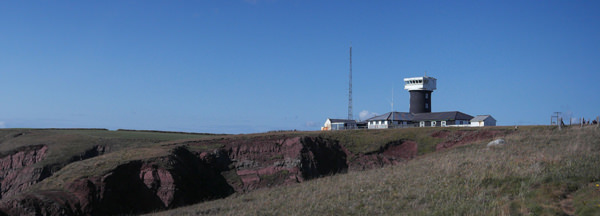
 

Beyond the lighthouse we came to the small cove where the Duke of Richmond aka Shakespeare’s Bolingbroke landed on 7th August 1485, going on to fight King Richard III at Bosworth Field just three weeks later, emerging as victor and with a new name as King Henry VII. It really is a strange feeling to look at the stones underfoot and think that a man stepped there one day who went on to conquer a kingdom, transform the legal system of the country and father another man who would break with Rome and destroy the medieval church system. Quite appropriately we passed, on our way home from this trip, the skeletal remains of Tintern Abbey in the Forest of Dean, which was demolished by agents of that King Henry VIII.

In the meantime, further around the coast of the peninsular we passed a soaring modern shipping beacon that uses radio rather than light to alert shipping and finally we returned to Dale for a well earned dinner at The Griffin, a local pub restaurant that boasts the distinction of having its very own local fisherman to supply it. That’s one way to guarantee fresh fish.

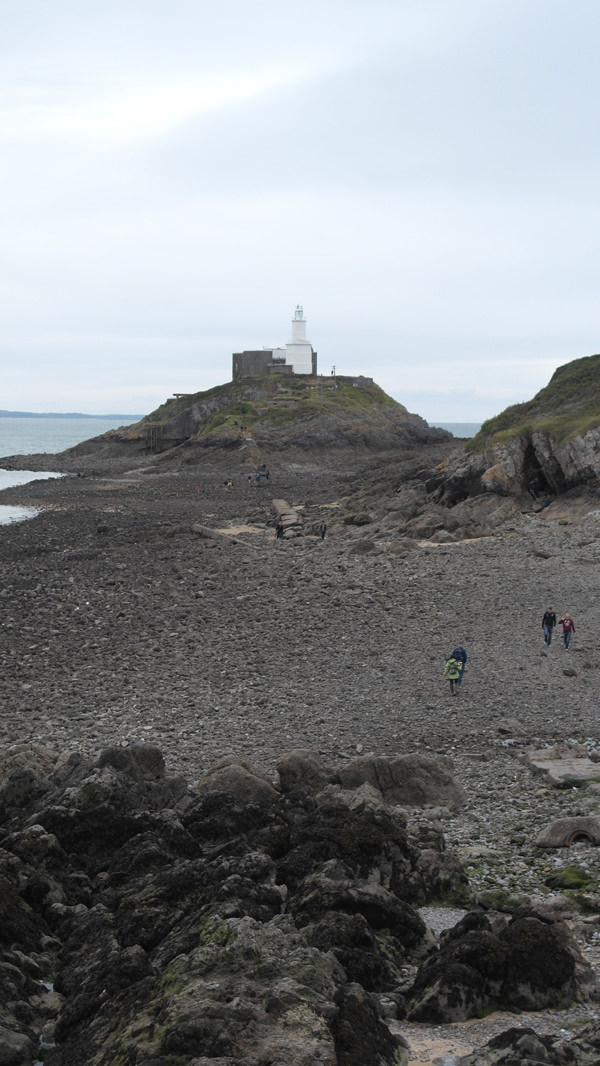
The next morning we set off down the coast for the Mumbles, just outside Swansea, which is a pretty seafront resort area close to the City. We were too pressed for time to spend be able to spend much of it looking around and had to focus on our objective, though the pier right next to the lighthouse is certainly worth a stroll. There are restaurants around the entrance to the pier but a rather better one next to the nearby carpark.
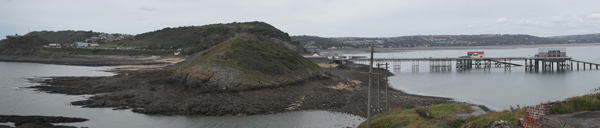
 

At low tide you can pick your way across to the rocks to the lighthouse, which is worth it for the view back to the pier, which also houses lifeboats and their launch ramps. Whilst looking the other way across the rocks you have the lighthouse, which is not a particularly beautiful building but is certainly in a striking location. There are clearly visible remains of a causeway that once linked the light to the mainland but its stones, scattered by the winter seas, now make the walk harder, having once made it easier.
 

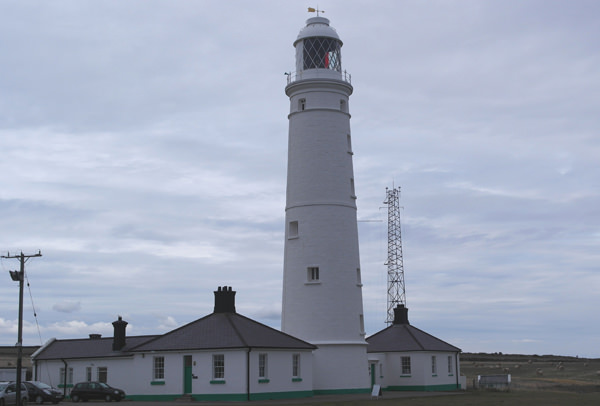
And so onward to our final lighthouse at Nash Point, the other side of Swansea. Down some narrow roads past residential areas you emerge into countryside and then suddenly out to the cliff top for a view of a classic looking lighthouse. We also arrived just as the huge foghorns at this site were being tested. A surprisingly large car park probably caters for walkers as well as pilgrims like us and is graced with a small café which provided well-timed and excellent Welsh Cakes together with a welcome cup of tea. On summer Sundays the lighthouse building is open to the public and we met a pair of lighthouse-men on site, climbed the tower, inspected the lamp and looked out to sea through binoculars, in the approved professional manner. 


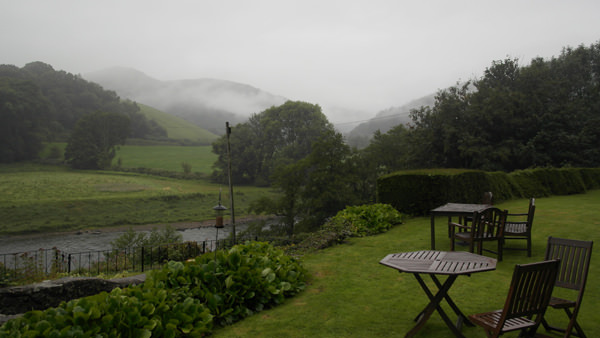
And finally, back to overnight at a guesthouse near Tintern, in the Forest of Dean, overlooking the river Wye.
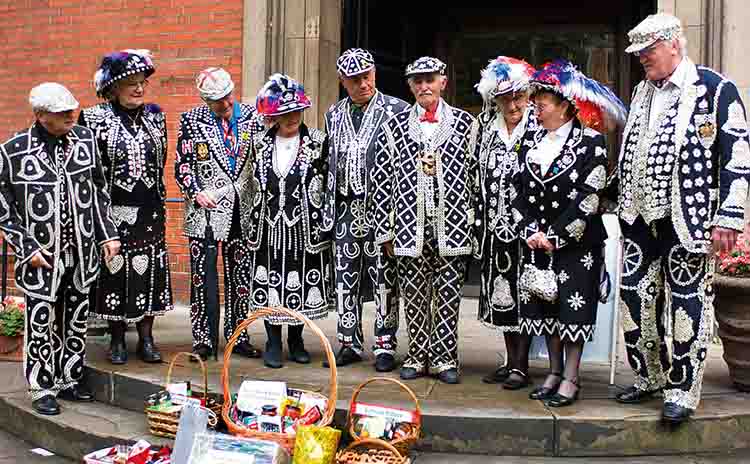
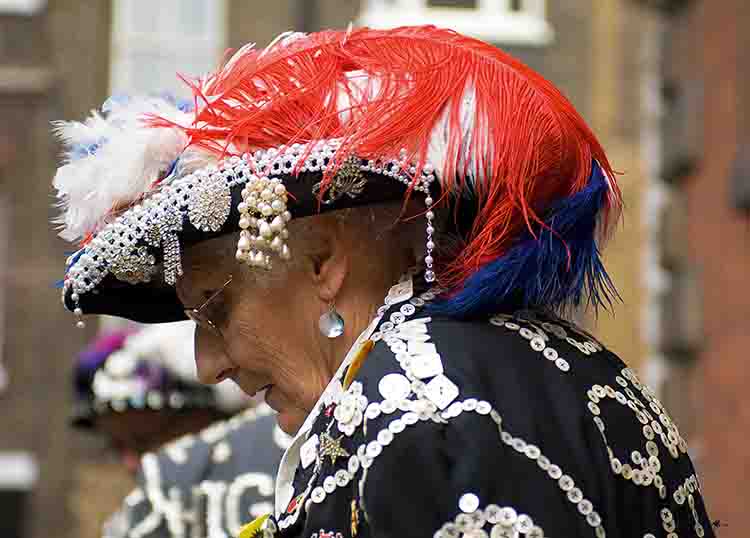
London through and through: Pearly Kings and Queens – Where do they come from and where are they today?

By Richard Slater, photographer and author of People In London

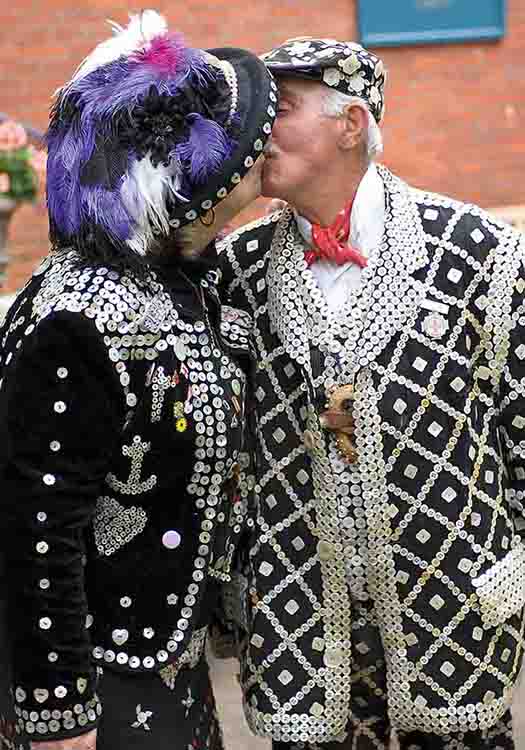
The Pearly tradition started among the costermongers –  the original barrow-boys – of London’s fruit and vegetable markets. An orphan called Henry Croft who worked as a sweeper in the markets adopted a fashion among the costermongers and took it to new extremes. The flash boys sewed smoke pearl buttons down the seams of their bell-bottom trousers and on their jackets, waistcoats and caps. Henry used the same smoke pearl buttons but he didn’t limit himself to the seams. He smothered his clothes in them.

But not because he wanted to show off. Henry had also noticed a very attractive characteristic among the costermongers. They looked after anyone in their community who was ill or fell on hard times. And Henry wanted to raise money to do good too. He thought that people would notice him if he wore a suit that was covered in smoke pearl buttons and that they’d be more likely to open their wallets and purses. And he was right. Soon he became well known for his charity work.

Henry’s friends among the costermongers decided to follow his example and raise money for charity in the same way. Before long, there were twenty-eight Pearly families. It was all very territorial. Each London borough had a family and there was one for Westminster and one for the City too.

The tradition of the smoke pearl buttons lives on today. Twenty-first century Pearly Kings and Queens may not be pushing barrows round Covent Garden but they do still spend a huge amount of time raising money for good causes. You see them doing this all over London.

But if you want to see a large group of Pearlies together, go to St. Paul’s Church in Covent Garden on the second Sunday of October (12th October this year). They gather from all over London for the Harvest Festival service in the church, which is also known as the Actors’ Church because of its long association with the theatre community.

Pearly Kings and Queens have a long and close association with the church and with Covent Garden too. The portico at the rear of the church features in the first act of Shaw’s Pygmalion (and therefore also of My Fair Lady). Anyone who’s seen Pygmalion or My Fair Lady will know that Pearly Kings and Queens appear in the market scenes.

Charles Darwin’s House

By Gregor Swiderek

London with its long and rich history has so much to offer. There are world class museums (like the Tate, British Museum, Natural History Museum, V&A and many others) as well as historical monuments (the likes of the Tower of London, Westminster Abbey or St. Paul’s Cathedral being only a few examples). Then, there is all the buzz of one of the most energetic and attractive cities on earth. Think of Soho, Camden, Piccadilly, Shoreditch, Greenwich and many other tourists’ hotspots. But there is also another, less known and quieter, side of London.

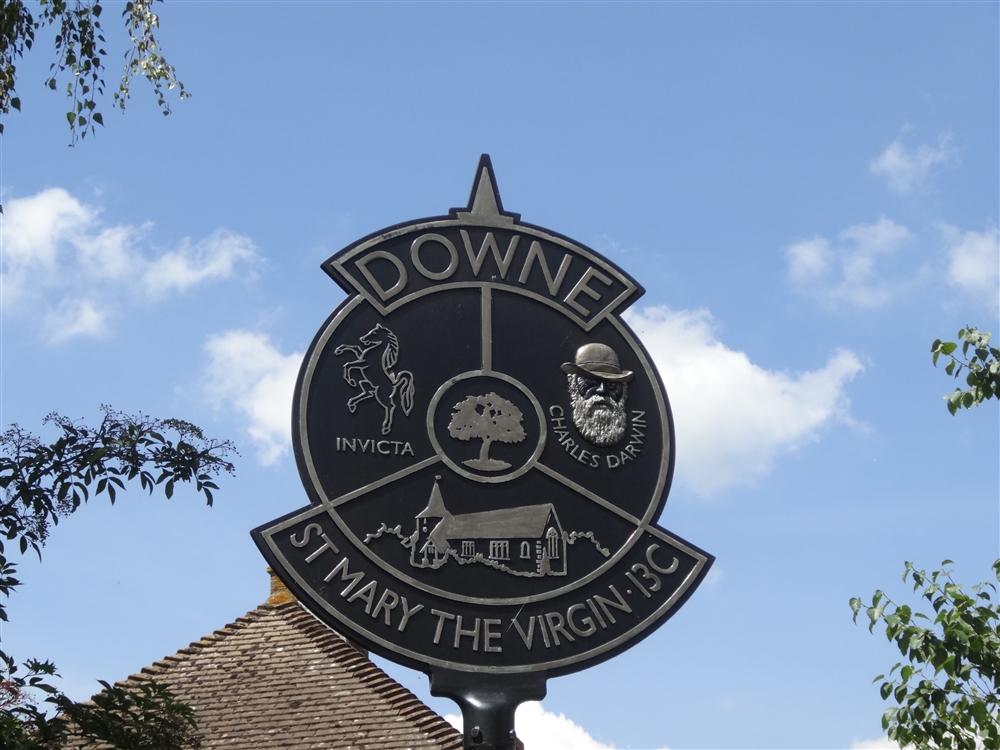
Located just 14 miles south east of Charing Cross, the village of Downe is as different from central London as you can only imagine. But however rural it might feel, being part of the London borough of Bromley (even if only just), it is technically still part of Greater London. Its biggest attraction is of course Down House, home of Charles Darwin.

I was thinking about visiting the place for quite a while and finally, on a glorious July day, we decided to go. We chose to take the train to Hayes, where the line from Charing Cross ends, and then walk to the village.

Hayes is one of the many distant and anonymous suburbs of London, and it could be anywhere in the UK. From Hayes station it is about 4 to 5 miles to Down House (yes Down house is spelled differently to the village). Continue reading Charles Darwin’s House

New Orleans

By Gregor Swiderek

It’s time to finally write about one of my favourite cities in the US, if not in the whole world, New Orleans. I absolutely love the place and it is actually a shame that I had to wait for so many years to see it again.

My first visit there was in 2001 when we stopped in the Crescent City during our transcontinental trip from Florida to California. We only had a few hours to explore this amazing place before heading further west. We did our best, walking constantly for hours through the streets of the French Quarter, and the city really made its impact.
Still, it was only a few hours stop and we didn’t have a chance to try its famous (or, for some, infamous) nightlife. So, finally, after all those years I decided to visit the city again and see if it is really as great as I remember it.  It could be that because it was one of the first such places that I had ever visited, I only have good memories of it. Then there was of course Hurricane Katrina in 2005. So, how is New Orleans now?

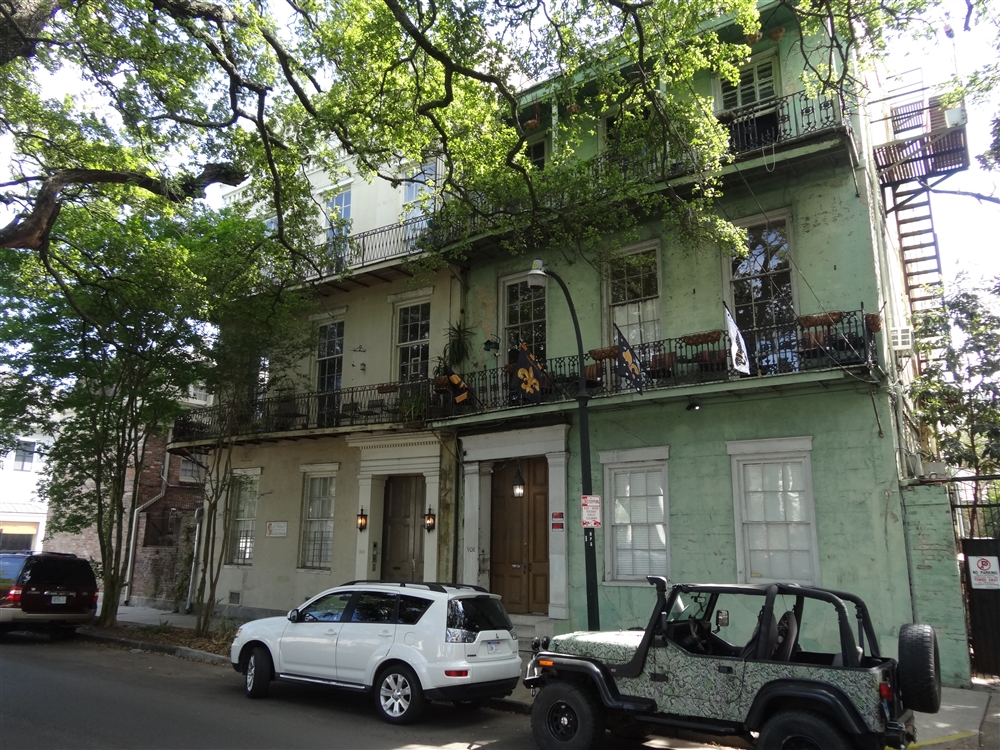
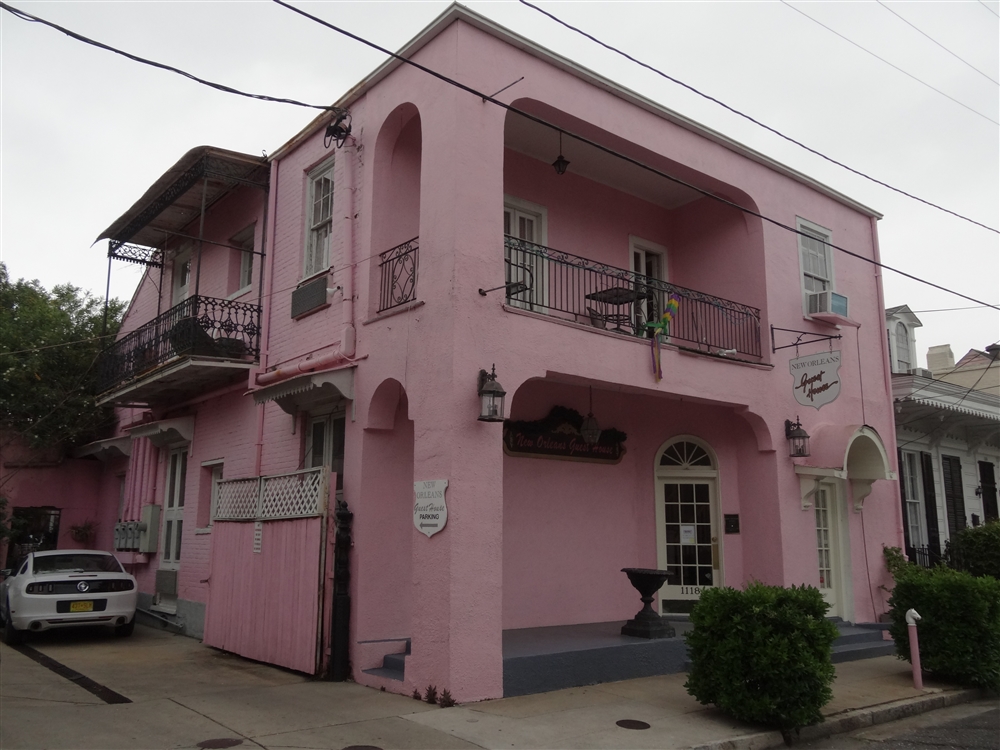
This time we decided to stay here for longer and booked ourselves a cheap room in a guest house right on the edge of the Vieux Carré, (as the French Quarter is also called), literally minutes from all the action of Bourbon Street. It was particularly unimaginatively named as “New Orleans Guest House” but it was a historic building, painted pink, with a nice patio, (where breakfast was served), and a resident cat. All the right boxes ticked then. After parking our Mustang and dropping bags off in to our room we hit the town immediately.  Continue reading New Orleans
Louisiana

By Gregor Swiderek

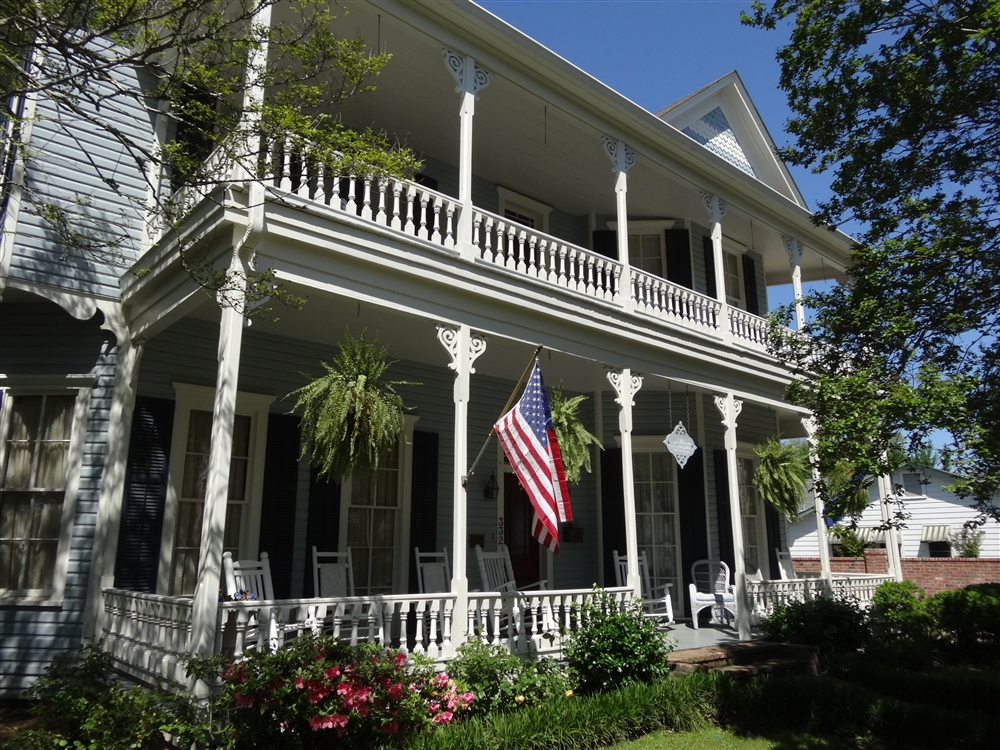
When you ask people about Louisiana they will probably think of New Orleans or eventually marshes and swamps of the Gulf Coast. These associations are obviously correct but there is much more than that in the Pelican State.

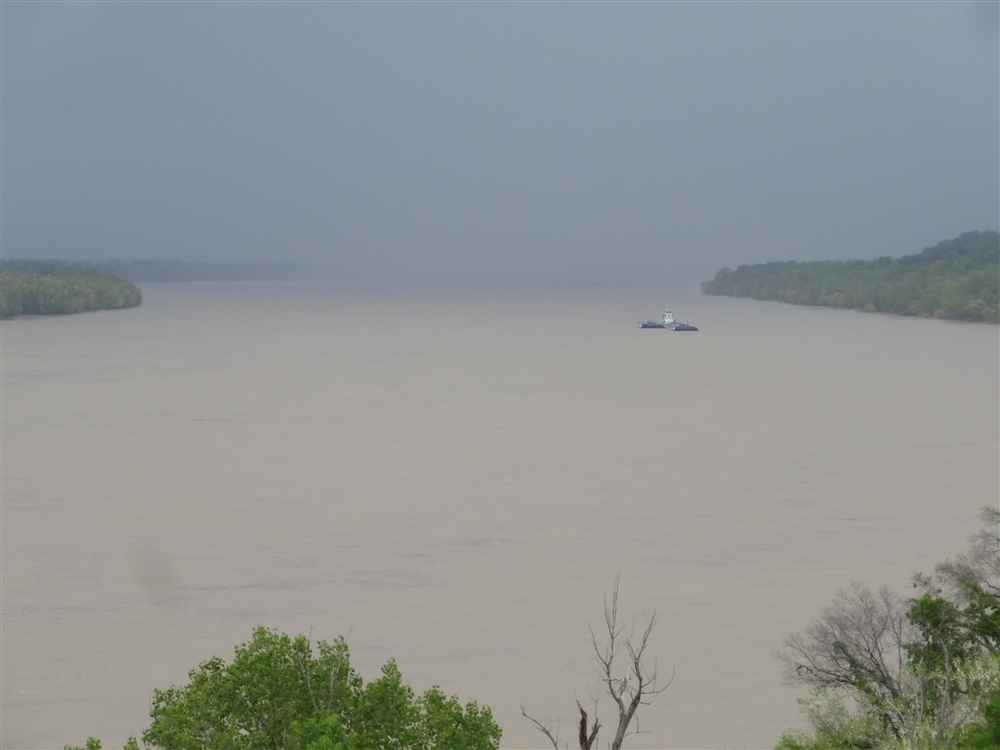
We entered the state driving across Mississippi River from Natchez to Vidalia on the impressive (if a bit narrow and precarious) cantilever bridge, offering great views and which showed how massive the Great River is. As we were driving the heavens opened and torrential downpour started. Basically while we were heading west a huge cold front was heading east. Literally in minutes the temperature dropped from about 28C down to less than 15.  We decided to wait-out the worst in the State Welcome Centre, where a lovely old lady furnished us with all the possible maps and brochures.

From the Mississippi valley we drove over 120 miles to Natchitoches, crossing the sparsely populated and heavily forested centre of the state Continue reading Louisiana

Mississippi – Vicksburg and Natchez

By Gregor Swiderek

It took us a whole day to get from the Mississippi-Tennessee border to our main destination in the Magnolia State, the Lower Mississippi valley with its historic towns of Vicksburg and Natchez (you can read more about the rest of the state in the previous entry). 

We arrived at Vicksburg in the late afternoon and headed straight towards the Vicksburg National Military Park. Run by the National Park Service, it preserves the site of the American Civil War’s Battle of Vicksburg in 1863. The park includes over a thousand historic monuments and markers, miles of historic trenches and earthworks, a 16-mile tour road, a walking trail, antebellum homes, 144 emplaced cannons and the restored gunboat USS Cairo (sunk in 1862, on the Yazoo River and recovered in 1964). Continue reading Mississippi – Vicksburg and Natchez

A short visit to Mississippi

By Gregor Swiderek

Mississippi has a problem with its reputation. Most visitors to the US either completely forget about its existence, or worse, have such a bad and prejudicial view of the Magnolia State that they give it a wide berth. So let me write a few words about it.

We got to Mississippi driving south from Memphis on the Interstate 55 and our entry was, lets say, less than grand. The state boundary cuts across the far outskirts of Memphis so the only way of knowing that you have crossed it is to look for a small sign on the side of the suburban looking freeway indicating the beginning of the DeSoto County.
After this less than spectacular welcome we booked ourselves into a motel in the small town of Senatobia, 26 miles from the border. We stayed on its outskirts in yet another cluster of chain motels and fast food establishments next to the freeway exit. For example our motel (Days Inn) had a franchise of the Waffle House on site and was next to three big gas stations as well as branches of Pizza Hut, KFC, Wendy’s, Popeye’s Louisiana Kitchen and Subway. So far, so boring.

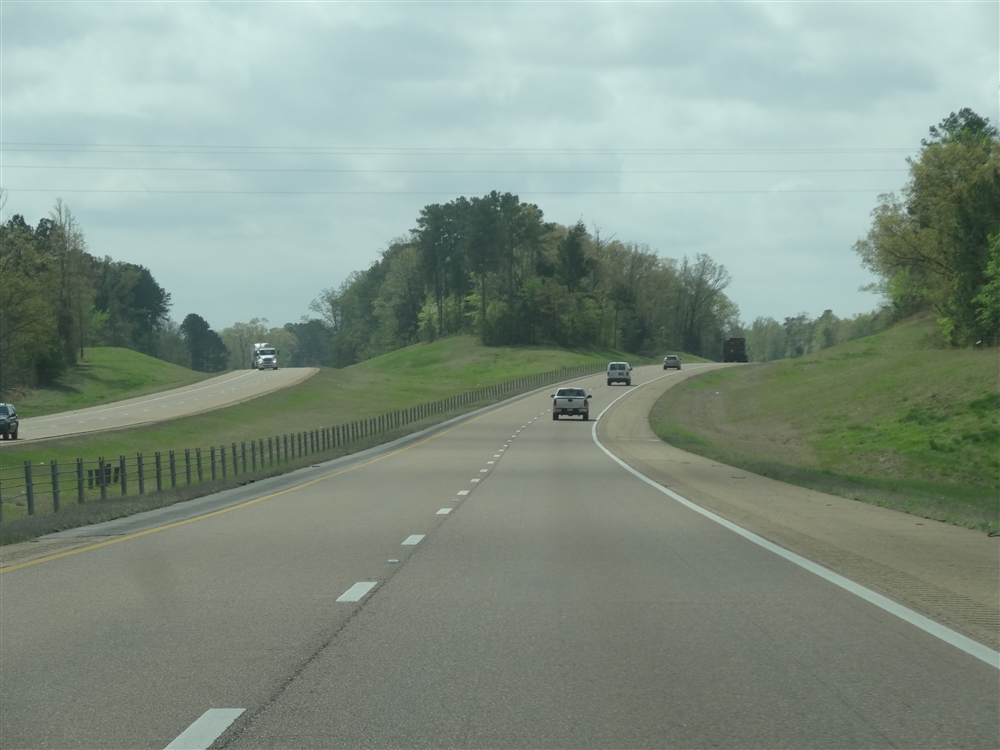
But the following day things got much better. For a start the I-55 happened to be way more scenic than I thought it would be. Looking at the road map I was expecting a flat and straight freeway running along the fields and farms, instead we got gently undulating and quite heavily forested landscapes all the way to Jackson. Continue reading A short visit to Mississippi

A Ziggurat and Some World Heritage Waterworks: Shushtar, Western Iran

By Caroline Sandes

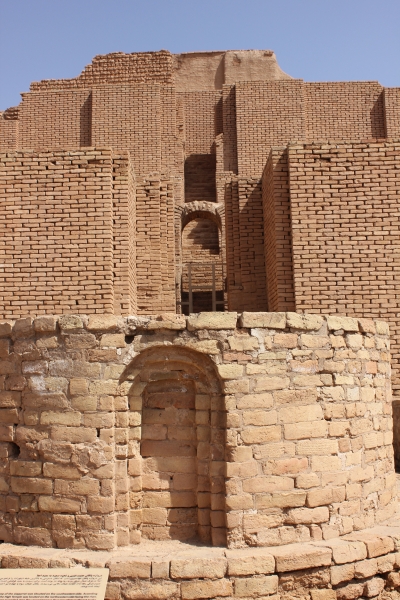
Chogha Zanbil is, according to the UNESCO World Heritage list, the largest and best preserved ziggurat in Mesopotamia. It now stands alone in the semi-desert landscape, its well-preserved red brick construction somewhat at odds with its wild surroundings. It was built around 1250 BC and was part of a flourishing temple complex with the town of Dur Untash until Ashurbanipal, who was also responsible for destroying Susa, sacked it in about 640 BC. It was only rediscovered in 1935.

I’d had to hire a taxi for the day to take me from Shush, to Haft Tepe and to Chogha Zanbil, and then to deposit me in Shushtar. Both Haft Tepe and Chogha Zanbil are out in the countryside and not reachable otherwise. The ziggurat is impressive. You can’t go into it, or climb up it, which is just as well given its great age, but this is in keeping with its history as it was only ever accessible to the Elamite elite. It stands at about 25 metres high but originally would have been about 60 metres. The uppermost two sections including a temple have gone. If you look carefully, running around the temple at approximately eye level is an inscription in cuneiform. From the leaflet for the site, some has been translated and one section reads: “I Untash Napirisha with golden coloured bricks, silver coloured, [with brick colour of] green and black have built this temple and have gifted it to Napirisha and Inshushinak the gods of this sacred place”. Continue reading A Ziggurat and Some World Heritage Waterworks: Shushtar, Western Iran

People In London: Exotic Hindu Ceremony close to Home

By Richard Slater, photographer and author of People in London: One Photographer. Five Years. The Life of a City.

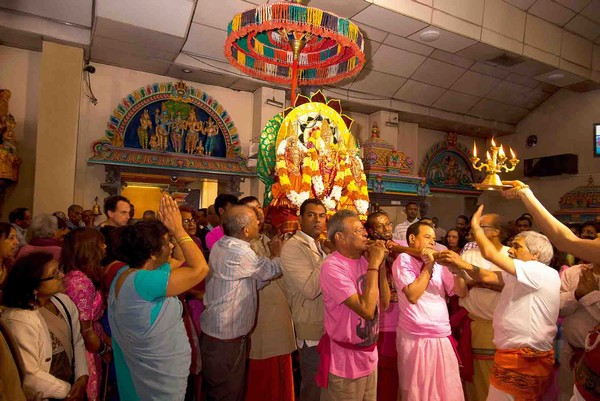
You don’t have to go to India to see a Murugan Hindu kavadi ceremony.

As I discovered, all you have to do is hop on the Tube to Archway and go up the hill to the Murugan Hindu Temple in Highgate.

A kavadi is an object which consists of two semi-circular pieces of wood or metal attached to a cross structure which can be balanced on the shoulders of the devotee. It’s decorated with lots of flowers, foliage and peacock feathers – they’re the symbol of the Hindu God of War and Victory, Murugan – and can be very heavy indeed.


Continue reading People In London: Exotic Hindu Ceremony close to Home

Ahvaz to Shush by taxi

by Caroline Sandes

A taxi-journey isn’t normally worth writing about, but my journey from Ahvaz to Shush, sometimes better known as Susa, in western Iran was more entertaining than most.

I’d caught the overnight bus from Shiraz to Ahvaz. The bus was clearly much loved by its owner as it was carefully decked out in red lights, inside and out, even round the windscreen. Together with its red seats and all the other things it was festooned with, I felt a little like I was getting into a mobile bordello. That journey was uneventful and I arrived at 5am in Ahvaz. I had forgotten, for some reason, that arriving long-distance buses were prey for eager taxi drivers looking for a fare and naturally I being the tourist on board was an immediate target. Being rather tired, my resistance wasn’t very high and I was soon haggling with a particularly tenacious driver over the cost of him taking me the 100km or so north to Shush. I had been intending to take another bus but the rial was so low against my euros that the cost was far too tempting. In the end we settled on the equivalent of 11 euro (see what I mean), though I knew that even then I’d paid too much, judging by the raised eyebrow of the man in the taxi office who took the payment. Continue reading Ahvaz to Shush by taxi