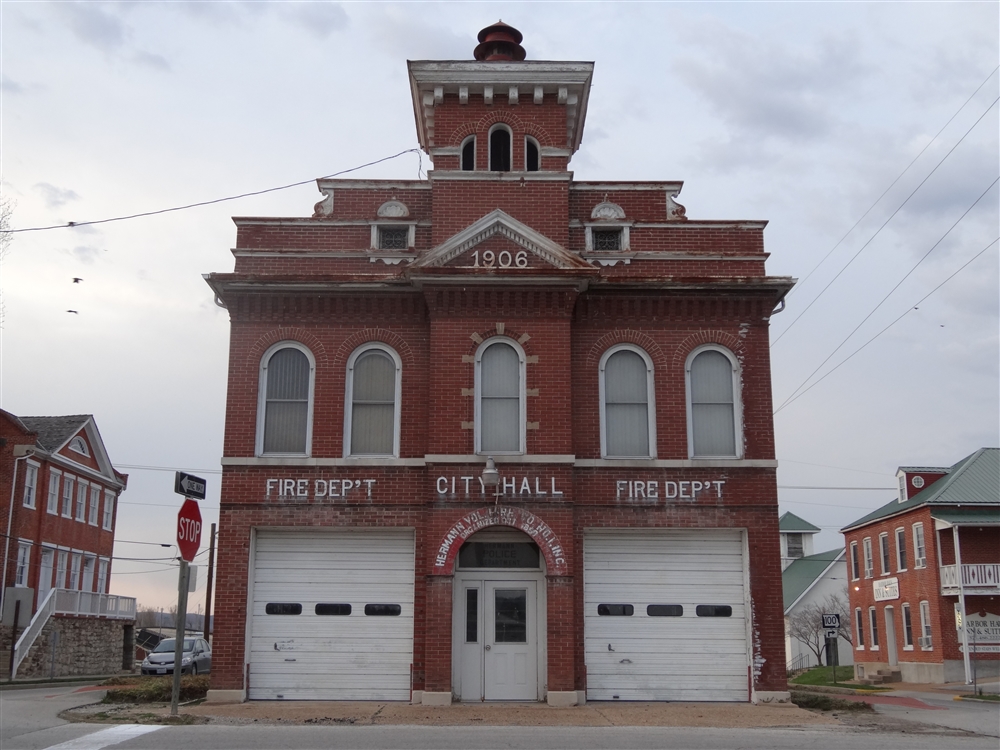
After roaming central Missouri for a whole long day (which you can read about it in the previous entry) the time came to find some place to stay overnight. So during one of our usual pit stops, when we refuel the car, stock up on coffee (for my girlfriend), cold coke with plenty of ice (for myself) and chocolate (for both of us), we opened our vast array of maps and started deliberating about where to go. It was then when I spotted the small town of Hermann located on the banks of the Missouri river, less than an hour from our current location. Somehow I remembered from one of the many guidebooks on the US I have read over the years that it was supposed to be a nice historic place.
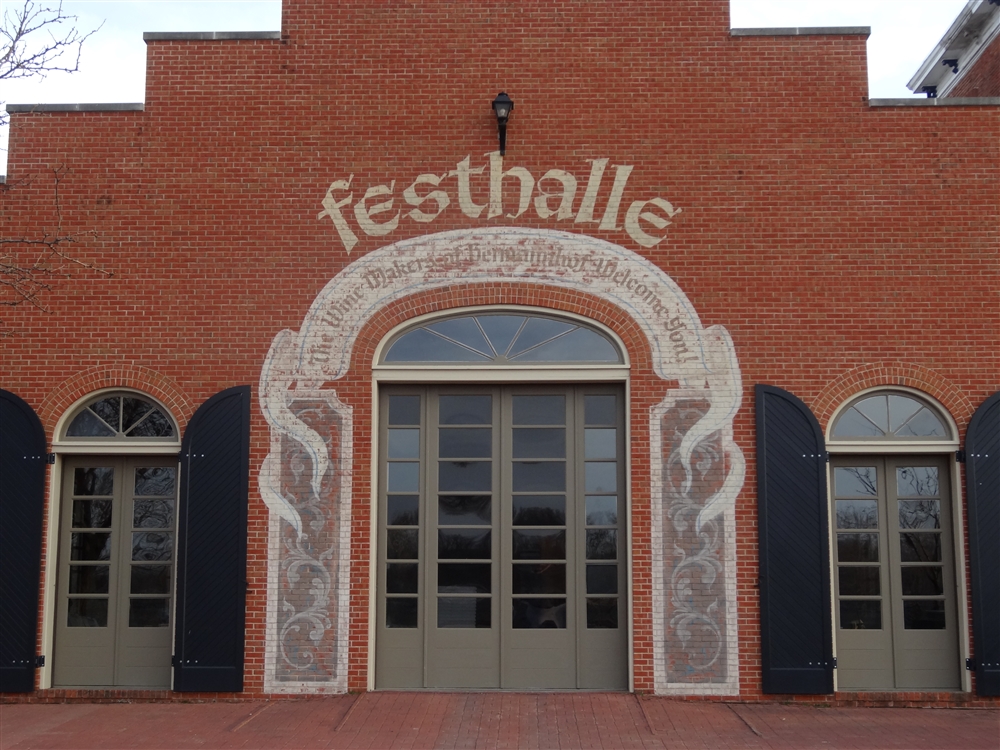 In fact Hermann turned out to be a real gem. Located about 80 miles west of St Louis it was established in 1837 by the Deutsche Ansiedlungs-Gesellschaft zu Philadelphia (German Settlement Society of Philadelphia) and named after Hermann der Cherusker, a Germanic leader who defeated the Romans in the Battle of the Teutoburg Forest in 9 AD (his mildly kitschy statue in the town was dedicated in 2009).
Nowadays this small place (population only about 2500) is a centre of the, so called, Missouri Rhineland. Located mostly in the Missouri River Valley this area is named for its similarities to the Rhineland region in Germany and for the German settlers who determined that this part of Missouri would be good for grape growing. German influences as well as connections with Philadelphia are visible throughout the town. For example most of the historic buildings are constructed with bricks and they really resemble some of Philadelphia’s old neighbourhoods. In fact Hermann has over 110 buildings listed on the National Register of Historic Places, many of them converted to lovely B&Bs and guest houses. Continue reading Missouri part 2


 by Barbara Tognini
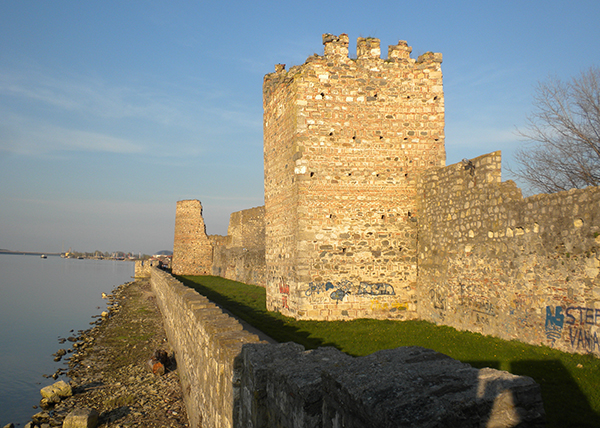
 As soon as we reached the town we headed to the fortress. It is indeed very large (it’s the largest inSerbia) and very photogenic; its construction was completed in 1430 and resisted the Turks’ siege for 20 years. From an informative panel attached to the wall at the entrance of the fortress, one learns that it was heavily damaged in 1941, when a German train loaded with ammunition exploded killing about 2,000 people.
 by
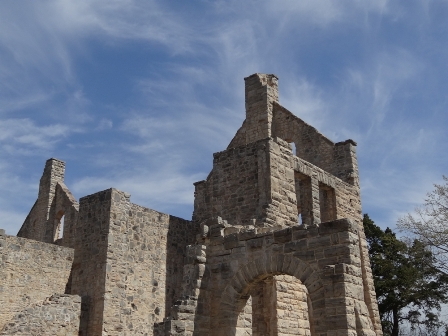
by 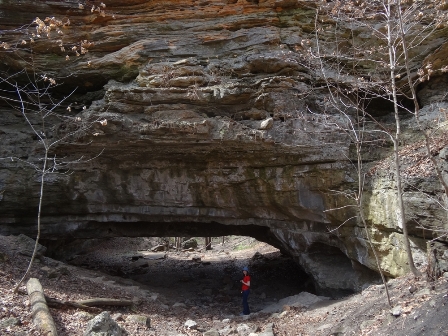 A wealthy Kansas City businessman, one Robert M. Snyder, wanted an European-style castle as his country retreat. Construction started in 1905 but when Snyder died the next year in a car accident his sons finished it and subsequently leased it as a hotel. Eventually it burned down in 1942. Since then only the picturesque ruins remain. They are located on top of a steep rock visible from across the valley and offering stunning views of the karst landscape of central Missouri. A great place for a lunch stop and a walk.

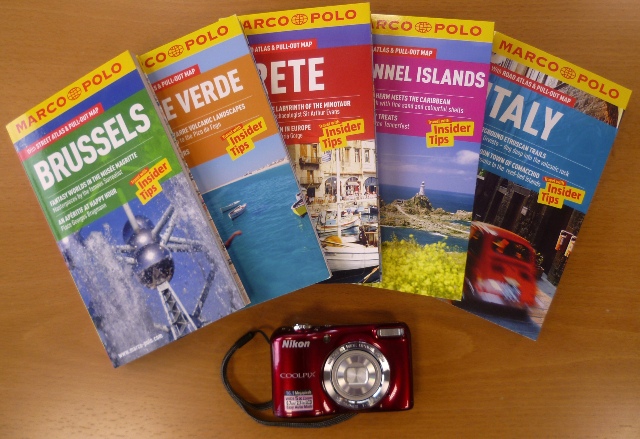 To celebrate the start of the holiday season, our friends at Marco Polo are giving away a Nikon Coolpix L27 Camera plus a Marco Polo guide of your choice!
  by
by  As we say farewell to our American intern
 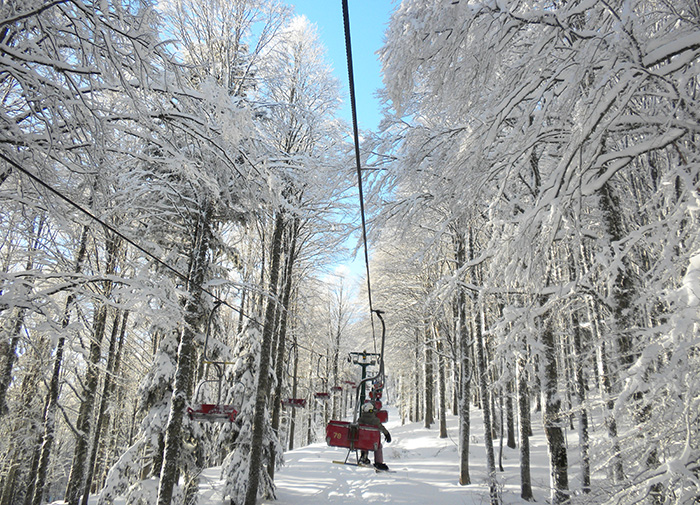 The Italian region of Tuscany is one of the most renowned tourist destinations for visitors looking for culture and good food. A typical postcard from Tuscany would portray Pisa’s leaning Tower, or the pretty hills of Chianti, or a picturesque little village. This is definitely what the region is famous for.