 by
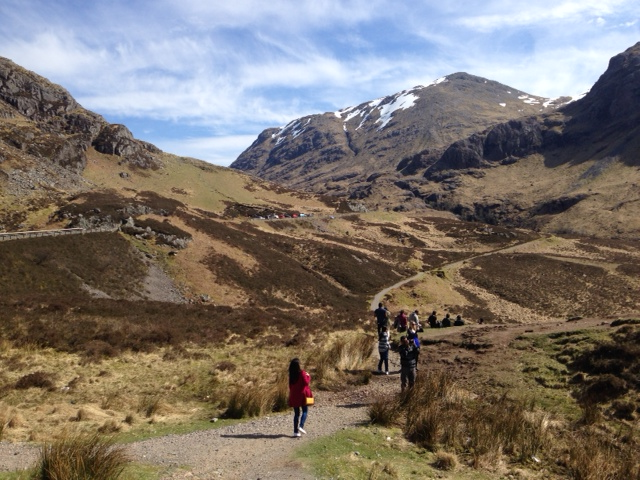
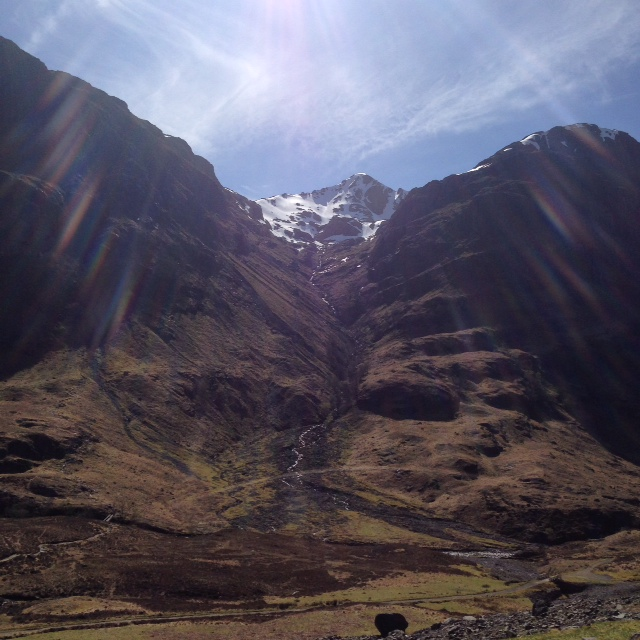
by As my eyes swept over the vast, volcanic valley of Glen Coe, with the rugged mountains encasing this breath-taking place of natural beauty, I felt sure that I was very far from home. Far I may have been from the Big Smoke of London, but I had not left the UK, and taking in the views of some of the most stunning scenery I had ever beheld, it was hard for me to understand why I had not journeyed up to Scotland sooner.
As I trekked down deeper into the glen to stand by the trickling stream flowing through it, I felt a deep sense of peace at the quiet and serenity of the area, coupled with a slight twinge of unease. Although Glen Coe is considered one of the most incredible places to visit in the Scottish Highlands, I was reminded of the 1692 massacre that led to 38 lives being senselessly lost in the villages and settlements along this very glen. Several members of the MacDonald Clan of Glencoe were innocently slaughtered after providing hospitality to the Campbell Clan, and just standing in the region where this mass-killing took place, even if it was hundreds of years ago, gave me goose bumps.
 I was on a three-day tour of the Scottish Highlands, and already I had been told mystical tales of local folklore, including the obvious tall-tale of the Porridge Pipes of Fort William. Apparently, the large pipes looming over a steep hill against the backdrops of Ben Nevis – the tallest peak in theUK– were put in place to keep the waistbands of the local villagers down. As well as hot and cold taps in kitchens, there is also apparently a third tap that dispenses healthy and nourishing porridge – make of that what you will! The most famous tale I was told, however, was of the Loch Ness Monster, and meandering through the spectacular backdrops, we ended up in the quaint parish ofFortAugustus. This charming settlement lies on the south-western banks of the misty loch where Nessie supposedly dwells beneath its murky waters.
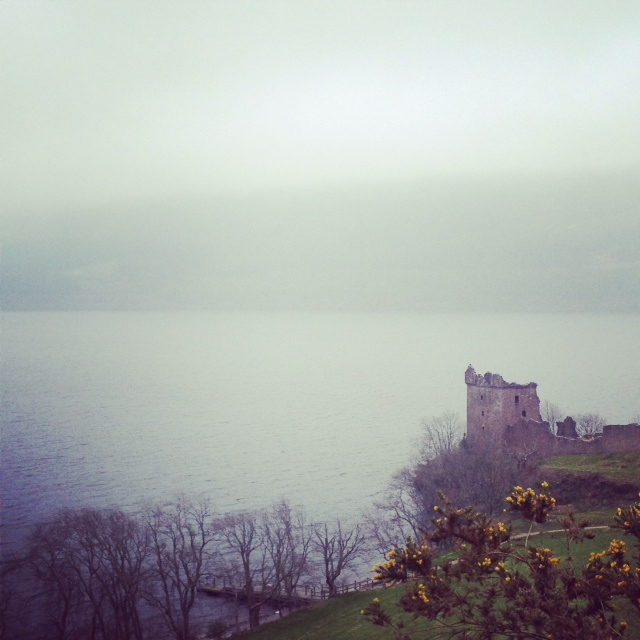 Loch Ness runs for 23.5 miles which makes it just 2.5 miles short of a marathon, and every single drop of freshwater in England and Wales wouldn’t fill this incredibly vast lake. With crumbling castles perched on its water’s edge such as Urquhart Castle, black glass-like water that stretches beyond what the eye can see and a beautiful calm sense of tranquillity to it, Loch Ness offers far more than just the slight possibility that you may encounter what was once known as the Water Beast. More than 1000 metres deep with an intricate weave of caves and caverns lurking beneath, Loch Ness is home to giant eels and other creatures that are rarely seen. Knowing I wouldn’t possibly be the one to earn millions from an authentic photograph of the Loch Ness Monster, I nevertheless took an evening boat trip to see if ours could possibly be the one to stumble upon the famous legend. Sadly, (and obviously!) we didn’t come across her, but instead, I heard many more tales about the gleaming loch and got to experience a beautiful sunset.
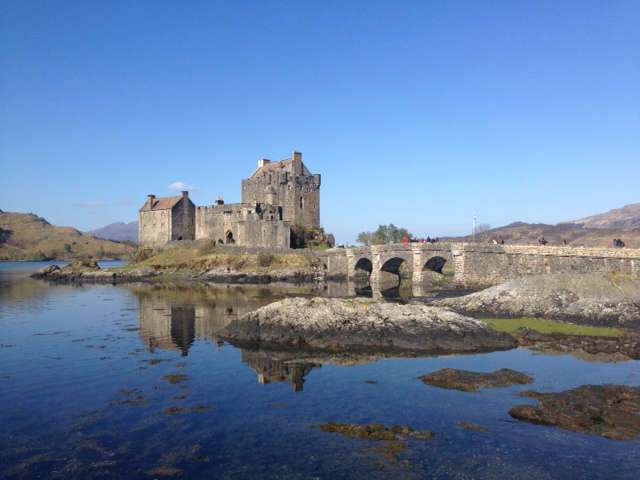 The next morning, after an evening of pub quizzes and donning home-made kilts, we set off for the beautiful Isle of Skye. Before we got there, however, we stopped off at some scenic points along the way, including the gorgeous Glen Shiel and the pretty Loch Garry which is in the shape of the map of Scotland from a certain angle. One of our most spectacular stops, however, was the majestic and imposing Eilean Donan Castle. Lying on a small island where the three lochs of Loch Alsh, Loch Long and Loch Duich meet, this picturesque castle dates back to the 13th century and is a truly gorgeous place to visit in the western highlands. Disney fans may even be familiar with the castle as animators for Pixar and Disney visited a few years ago to draw inspiration for the castle used in the 2012 film ‘Brave’.
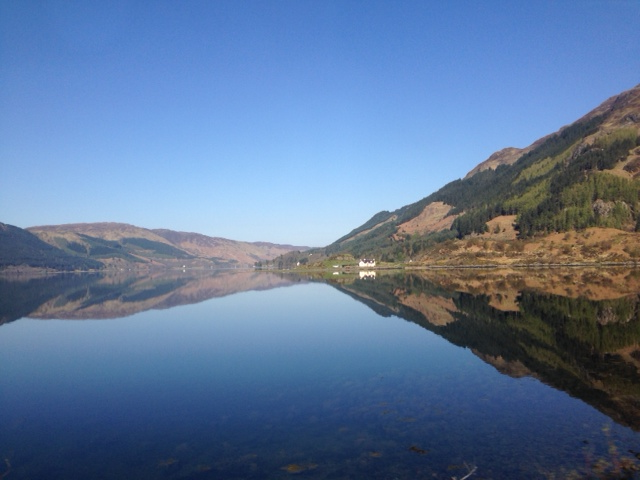 The next part of our journey felt like we were floating through a reflected vision of the sky. The lochs we drove past were glittering and pristinely clear, and with the sun beaming against dazzling azure skies, the reflections of the snow-capped mountains and lush pine trees against the water made for a surreal image of another universe entirely. After picking my jaw up off the floor, we then made it to the bridge crossing over to the Isle of Skye– a land of faeries and home to a population of twelve thousand, around a third of who speak Gaelic. The rocky range of Cuillin Mountains also call Skye home, and were higher than Everest when first formed but have since eroded away due to landslides and glacial activity. They are still incredible to see, however, as are the awe-inspiring landscapes all over the island that has been the backdrop for many Hollywood films including Stardust, Prometheus and Snow White and the Huntsman.
I spent the next couple of hours by the edge of the sea with not another soul in sight, taking in the untouched beaches scattered with shells, and dipping my feet into the ice-cold yet crystal-clear waters. Looking out across the sea at the boats moored nearby and the hills overlooking the bay with the sun lighting up everything it touched, I felt like I could be in Croatia or Italy, and it was definitely hard to comprehend the fact that I was in Scotland.
With two days of constant sunshine – rare for this time of year – it was inevitable that it had to end at some point. On the last day of my Scottish Highlands tour, there was a light fog in the air and the rain drizzled, but it didn’t dampen my spirits at all. On the contrary, it was wonderful to see the Loch Ness as I had imagined it would look – dark, gloomy and mysterious, and upon visiting our next stop-off, Culloden Battlefield, the weather was extremely fitting.
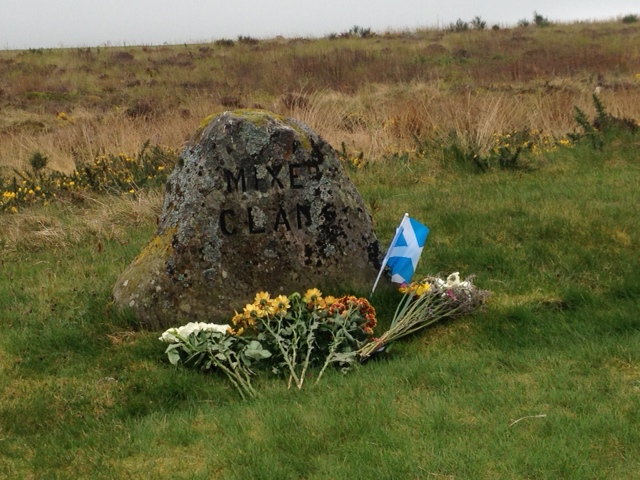 The Battle of Culloden took place in 1745 and was the final battle of the Jacobite rising. In fact, it was the last pitched battle to be fought on British soil, with around 1,200 Jacobites being killed by the English. The Duke of Cumberland effectively tried to eradicate the Scottish way of life and incorporate the Highlands into Great Britainby weakening Gaelic culture. Kilts were subsequently banned, as were bagpipes and the Gaelic language, meaning that everyone had to speak English. With the Scottish clan system under attack, it was a very dark time for those native to the Highlands, and at the site of the battle, the gravestones peppered throughout of the many clans who perished here made it a very sombre place to visit.
From a solemn site to a fun highlight, our last port of call was the Tomatin Whisky Distillery close to Inverness – capital of the Highlands, where we got to sample some of the decade-old strong Scotch whisky, as well as getting an insight into life at the factory and just how the drink is made. Being a famous staple of the region, it would have been rude not to have sampled some of the beverage!
After three days of wild landscapes, passing through sites where Quidditch matches were played in the Harry Potter movies to where beautiful (and hairy!) highland cows grazed happily next to sloping hills and glossy lakes, it was time to head back to Edinburgh for my flight to London. I had discovered that those from the United Kingdom need not leave this island to find towering mountains, pristine beaches and landscapes only found in fairy tales, and I am only counting down until the next time I visit, where hopefully I will finally meet Nessie…