For a long time I had a problem with this city even though, on the face of it, it is one of the most attractive places in America, if not in the world. But my visits here were always somehow spoiled.
Category: We’ve Been There
Stanford’s travel tales from our in-house travel experts.
Lighthouses of Wales
By Brian Finch
We went to Wales with an Italian friend, over the August Bank Holiday weekend, to look at lighthouses. I am not sure I ever imagined writing a sentence like that but lighthouses do have a particularly interesting characteristic: they are usually located in spectacular locations because, as a result of their purpose, you will find them on rugged sea coasts.
We drove from London on a Friday evening, stopped overnight outside Newport, and drove on another three hours the following morning to the Dale Peninsular near Milford Haven. Apparently this area at the far southern tip Wales is called ‘Little England Beyond Wales’ because the population has not been Welsh speaking for hundreds of years, possibly because of settlement by Flemish or Viking peoples. Despite being very close to a heavily industrialised area the views are magnificent and even the refinery chimneys of Milford Haven to the east are elegant in the distance.
For guidebooks, we used ‘Lighthouses of Wales’ which, for lighthouse enthusiasts, is just one in a series covering the UK, and also one of the ‘The Pembrokeshire Coastal Path’ series.
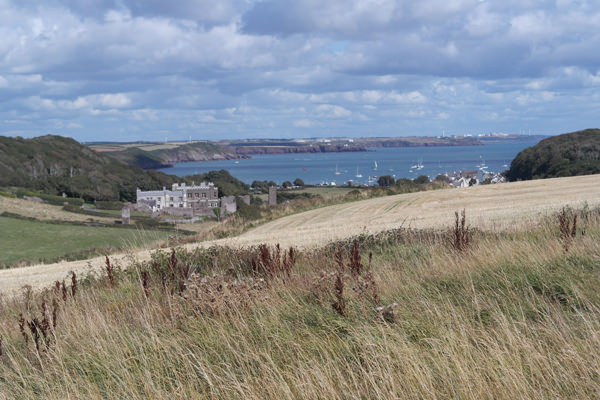
We dumped our gear at a superb guesthouse, Allenbrook, in the centre of the village of Dale and took advantage of a bright sunny day to head straight out in the afternoon for a 6 mile walk around the peninsular with the objective of St Anne’s Lighthouse, near the half way point of the journey. Given another day there we would have taken the walk north up the coast. Dale itself is set in an attractive bay and, as demonstrated by the presence of a castle, was once an important place. Today it is a small village and watersport centre.
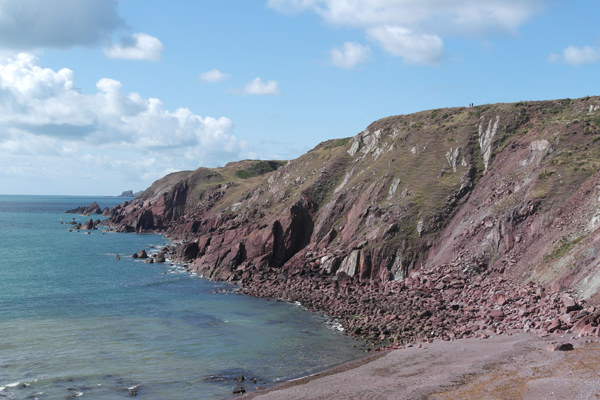
The coast, with its brightly coloured red rocks, indicates the high iron content and references the mining heritage of Wales. Just offshore you can see two small islands, Stokholm and Skomer, but a trip to their lighthouses was out of the question due to lack of time but also the absence of a regular boat service. I understand that it is possible to arrange trips, though.
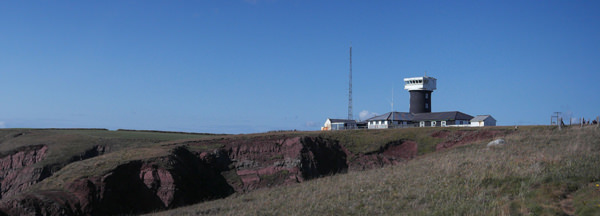
A fairly easy walk past some cattle and pretty white ponies grazing on the path took us to St Anne’s Point where the lighthouse buildings have been converted into holiday cottages. It turns out that all lighthouses are automatic nowadays and no longer need a resident team to look after them.
Beyond the lighthouse we came to the small cove where the Duke of Richmond aka Shakespeare’s Bolingbroke landed on 7th August 1485, going on to fight King Richard III at Bosworth Field just three weeks later, emerging as victor and with a new name as King Henry VII. It really is a strange feeling to look at the stones underfoot and think that a man stepped there one day who went on to conquer a kingdom, transform the legal system of the country and father another man who would break with Rome and destroy the medieval church system. Quite appropriately we passed, on our way home from this trip, the skeletal remains of Tintern Abbey in the Forest of Dean, which was demolished by agents of that King Henry VIII.
In the meantime, further around the coast of the peninsular we passed a soaring modern shipping beacon that uses radio rather than light to alert shipping and finally we returned to Dale for a well earned dinner at The Griffin, a local pub restaurant that boasts the distinction of having its very own local fisherman to supply it. That’s one way to guarantee fresh fish.
The next morning we set off down the coast for the Mumbles, just outside Swansea, which is a pretty seafront resort area close to the City. We were too pressed for time to spend be able to spend much of it looking around and had to focus on our objective, though the pier right next to the lighthouse is certainly worth a stroll. There are restaurants around the entrance to the pier but a rather better one next to the nearby carpark.
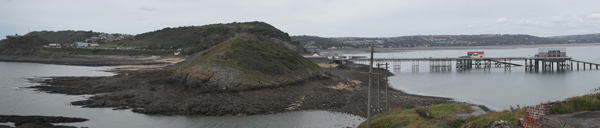
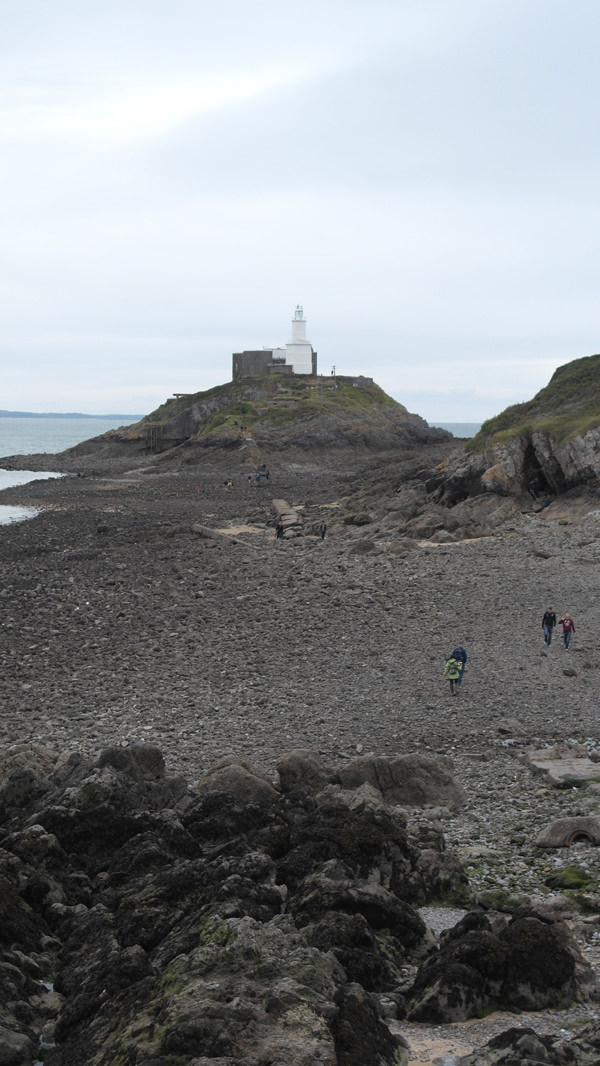
At low tide you can pick your way across to the rocks to the lighthouse, which is worth it for the view back to the pier, which also houses lifeboats and their launch ramps. Whilst looking the other way across the rocks you have the lighthouse, which is not a particularly beautiful building but is certainly in a striking location. There are clearly visible remains of a causeway that once linked the light to the mainland but its stones, scattered by the winter seas, now make the walk harder, having once made it easier.
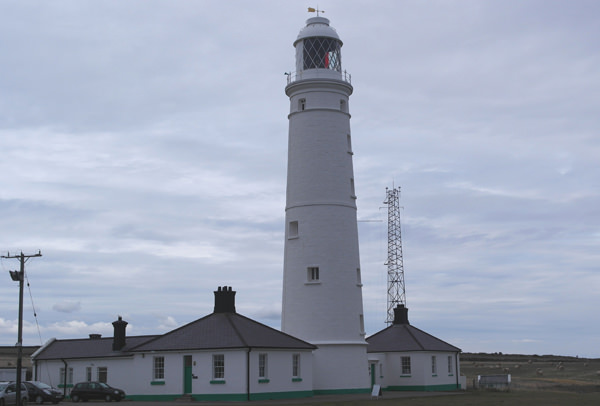
And so onward to our final lighthouse at Nash Point, the other side of Swansea. Down some narrow roads past residential areas you emerge into countryside and then suddenly out to the cliff top for a view of a classic looking lighthouse. We also arrived just as the huge foghorns at this site were being tested. A surprisingly large car park probably caters for walkers as well as pilgrims like us and is graced with a small café which provided well-timed and excellent Welsh Cakes together with a welcome cup of tea. On summer Sundays the lighthouse building is open to the public and we met a pair of lighthouse-men on site, climbed the tower, inspected the lamp and looked out to sea through binoculars, in the approved professional manner.
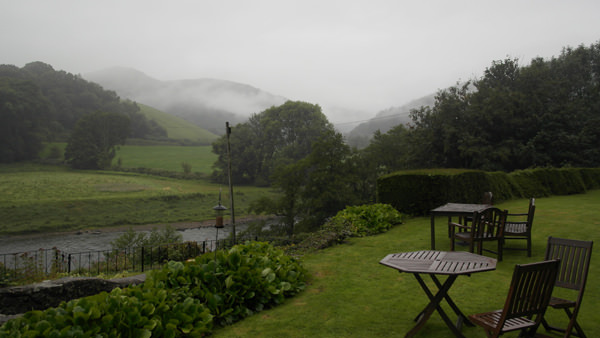
And finally, back to overnight at a guesthouse near Tintern, in the Forest of Dean, overlooking the river Wye.
A short visit to Mississippi
By Gregor Swiderek
Mississippi has a problem with its reputation. Most visitors to the US either completely forget about its existence, or worse, have such a bad and prejudicial view of the Magnolia State that they give it a wide berth. So let me write a few words about it.
We got to Mississi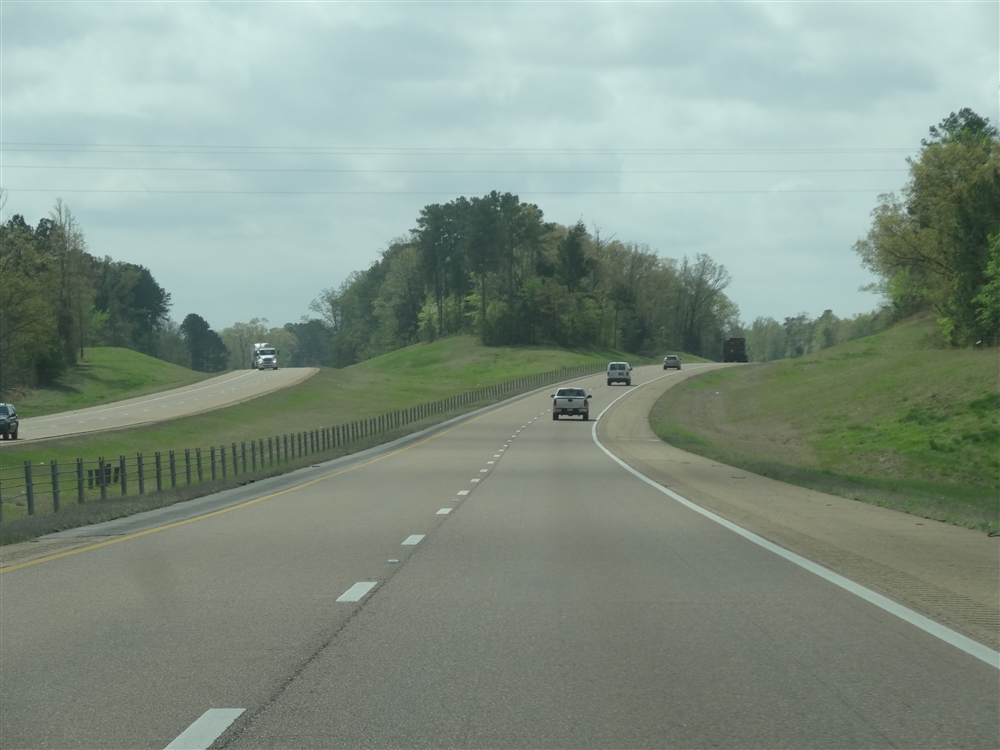 ppi driving south from Memphis on the Interstate 55 and our entry was, lets say, less than grand. The state boundary cuts across the far outskirts of Memphis so the only way of knowing that you have crossed it is to look for a small sign on the side of the suburban looking freeway indicating the beginning of the DeSoto County.
After this less than spectacular welcome we booked ourselves into a motel in the small town of Senatobia, 26 miles from the border. We stayed on its outskirts in yet another cluster of chain motels and fast food establishments next to the freeway exit. For example our motel (Days Inn) had a franchise of the Waffle House on site and was next to three big gas stations as well as branches of Pizza Hut, KFC, Wendy’s, Popeye’s Louisiana Kitchen and Subway. So far, so boring.
But the following day things got much better. For a start the I-55 happened to be way more scenic than I thought it would be. Looking at the road map I was expecting a flat and straight freeway running along the fields and farms, instead we got gently undulating and quite heavily forested landscapes all the way to Jackson. Continue reading A short visit to Mississippi
Nice

While all of my friends spent their spring break lounging on the beaches in Florida or taking advantage of all inclusive resorts in Mexico, I was stuck where the weather was not as warm. However, I refused to allow the lack of sunshine ruin my spring break. My friends and I decided to get out of the UK and headed straight for Italy. We spent time in Rome and Florence where I ate more carbs in a few days than I probably have in my entire life. My excuse was that by not eating my weight in pasta and pizza I was being rude to the Italian culture! Other than a day of rain, Italy was beautiful but not my favourite destination of spring break.
After our Italian adventures, we caught a flight to Nice, France. We were not even off the plane before I could hear my friends wishing we had spent the entirety of our trip there. Out one side of the plane we could see the Mediterranean Sea and out the other side, snowy mountain tops. Luckily for us, the sun shone for the duration of our stay. Our days were spent exploring the markets and walking along the beach. There was a flower market that sold the most beautiful bouquets for a fraction of what they would cost at home. While I personally found it too chilly to put on a swim suit and lay in the sun, the residents of Nice flocked to the beach ready to start on their summer tan. At night we would watch the sunset on the beach and then find dinner in a café along the water. Continue reading Nice
Kashan to Esfahan
 Caroline Sandes continues her trip around Iran travelling from Kashan to Eshafan stopping off at a nuclear facility along the way….
Thanks to the persuasions of a guide, Hossein, who had been at the one of the lovely houses of Kashan I’d visited the previous day, I had decided on the option of him driving me from Kashan to Esfahan so as to take in a few sites I wouldn’t be able to get to otherwise. Thanks to the exchange rate of the rial, this particular luxury was not just affordable but positively cheap. I also knew it would involve going right past one of the most supposedly notorious places of Iran – the nuclear facility at Natanz.
 He collected me from my hotel at 8am – a friend of his, an artist, was doing the driving so I was able to sit in the back and admire the scenery without worrying about coming up with intelligent conversation. The first stop was an archaeological site that was a last minute addition to the trip because a teacher I’d met the day before said I must visit it. Tepe Sialk is, archaeologists are almost sure, a ziggurat that was built around 3000 BC, which would make it one of the oldest ziggurats in the Middle East. It looks mostly like a large hillock but the shape, blurred as it is by weathering and caked mud, is suspiciously unnatural. Excavations that have happened sporadically over many decades, have uncovered all sorts of things, some of which are displayed in a small museum on the site. Hossein had in fact worked there on a couple of the excavation seasons, and was keen for me to talk to the aged museum supervisor, who spoke French, thanks to working for many years with French excavation teams. Regrettably my spoken French is hopeless; Hossein was clearly disappointed that I couldn’t talk with the supervisor, as was I.
From there it was on to the famous Bagh-e Fin gardens. Built for Shah Abbas I, in the late sixteenth century and the oldest surviving gardens in Iran, they are now part of Iran’s World Heritage gardens. The entrance to them is door in a high wall, but inside is a paradise of tinkling water, trees, greenery and the same graceful architecture with its beautiful wall paintings as seen in the houses in Kashan. It was late February so still somewhat wintery but the gardens must be lovely when the roses and other flowers are in bloom. The gardens were also the scene of the assassination of the popular Mirza Taqi Khan, a moderniser and prime minister between 1848 and 1851. Rather bizarrely, the murder is carefully depicted using Madam Tussaud-type wax models in one of the bathhouses… Continue reading Kashan to Esfahan
India: From Kolkata to Varanasi
 Maybe it wasn’t an obvious choice of first destination for a couple of first time travellers who like their home comforts, but actually Kolkata was not the terrifying culture shock people warned us about. Yes, we walked out of the airport to find a road made virtually uncrossable by unpredictable yellow taxis; we took said taxi in a seat-clutching ride across town seeing people cycling with boxes of chillies on their heads and live chickens tied to their handlebars; we were greeted in the streets by mothers begging for milk powder and packs of yellow dogs and men sleeping on the pavements. Yes, it was a million miles away, but amid this melee of people and smells and confusion, we found a city of incredibly beautiful buildings and parks, some of the best street food of the trip, and so many smiling faces: a girl who taught us Indian classical dancing in the Victoria Memorial gardens, a couple of street kids who we shared a lassi with, parents and children shaking ours hands at a Kali festival we happened to catch.
 It wasn’t just that Kolkata allowed us to jump into another culture headfirst, it also allowed us to meet other travellers, get advice, make plans. There is definitely a district for travellers, and lucky for us, most of them had been around for a while. Trains were all explained, haggling (although we never really mastered that), the head wobble. We ended up travelling with a guy we met on the first day for three weeks. Really (and I hate to admit it) it does help to have a man around in India. They just get more respect. Annoying but true.
 From Kolkata it was an overnight train to Darjeeling. The trains are really something. The queues for the tickets are utterly bewildering, but as long as you stand your ground as aggressively as everyone else pushes it shouldn’t take too long! The train itself is the best place to meet people. There’s always one man who takes charge of the conversation. Warning- he is usually the one that snores the loudest. You can buy everything under the sun. On that first train journey we counted 33 items that you could purchase, including yo-yo, statues of Ganesh, and nail clippers. Continue reading India: From Kolkata to Varanasi
Malta’s Hidden History
 Debbie Valentine explores the cultural side of the sunny island of Malta.
The tiny island of Malta, basking in the Mediterranean sun, is not the first place you might think of for a cultural holiday. It has a reputation for being full of retired Brits sunning themselves, but if you dig a little deeper you’ll find some amazing history and beautiful things to see.
With over 7000 years of history, Malta is home to some of the most important and fascinating archaeological sites in the world. The ancient temples of Mnajdra, Ġgantija and Ħaġar Qim date from around 3000BC and are huge sites – Maltese locals thought they were the work of giants.
The most famous ancient Maltese site is the Hypogeum, a vast underground chamber, used as a temple and burial site. More than 5500 years old, the impressive structure is a UNESCO World Heritage Site. Reaching down to more than 10 metres below the ground there is a lot to discover about Malta’s ancient history. Tickets to visit the site are limited, for conservation reasons, so make sure you book ahead if you want to visit. Continue reading Malta’s Hidden History
Italy by Train
Our intern Molly Loeffler spent Spring break travelling Italy with some classmates. Here are her tips for saving money travelling by train….
For Spring break, myself and two friends wanted to explore as much of Italy in 10 days as we possibly could! We decided to start in Milan and head south, flying home out of Naples. Once we figured out the general direction we needed to go, we planned our route by train, trying to budget as much as possible. We purchased Eurail passes online so we could get most train tickets for free or at a discounted rate, which was hard for us to find with other train deals because we are not EU citizens.
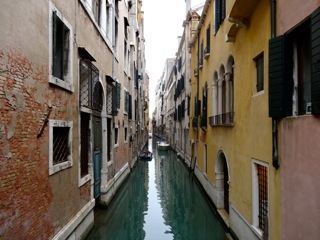
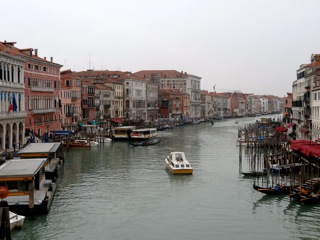
We landed in a very snowy Milan and got on our first train to Venice. Thanks to our Eurail pass, the ticket that would have cost us about £35, cost us only about £9.Venice was overcast but this could not spoil the beauty of the island. The gorgeous canals, bridges and brightly coloured buildings were a wonderful sight to walk out of the train station to.Venice’s winding and narrows streets can be confusing but thanks to the Italian I learned in school, I eventually navigated us to our hostel on the Piazza di Santa Margherita! As we were there off season Venice there were very few people walking around as we visited the famous sites like the Piazza di San Marco and San Marco’s Basilica. We considered taking a gondola ride, but it cost about 80 euro and the water was very choppy so we decided not to. Our final stop was the Rialto Bridge, which is the oldest bridge in Venice built in 1181. Continue reading Italy by Train
Cappadocia – Land of Wonders
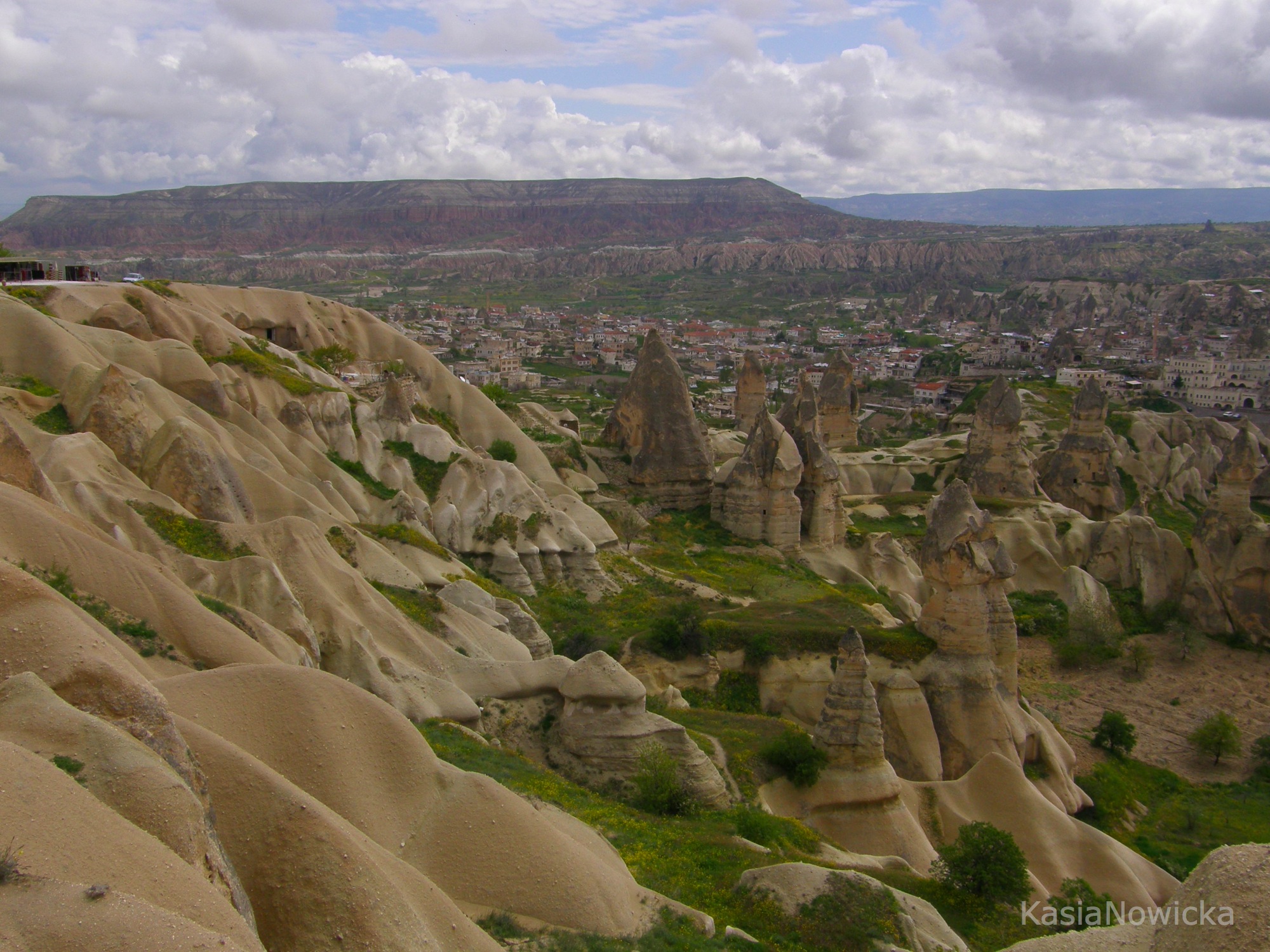 Kasia Nowicka visits Cappodocia, an area of natural wonders in the Central Anatolian region ofTurkey.
Going to Turkey for the first time, my priority was to explore Istanbul. But luckily my fellow travellers were looking beyond that city and decided to go to Cappadocia – the land of wonders. Trusting my friends’ instinct, we eagerly bought return tickets for a night coach heading to the heart of Anatolia.
Now, you might ask why not the train? Well, that’s just the way it is – when in Turkey, travel by coach. In fact, there are two reasons: first – the train tickets are cheaper indeed, but the journey might take four times as long as the coach; second – the road system is much better developed than the railways, and frankly, the tarmac is in superb condition ensuring a smooth journey. Besides, who would give up a trip by coach that is almost comparable to the Orient Express? The passengers are very well looked after, and despite travelling at night the coach attendant makes sure you eat and drink well and your hands are refreshed every couple of hours. Apart from sampling a variety of Turkish cakes, we were introduced to an exceptional invention specially made, it seemed, for coaches. It was a long sachet, the type of 3-in-1 coffee, that was both a tea bag and a stirrer at the same time.
 Enough about the journey, after eleven hours drive we arrived early on a chilly and damp morning at Goreme, longing for a hot breakfast and a stretch on a bed. Our host – an absolutely lovely, sincere and genuine elderly man who runs his family business with a little help of his hot-air-ballon-business-occupied son and his stunningly gorgeous daughter-in-law. It was a simple establishment but extremely welcoming. Emre, the host, after asking what we would like for breakfast, got on his motorbike to get fresh ingredients for menemen – a type of omelet with garlic, hot green peppers and tomatoes baked in a clay pot. That was served with soft and fragrant Turkish bread and a glass of instant coffee. I must admit that was the best breakfast of my life.
Despite the tiredness, we ventured into town in search of ‘tourist attractions’. Despite its location and beauty, Goreme seemed to be a calm and quiet place. The many houses were nicely displayed at the foot of the surrounding hills. Our first stop was supposed to be an open air museum, but we got distracted by the intricate beauty of locally produced ceramics. Each plate and vase displayed a legacy of this such far but such close culture. The owner soon noticed our enthusiasm and invited us inside. No, not to talk us into a purchase but to show the premises of his workshop and tell us a little about his work. We saw a few masterpieces but I was mainly struck by the eyes of the master. His big dark eyes were inhabited by deep melancholy that immediately reminded me of the term ‘huzun’ Orhan Pamuk uses in one of his books. It turned out later that this sort of melancholic gaze would accompany me for the rest of the trip.
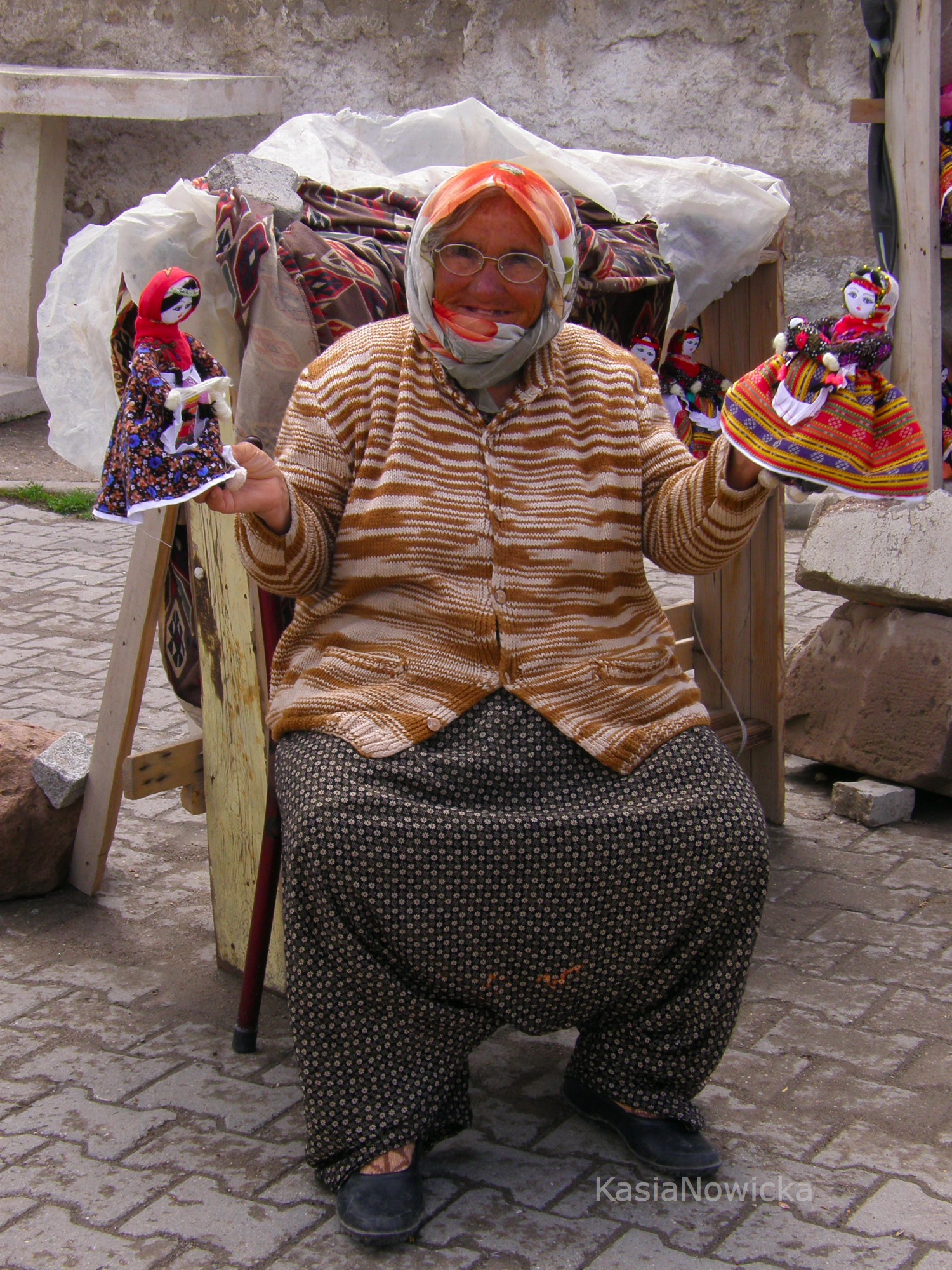 Before we managed to get to the open air museum, a monastery with cave churches, we couldn’t resist but pop into a cave cafe. It was a rainy and chilly day and we were definitely in need of tea and something sugary. My choice was Kemal Pasha (not to be confused with Mustafa Kemal Pasha) – a dessert that tastes heavenly. A few baked balls of dough soaked in sugary syrup washed down with Turkish tea drank from an ever so delicate tulip-shaped glass improved my mood no end. I was ready to face the enemy – the unpleasant weather in the open air museum. The museum was great, but the tastes, views and smells of that day will stay with me longer.
The next day was a time for an escapade to underground cities scattered around the region. We took up an offer from a tour company for a very reasonable price as the owner was a friend of our host, Emre. The day started on a more positive note but dark clouds were looming in the distance. When we arrived at the Dirinkuyu Underground City we just managed to escape the rain. Walking through the labyrinth of corridors, the guide familiarised us with the history of the place, including the fact that it could shelter around 20,000 people at a time. Leaving the underground city, the sun welcomed us radiantly as well as several local women trying to sell us hand-made cloth dolls. They were shouting 10 lira, then 5 lira, and when there was still no interest, they lowered the price to 1 lira. I wanted to buy one just to support these clearly very poor women, but my reason was telling me that I didn’t need a doll. Now my heart is saying that I should have got one, to support them and have a fabulous and original souvenir.
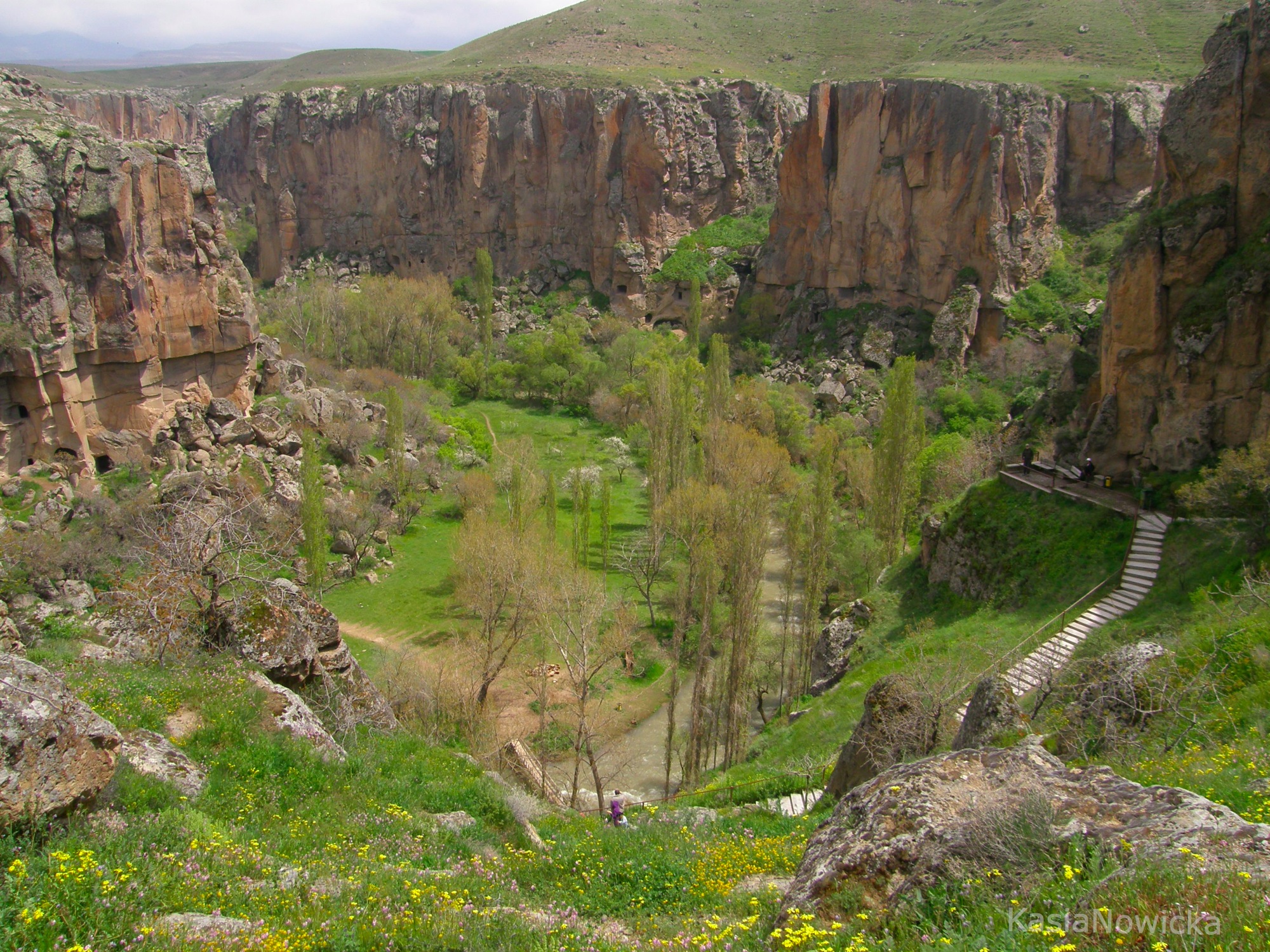
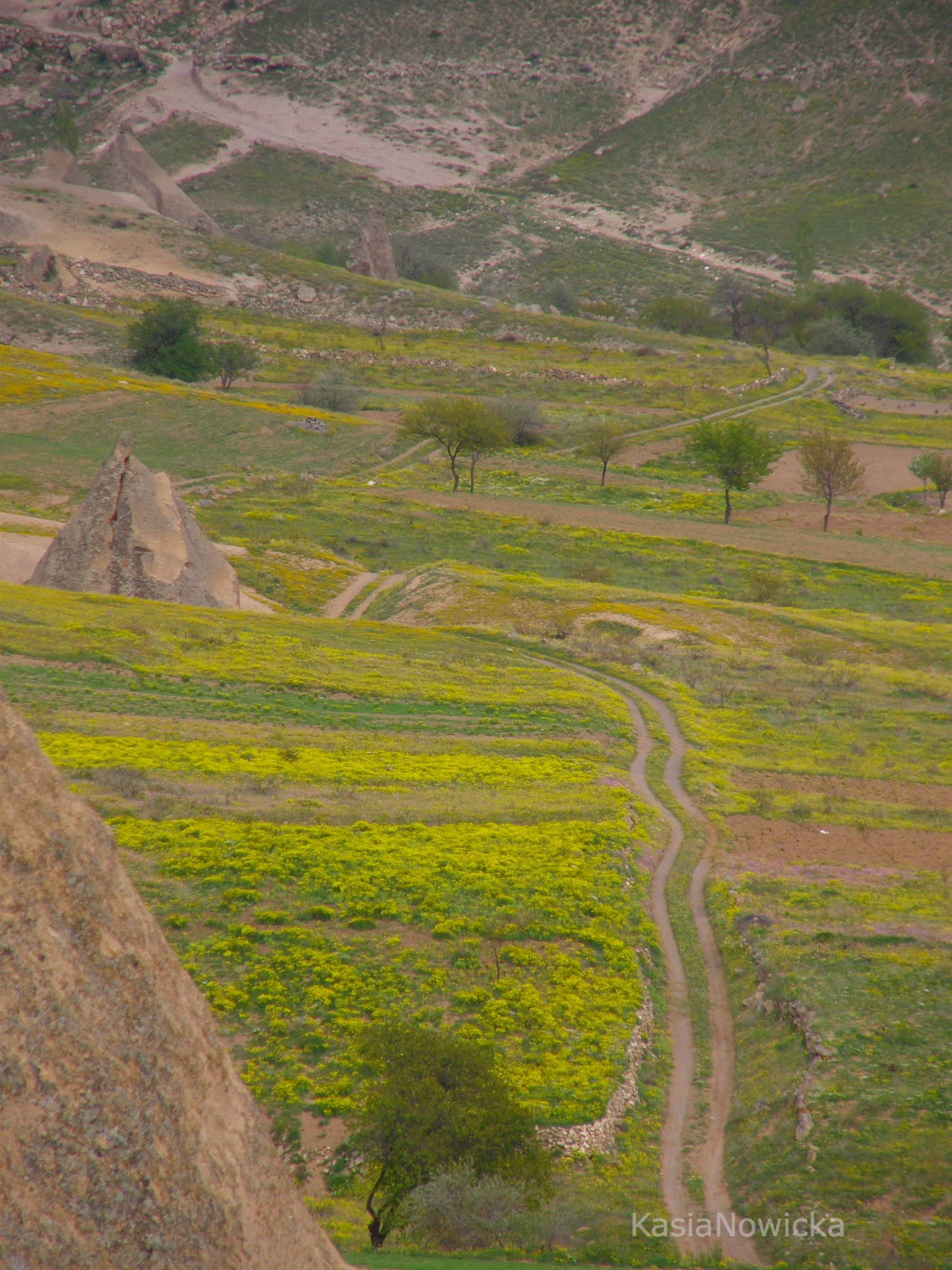 The rest of the day was glorious; weather and sightseeing wise. Ihlara valley was next on the itinerary and it struck us with its beauty. It is the most well known out of Cappadocia valleys, and no wonder. Greeting the two playful donkeys on our trek we reconnected with nature. Another valley we had a chance to look at from above was the Pigeon Valley dotted with man-made caves. It was the highlight of the day for me, especially when our guide explained the controversy over the use of the caves. They have been used by people for centuries, but now UNESCO claims that people should stay away from them as they are pigeons’ habitat. And then I saw melancholy in the guide’s eyes. They were looking glazed over at the fatherland; the voice expressed injustice while uttering the words: “…as if people were not important”.
Leaving Cappadocia I was not ready to say good-bye. I will definitely return, at least to buy my doll souvenir.
New Hampshire and Vermont in a day
 Gregor Swiderek spends 24 hours in New Hampshire and Vermont finding ‘rural perfection’ in the scenery he passes.
My second encounter with New Hampshire was rather brief. I entered the granite state in the early evening and headed straight to North Conway in the White Mountains. Conway is a bizarre sort of place, something of a cross between a resort village and a suburban shopping mall. Only in America. After booking myself into a typical no-frills motel I went in search of something to eat. Luckily I didn’t have to search too far as after just a few minutes walk I came across Hillbilly’s Southern BBQ. Yes, an authentic southern BBQ right bang in the middle of New England. Here I have to mention that I absolutely love American style BBQ. In my opinion it is the best contribution of America to the culinary world. So you can imagine my joy when I discovered this little gem.
It was Monday night so the place was practically deserted with only two or three customers by the bar. You must know that in many establishments in America you can order food to be eaten at the bar where you have good contact with the bar staff and fellow customers. Great idea and especially handy when you travel alone as you can easily strike up a conversation. The food (pulled pork with all the sides) was great, the beer was cold and people were friendly. Continue reading New Hampshire and Vermont in a day