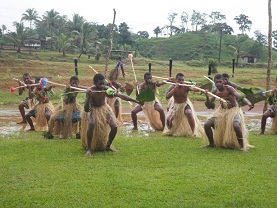
 Nestled away in the heart of the Pacific Ocean, straddling 180° longitude the Fiji islands are about as far away from England as you can get. For me that was as good a reason as any for choosing to apply to volunteer in Fiji, but the opportunity to gain worthwhile experience both in a working and cultural capacity also appealed. If you add to that the lush green landscape, the hot tropical climate and the welcoming friendly nature of the people there really isn’t a better place to spend a few months or more.
My placement was based in the interior of the main island of Viti Levuin an area lacking in any of the development and infrastructure seen in the tourist areas. I was working in a small secondary school with about 120 students aged between 13 – 19. The school itself is a community school owned and run by the 4 local tribes from the surrounding villages, which is also where the students come from. About 40 of the students were boarders whilst the rest would travel daily to school. My role in the school varied from teaching PE, music and art, to assisting with their English, to teaching Maths and Physics. There weren’t many subjects that I didn’t end up teaching at one point or another, and I was repeatedly thanked and told they don’t know how they would have coped without me. There was so much variety in the work I did during my placement; I went from teaching students how to play cricket, to reading music, to solving simultaneous equations. My work was not just restricted to the classroom; I was also involved in helping students train for the schools athletics competition, and trying to teach them the piano. Rest assured there is plenty of work for you to get stuck into.
Living in the middle of the Fijian jungle is obviously a bit of a shock at first, but you very quickly adjust. We were lucky enough to have regular electricity but the water supply was limited to a couple of hours a day which is obviously very different to the situation at home, where water is just something you take for granted. However the friendliness of the local community makes it very easy to adjust and cope with living in such a different environment so far away form home. Fijiis often called one of the friendliest countries in the world and it’s easy to see why. Everywhere I went people would greet me, and everyone within a 20 km radius seemed to know exactly who I was, which was probably because I was the onlykavalagi(European) around.
Whilst my weekdays would be spent living and working in the school, during the weekend I would usually stay in one of the surrounding villages. This could be a ten minute bus ride away, or if not on the main road, a two hour walk. It’s only really in the village that you get to experience the traditional Fijian way of life, but it’s also here that you will feel most at home. The way I was accepted into a family’s home and treated as one of their own was truly humbling. While in the village we might go to the farm to pull somecassava(a root crop) in the morning, or go fishing in the river to catch our food for lunch. The afternoon would be spent resting then maybe playing rugby or volleyball before bathing in the river. Rugby, especially sevens, is the national game of Fiji and games of “touch” are frequent. Anyone can join in no matter your age or ability so you can find yourself sometimes playing with about 30 people crammed into a space barely big enough for 10, but that is, as they say, the Fijian way.
Food is naturally a bit different from back home but one thing’s for certain there is always lots of it. The Fijians have a pretty big appetite so there is little chance of going hungry during your time here, and they will routinely tell you to “kana vakalevu”(eat plenty).Cassava,daloand the ubiquitousrourouare the staples of the village diet but there is also plenty of fish, prawns, chicken and other meat on occasion. The other ever-present in village life isYaqona(Kava), an important ceremonial and social drink, and you come to love the sound of the clang of metal in the evening as theyaqonais pounded.
Some of the many memories of my time in Fiji were:
- Jumping off the many waterfalls that are tucked away in Fiji’s interior.
- Exploring the local Wailotua cave, very big and full of cannibal history.
- Going fishing armed only with a spear, much more fun than using a rod.
- Watching Fiji win the Gold Coast sevens.
- The whole village was in one small house crowded round the only TV, passionately cheering their team on.
- Holding my first proper conversation entirely in Fijian without needing to speak any English.
- Visiting the island of Taveuni, the garden island of Fiji.
I’ve learned so much by living and working in Fiji for 11 months, the type of education I could never have hoped to have back home and it has certainly made me think much more about what’s truly important in life. You come to appreciate the importance of community and sharing and realise just how materialistic our society is back home. Everywhere you go you are met by smiling faces and you can’t walk past anyone’s house without them calling to you to come and drink tea. Leaving the community and leaving Fiji was very hard and I was tempted to extend my placement for a second time. My initial placement was for 7 months but I was enjoying myself so much that I asked if I could extend until the end of the year. Fortunately Lattitude and their representatives in Fiji were extremely helpful and understanding and facilitated this for me with the minimum of fuss I’m already planning my return and when I do go back I know it will feel just like returning home.
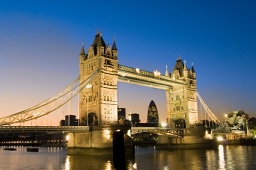 From the delights of its parks and canals and the River Thames to its atmospheric markets and varied shops, museums and galleries, London has so much to offer tourists and locals alike. Try one of our staff recommendations:
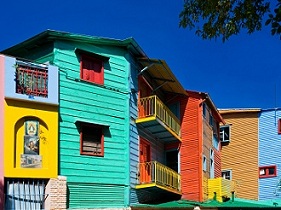 One of the great pleasures of going on holidays is having the time to indulge in some holiday reading. A good book helps pass the time on long journeys and is an enjoyable way to brush up on your knowledge of the history, geography and culture of the country to which you are travelling. With its deep historical and cultural roots, Latin American literature offers a wealth of knowledge to readers whilst immersing the reader in rich storylines that capture the beauty of the Latin American landscape. Here are 5 of our favourites:
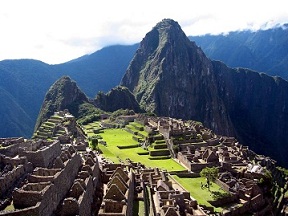 Rachael Gurney is facing the challenge of a lifetime as she prepares to trek up Machu Picchu in the Peruvian Andes.
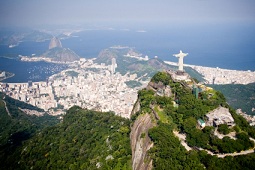 Think Rio de Janeiro Carnival and you think costumes, dancing, rhythmic melodies, celebration and revelry. Since 1723 people have celebrated carnival in their own way, but now millions of people flock to the Rio Carnival to Samba the week away in their best sparkly attire. It’s the biggest carnival in the world and the week-long festival is televised globally too, so make sure to book your
 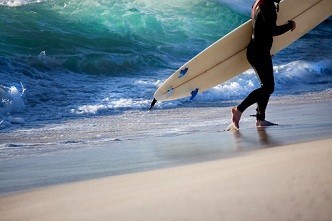 Aussies and surfing go together like beads on a bleach-blonde dreadlock, so if you want to master the art of riding the waves, you’re in the right country. Don’t know where to start? No worries! Oz has thousands of surf beaches, each with a school attached with instructors well-versed in getting people of all ages and fitness levels confidant on a surfboard.
  A journey to Asia is not only a linguistic and geographical adventure but a gastronomic one as well. Boasting
  Australia is a great place to spend an extended amount of time abroad, what with its amazing beaches, superb nightlife and great accommodation options. A full year in Australia is a great idea, but keep in mind that costs can be high so cooking food from the supermarket rather than eating out and looking for great travel deals should become second nature to keep costs down. Because the country can be a bit on the expensive side, so you might consider working while you spend your year abroad. All the information you need to you’ll find here.
 In January 2011, I embarked on the adventure of a lifetime! It would be my first time away from home and certainly the first time I had ever been to Africa. I wanted to prove to my parents that I could look after myself, despite being unable to keep my bedroom tidy and I wanted to prove to my friends that I wasn’t going to settle for just any old course from UCAS. I wasn’t sure what I wanted to be but I knew what I wanted to do!