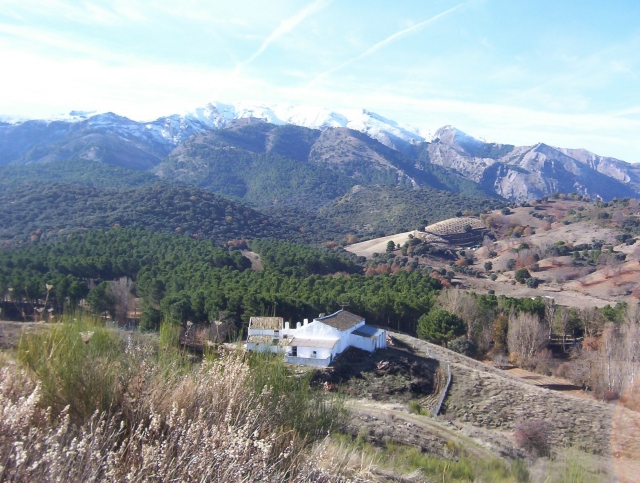
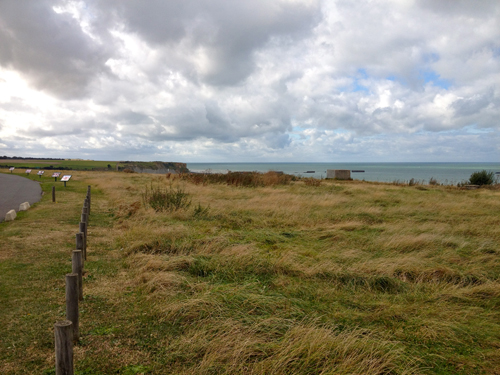
 Maggie Murphy shares her tips on visiting the many must-see historical sites of Normandy in France.
Normandy, in the northwestern corner of France, is well known to some for the natural beauty of its beaches, friendly locals and delicious crêpes and Camembert. To others, Normandy represents a pivotal moment in the story of World War II. Today, I want to share some of my favorite WWII locations and monuments in Normandy.
Travel to Normandy from Paris is fairly simple on trains from St. Lazare that go directly to Caen Central Station and Bayeux. Depending on which area you are more interested in exploring, the journey takes about 2-3 hours. Alternatively, the UK also has plenty of ferry routes that go to Normandy. I travelled with a guide, but you can just as easily travel alone as there are buses that travel from Caen to almost all of these historic sites. Check the timetables when you arrive, as the buses run infrequently.
 My first stop is the Caen-Normandy Memorial Centre for History and Peace. The centre is beautiful and offers in-depth background on the causes of WWII and insight into the lives of the French people during wartime. I enjoyed the first room of the museum. Set on a downward spiral ramp, it explains the lead-up to the war.
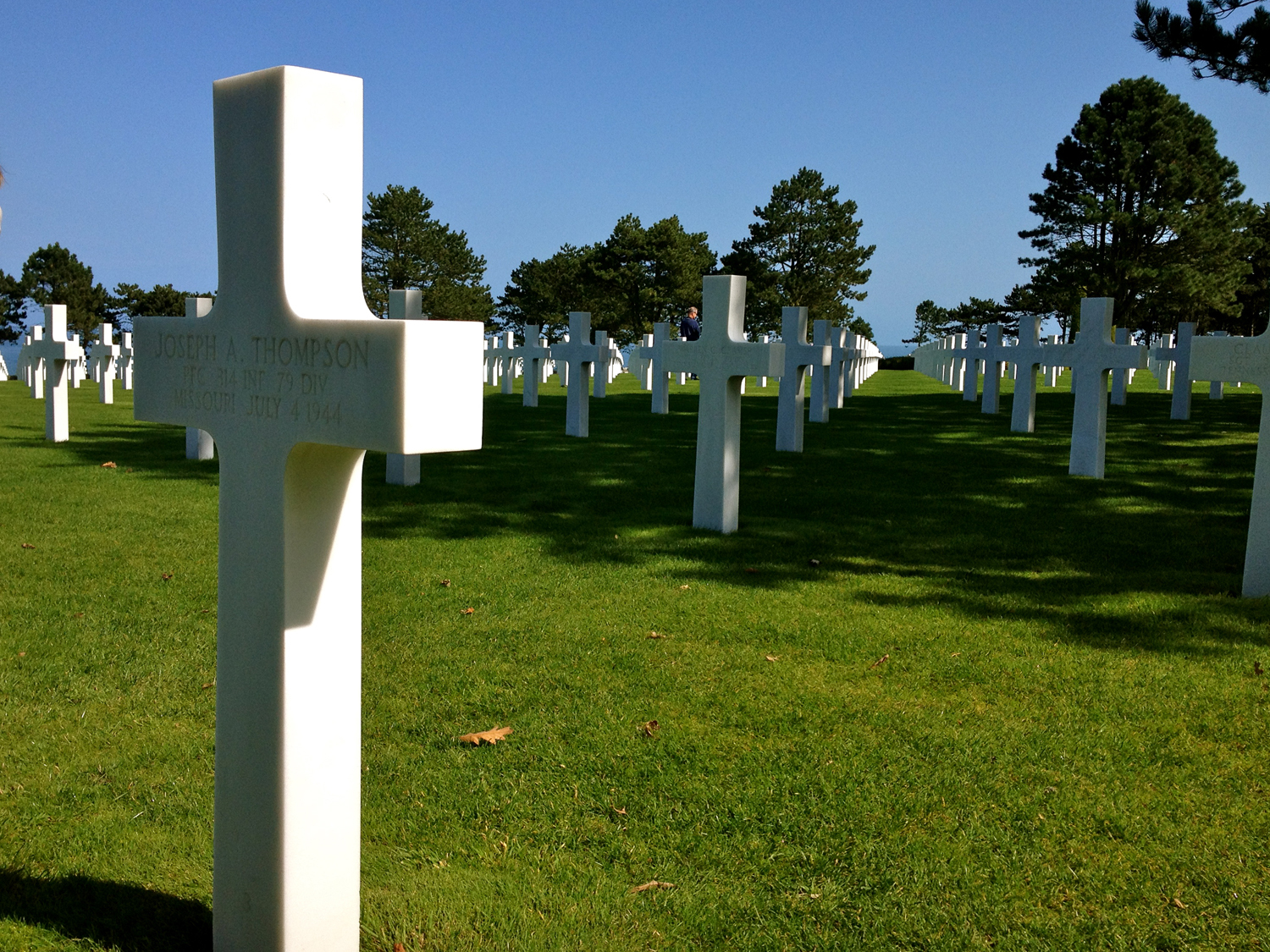
My next stop is one of the most peaceful places I have ever visited: the Normandy American Cemetery and Memorial. This cemetery, located on cliffs that overlook Omaha Beach, is the final resting place for more than 9,000 U.S. troops, most of whom lost their lives during the D-day landing. The white marble gravestones are striking against the background of the bright green lawn. The Garden of the Missing, a stone monument with the names of soldiers who went missing in action, is also a humbling sight. There is no way to describe the feeling that overtakes you in this place; you must go and experience it for yourself.
 A small wooden staircase at the edge of the cemetery takes you all the way down the cliff to Omaha Beach below. Another humbling experience, the beach stretches out for miles in either direction. When glancing up at the cliffs and seeing the thick brush, you can’t help but think of the difficulties the Allies faced on this beach.
Another significant area near Omaha Beach is Pointe Du Hoc. A memorial stands at the edge of a 35-meter-tall rock wall to commemorate the bravery of the U.S. Rangers who scaled it under fire during the D-day invasion. Today, bomb and shell craters still remain amidst abandoned bunkers; the area looks almost as it did immediately after the invasion.
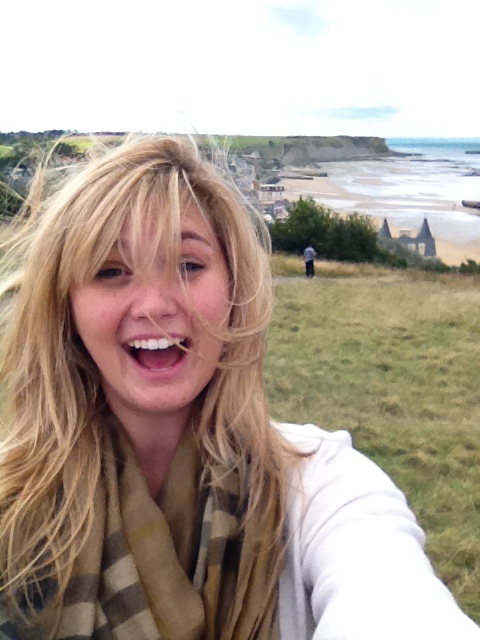
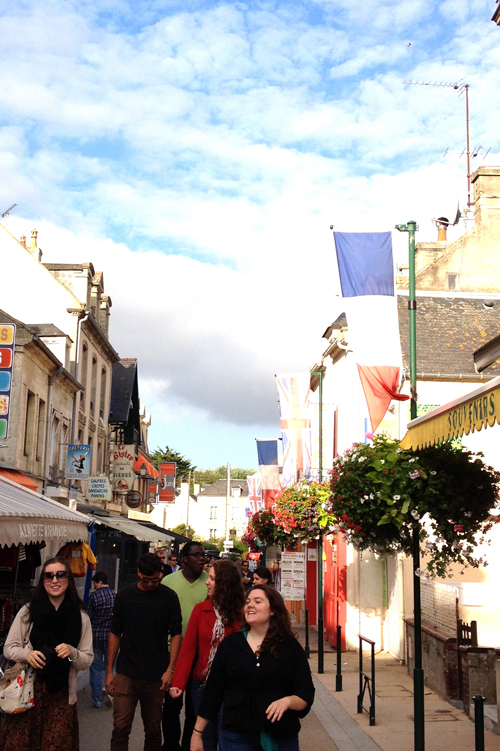 Finally, I really enjoyed visiting the remnants of Mulberry Harbour and the Musée du Débarquementin in the town of Arromanches. This small but informative museum provides models and dioramas that explain the story, construction and importance of the artificial harbor and the role it played in the events of D-day. After the museum, I suggest taking a walk through the town, which is quaint and picturesque with its small cottage houses and winding roads.
If you are considering a trip to Normandy this summer, I hope you make a stop at some of these historic sites. Everyone from the major history buff to a complete novice will find something to marvel at. If you have a favorite place in Normandy to visit or suggestions for others while they are in the area, feel free to comment below or add your suggestions to the Google map!
For more information about Normandy, its surrounding areas and other WWII locations, check out our wide range of books and guides for travel in France.

 Moving somewhere new whether it’s to the next city or a thousand miles away is always going to be a challenge but there’s definitely a lot more to get your head around when you have to breach that language barrier, navigate through new social norms, (I miss eating with my hands!) and the big one…. Adjust to the difficult situations and realities the people you work with face everyday that are largely, not something you can relate to. You can’t change things overnight or even in a few months but you can contribute to the continued and sustained work local people are doing in these areas to help empower and build awareness in whatever area you’re working in. And let’s not forget, in spite of these difficulties…
 Begin at the


 Stanfords is delighted to be the Official Bookseller at the