by Brian Finch
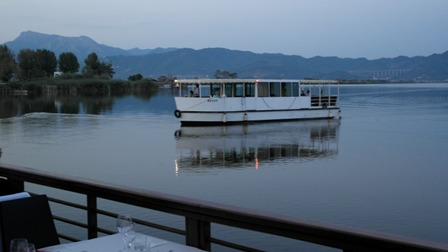 On the outskirts of the resort of Viareggio, on the Tuscan coast of Italy, is Torre del Lago. Literally this is the tower on the lake but unless this refers to the little summerhouse construction in the shallows of the lake, the original tower must have gone long ago. The little town, and lake Massaciucoli itself, is famous as the home of the great composer Puccini and host to a marvellous opera festival each summer. The approach is up a long and unprepossessing, though tree lined, street before, all of a sudden, the road opens up to a piazzale, an open space on the edge of a big lake, and beyond the water lie steeply rising mountains. Just as you emerge into the open there is Puccini’s house, now a museum, on the right and a huge open air theatre on the left. You are drawn down to the waterfront to admire the view before picking one of the restaurants that line the street facing the lake for a pre-opera dinner.
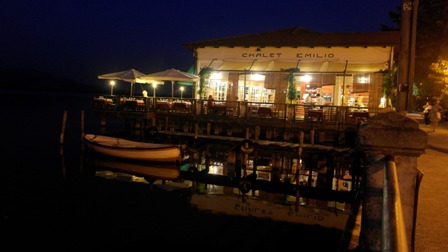 Perhaps, if you are in-the-know you will have booked the Chalet Emilio, which is the only restaurant that is directly on the waterfront. Whilst there places to eat further into the little town that are more renowned for the excellence of their food the location here, overlooking the lake, is unbeatable. One year it provided us with the extraordinary view of aeroplanes dipping into the lake to scoop up water to drop on a forest fire in the hills behind but usually it is just calm and peaceful. This is despite those hills being slashed by the elegant white arched bridge of the autostrada to Florence: it is far enough away to be silent and the vehicles crossing it provide a slight sense of movement rather than disturbance. For a number of years the restaurant was closed, apparently due to an inheritance dispute, and we defected to Da Cecco, across the way, which is good, but contrasts with the calm of Emilio by being busy and boisterous.
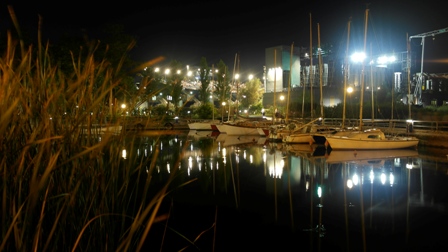 After dinner comes a stroll around the piazzale, a look at the little boats moored there, perhaps an inspection of the artworks on display. For years there were towers of ceramic blocks on the green, the work of a local artist whose ceramics I first saw in a gallery along the coast and from whom we bought a number of pieces for our lounge wall. We encased them in plenty of bubble wrap and took them home as hand luggage. I am not sure the budget airlines would let us do that today. As the light fades you stroll to the theatre, passing over a small bridge and causeway across a small yacht basin and a stream that flows into the lake. I remember a night when the opera was Madam Butterfly and the bridge was lined with Japanese lanterns. It is dusk as you join the crowds to enter, summer performances in Italy typically start around nine at night, but dark when you leave, so pause for a moment to enjoy the lights of the villages across the lake.
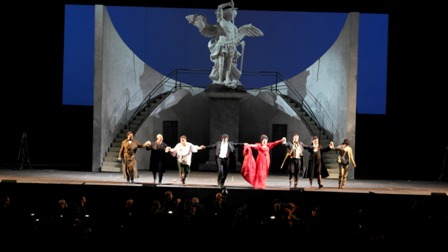 Inside the amphitheatre it is typically Italian: noise, bustle, apparent confusion and argument but that is just how they talk here, they are just being emphatic and expansive. There are also tourists from all around the coast. The opera itself is never less than marvellous albeit I am not a big fan of the acoustics here. One year I was sufficiently disappointed by the sound being carried away by the breeze to overcome my British reserve and move forward into better seats at the interval. Although not in the very front rank of Italian opera houses this is still a pretty big deal and attracts rising stars. And the atmosphere on a sultry summer’s evening seems somehow fitting to the opera. Sitting there and seeing the full moon rise above the stage is an added extra. In the interval the bar staff seem to know half the crowd pushing for service and waving for attention and if they don’t know you service can be slow. Of course there are no queues, just a crowd. Are the customers neighbours or just regular attendees, have the bar staff been paid in advance to provide quick service? Who knows, this is Italy and there is always some mystery about how things really work.
Planning a trip to Italy? We have a great range of guides to help you plan the perfect trip!
 By Debbie Valentine
 Tangier is a Berber city to the core since many Tanjawis have their roots in the nearby Rifmountains, home to Riffian Berbers and Tarifit, the local form of the Berber language. I expected this port to be as welcoming as the low-lying, comfortable divan in the front room of the Ababou family home inFrance, where I had been waited upon like a reclining pasha.
  A couple of years ago with my cousin we decided to visit the Lake District and Hadrian’s Wall. Visiting the district was my cousin’s dream for many years while I was always fascinated by the wall. So it all looked like a great trip..
 Well, it couldn’t have started worse. It was raining, it was windy and it was foggy. Classic Lake District weather. Still, we didn’t give up and bravely drove into the hills hoping for the best. We were touring narrow lanes of the district with the heating in our car running on high trying to convince us that it was actually warm. Obviously it didn’t work as any time we left the car for even the briefest moment the wind hit us with the full force of a hurricane, chilling us to the bone. Damn, it was just mid September, I don’t even want to know how it is there in January.
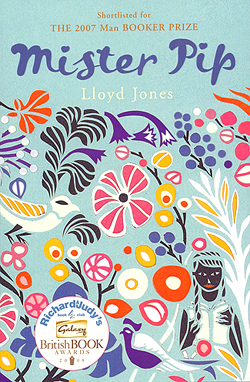
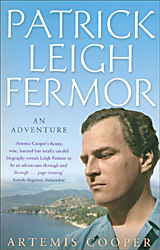
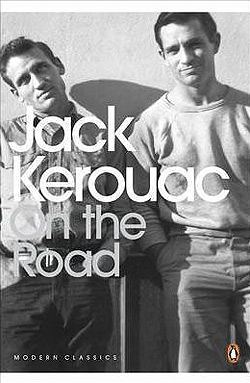
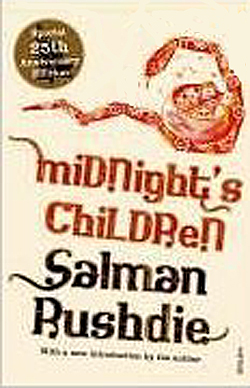
 This September the Booksellers Association is asking you to show your love of books by declaring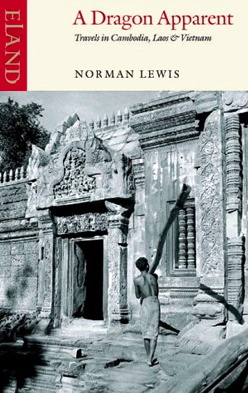


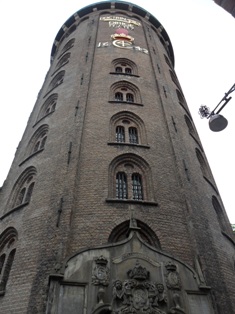 Scandinavia summons up different images for different people. Saunas, pickled fish, flat-pack furniture – whatever it summons up in your mind, each of the capitals make a great place to visit for a short break and have lots to do and see (including saunas and pickled fish, but maybe you can leave the furniture until you get back).
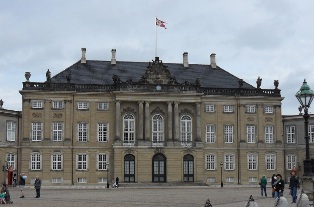 Copenhagen is home to seven castles and palaces. Of these, the most popular with visitors are the Amalienborg Palace, home to the Danish royal family, the Christiansborg Palace, home to the government and the Rosenborg Castle which is home to the Royal Collections and the Crown Jewels.
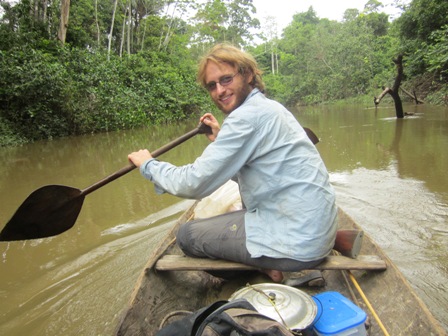 The Royal Geographical Society (with IBG) are offering an £8,000 grant for a project which furthers the understanding and exploration of the planet – its cultures, peoples and environments.
 The third winner in our