 By Debbie Valentine
The city formerly known as Leningrad is a place steeped in history, culture and vodka. St Petersburg feels as though it is still adjusting to not being a Soviet city, more than 20 years after the fall of Communism. With more than 200 museums, there are some fascinating places to see, and the queues and tourist shops will attest to their popularity, but equally you feel that crossing the street might lead you back to the seventies.
The city was founded in the early 18th century by Peter the Great, who captured the land from the Swedes so Russia could have a sea-port, and promptly laid down the Peter and Paul fortress. The fortress is open to visitors and contains the final resting place of the Romanov family.
St Petersburg is unique because of its fantastic architecture, and this is the big draw for many visitors to the city. A decree in the mid-18th century stated that no building could be higher than the Winter Palace (now the home of the Hermitage museum), which has led to the uniform look of the older parts of St Petersburg. The large number of aristocrats in pre-revolutionary Russia has meant that there are a vast number of baroque palaces along the River Neva, and it is a beautiful cityscape. The buildings of Soviet Leningrad create an odd dichotomy with the pre-revolutionary buildings. The functionalist buildings outside the centre of the city are definitely unattractive, but offer a glimpse into life in the USSR. Modern architecture is now making its impact on the city, and St Petersburg is now home to some skyscrapers, although regulations prohibit building near the historic centre.
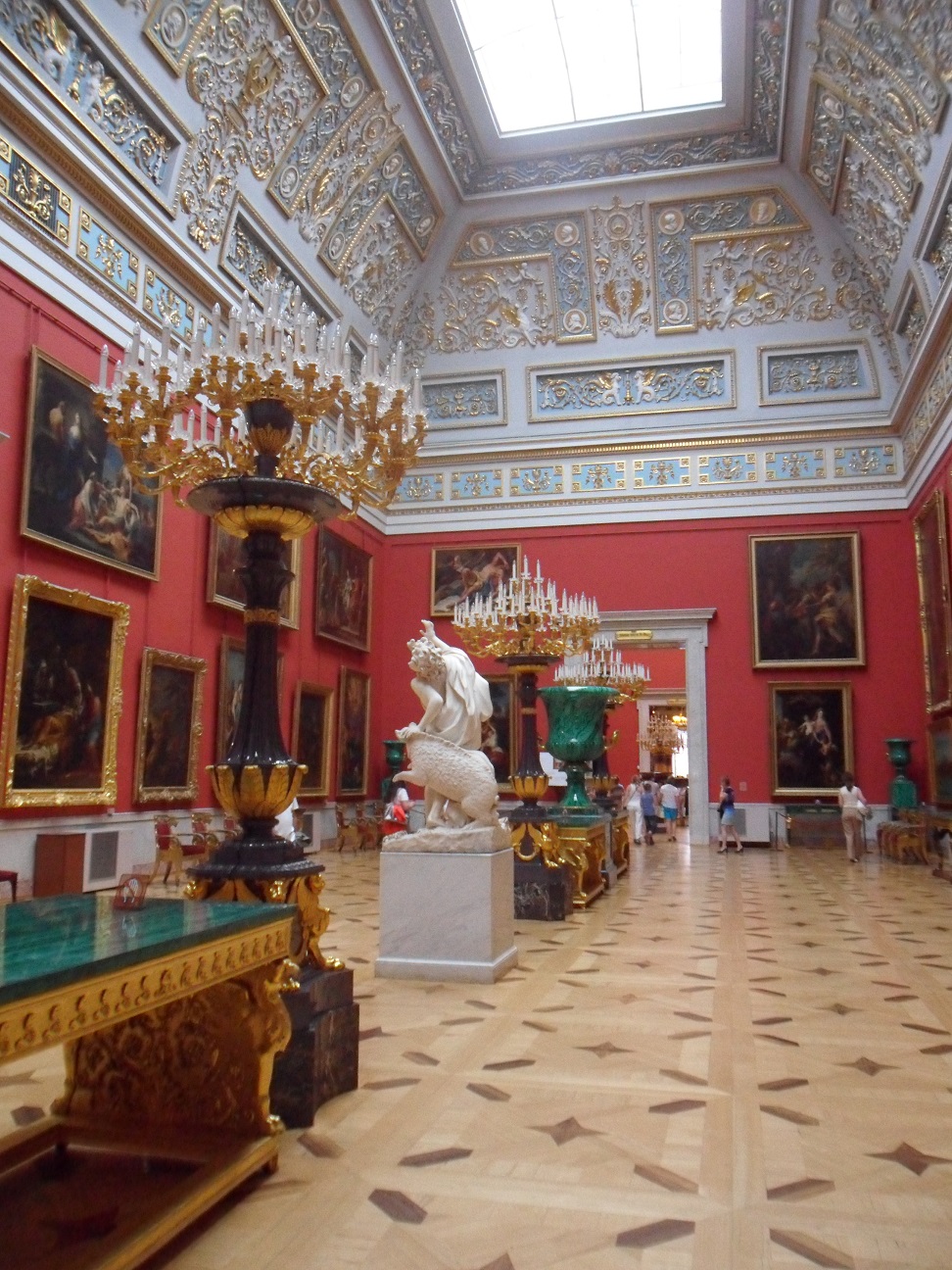
The Hermitage is the big attraction for many visitors. The Winter Palace of the tsars is home to one of the world’s great art collections, and a testament to the wealth and taste of Catherine the Great. The restored rooms of the Winter Palace show the ostentatious wealth the tsars enjoyed, and is a fascinating insight into pre-revolutionary Russia. The spectacular Western European art collection of the 13th to 20th centuries is displayed in more than 120 rooms, and every great artist is represented, including works by Leonardo da Vinci, Michelangelo, el Greco and Rubens, as well as a particularly fine collection of Impressionist art. The museum is also home to prehistoric, Egyptian, Classical Greek and Roman art and artefacts. Any art lover will enjoy taking the time to wander the rooms of the palace and see its treasures, but any visitor to St Petersburg should try to squeeze a visit to the Hermitage into their itinerary, as there’s nowhere else quite like it.
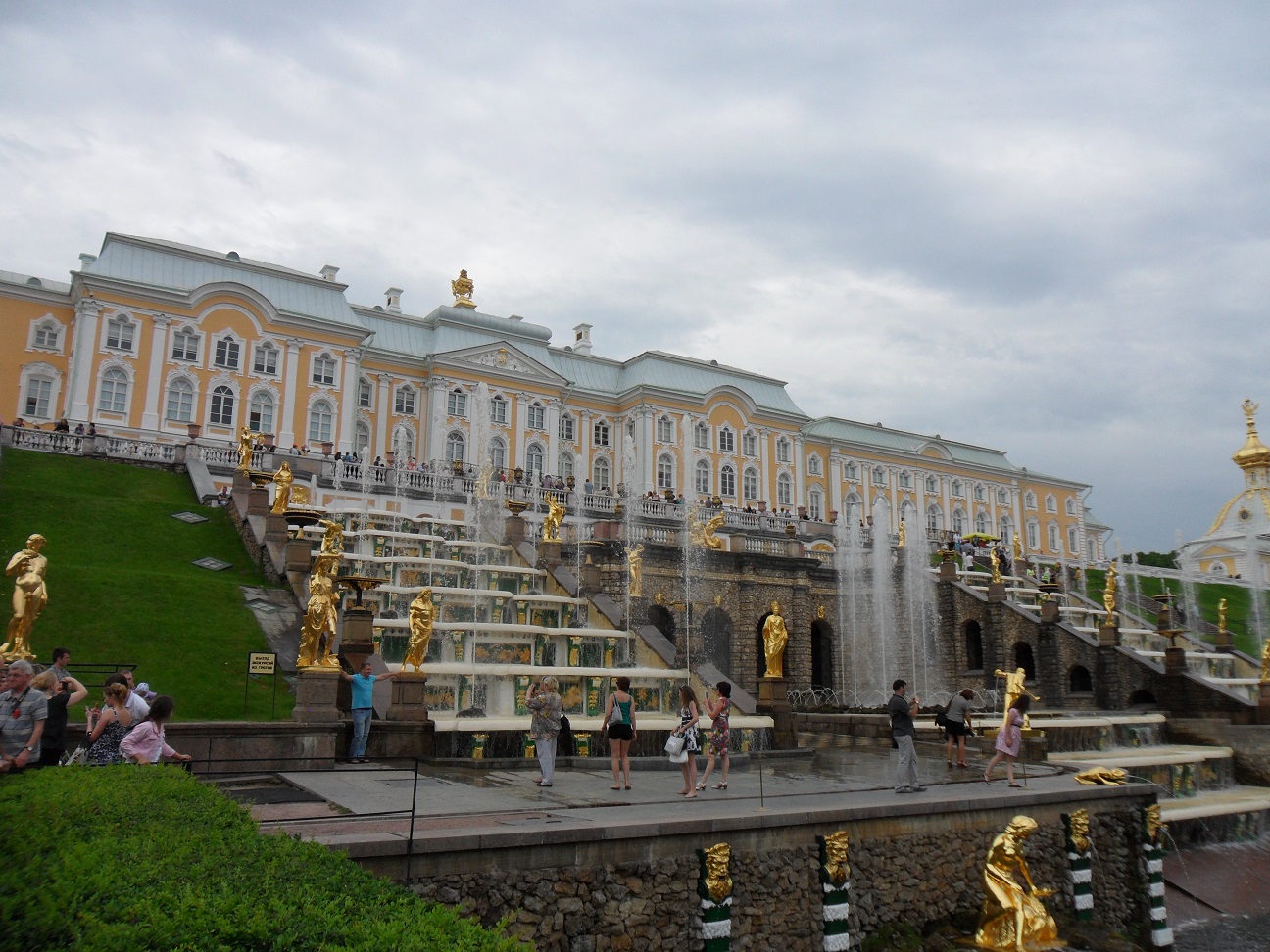 It’s definitely worth taking the time to get into the suburbs of St Petersburg where the tsars built their summer palaces. The Catherine Palace has a stunning blue and gold front 325 metres long, and is home to the famous Amber Room, subject of many an urban myth about being looted by the Nazis. The interior of the palace was destroyed by Nazi bombing during the siege of Leningrad, and was painstakingly reproduced after the war, and the results are spectacular. Peterhof Palace was Peter the Great’s summer palace, and has stunning gardens and fountains, and is often referred to as Russia’s Versailles. Like the Catherine Palace, the interiors and gardens were restored after the war and the results are just as stunning. Be prepared that if you do visit there will be significant queues, but they really are worth the trip.
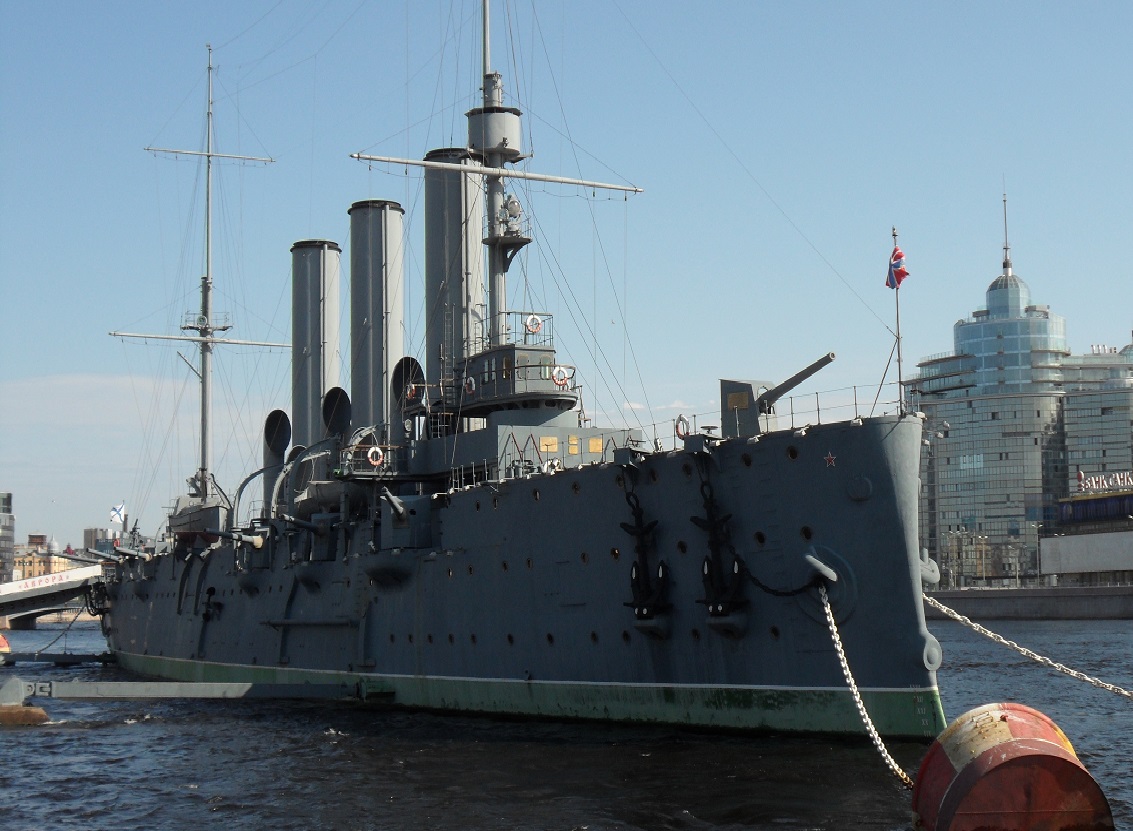
The twentieth century gave St Petersburg a new lease of life, as it was no longer the Russian capital, and has left some fascinating history. It was from the battleship Aurora, still moored on the River Neva, that the shot to signal the start of the revolution was fired. The inhabitants of St Petersburg are particularly proud of their city’s role in the Second World War, withstanding a siege by the Nazis for 872 days during which approximately one million people died. You can explore the sombre but absorbing history at the Blockade Museum. The St Petersburg Metro, like in Moscow, is spectacularly decorated with stations decked out in marble and gold, lighted by chandeliers. Under Communism the great St Isaac’s cathedral became a museum against religion, with Foucault’s pendulum hanging from the centre of the dome. Now returned to its original function, it is a beautifully decorated Orthodox church open to visitors.
 Many visitors like taking the time to visit the ballet, opera or orchestral concert during a visit to St Petersburg. The St Petersburg school of ballet is one of the best in the world, and the city is home to many music festivals and performances, and with more than 80 theatres, you are bound to find something to watch.
Although a lot more welcoming to tourists than during the Soviet era, it can still feel confusing and quite alien to visit Russia. With no knowledge of the Cyrillic alphabet it’s easy to get lost and confused as, although lots of people do, English is not as widely spoken as in other European countries. A lot of words are the same or very similar to English and French, and picking up the odd word will certainly help. One benefit of increased tourism to St Petersburg, and the recent boom in cruise ship tourism, is that there are lots of English-speaking guides, and it is a great way to tour the city, especially if you want to go a bit further out, with a knowledgeable native speaker.