-by Owen Hatherley
One of the things you learn compiling a guide to the best modern buildings in the country is that there are surprisingly few in Central London. This is ironic, because the capital dominates modern architecture in the UK, much more than it ought to – but planning regulations and widespread conservation have kept much of it outside of Westminster, and the area around it, in particular. But there are five buildings in a very short walking distance from Stanford’s where you can get some sense of what modernism in Britain is all about – its stylistic diversity, its long history, and the different ways it has adapted – or hasn’t – to historic context.
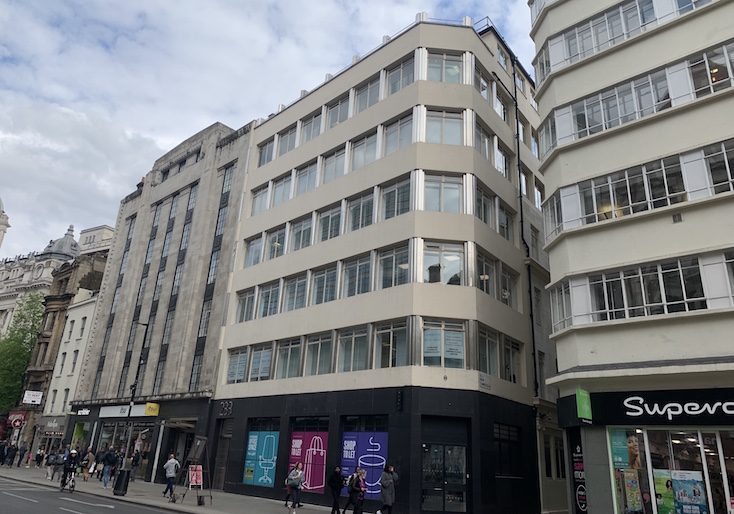
The first of these – and one of the first modern buildings of any kind in Britain, aside from industrial structures and train sheds – is Kodak House. Part of the London County Council’s purpose-built bureaucratic boulevard at Kingsway, this small office block for the photography company was built in 1911 to the designs of the Scottish architects Burnet and Tait. In that era, Glasgow was often closer to New York and Chicago, in spirit, than to London, and you can see that here – a laconic grid of stone applied without fuss or pretension to a steel frame. But Britain would largely sit out the explosion in modern architecture that happened between Rotterdam and Moscow in the ’20s, meaning London’s first building to be influenced by the likes of De Stijl, the Bauhaus and Soviet Constructivism is Crawford’s on High Holborn, opened in 1929, a sleek chrome and concrete shop and showroom by the abstract painter and architect Frederick Etchells.
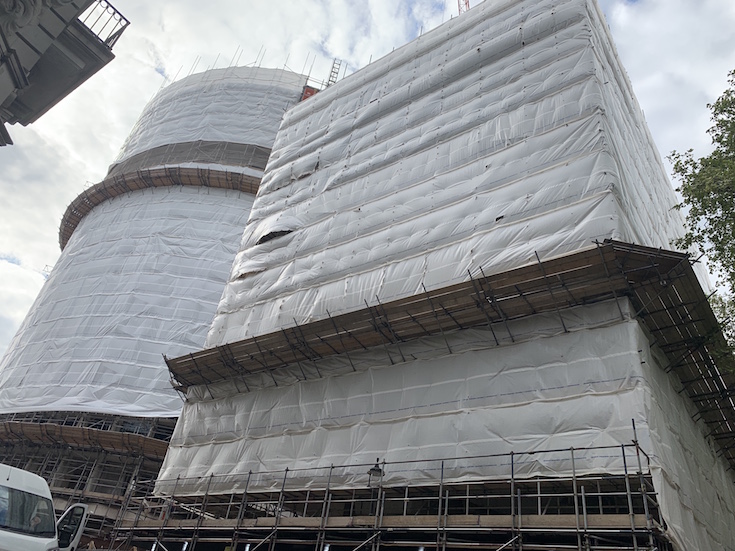
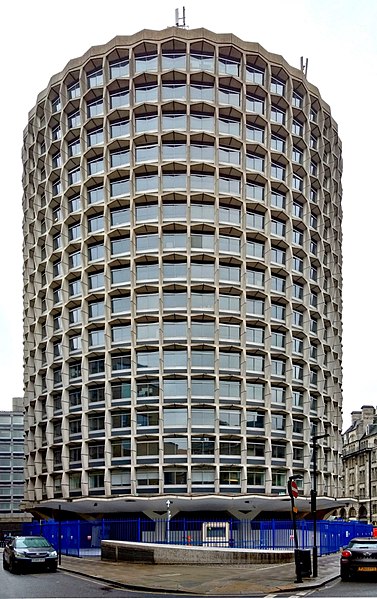
A really dramatic modernism only really gets going in Britain after the war, and is especially notorious in the sixties. Space House, again on Kingsway, is a 1964 design by Richard Seifert, whose architecture was slick, commercial and with a Pop Art vim – the cylindrical tower, with its faceted pre-cast concrete panels and the sleek low-rise block facing the street, ignore pretty much everything else around – but they create their own new futuristic kind of space, especially in the overhead walkway connecting them.
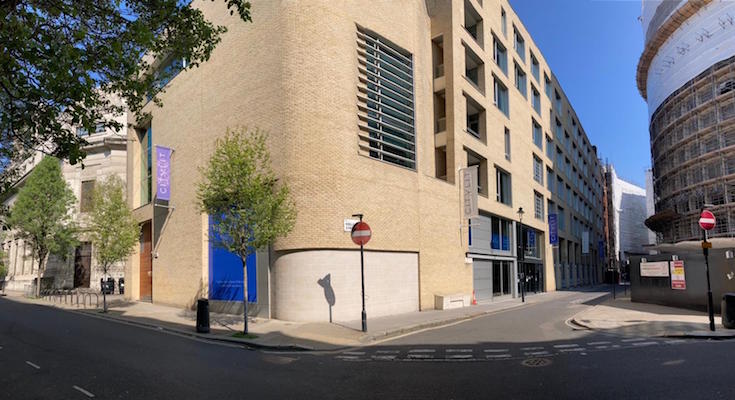
Modern architecture has revived since the doldrums of the 1980s, but often engages less brusquely with what already exists. Round the back of Space House is City Lit, purpose-built in 2005 to the designs of Allies and Morrison for the adult education college. Its relaxed irregular pattern of windows and its soft yellow brickwork is obviously inspired by the Peabody Trust social housing nearby.
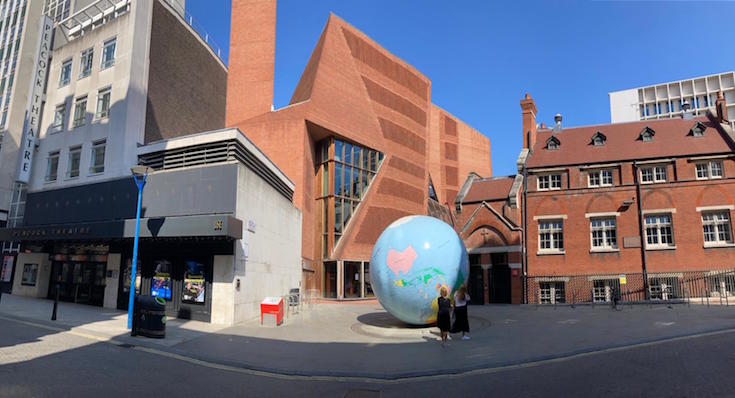
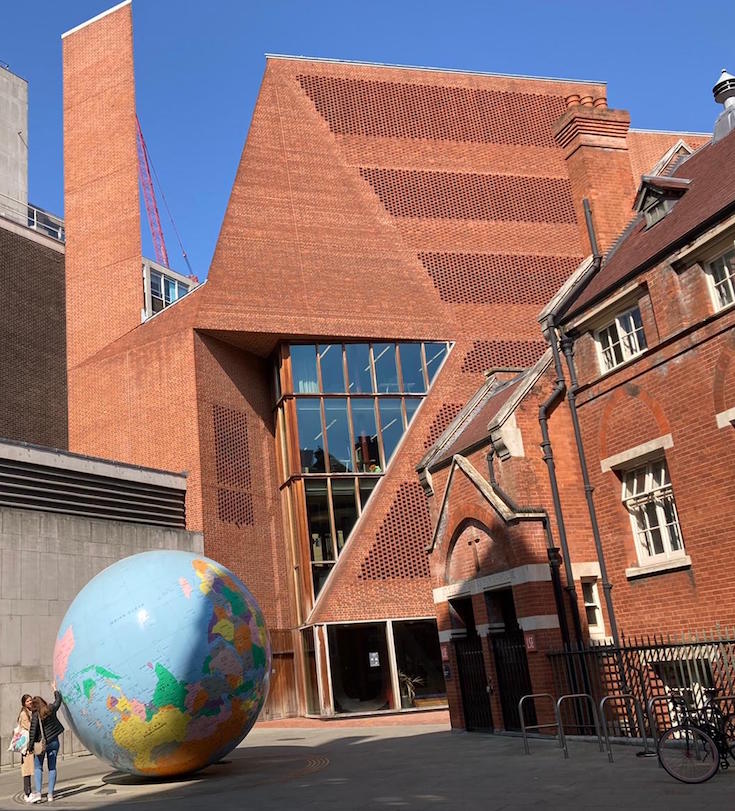
Squaring the circle is the recent Saw Swee Hock Student Centre at the LSE, a 2014 design by Irish architects O’Donnell and Tuomey. Its knobbly brickwork suggests an allegiance to historic London building traditions, but the dynamic and aggressive modelling of the structure is like nothing else around, and shows that new things can still happen, even in a place as old as this.
Watch Owen introduce his new book and summarise the arguments within using models.
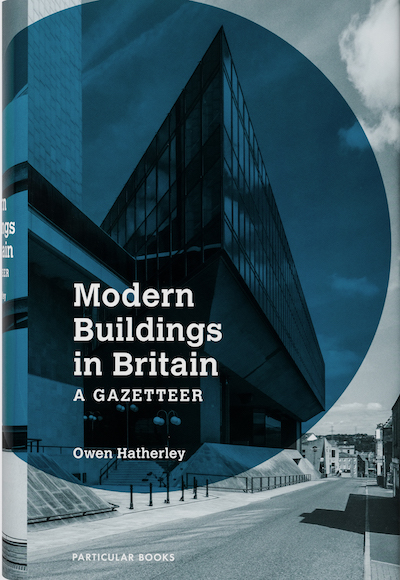
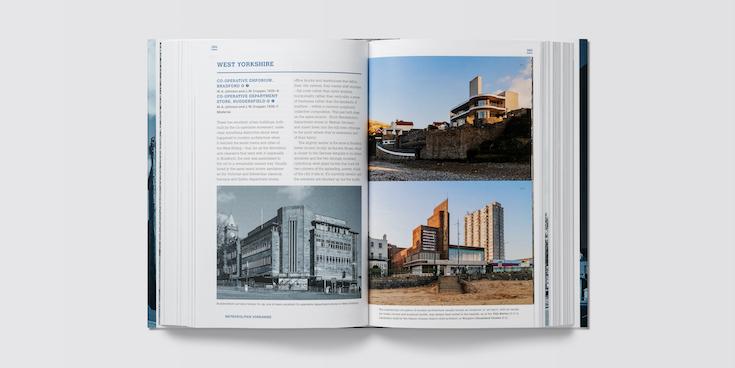
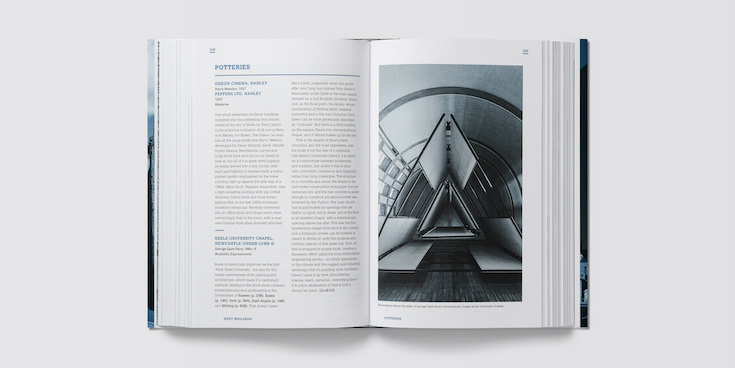
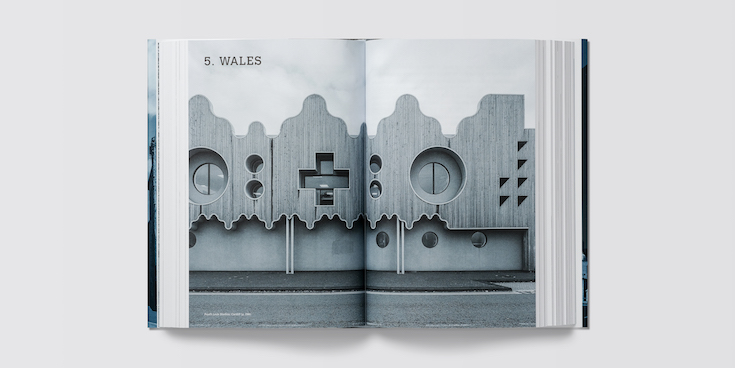
Modern Buildings in Britain: A Gazetteer by Owen Hatherley is available now for £60