 Fancy spending a month on a Costa Rican beach; six months of diving in the Philippines; two weeks camping out in a jungle; or a year getting to know life in a rural Indian village..? Volunteering can open up all sorts of amazing opportunities that you might not normally come across, and you get to stay somewhere fantastic for a longer period of time – making your holiday spending stretch further.
Volunteering is not just the domain of 18-year-old gappers – anyone up to the age of 75 can participate, and with placements lasting from two weeks to a year, or even more, you can go on a placement on your annual holiday or on a career break. Volunteer work brings all sorts of benefits, not only to the community or environment you’re working in, but to you, too. You could choose to work on a placement that utilises your skills or interests , or you could decide to do something completely different and new.
Reasons to volunteer
• to help or develop a less fortunate community
• to get a fuller experience and understanding of a culture
• to enhance your CV
• to see more of the world for less money
• to learn a foreign language.
What you could do
Depending on your skills and interests, you could…
• help animals – in a rescue centre, or carrying out surveys
• work in conservation – monitoring sea turtles or coral reefs, for example
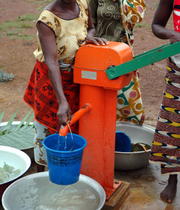
• build and develop – schools, wells for villages and so on
• teaching – mostly English to children or adults, although you could end up teaching other subjects depending on your skills-set
• work for a local radio, magazine or newspaper to address or promote current issues.
Where
Anywhere in the world – volunteer placements are available in almost every country and every kind of environment.
How long for?
This is dependent on the type of project you choose – varying from one week to years. Your working hours on a placement are normally 9-5 on weekdays, but again, can vary.
Ethical volunteering
Before you embark on a volunteering placement with an organisation, check it will actually be of benefit to the host community you’ll be working in. In particular it’s crucial that your volunteer placement isn’t taking paid work away from a local. An organisation with a good volunteer programme should be able to tell you exactly what you will be doing and for how long, where your money goes, and they should have a clear support and training provision. Look for an organisation that is committed to a project for the long term as well. Check out ethicalvolunteering.org for more detailed guidelines.
How to…
…with an organisation
Be it a limited company, not-for-profit organisation or a charity, this route provides a certain amount of security, and depending on the organisation or sending agency, and how much you pay, they arrange and support almost everything for you – accommodation, meals, transport, as well as the placement itself. In most cases you need to buy your flights separately and of course take your own spending money.
Examples:
i-to-i is a limited company that offers a broad range of volunteering and gap year opportunities.
VSO is an international development charity that works through volunteers to fight global poverty and disadvantage.
Raleigh International is a UK-based educational development charity that aims to help people of all backgrounds and nationalities to discover their full potential, primarily through 4-10 week expeditions to Borneo Malaysia, Costa Rica & Nicaragua and India. The expeditions themselves generally comprise three parts – adventure, environment and community.
Projects-Abroad.co.uk is a sending agency that offers placements worldwide in teaching, care, conservation & environment, medicine & healthcare, and business.
ResponsibleTravel.com is an ethical travel company offering a range of volunteering holidays, among others in worldwide destinations.
…independently
You don’t have to go through an organisation – it’s always possible to find work once you’re out there, with a bit of research. This way can end up costing much less, and you might get a better feel of the project before signing up to it. Research online or in guidebooks before you go to find out where would be good places to find a project, and once you get to your chosen destination, arrange a meeting with the volunteer organisers to find out more.
Nearer to home
You don’t have to travel far to do volunteer work – there are thousands of opportunities all over the UK that you can participate in during a one-off break, or for one or two days every week. You could help out in an animal rescue centre; spend a morning listening to schoolchildren read; practice your retail skills in a charity shop; help maintain community gardens; help out in a homeless shelter…the list is endless!
Examples:
The National Trust offer roles in their properties across the UK, from being a visitor assistant, to gardening or conservation duties.
There are various animal and wildlife sanctuaries and rescue centres all over the UK that are always keen for volunteers – search online (on sites such as www.ukanimalrights.net/rescue) or in your phone directory for one near to you.
do-it.org.uk is an online directory of over a million volunteer jobs in the UK, it is part of the registered charity YouthNet, a non-profit-making organisation.
Pop into your local school or charity shop and simply enquire whether they need a volunteer. Check out listings and notices at your local library, too.
Author: Rachel Ricks