Canary Islands: Top 5 Hiking Holidays

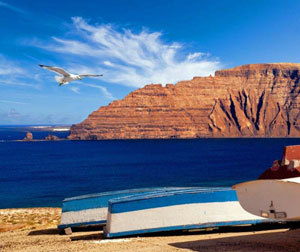
La Graciosa Canaries

Travel writer and Canaries expert Ervin Cenmurati reveals his top five hiking destinations in the Spanish archipelago.

The Canary Islands are a heaven for holidaymakers, with the archipelago attracting visitors throughout the year. Aside from the guaranteed sun and fantastic beaches, the Canaries are blessed with other natural wonders that relatively few have explored. The fact that the 13 islands are sitting on one of the largest volcanic regions in the world means the landscape has constantly changed. What better way to appreciate this unique setting than a hiking holiday? Here’s our guide to the top five hiking destinations in the Canaries:

1. La Gomera

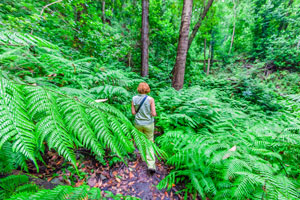
Crossing over to this small island is well worth it. Here you’ll find a trekking haven for beginners and those who prefer something more challenging. Just over 40 minutes from Tenerife by ferry (there is a small local airport but it closes early in the evenings), La Gomera boasts lush mini rainforests, jaw-dropping gorges, banana plantations and a community that’s developed one of the best languages a man can know: whistling. Yes, that’s right, ‘El Silbo’ is a recognised language that inhabitants of La Gomera use to communicate over long distances, spreading the word for various events such as weddings. It has been proclaimed one of the Masterpieces of the Oral and Intangible Heritage of Humanity by UNESCO, and is so natural to listen to that many confuse it with the sound of local birdsong.

2. Tenerife

One of the largest of the Canaries, Tenerife offers the visitor a fantastic range of hiking and trekking tours. One of the best known is an exploration of Mount Teide, the islands’ largest and highest peak. One for real trekking enthusiasts, this is a challenge that promises beautiful gorges and a breathtaking landscape on the approach to Masca Village: a small and traditional inland settlement that can also be accessed by car – but that’s cheating. Other famous treks worth considering are crossing over to nearby El Hierro, or finding hidden beaches like Playa Bollullo, Playa de los Patos or – the most challenging but also the most rewarding – Playa del Ancón.

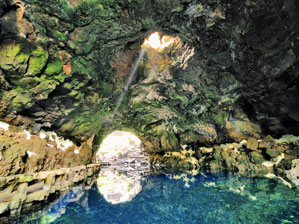
Jameos Del Agua

3. Lanzarote

Lanzarote offers great choice for hikers, especially around the coastal areas of Risco de Famara, Charco del Paolo and La Galeria de Famara. If you like the luxury of a private pool – but the way that nature intended – then from Costa Teguise trek to Cueva del Agua, where a stunning natural pool has been formed among the rocks. Lanzarote’s landscape offers fantastic walks inland too, especially in the Timanfaya National Park – though for more of an unusual challenge it’s worth visiting the smaller neighbouring islands of La Graciola and Isla del Lobos. One word of advice: Lanzarote’s cooled magma and the rocky landscape means it’s necessary to invest in some proper trekking shoes.

4. Gran Canaria

Famous for the sand dunes of Maspalomas and the fantastic scenery at dawn or dusk for romantic walk, this is Gran Canaria – where keen hikers find inhabited cave villages like Guayadeque and the breathtaking scenery and vertical cliffs of the Barranco Hormiguero Canyon near San Felipes. Off the beaten tracks and spectacular mountain scenery are abundant in Gran Canaria, and when you throw in the year-round beautiful weather it’s hard to resist the temptation of not visiting the second-most populous of the Canary Islands.

La Palma National Park

5. Fuerteventura

Last but not least is Fuerteventura – an island famous for its watersports, especially windsurfing, where every year the world championships and rallies are hosted.  The second-largest Canary Island offers easier-going treks than its island neighbours as its landscape is generally flatter. An excellent selection of coastal hikes can be found throughout the island, especially around Dunes Natural Park near Corralejo or Jandia Natural Park. Other routes to be considered are the volcanic mountain range in the north of the island near Colorada Mountain, or a coast to coast trek from Costa Calma to La Pared.

Ervin Cenmurati is an expert travel consultant at Directline Holidays and a freelance travel writer in his free time. He has travelled extensively around Europe and particularly enjoys finding rarities and venturing off the beaten path.

Colin Prior on the Karakoram Project

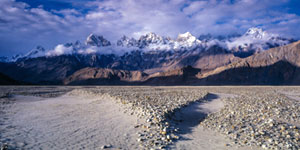
Godwin Austen GlacierThis summer, celebrated landscape photographer Colin Prior will travel to north-eastern Pakistan to kick-start his latest mission: capturing one of the world’s most spectacular yet oft-overlooked mountain ranges, the Karakoram.

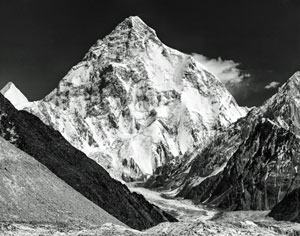
Home to the world’s second-highest peak, K2, the western Himalayan range also lays claim to being the planet’s most glaciated region outside the Arctic and Antarctic – and it was this stunning landscape that provided the spark for the Scotland-based photographer’s Karakoram project.

“The Karakoram is an area I’ve been passionate about since my first visit in 1996,” Colin tells us. “Back then I was working with British Airways shooting their corporate calendars, which meant travelling to 40 countries over a four-year period. Of all the fantastic landscapes I saw, the Karakoram stands out as the place that filled me with awe, and it’s really this that’s drawing me back.”

With sponsorship from Lowepro, Rab and LEE Filters, Colin and a colleague are planning a series of expeditions to the range over the next four years; a project culminating in the publication of a new book in 2018. So with four months and counting until the first trip, how are the preparations going?

Lowepro logo“There are two big challenges about making a book like this work,” Colin explains. “The first is pace, which is why we’ll be making a number of visits from different approaches – initially from Pakistan then later from China. Secondly, we’ll need to break away from what you find in all high altitude mountain environments: two colours, blue and white, which can become monotonous.”

The photographer will take two camera systems with him to Pakistan’s Himalayas, and expects 90 per cent of his images to be digital. “May and June tend to be the best months in terms of weather,” Colin adds. “I’ll leave in the third week of May when there’s the maximum amount of snow on the glacier. In September, another excellent time to visit, I’ll travel to the Karakoram’s northern side.”

Colin isn’t alone in his desire to return to the Karakoram. A cursory glance at the early history of mountain exploration reveals that Sir Martin Conway and the Duke of the Abruzzi’s imaginations were captured in much the same way – the former climbed Baltoro Kangri in 1892, while the latter ascended K2 17 years later. So what is it about the Karakoram that has such an effect on an explorer’s psyche?

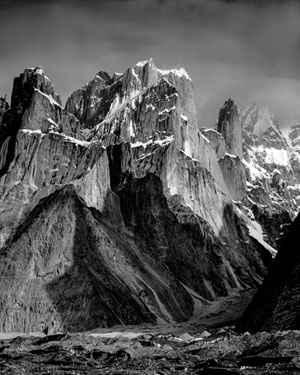
Trango Towers Baltoro Glacier“This is one of the questions I want to answer,” Colin says. “Central to the Karakoram’s appeal is how the mountains have been left undisturbed. While Pakistan isn’t the most stable of countries, the irony is that instability and a lack of investment have protected the Karakoram from development. If the mountains had been in India, there may well have been roads and lodges by now. But before any development can take place, the Kashmir situation will need to be resolved.”

Despite being home to four of the planet’s 14 8,000 metre-plus peaks and stretching for 311 miles, relatively few people are familiar with the Karakoram, and this is something Colin hopes to rectify on conclusion of his latest project. In four months’ time, he’ll enter the Baltoro Glacier from Askole, with the team of two being supported by their own sirdar, cook and porters.

“There are some key mountains I want to photograph, and initially I’ll spend some time around the Trango Towers having made my way from Urdakas. From there I’ll move across to the Mustah Tower, which is just one of the most amazing mountains,” Colin explains.

“What makes the Karakoram different is that because its peaks are so vertical they won’t hold snow – it just avalanches off. They’ve got character that’s not found in the peaks of Nepal and Bhutan – the rocks’ gradual weathering has resulted in profiles resembling towers, cathedrals and minarets. For a photographer to have these rising vertically from a landscape is just so visually exciting and stimulating.”

One of the most impressive peaks is K2, which rises to an elevation of 8,611 metres. “It’s scarcely believable to look at, just a pyramid of rock that rises vertically from the Godwin Austen Glacier,” Colin says. “Other highlights include Gasherbrums G1, 2, 3 and 4, of which 1, also known as the Hidden Peak, is the highest. While this is a well-trodden area, my second approach [through the northern slopes from China] will follow in the footsteps of Francis Younghusband – the man who laid the trail through the northern side, which the Eric Shipton expedition later mapped in 1938.”

Karakoram KhapluColin has read these early explorers’ original books to understand just what they felt and experienced in the Karakoram, and the photographer is keen to combine their mountain observations with his own, contemporary photography. “It’s this rich history of exploration that I want to seed through my book, which I hope will reveal how spiritually enlivening this region is,” he says.

You can keep up to date with Colin’s progress via his Twitter page.

Want to find our more about the Learn more about the Karakoram? Discover our range of maps and travel guides!

Visiting Kenya: Top 5 Tips

Kenya landscape

Ronny Lavie reveals her top five tips for travellers wishing to make the most of Kenya, an east African nation famed for game reserves, safaris and an idyllic coast.

Spending time in Kenya was one of the most powerful and incredible experiences of my life. There are many books and travel guides that will help in deciding where to stay and what to see, so I wanted to compile a list, from personal experience, of little things I believe will enrich your experience. Here are my top five suggestions:

1. Prone to motion sickness? Reconsider

A huge majority of Kenya’s roads are unpaved; not good in such a vast country. Add those two together and you get one extremely bumpy ride! I think the longest we travelled was seven hours in the safari car, being literally thrown about the vehicle. Rest stops are few and far between (though surprisingly well equipped). Of course when you get to the next amazing destination it’s all worth it, but I would at the very least advise stocking up on some anti-motion sickness sweets and possibly a few plastic bags.

2. Be patient

It is highly recommended to hire a local guide/driver. They’ll speak the native language and know the dos and don’ts, which in a country like Kenya is important. Also, they’ll have a mini-cab like radio system in their cars which they use to inform each other of animals’ whereabouts. Our driver got told of a tiger sighting and we drove to it, along with 15 other cars (we counted). After a while people started driving off, but my sister, who is cat mad, insisted on staying. When we were left on our own, the tiger jumped off its perch on one of the trees and started walking towards us, crossing the road right in front of our car. It had just started getting dark and we were there alone in the silence watching this magnificent animal from just a few feet away.

3. Beware of the monkeys

Monkeys are adorable, no question about that. However, they are also clever, capable and very greedy. Everywhere you go, you’ll be advised to make sure all doors and windows in your rooms and cars are locked, as otherwise you might come back to find your valuables missing and a monkey resting in a nearby tree sporting your sun hat. Do not be fooled – yes, they have cute little faces, but you are a guest at the hotel, they live there. You are invading their territory. My sister and I attempted to coo over a small monkey on our balcony, only for it to hiss at us and look set to attack. We screeched the place down and ran back inside. Consider yourselves warned!

Masai children

4. Bring toys for the Masai kids

One of the must-do experiences when in Kenya is to visit a Masai Village. My family and I had doubts as to how much of it was for the tourists’ sake, but it is fascinating regardless. By far the best thing about it is the children – they don’t really talk but they are very friendly and sweet. We brought small toys and, the kids’ favourite, balloons. Seeing them smile at you and wave goodbye as they play with their new toys is a wonderful experience and really made our trip.

5. Appreciate where you are

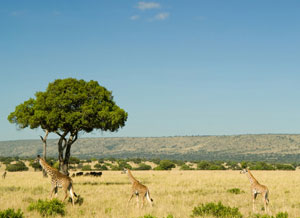
With the bugs, dirt roads and humidity, it is easy to forget what’s important – Kenya is absolutely stunning. Being surrounded by nature at its wildest and most primal form literally takes your breath away. We saw elephants that were several times bigger than our car, as well as ones shorter than me (and I’m not tall); lion cubs walked right by us; giraffes and hippos were in their most natural habitat right outside out hotel room door. Nothing I have ever seen compares to watching these incredible animals just going about their lives, barely even aware of our existence. It made me feel small and meek in the best possible way.

> Discover more with our range of Kenya travel guides and maps.

The Lower 48: Mission Accomplished

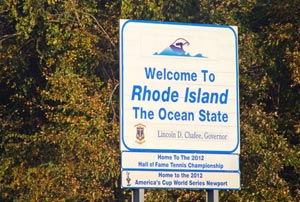
Rhode Island welcome signIt’s taken him over 11 years, but Gregor Swiderek’s crossing of the Rhode Island border meant he had completed the ultimate US road trip: visiting the 48 contiguous states south of Canada and north of Mexico.

October 14th 2012 started like most days when I’m on the road in America. I woke up in a low-cost chain motel located in one of those endless suburbs, watched a bit of the Weather Channel (which must be my favourite American cable network channel) and drove to the nearest gas station where I got myself a tea and some muffins. It was a bright and sunny but also crisp and cold morning and I was ready to clock up some more miles. Standard. Except for the fact that it was about to be a very special day for me.

The day before I’d had a great time in Manhattan – now I was leaving the NYC metropolitan area and heading towards Rhode Island, the last of the lower 48 states I had yet to visit. But more about that a bit later.

I left the strangely-named Parsippany in New Jersey and headed north. That way I avoided travelling via busy NYC (which can be a nightmare) but also gave myself a chance to see the famous Hudson River Valley. I got lost a bit while trying to avoid some toll roads but finally made my way to the Bear Mountain State Park located on the banks of the Hudson River.

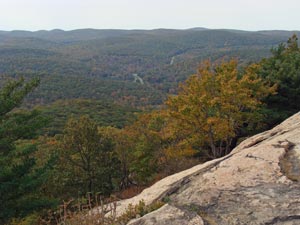
Bear MountainIt is hard to believe that this beautiful and wild spot is located only 50 miles or so from the heart of the Big Apple. Well, I say ‘wild’ – this being America, one can still drive all the way to the top of the 391 metre-tall Bear Mountain. There is a viewing tower and on a clear day the NYC skyscrapers are visible on the horizon. By the time I got there it was a bit hazy but I could still just about see them. Also clearly visible from the top is the majestic Hudson River Valley, which is actually an estuary rather than a river, but let’s not be too picky about the terminology. The views are particularly spectacular during the autumn when heavily forested hills in the region are ablaze with colours.

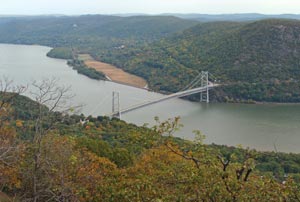
I crossed the Hudson via an impressive suspension bridge (also clearly visible from the mountain) and started heading towards the Atlantic. Being a road geek I couldn’t skip the chance of driving some bits of the Taconic State Parkway. This great highway was in fact designed by a landscape architect rather than the usual road engineer and it offers some great vistas. No surprise then that the road itself and all the structures are actually listed on the National Register of Historic Places, one of the longest roads with such recognition. But let me not get carried away with all the road stuff.

Hudson River suspension bridgeBy early afternoon I was driving across the suburban mess of Connecticut, thinking more and more about Rhode Island when somewhere east of New Haven I spotted the first sign announcing the SSN Nautilus and Submarine Force Museum. What? It sounded way too cool to be skipped so, as instructed, I followed more signs leading to the US Sub Base in Groton (don’t worry, the museum is actually outside the base so no need to go through security).

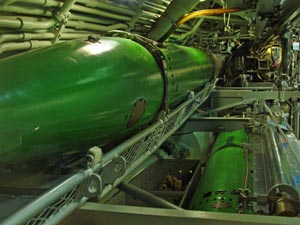
I have to say that these unexpected and unplanned stops are often some of the best experiences during my travels (like, for example, the Idaho Potato Museum), and the submarine museum was no exception. It has a real decommissioned nuclear submarine which you can enter and explore. It’s not some random sub but the world’s first nuclear-powered submarine, the USS Nautilus (SSN-571), which is also the first vessel to complete a submerged transit of the North Pole on 3rd August 1958 – a real piece of history and technological achievement. What was really surprising for me was the size of it, way smaller than I expected from something powered by a nuclear reactor. Another surprise was how ancient it looked on the inside, with all the manual switches and valves cramped into the small quarters. In the modern era of touch-screens and fast computers it really requires a leap of imagination to picture this thing going underwater in a controlled manner.

Apart from the Nautilus there are a few displays about the history of submarines as well as some hands-on exhibits for kids and adults. One of the best is a room where you can use the real working periscopes to look outside the museum building. You can for example look at your own car on the parking lot in the cross-hairs of the periscope and imagine sending torpedo into it. Pure fun.

Deadly NautilusFrom Groton I followed the interstate 95 northbound and finally, at about 5:45 pm, crossed the Rhode Island border. So, that was it, after just over 11 years since my first trip to the US I was finally visiting the last of the lower 48 states.

I have to say that Rhode Island is not a particularly exciting place. I’m sure there are some nice corners but for me it was all about completing the journey that started years earlier. After my first visit in 2001, I travelled there again and again until I realised a few years ago that I’d visited most of the states. It was only natural that my geographically-obsessed mind became fixated on the idea of visiting them all.

This brings us back to the sunny afternoon on the October 14th 2012 when I drove into Rhode Island which, as I mentioned, was the last of the lower 48 states on my list (there are still Alaska and Hawaii left, but they’re separated from the rest of the US and have to wait for my finances to improve). The moment wasn’t spectacular – no bridge crossing or anything even mildly exciting, just the usual welcome sign to the state alongside another sign stating that wearing seatbelts is required by law in Rhode Island. A bit anticlimactic to say the least.

I should have chosen some more spectacular state for the last one, but Rhode Island was just one of those corners I had missed during all my previous journeys. I mean I drove through it once, but I have never stopped there before (according to my unwritten rules, a visit to a state means stopping there for at least a few hours – simply driving through and a loo stop or two doesn’t count). I celebrated my achievement in a local motel by treating myself to my favourite chewy chocolate chip cookies and a cup of tea while watching the Sunday night football game – Green Bay Packers against Houston Texans. That was a good night (Packers won).

So, how did I feel? Of course happy but, to be honest, not too different from the day before. People ask me sometimes what I am going to do once I visit all the states. Will I start going for my holidays somewhere else? Somehow I feel that it won’t change much after I bag Alaska and Hawaii. Another common question is whether I get bored by always going to America. What can I say except that I’m already plotting yet another trip to the USA…

> Discover more with our range of Rhode Island travel guides and maps.

Why 2013 is Amsterdam's Year

If 2012 was all about London, 2013 is shaping up to be Amsterdam’s year. There may not be an Olympics or Jubilee scheduled in the calendar, but there are a succession of key anniversaries and events taking place in the Dutch capital. We take a look at five worth getting excited about:

Frozen Amsterdam canalFour centuries of Amsterdam’s canals

Arguably Amsterdam‘s most iconic sight, 2013 marks 400 years of the city’s historic Canal Ring – a UNESCO World Heritage site and one of the world’s most unique urban landscapes. The three most famous are Herengracht, Prinsengracht, and Keizersgracht; symbols of the Dutch Golden Age. There are more than 100km of canals in total, in addition to 1,500 bridges and 1,550 monumental buildings.

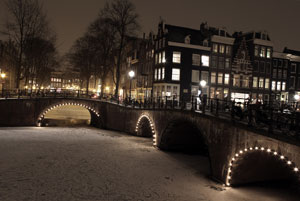
Canal celebrations tend to culminate on Koninginnedag (Queen’s Day) on 30th April, a national holiday that marks the birthday of Queen Beatrix’s mother and predecessor, Juliana. But visit in winter and you may witness the canals freezing over – if the ice is thick enough, as it was last February, locals sporting skates clamber down to the waterways en masse, temporarily finding an alternative to the bicycle as the preferred method of getting around.

Over the course of 2013 various festivals, concerts and exhibitions will be taking place on or alongside Amsterdam’s canals. Among the best will be the Light Festival in December, though you can still catch last year’s until 20th January.

Where: The central Grachtengordel (canal belt).
Cost: Free.

> Amble Amsterdam’s canals with Lonely Planet Amsterdam

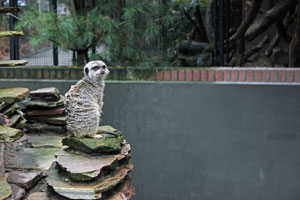
Meerkat Artis zoo175 years of the Artis Zoo

The Netherlands’ oldest zoo, located just east of the city centre in the Plantage district, was founded way back in 1838 – making it 175 years old this year. Home to more than 6,000 animals from approximately 900 species, this is a zoo with a difference – more relaxed than its London counterpart, Artis is regarded as a cultural meeting place: a place to sip a cappuccino on the terrace in the company of penguins or zebras.

If the weather’s bad, head to the aquarium, butterfly pavilion, planetarium or insectarium, the latter of which is converted from an old food storage unit. The aquarium, meanwhile, features scenes replicating a number of eco systems, from a tropical coral reef to the Amazonian rainforest.

Look out for special events taking place over the course of the year, and when you leave Artis be sure to check out Entrepotdok canal immediately to the north – home to a selection of excellent cafes, terraces, houseboats and, if you’re lucky, a free view of the giraffes.

Where: Plantage Kerklaan 38 – 40.
Cost: Adults €18.95, Children €15.50, 65+ €17.50.

> Zoom to the zoo with the Amsterdam Flexi Map

Night WatchReopening of the Rijksmuseum

A decade ago, a large section of the iconic Rijksmuseum – the largest museum in The Netherlands – was closed for extensive renovations. While construction work was completed last July, museum-goers have to wait until to April before it fully reopens. But what a treat they have in store…

Architects Cruz y Ortis have built on Pierre Cuypers’ 1876 creation to devise 1.5 km of art, with exhibits dating right back to the Middle Ages. Some 80 halls accommodating 8,000 items have been beautifully restored, which collectively tell the stories of eight centuries of Dutch art and history. Such is the extent of the transformation that just a single item hangs in its original place: Rembrandt’s world famous The Night Watch.

It’s worth noting that the entire museum will be closed between 18th March and 13th April to allow museum staff to prepare for the reopening. Between now and then, the Philips Wing and the first floor will remain open.

Where: Jan Luijkenstraat 1.
Cost: TBC March 2013. Entrance to the Philips Wing is €10.

> Roam the Rijksmuseum with the Supertime Amsterdam Map/Guide

Van Gogh MuseumThe Van Gogh Museum’s 40th anniversary

Temporarily located in the Hermitage Amsterdam (but only until 25th April) the Van Gogh Museum is undergoing major renovations as it celebrates its 40th birthday, and Van Gogh’s 160th, before reopening in the spring.

In addition to housing the largest collection of paintings, drawings and letters by the Dutch post-impressionist, the Van Gogh Museum displays a range of exhibits by the artist’s contemporaries – attributes that encourage 1.6 million people to visit the museum every year (making it one of the 25 most-visited museums in the world).

The Van Gogh Museum doesn’t simply display the artist’s work – it tells the story of Van Gogh as an artist; how and why he explored different themes, what inspired him and why he did what he did, as told through his letters.

Where: Hermitage Amsterdam, Amstel 51 (until 25th April), then Museumplein (Paulus Potterstraat 7).
Cost: €17.50.

> Mosey to the museum with Red Maps Amsterdam

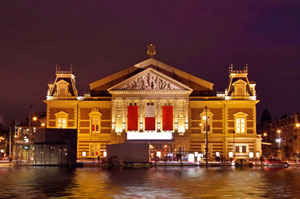
Concertgebouw-AmsterdamThe Concertgebouw’s 175th birthday

In April 1888, Amsterdam’s concert hall – revered the world over for its excellent acoustics – opened its doors for the first time. Arguably rivalled only by Vienna’s Musikverein and Boston’s Symphony Hall, the Concertgebouw puts on more than 700 concerts each year featuring the world’s finest orchestras, conductors and soloists.

To mark its 125th anniversary, the concert hall will host a huge range of Jubilee concerts in its Main Hall and Recital Hall, with stars including Angela Gheorghiu, Valery Gergiev and Bernard Haitink having already signed up to the Jubilee programme.

The Concertgebouw will concentrate on a different period each month, running in chronological order – with themes encompassing music, images and text. These will culminate in a large-scale education project at the end of the year, based on West side Story.

Where: Concertgebouwplein 10.
Cost: Click here for concert ticket prices.

> Commute to the concert hall with Amsterdam City Flash

Introducing #TravelBookChat

Travel reads chatWith thousands of us planning our 2013 break, thoughts are naturally turning to that most important of holiday ingredients: the book. But which to take? If you’re in need of some inspiration, help is at hand with #TravelBookChat!

We’ve teamed up with award-winning travel blogger Jayne Gorman (@jayneytravels) to launch a travel reads Twitter chat – the first of which will take place next Wednesday (16th January) at 19:30 GMT on the theme of India.

Why India?

Few destinations have inspired as many books as the subcontinent, from Gregory David Roberts’ epic Shantaram to Suketu Mehta’s revealing account of Mumbai in Maximum City: Bombay Lost and Found. And with the film adaptations of Life of Pi and Midnight’s Children pulling in cinema audiences, we think it’s the perfect time to discuss all things India in the world of travel literature.

How will #TravelBookChat work?

Simply log into your Twitter account at the date and time mentioned above and search for the hashtag #TravelBookChat. Jayne will be tweeting a number of questions and comments to discuss over a period of approximately 45 minutes. These will be labelled Q1, Q2 etc, so you’ll need to label your answers A1, A2 with the #TravelBookChat hashtag. Feel free to respond to other people’s answers so we can get the debate going!

Book clubWhat’s up for discussion?

Anything to do with India and travel writing, both fiction and non-fiction. Jayne will be asking the following questions to get the conversation flowing:

  • Who are your favourite fictional characters? 
  • Is there a non-fiction must-read? 
  • What’s your biggest tearjerker? 
  • What’s your most memorable read? 
  • What’s the best guidebook? 
  • What’s the best and worst film adaptation? 
  • Shantaram – yay or nay?

Win a £15 online Stanfords voucher!

We’ll be picking a #TravelBookChat participant at random to win a £15 online Stanfords voucher. To be in with a chance of winning, simply follow @StanfordsTravel and get tweeting next Wednesday evening!

French Guiana: Land of Chocolate Seas and Space Rockets

French Guiana coastLily Taylor travels to French Guiana and discovers a small slice of France in South America: one that’s home to the ‘Coca Cola’ sea and its very own space centre.

Before my friend moved here for a year abroad, I’m ashamed to say I had never heard of French Guiana – or any of the other Guianas for that matter (Suriname and British Guiana). Throughout the year I heard lots from her about what it was like but still couldn’t really imagine – so there was only one thing for it; I had to see this little-known South American destination for myself.

History and geography

So what’s it like? Well, French Guiana is about 90 per cent rainforest with the odd city cut into the middle, although the biggest settlements are on the coast. The only way of getting there from Europe is to fly from Paris Orly to Cayenne, the capital, with Air France.

French Guiana is a department of France, and it quite resembles a ‘little part of Europe’ in this small slice of South America – though I get the impression it’s almost forgotten by the motherland. In almost every way it’s different to Europe, but it does have the Euro and is run by the French government. Interestingly, although it’s in South America the region is very Caribbean in lifestyle, though its mix of people is rather unique. Many retirees have emigrated from Métropole – mainland France – while it’s impossible not to notice the sizeable Brazilian population and the influence of Haiti and the Dominican Republic.

Arguably French Guiana’s most famous attraction is away from Cayenne in a smaller town called Kourou. The reason? It’s home to the Guiana Space Centre, a facility used by the European Space Agency thanks to its proximity to the equator.

French Guiana beachAmong the region’s greatest natural attributes are its beautiful beaches, which stretch for miles and are mostly pretty deserted. Lined with palm trees and warm sand, these beaches really are stunning. Don’t be put off by the colour of the sea, which has earned the nickname ‘Nesquik Sea’ or ‘Coca Cola Sea’ – it may not be the prettiest colour, but the water is in fact lovely to swim in at all times, including the early hours of the morning

French Guiana’s history is rather interesting. Originally, it was used as a French penal colony, particularly its off islands: Iles du Salut, where it’s possible to visit and see what’s left of the prison. This is also the setting for Henri Charrière’s Papillon, the story of an island prisoner and his escape.

Food

I found the local dishes good if a little greasy; many fast food vans line the Place des Palmistes serving savoury crepes and hot dogs. Brochettes are very common here (meat on kebab sticks served with satay or other sauces). For those with a sweet tooth, ice cream is ubiquitous – my favourite was peanut flavour but there are also many exotic fruity sorbets on offer. An excellent place for ice cream in Cayenne is Joe la Glacier, where your choice of sweet treat is served on a waffle.

French Guiana rainforestFrench Guiana is big on spice, so lots of recipes are hot and seasoned with the region’s famous spice, Cayenne pepper. Often on tables there will be a pot of what appears to be breadcrumbs. This is farofa, which is eaten with almost everything to boost flavour and provide a little crunch. Farofa is made from manioc flour fried with garlic and other herbs and spices.

Getting around

The main way of getting around in French Guiana is hitching – an unusually safe way of travelling here. Obviously you have to take the normal care and precautions, but as long as you’re with at least one other person it is the most convenient way of getting from A to B. Buses are quite infrequent and walking anywhere in the heat takes quite a while.

> Find out more about French Guiana with our range of travel guides and maps.

China's Power Handover: What it Means for Travel

China BeijingShanghai-based writer and teacher Tim Neesham continues his series on modern-day China, asking what the recent presidential handover means for the country’s travel sector and its economy.

On the same day the people of the United States were giving President Obama four more years, the Chinese government was also preparing itself for major political movement.

Whether or not this is merely coincidence is up for debate, but far from the fanfare of minute by minute updates, professional opinions and the almost Eurovision-style party that accompanies America going to the polls, the Chinese changeover is by contrast understated, mysterious and clandestine. If rumours are to be believed, the new President and leader of the People’s Republic, Xi Jinping, has had his sights on Hu Jintao’s position for as long as three years.

Yet while the differences in style are as opposite as yin and yang, the questions of political policy are remarkably similar; cutting carbon emissions, boosting the economy, foreign policy – so how will the new government tackle the key issues?

Travel and tourism

It’s perhaps unsurprising that a nation of such size and stature has to contend with a variety of domestic and international disputes. Within China itself, regular rumblings of discontent emanate from the already autonomous western regions of Xinjiang and Tibet, whereas the increasing influence the United States is having in Taiwan is also a sore and ongoing saga.

Tibet in particular has long been a headache for the Chinese government, and the pain shows no sign of subsiding as the new regime takes power. Stories of self-immolation by sympathisers campaigning for a free Tibet are sadly a fairly regular occurrence, but for the time being it is the western media that seems to pay them more heed.

The difference between Tibet and Xinjiang is that the former has long been a place of interest for travellers, with the regular opening and closing of the border between the two rarely going unnoticed in Europe and the Americas.

Similar border issues have been reported recently when travelling to Taiwan so tourists – both foreign and Chinese – planning trips to these regions are always advised to plan ahead.

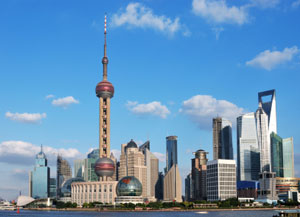
Shanghai cityscapeEconomy

While still booming by European standards, the Chinese economy is nevertheless beginning to show signs of slowing down. For this reason, and perhaps unsurprisingly, one of the government’s newest policy implementations is to encourage more foreign financial investment in China. Extensive measures have been taken to relax stringent rules on foreign direct investments (FDIs) by cutting out much of the red tape and bureaucracy that accompany foreign companies directly investing in China through foreign currency transactions.

Additionally, restrictions on borrowing and lending between Chinese and foreign companies are being loosened. Chinese companies with foreign investment will now be allowed to lend money to their overseas parent companies, while Chinese people will also be able to carry out overseas lending using foreign currencies from within China.

Such measures represent a huge shift in policy for a nation that until now has not been known for paying too much attention to the world outside its own territories.

Foreign policy

The sense of nationalism that courses through the veins of sections of powerful Chinese is undeniable, and this is sometimes highlighted by the way the government deals with international disputes – and the widespread support its foreign policy enjoys among members of the public.

One of the latest in a long, long line of arguments with the Japanese centres on the Diaoyu Islands (Senkaku Islands in Japanese), which lie in the middle of the two and to which both lay claim.

Such is the ferocity of support for the Chinese cause within China that people actually stopped shopping at Japanese-owned stores and boycotted Japanese-brand cars, while some Japanese factories in China were forced to cease operations. One news story even reported a gang of particularly passionate protestors charging around a second-tier city smashing up Mazdas.

But while the government will undoubtedly continue to take advantage of such overwhelming displays of solidarity by its people, the mere fact that these disputes, among others with countries such as Vietnam, the Philippines and South Korea, are even taking place represents another example of the changing foreign policy by Chinese governments; one more outward looking and internationally focused.

This was further demonstrated in the autumn of 2012 by the launch of China’s first aircraft carrier, plus its continued investment in African industries such as mining and the stepping up in operations of its aerospace program.

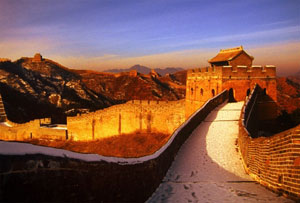
Great Wall Of ChinaEnvironment

Anybody who has heard anything about China over the last 20 years will be aware that the country has some fairly serious pollution issues. It’s not uncommon for the air in and around a Chinese city, even Shanghai or the capital, Beijing, to be thick, grey and dusty.

Interestingly, due to its global situation as a developing country, China, like India, does not have to conform to the same rules and regulations put forth by the Kyoto Protocol as many other, more developed nations.

However, there does appear to be the dawning of a change in attitude from the Chinese government and cutting carbon emissions is now high on the agenda. A cut of 40 per cent is reportedly the target on airborne pollutants that apparently spread as far and wide as the coasts of Australia and the United States.

However, and if you’ll excuse the pun, critics say the policies are nothing more than cleverly-worded smokescreens. For example, even if the government does stick to this target, China would actually see a 60 per cent rise in emissions due simply to population growth.

Regardless of nationality or political orientation, everyone these days seems to have an opinion on China and the Chinese and many of these policies are open to extremely wide interpretation. What’s for sure though is that China is changing at a pace never before seen in global broadcast media, and there is no doubt that the international community is keeping at least one eye on the east.

Want to find out more about China? Check out the following five titles:

His and Hers Guide to the Globe: A New Travel Series

His and hers travelToday, Matt and Sharon Ward are leaving Australia for Singapore. Last month, the recently-married couple set off from their native Edinburgh on a honeymoon like no other. Having packed up and waved goodbye to their old lives, they’ll be travelling the world while writing a ‘his and hers guide to the globe’. As they begin the second leg of their adventure, Matt tells us more about the concept.

The His and Hers Guide to the Globe will offer a unique insight into some of the usual and more unusual holiday destinations across the world, from a ‘his and hers’ perspective. Whether it’s enjoying wine tasting in Perth’s Swan Valley, exploring Cambodia’s hidden temples or backpacking from San Francisco to Mexico, this series will supply a down-to-Earth assessment of what’s hot and what’s not.

Told through the eyes of a recently-married couple in their 30s, this travel guide will not only provide an open and honest opinion of what we discover and experience, it will also assist in answering any backpacking questions you may have ahead of your own adventure.

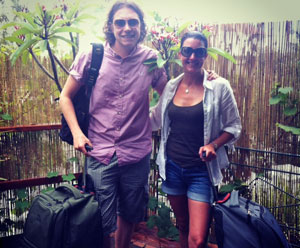
Matt and Sharon WardThis is not designed as a couples’ guide to travelling the world; rather it’s aimed at men and women who wish to travel with a partner, spouse, family member or friend. Whether you’re on a shoestring budget or have money to burn, our regular posts will give you tips and pointers on what mode of transport is best for which country and which accommodation best suits your requirements.

Having started our trip from Edinburgh last month, we’re embarking on a less-than-traditional type of honeymoon as we methodically take in all aspects of travelling the world. Having spent Christmas and New Year on the west coast of Australia, we’re departing for Singapore before experimenting with trains, boats and buses en route to Malaysia, Thailand and its islands, Cambodia and Vietnam before catching a flight to Beijing.

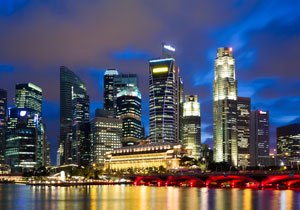
Singapore skyline

From China we’ll be flying to the east coast of Australia and New Zealand’s North and South Islands before setting off for the west coast of America. After experiencing all that California has to offer we’ll be making our way to Mexico, Cuba, South America, South Africa and Morocco before arriving in Europe.

Once back on the continent, we’ll recharge our batteries before embarking on the final leg of what promises to be an extraordinary journey: an expedition through central Europe while on the lookout for a permanent home and somewhere new to rest our hats.

There’s a lot resting on our trip, and we hope you’ll join us as we travel from country to country – we’ll be blogging from each destination, so make sure you check the Stanfords Facebook and Twitter pages for the latest updates. Bon voyage!

Where to Travel in 2013: Our Top Tips

We spoke to bloggers and travel industry experts to find out the top destinations to add to your travel wish list in 2013.
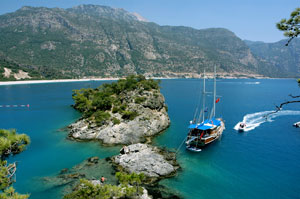
Turkey 2013Laura Lindsay: Turkey

Where would I recommend visiting in the next 12 months? The possibilities are endless, but one destination I know I’ll be returning to this year is Turkey. One of Lonely Planet’s top countries to visit in 2013, Turkey is a fabulous travel destination because of the sheer variety this vast and fascinating country has to offer. Ancient history, the incredible landscapes of Cappadocia and the relatively undiscovered eastern towns of Mardin and Midyat are just some of the reasons to visit this year.

Turkey is well loved for cosmopolitan Istanbul and the country’s stunning coastline, but beyond the coastal resorts there is also a wealth of unexplored gems in this incredibly beautiful nation just waiting to be discovered. I visited in 2012 and experienced fabulous food, the friendliest of welcomes and fantastic scenery. I’m counting down the days until I can go back!

Laura Lindsay is part of the Lonely Planet media team.

> Target Turkey with our range of travel guides and maps
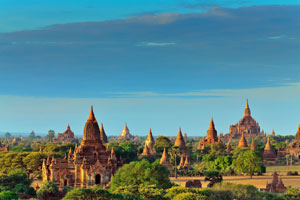
Burma 2013Paul Bondsfield: Burma

This year Burma is south-east Asia’s real up-and-coming destination. It’s been described as the Thailand of old – a country that boasts all the sights, cuisine and climate but without the tourists. Isolated both politically and in terms of tourism, Burma is still a relatively unknown country. There aren’t many parts of the world that remain untouched, yet Burma is one of them.

Forget the bright lights of Bangkok, the capital city of Yangon is a stark contrast. The pace of life is much slower, yet there is still plenty to see and do. Seeing the Shwedagon Pagoda, for example, is an absolute must.

Elsewhere, you can watch the sunrise over 4,000 stupas at Bagan or stay in the floating villages at Inle Lake. Another popular spot among travellers is Kalaw, where you can trek in the surrounding hills and forests. Also, Burma has some of the world’s best unknown dive sites – well worth checking out if you’re a keen scuba diver. Whatever you decide to do in Burma, you won’t be disappointed.

A country of original infrastructure, culture and traditions, far from the electronic world. Travelling doesn’t get more authentic than this.

Paul Bondsfield is Head of Marketing at My Adventure Store.

> Backpack around Burma with our range of travel guides and maps
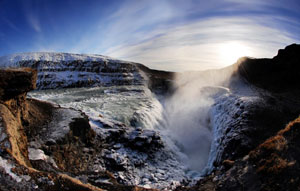
Iceland 2013Macca Sherifi: Iceland

Iceland is a small country yet it packs a big punch. 2013 is tipped to be one of the best years to see the Northern Lights; with Iceland not only do you get to see the lights but you can also see geysers, icefalls and some stunning scenery, too.

Reykjavik is the capital, and when the white stuff falls here in winter it pretty much resembles a snow globe. There’s plenty to do in the city, and after a spell of sightseeing the places to kick back and relax are the Ice Hotel or the Olgerdin Brewery. Reykjavik is the perfect place to base yourself to go to places like the Blue Lagoon and whale-watching, and of course, you’ve got to see the geysers.

Also, with easyJet now flying to Iceland, the island nation is more accessible than ever before.

Macca Sherifi is the Travel Editor of gapyear.com.

> Be inspired by Iceland with our range of travel guides and maps
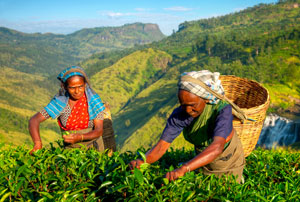
Sri Lanka 2013Charlie Gilbert: Sri Lanka

This Indian Ocean island nation’s recent history has been far from incident-free, but with civil war over its tourism industry is receiving much-needed investment. If you’ve done India and south-east Asia, there’s probably no better place to travel in 2013 – visitors can expect excellent beaches, eight UNESCO World Heritage Sites to explore and low prices (both in terms of accommodation prices and flights, especially when travelling from Bangkok).

Must-sees include Dondra Head on the southern coast, where blue whales can be seen between January and April; Arugam Bay, which offers some of the best surf in Asia; and the 17th century Dutch fort in Galle, the best example of a European-built Asian fortified city.

Overseas visitor numbers have been steadily increasing since civil war ended in May 2009, and this year’s total could break the one million barrier with British Airways launching flights to Colombo, Sri Lanka‘s capital, in April.

Charlie Gilbert is Stanfords’ Online Editor.

> See the best of Sri Lanka with our range of travel guides and maps
Majorca 2013Lauren Holden: Majorca

Your New Year goals may include stepping aboard a plane to some far-flung destination, but don’t forget those holiday hotspots that are a little closer to home in 2013.

Yes, Vegas may be the US party capital, and Florida might be hot, hot, hot, but I wouldn’t rule out a cheaper European trip that won’t break the bank – and that doesn’t necessarily mean having to discover somewhere new.

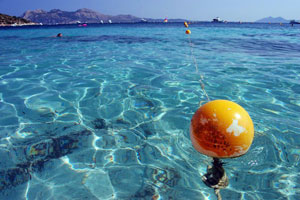
I’ve always been a big fan of Majorca thanks to its beautifully sandy beaches, stunning local markets and tasty eateries. The perfect spot for a long weekend or a relaxing fortnight with the family, it really does offer something for everyone.

If you’re planning on holidaying anywhere near Magaluf, make sure you pay a visit to the famous Pirates show. It came highly recommended when we visited nearby Alcudia a few years ago, and it’s undoubtedly still as fun today. An all-singing, all-dancing show featuring acrobatics, stunts and a whole lot of audience participation, it’s loads of fun for kids and adults.

Away from the larger, more established resorts are the likes of Pollenca and its coastal sister town Puerto Pollenca – both located in the unspoiled north-east. The former is the place to go to get away from it all and experience some authentic Spanish culture, while the latter is there when the beach and the warm waters of the Mediterranean start calling.

Travellers will find it more convenient to travel to Majorca this year thanks to Vueling, Spain’s second-largest airline, launching new flights to Palma from Heathrow just in time for the 2013 summer season.

Lauren Holder is a freelance travel writer.

> Make the most of Majorca with our range of travel guides and maps
Ethiopia 2013Rahul Aggarwal: Ethiopia

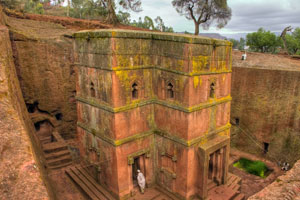
Prepare to be astounded in Ethiopia, the birthplace of humanity, in 2013. Explore ancient rock-hewn churches and towering stelae in the north. Take part in the Ethiopian festivals of Genna and Timkat and experience Christianity as it was practised centuries ago. Trek to the source of the Blue Nile and come face-to-face with gelada baboons in the Simien Mountains. For adrenalin seekers, trek to the Danakil Depression, one of the hottest places on Earth, and witness a volcanic eruption.

In the south, meet the enchanting tribal people of the Omo Valley, experience market day in the villages and take a boat ride on the Great Rift Valley lakes looking out for crocodiles, hippos and birdlife. The spectacular Bale Mountains are a trekker’s paradise and are also home to the endemic mountain nyala and rare Ethiopian wolf, while nearby the dramatic Sof Omar Caves will leave any traveller breathless.

This part of the world may be challenging at times, but the rewards are immeasurable.

Rahul Aggarwal is a Director at Travel The Unknown.

> Explore Ethiopia with our range of travel guides and maps
Salobrena 2013Ian John: Salobrena

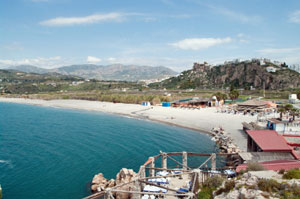
Millions of tourists head through Malaga each year en route to the famous Costa resorts of Marbella, Fuengirola, Benalmedina and Torremolinos – but for a change in 2013, head east rather than west from Malaga to the tranquil beauty of Salobrena. With a 10th century Moorish castle overlooking this quaint Spanish village, this is a destination that remains relatively untouched by large-scale commercial tourism.

Salobrena boasts five beaches separated by ‘El Penon’ or ‘the rock’, a large outcrop of sandstone that’s also adjacent to a number of fabulous beach-side restaurants where the local seafood dishes are supreme.

The town is a popular destination for Spanish holidaymakers and can get busy during August in particular – but nowhere near as hectic as the more established resorts. Beaches are popular both day and night with sun worshippers and in the evening with many local anglers.

Day trips to local markets in and around Frigliana and Orgiva are well worth the effort and Motril, Almunecar and Salobrena itself offer ample dining and shopping opportunities.

Ian John is a freelance travel writer.

> Discover more of Malaga and its surroundings with our range of travel guides and maps

Togean IslandsVenetia Rainey: Sulawesi

Everyone who travels to Indonesia goes to Bali. But if you want incredible beaches all to yourself, encounters straight out a documentary and a healthy slice of adventure, try Sulawesi.

This K-shaped island is severely under-travelled and yet it offers a huge range of experiences to suit every visitor.

Enjoy world-class diving in Bunaken or Wakatobi, both of which offer ample opportunity to swim with sea turtles and observe some of the most varied and colourful coral in the world.

Culture vultures should head to the central region of Tana Toraja, where tourism revolves around burial caves, baby graves in trees and elaborate, week-long funerals.

And for the perfect beach getaway you really can’t do better than the Togean Islands, a genuine paradise where the living is slow and the scenery is stunning.

Beirut-based journalist and photographer Venetia Rainey writes for The Independent, The Telegraph and Reuters.

> Sample the best of Sulawesi with the Periplus Folded Map