by Brian Finch
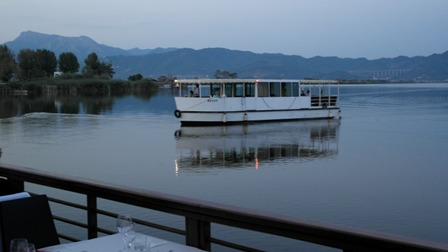 On the outskirts of the resort of Viareggio, on the Tuscan coast of Italy, is Torre del Lago. Literally this is the tower on the lake but unless this refers to the little summerhouse construction in the shallows of the lake, the original tower must have gone long ago. The little town, and lake Massaciucoli itself, is famous as the home of the great composer Puccini and host to a marvellous opera festival each summer. The approach is up a long and unprepossessing, though tree lined, street before, all of a sudden, the road opens up to a piazzale, an open space on the edge of a big lake, and beyond the water lie steeply rising mountains. Just as you emerge into the open there is Puccini’s house, now a museum, on the right and a huge open air theatre on the left. You are drawn down to the waterfront to admire the view before picking one of the restaurants that line the street facing the lake for a pre-opera dinner.
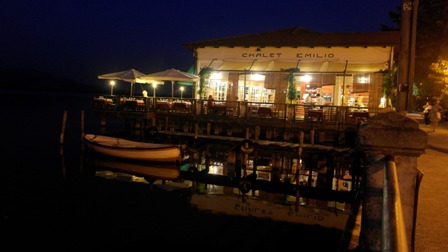 Perhaps, if you are in-the-know you will have booked the Chalet Emilio, which is the only restaurant that is directly on the waterfront. Whilst there places to eat further into the little town that are more renowned for the excellence of their food the location here, overlooking the lake, is unbeatable. One year it provided us with the extraordinary view of aeroplanes dipping into the lake to scoop up water to drop on a forest fire in the hills behind but usually it is just calm and peaceful. This is despite those hills being slashed by the elegant white arched bridge of the autostrada to Florence: it is far enough away to be silent and the vehicles crossing it provide a slight sense of movement rather than disturbance. For a number of years the restaurant was closed, apparently due to an inheritance dispute, and we defected to Da Cecco, across the way, which is good, but contrasts with the calm of Emilio by being busy and boisterous.
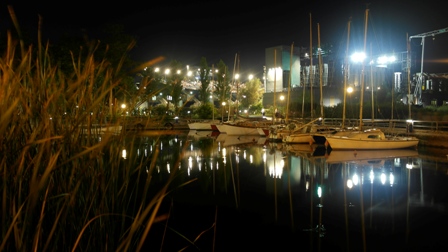 After dinner comes a stroll around the piazzale, a look at the little boats moored there, perhaps an inspection of the artworks on display. For years there were towers of ceramic blocks on the green, the work of a local artist whose ceramics I first saw in a gallery along the coast and from whom we bought a number of pieces for our lounge wall. We encased them in plenty of bubble wrap and took them home as hand luggage. I am not sure the budget airlines would let us do that today. As the light fades you stroll to the theatre, passing over a small bridge and causeway across a small yacht basin and a stream that flows into the lake. I remember a night when the opera was Madam Butterfly and the bridge was lined with Japanese lanterns. It is dusk as you join the crowds to enter, summer performances in Italy typically start around nine at night, but dark when you leave, so pause for a moment to enjoy the lights of the villages across the lake.
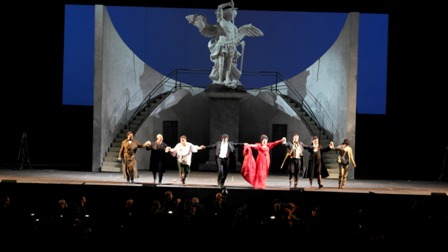 Inside the amphitheatre it is typically Italian: noise, bustle, apparent confusion and argument but that is just how they talk here, they are just being emphatic and expansive. There are also tourists from all around the coast. The opera itself is never less than marvellous albeit I am not a big fan of the acoustics here. One year I was sufficiently disappointed by the sound being carried away by the breeze to overcome my British reserve and move forward into better seats at the interval. Although not in the very front rank of Italian opera houses this is still a pretty big deal and attracts rising stars. And the atmosphere on a sultry summer’s evening seems somehow fitting to the opera. Sitting there and seeing the full moon rise above the stage is an added extra. In the interval the bar staff seem to know half the crowd pushing for service and waving for attention and if they don’t know you service can be slow. Of course there are no queues, just a crowd. Are the customers neighbours or just regular attendees, have the bar staff been paid in advance to provide quick service? Who knows, this is Italy and there is always some mystery about how things really work.
Planning a trip to Italy? We have a great range of guides to help you plan the perfect trip!
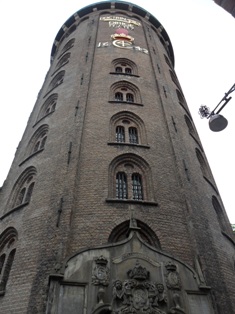 Scandinavia summons up different images for different people. Saunas, pickled fish, flat-pack furniture – whatever it summons up in your mind, each of the capitals make a great place to visit for a short break and have lots to do and see (including saunas and pickled fish, but maybe you can leave the furniture until you get back).
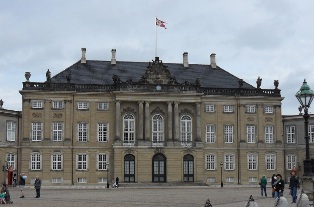 Copenhagen is home to seven castles and palaces. Of these, the most popular with visitors are the Amalienborg Palace, home to the Danish royal family, the Christiansborg Palace, home to the government and the Rosenborg Castle which is home to the Royal Collections and the Crown Jewels.
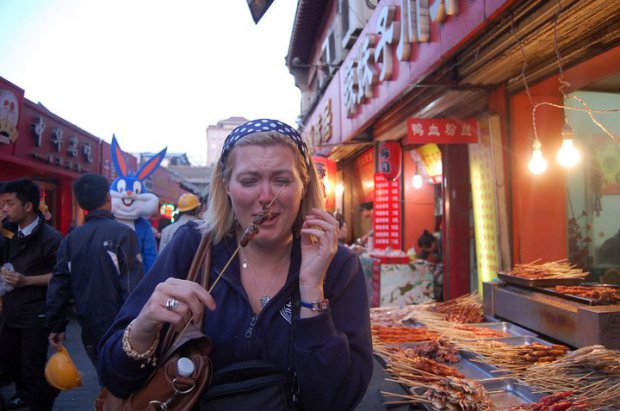 The third winner in our
 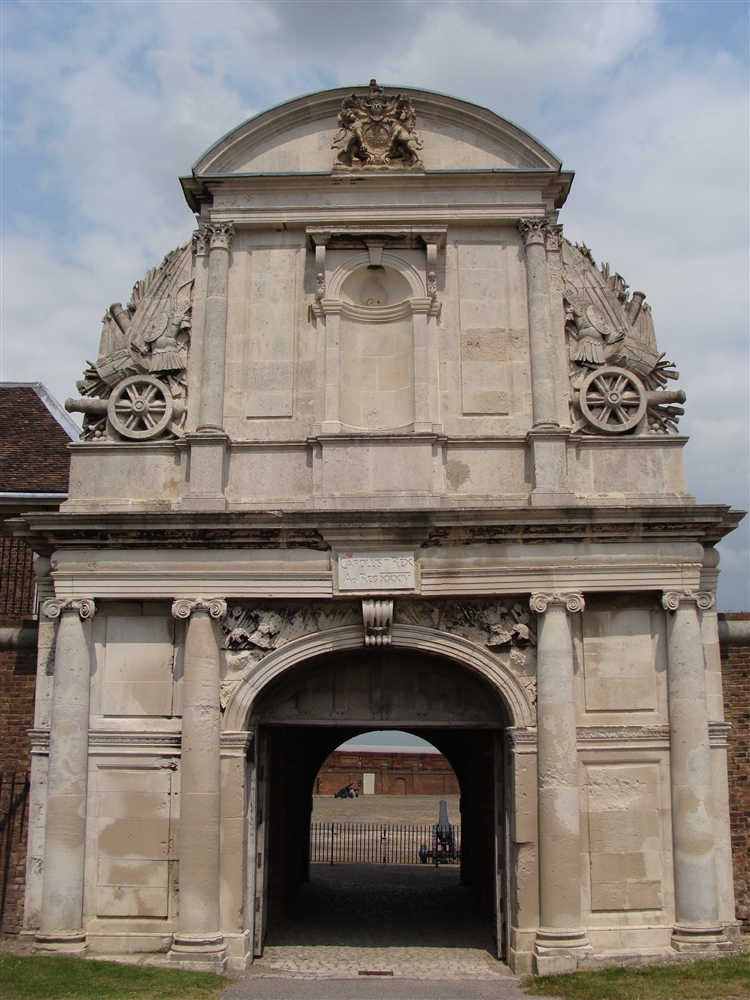 The British weather finally got better so it was time to stretch my legs. But I have to admit I got bored of doing the same walks every year. Richmond Park, Wimbledon Common, river Thames towards Kew, Richmond, Kingston or Hampton, Hampstead Heath, I have walked in those areas so many times. At the same time I didn’t want to venture too far from London and still wanted to see something interesting. So I started browsing the
 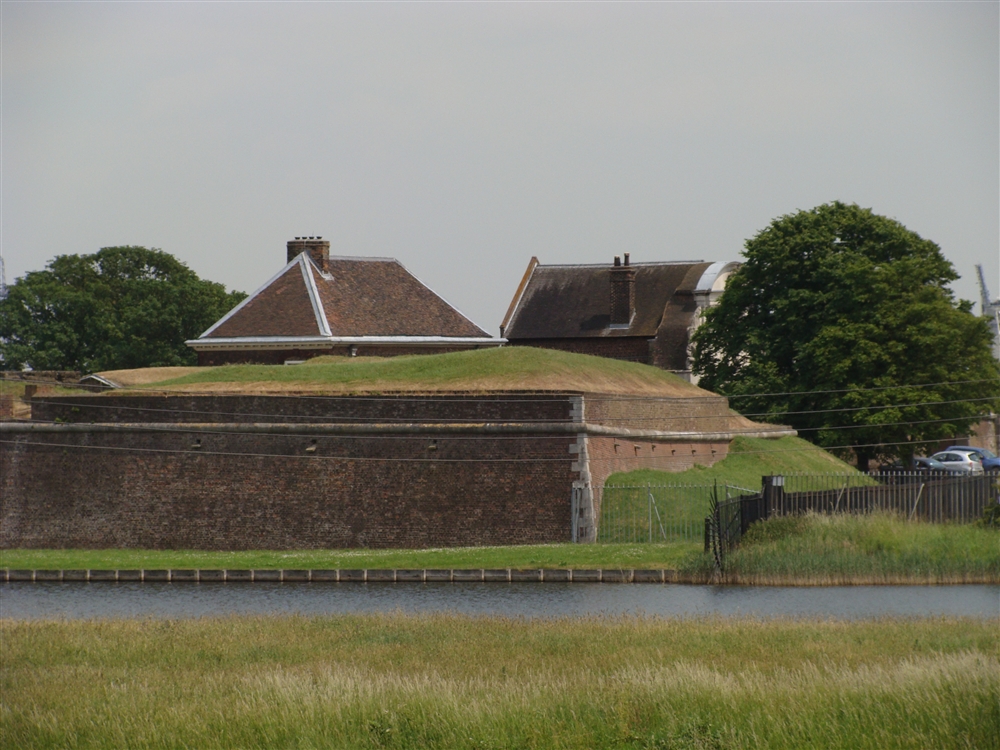 A few day later we (I mean me and my equally geeky girlfriend) started our little adventure by taking a train from London Bridge to Gravesend in Kent. A quick look at the map of the area revealed that we might have chosen the wrong side of the river to start our walk. But don’t you worry, it was all well planned. We decided to use the passenger ferry linking Gravesend with Tilbury as it is a cheap, quick and fun way of travel. The boat, euphemistically called a “ferry”, was a rather ancient looking vessel called Duchess M and it was built in 1956. Crossing the Thames takes just a few minutes and offers great views of Gravesend and Tilbury as well as of the huge cargo ships frequently passing here.
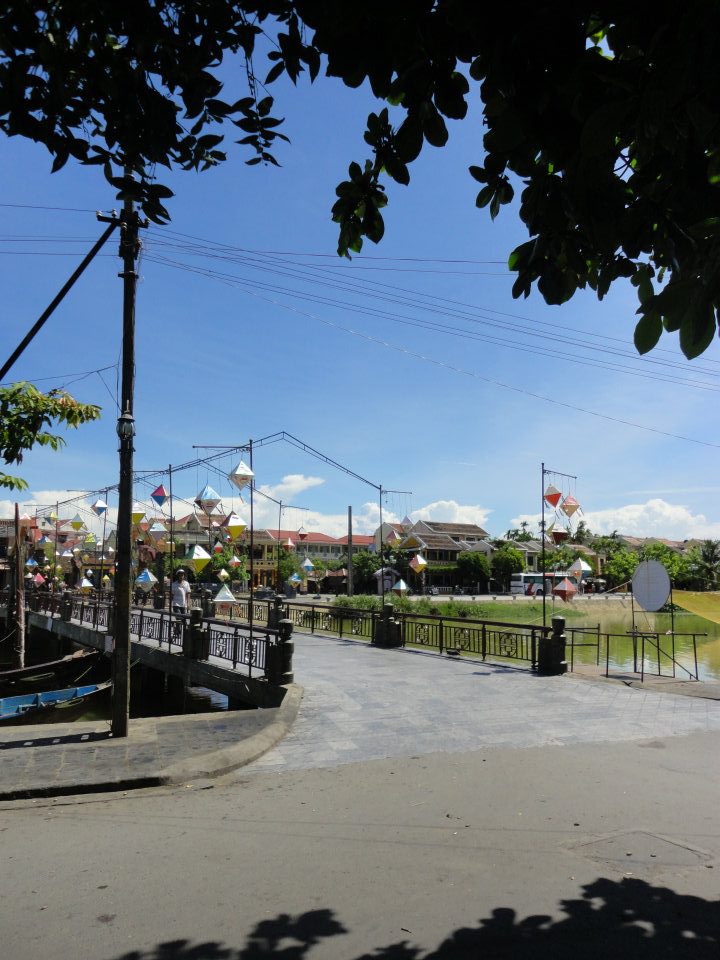 Roisin O’Brien travels like a local from Hoi An to Hue in Vietnam.
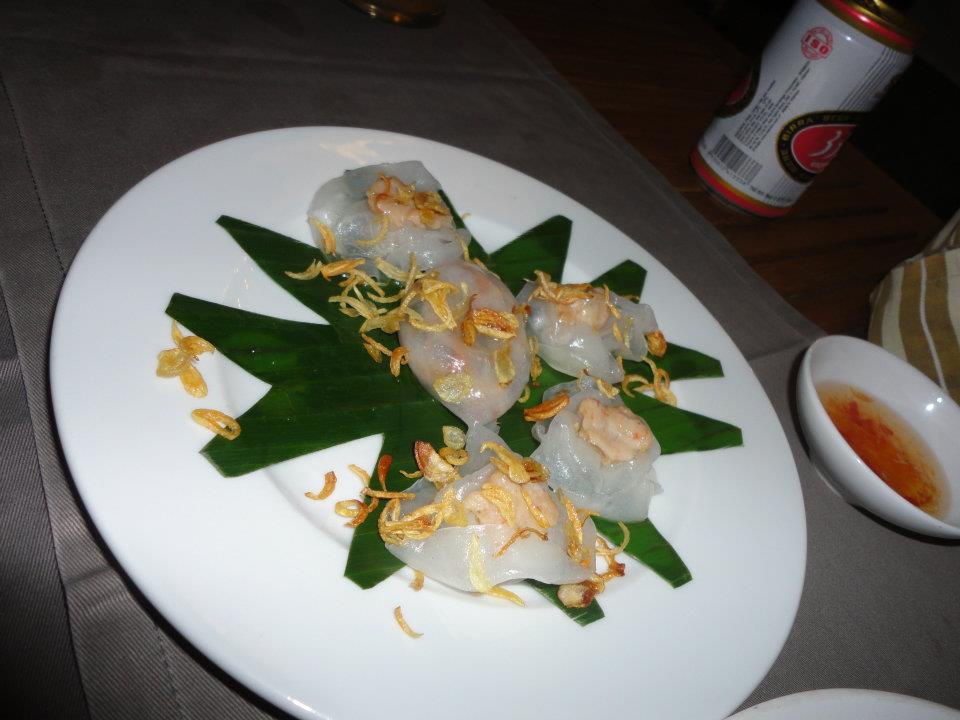 Two standout restaurants in particular were
 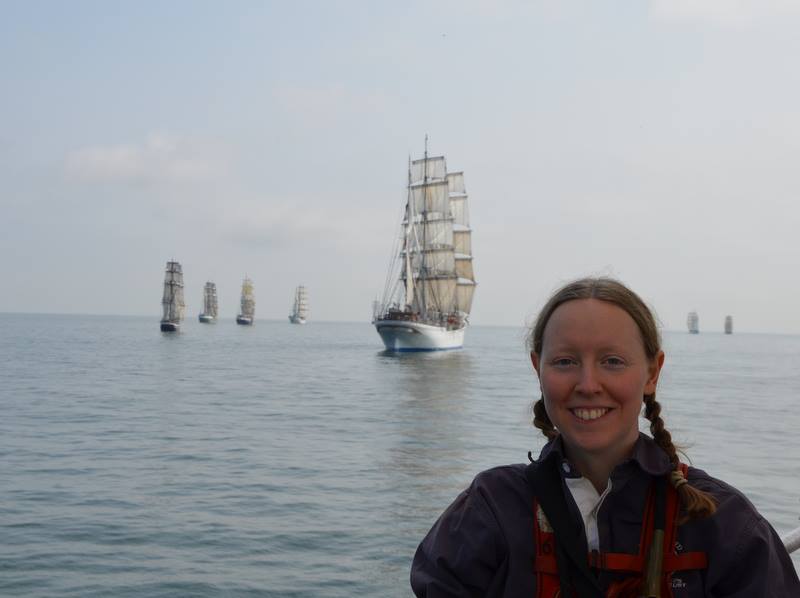 We’ve chosen our first winning entry for our
  Brian Finch explores the colourful state of Chiapas, Mexico.
 50km to the south but a 2,000m climb lies the town of San Cristobal which, because of its height, is cooler even to the extent that you may need a pullover in the evening. The road is good so the journey will only take an hour and the scenery alone would be worth the trip. A couple of times we were on this road and found ourselves driving through clouds only to emerge in bright sunshine and driving above them for a fantastic view of hills laced with puffy clouds.San Cristobal itself is delightful, with plenty of good hotels, restaurants and bars. Its brightly painted colonial style buildings alone bring a smile to the face as you stroll around the streets and squares. The evening market in front of the cathedral draws people wearing distinctive village costumes from the surrounding areas to sell their craft works and there is also a colourful daytime market.
  Kashan is, supposedly, from where the Three Wise Men left to follow the star to Bethlehem, for those of you interested in both Bible stories and trivia. Why anyone would leave Kashan is beyond me – it is an historic oasis town, not far from the famous Bagh-e Fin (Fin Gardens) built for Shah Abbas I, and has a wonderful bazaar and some truly lovely historic buildings that have been carefully conserved.