
-by Daniella McCahey and Jean de Pomereu, authors of Antarctica: A History in 100 Objects
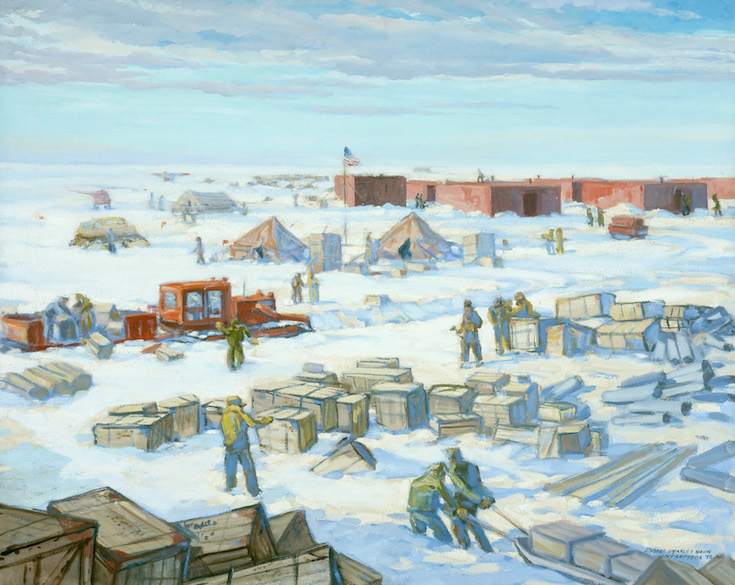
Courtesy of the United States Navy History and Heritage Command, Washington DC, United States.
The Byrd Polar and Climate Research Center in the United States operates a science outreach program. Teachers can, for free, request a box of rocks from Antarctica to use temporarily in their classes. They fill out a form and within weeks, a box of Antarctic specimens arrive. In general, these rocks are not special or valuable. It is filled with different types of igneous, metamorphic, and sedimentary rocks, along with some fossils and minerals, which are handy in a basic geology lesson. But to be honest, many of these samples are no different than sandstone or granite that they can find in their own yards. What makes these special is that they came from Antarctica. Children can hold a piece of Antarctica in their hands.
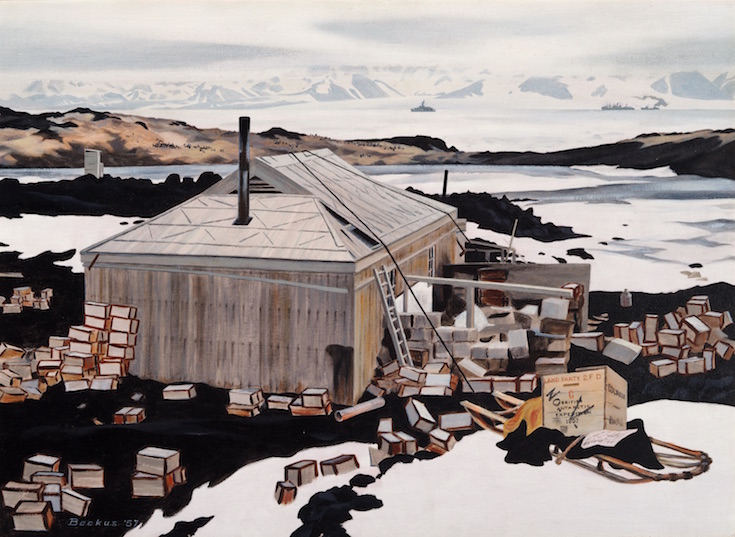
Antarctica has no indigenous population, no manufacturing, and no agriculture. In some ways, the history of Antarctic science and exploration is a history of packing. What people take with them and what pieces of the landscape they bring back, determines the success of any given expedition. Injudicious packing, as history demonstrates, spells disaster. And once people bring their supplies back from Antarctica, they take on a cherished status. These gloves, this matchbox, this thermometer has been to Antarctica. You may never visit, but if you see something that has been there, you can connect to this special place. No wonder that there are museum exhibits around the world showing ordinary items, now made special because they are now Antarctic. They tell a story about Antarctica, even those more modern objects designed specifically for the region. It is their ‘Antarcticness’ that makes them special.
With the importance that society places on objects from Antarctica as well as the necessity of objects to living and traveling in the region, Antarctica: A History in 100 Objects seemed like a natural format. Through our selection, we could tell others what we knew ourselves. The history of Antarctica is not (not only anyway) a history of glaciers and penguins. Antarctic history is human history. It is made up of the stories that people tell: stories of survival, adventure, spirituality, science, exploitation, and exploration. For that matter, all of our knowledge about glaciers and penguins comes from people too. People who loaded ships and airplanes, took things to Antarctica, and sometimes, brought those things back with them: now transformed into Antarctic things.
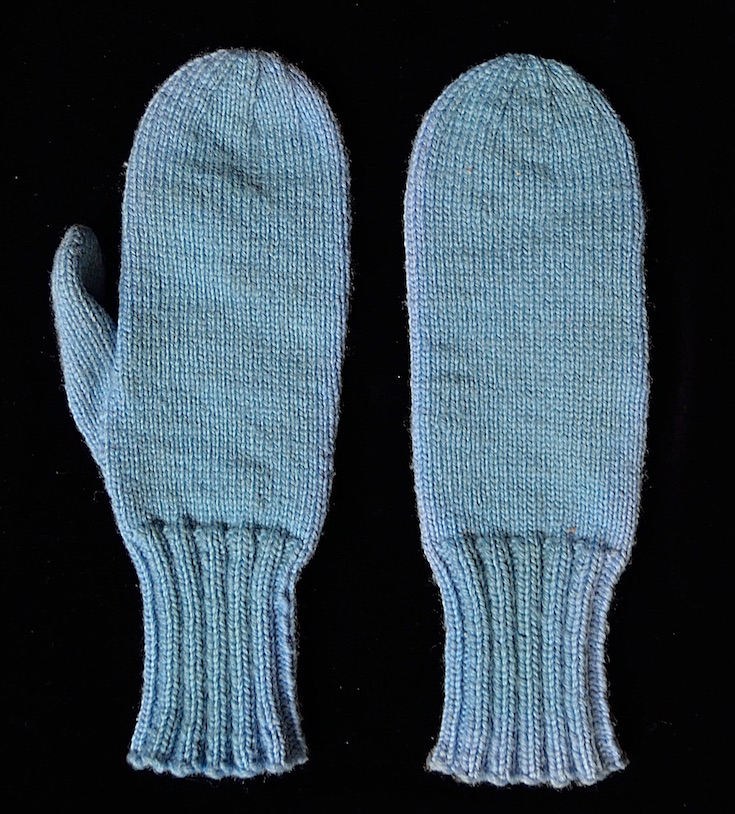
Courtesy of the United States Navy History and Heritage Command
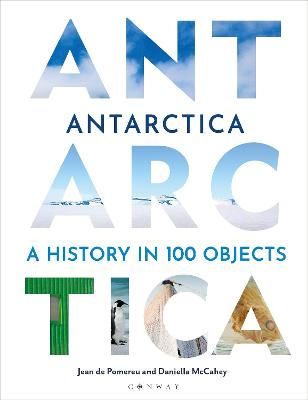
Antarctica: A History in 100 Objects is available now for £25.
STANFORDS IN STORE EVENT
Thursday 10th November 19:00 – 20:30 at Stanfords 7 Mercer Walk, Covent Garden, WC2H 9FA
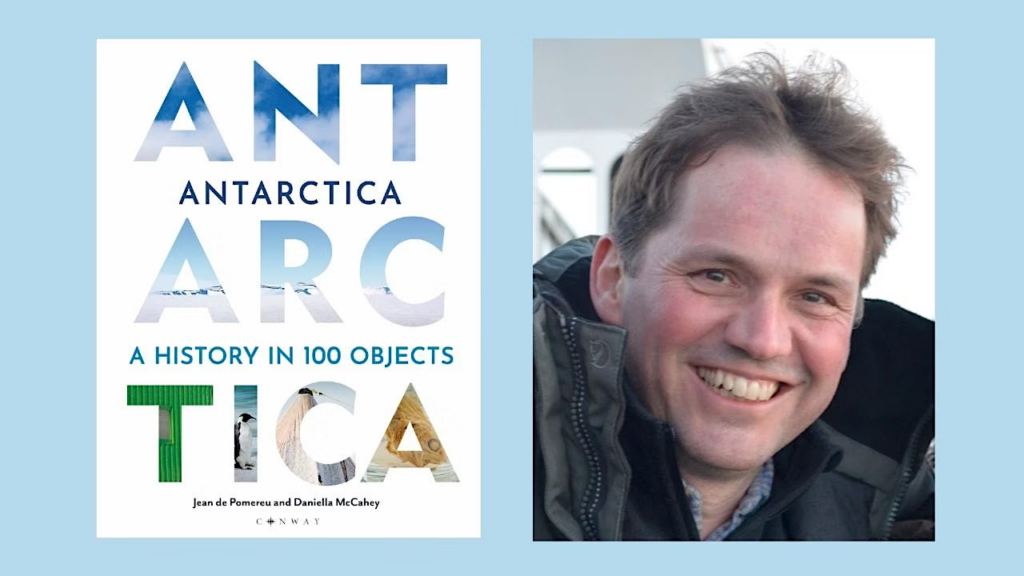
We are thrilled to welcome one half of the team behind Antarctica: A History in 100 Objects.
Join us with Jean De Pomereu for an evening of conversation, taking us on a journey of discovery of incredible objects and treasures.
For more information and tickets here.