UNCOMFORTABLE TRAVEL AND BAD ADVICE
Being an early female explorer
By Jacki Hill-Murphy
While I was writing The Life and Travels of Isabella Bird the question on my mind was: could we possibly have similar adventures to Isabella today? While travelling to hitherto unknown countries Isabella’s methods to reach the heart of a place, its people, their culture and the wildest features of its landscape would be totally off limits to us today; in a century and a half we have cleaned up and commingled our world and turned slow travel into fast.
The more I wrote, revealing the dangers she repeatedly put herself through, the more I realised what a unique and bone fide explorer she really was. She was undaunted by being the first foreign woman to be seen in many of the countries she travelled to, in Japan she wrote that a 1000 people shuffled along behind her, in wooden clogs, sounding like the clatter of a hail storm, all hoping to catch a glimpse of her.
There was something else that drove her though, mountainous waves on Atlantic crossings were ‘glorious in their beauty’, white knuckle rides through Hawaiian floods thrilled her, riding on baggage horses down to a frozen river in Siberia where a boat was being chipped out of the ice was fascinating and singing Yankee Doodle with prairie men on American trains all helped her to escape from two things: the herniated disc in her spine which causes her a life time of pain and the oppression she felt in Great Britain as a single woman.
While recounting her enduring tales of adventures that were dauntless and adrenalin packed I realised our world has shrunk and globalisation has homogenised it. Air travel has changed the way we travel and we have expectations when we arrive at a destination – that there will be infrastructure that we are familiar with and our smart phones mean that our tracks are followed where ever we go, we can even stream our experiences straight to the world if we choose to. If Isabella had died on her travels it would have been weeks before anyone back home would have even known.
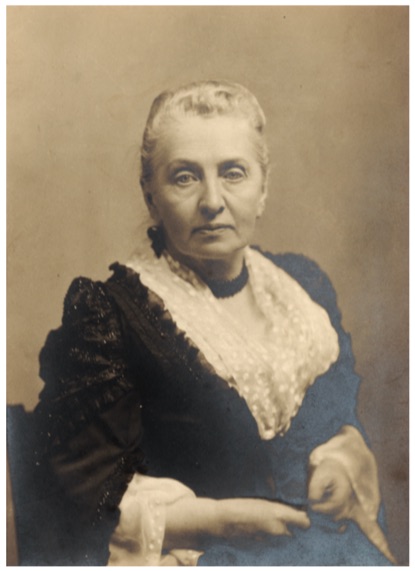
An Isabella-style adventure is always going to be about the journey – not the destination and maybe we don’t want to emulate her bold style if is means having to tolerate jumbo cockroaches, myriads of fleas, a lack of clean water, no waterproof clothing, unseaworthy ships and rickety carts. She may have been the first traveller to some faraway places, very far off the beaten track, but she paid the price in discomfort, being treated as an exhibit in a freak show and having to develop a cast-iron stomach.
So here are 5 things which made travel very different to travel today:
1.Isabella ate some very strange food
Here are some examples of some of the food and drink that Isabella consumed on her travels:
1856 in Canada:
‘in a long wooden shed with blackened rafters and an earthen floor, we breakfasted, at seven o’clock, on johnny-cake, squirrels, buffalo-hump, dampers, and buckwheat, tea and corn spirit, with a crowd of emigrants, hunters, and adventurers; ‘ Rock Island
- stewed salt veal, country cheese, rancid salt butter, fried eggs, and barley bread – coach breakfast in Dartmouth NS
- wheaten scones, raspberries, and cream served by a missionary in the Gulf of St Lawrence
- a cup of tea sweetened with molasses was placed by each plate, instead of any intoxicating beverage in Shediac New Brunswick
- stewed tea, sweetened with molasses, soft cheese instead of butter, and dark rye- bread, served by a landlady in Bend, NB.
1878 in Nojiri Japan:
- salt shell-fish, in a black liquid,
- dried trout impaled on sticks,
- sea slugs in soy, a paste made of pounded roots,
- green cakes made of the slimy river confervae, pressed and dried—all ill-favoured and unsavoury viands.”
2. She faced death bravely
Isabella nearly drowned many times on her travels:
1856 – St Johns to Portland in Maine. The steamer Ornevorg almost sunk in a storm.
1856 – Toronto to Hamilton on Lake Ontario. The steamer almost sunk in a storm.
1872 – Auckland to Hawaii, the Nevada hit a hurricane and nearly went down.
1872 – Crossing the gulches getting back from Waipai Valley near Hilo in Hawaii.
1878 – Hokkaido to Yokohama in Japan. The steamer Hiogo Maru hit by a typhoon.
1888 – Crossing the Shyok River in Ladakh
3. She founded hospitals
If you felt you wanted to make your mark on your travels then build a hospital, these are the ones that Isabella opened and funded.
The John Bishop Memorial Hospital in Islamabad, Pakistan
The Henrietta Bird Hospital in Batala, India
Hospital in Seoul, Korea
The Henrietta Bird Hospital in Paoning, China
Hospital in Chow-fu, China
Orphanage for earthquake victims in Tokyo, Japan
4. She may have read the most useless guide book ever written!
In 1889, when Isabella was leaving for Pakistan and Ladakh, a guidebook had just been published written by Lilias Campbell Davidson called Hints to Lady Travellers. She must have laughed at its puritanical and elitist advice as she was a seasoned explorer by then.
It is sadly sexist and has no regard to environmental damage, here are some extracts:
- If there is a man around he had better be left to manage matters without the hampering interference of feminine physical weakness.
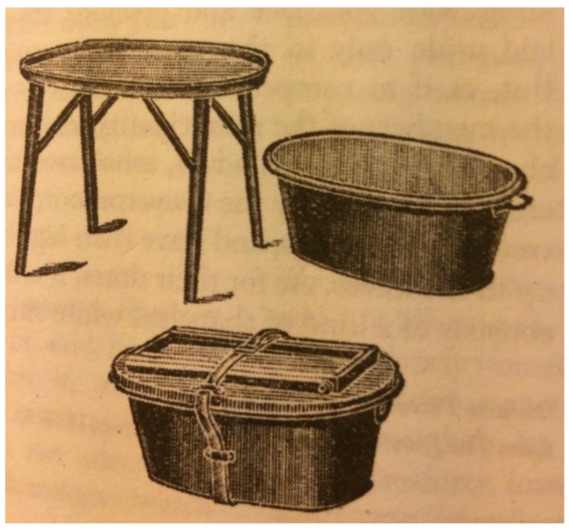
- It is a great convenience to take one’s own bath with one in travelling.
- When on a train journey care should always be taken in throwing empty bottles, papers full of orange peel etc, out of the window of a train to see that these rejected articles fall in place where they can cause neither discomfort or inconvenience.
- After sea-bathing it is a good plan to have the hair well washed with the yolk of an egg which should afterwards be thoroughly rinsed, avoiding hot water which will cook the egg, with most unpleasing results.
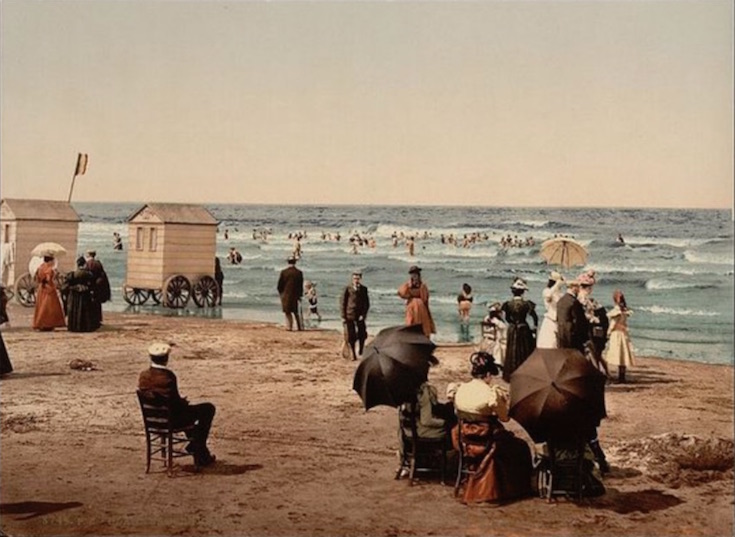
- On a walking tour it is absurd on the part of most women to undertake a daily average of distance, such as would form the ordinary allowance of a man on an expedition of the same sort and many women have become an invalid for life.
- While on a sea-voyage no washing can be done on board, so a sufficient supply of linen must be taken to serve for one’s needs while one is afloat. If old linen is taken, it can be thrown overboard when done with, preventing a most disagreeable accumulation of soiled articles on board the ship.
5. She had adventures that would be impossible today!
- Smoking a peace pipe with a Mic-Mac Indian in Western Canada.
- Riding alone on a borrowed horse into the heart of the crater of Mauna Loa volcano in Hawaii. Isabel described this experience as “the most unutterable of wonderful things”.
- Crossing f looded ravines in pitch dark in Waipi’o Valley in Hawaii.
- Hiring a 17 hand horse in Truckee in California and riding off freely into bear country.
- Taking a night elephant ride to Kwala Kangsar in Malaysia for 10 hours.
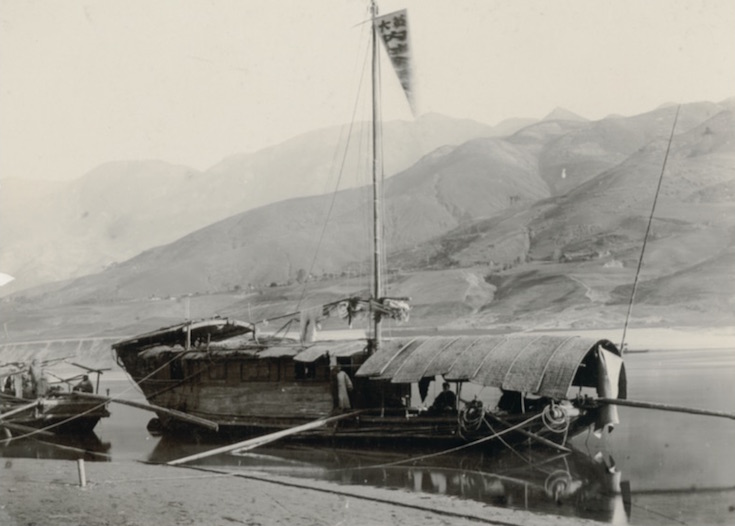
- Traveling along the Yangtze River in a boat with a couple who were known murderers.
-Jacki Hill-Murphy MA, FRGS, is an explorer, writer and speaker who has travelled to some of the most inhospitable places on earth to re-create the journeys of daring women adventurers from the past. Isabella Bird is one of those great women and she saw, while walking in her footsteps across the Lower Himalayas, that the valiant Miss Bird had left her inhibitions at home and journeyed into the unknown seeking freedom through wilderness and curiosity. Jacki is the author of Adventuresses and The Extraordinary Tale of Kate Marsden. She is the director of Under the Sky Events, giving adventure holidays to care experienced adults to increase their well-being
The Life and Travels of Isabella Bird by Jacki Hill-Murphy is available to buy now for £19.99

EVENTS AT STANFORDS
Join us at Stanfords as we welcome Rosemary Brown and Jacki Hill-Murphy and travel back through time to talk about their fascinating new books and the pioneering adventures of the two incredible women who inspired them.
For more details please see the Stanfords events page.