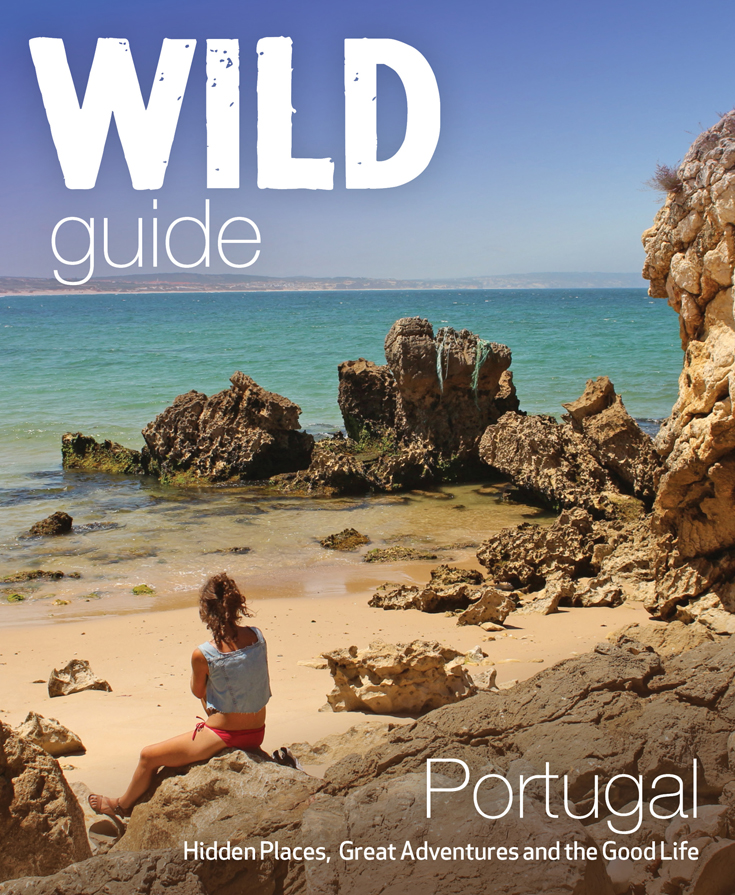
Edwina Pitcher chooses her favourite wild places of Portugal.
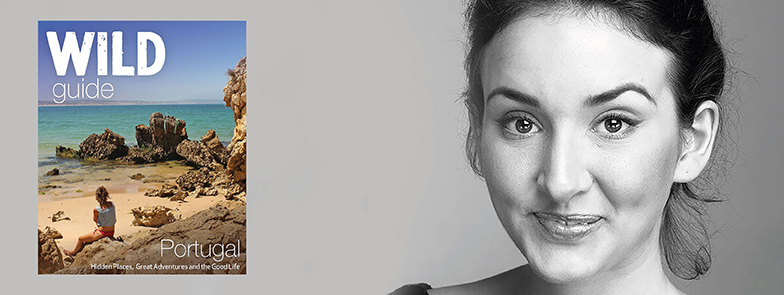
Edwina Pitcher is the author of the latest compendium of adventures, from the best-selling Wild Guide series The Wild Guide Portugal. This guide to Portugal, one of Europe’s fastest growing adventure holiday destinations, explores the hidden parts of its better known tourist areas, as well many more remote regions, rarely visited by tourists.
We asked Edwina to tell us about her favourite wild places of Portugal.
In 2013 I walked the ancient pilgrim route of Caminho de Santiago from the outskirts of Lisbon until Santiago de Compostela in Northern Spain. I began to see that you don’t need to travel very far to find wilderness. You certainly don’t need to leave Europe. Away from the much frequented coastal resorts, Portugal is a timeless and magical place. To the north and east there are wild mountains, sparkling lakes and glacial valleys; to the south and west there are dusty olive groves, ancient standing stones and secret beaches and everywhere you will find rustic villages, magical woodland and windswept hilltop castles. So head inland a little and discover a way of life much unchanged for centuries, where shepherds bake bread, and villagers make wine, honey and olive oil, and where the hospitality is perennial…
Castro Laboreiro (North of Porto)
Castro Laboreiro
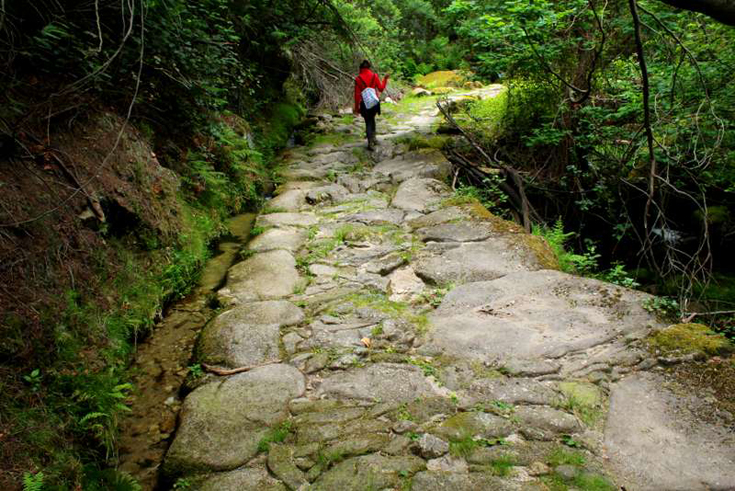
Inhabited by roe deer, wild ponies and rare Iberian wolves, the hills of northern Portugal hold ancient secrets: roman roads, shepherd huts, hillforts and wolf traps, testaments to a bygone age.
Roman Road in Peneda-Geres
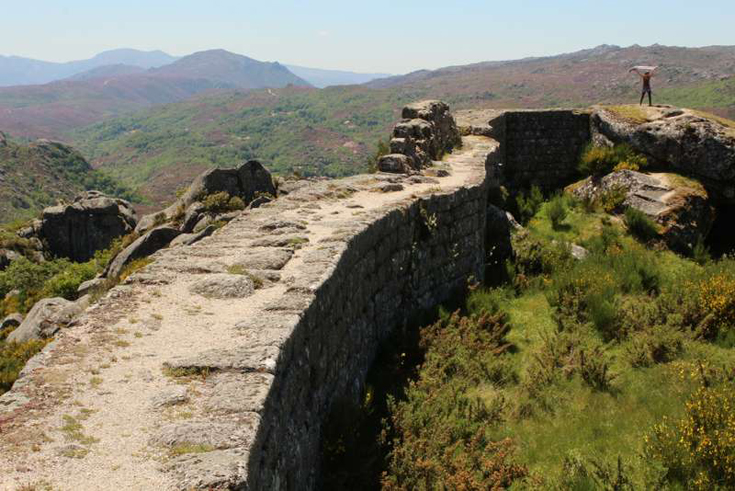
At Castro Laboreiro, in the northernmost tip of Portugal, a wind-torn track leads to a wild border castle. This is a 9th century Galician stronghold turned Moorish castle; now only eagles visit and lizards scuttle underfoot. Old battlements ramble along the mountain edge and great birds of prey wind-hover over valley below. Bring a picnic up here and enjoy a wild sunset.
Park in Castro Laboreiro, from the main square head down behind the pillory, cross the road, turn left past the museum and follow the dirt track on your right to the castle. 20Mins, 42.0231, -8.1582
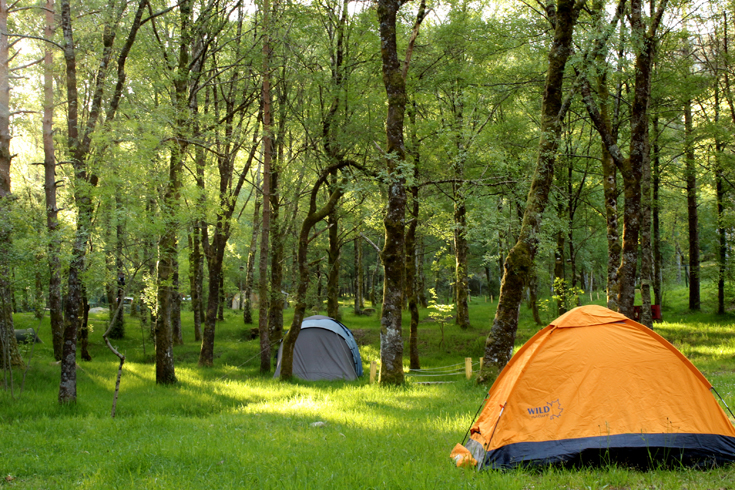
We stayed in a peaceful campsite in the woodland beyond Castro Laboreiro. Several beautiful log cabins overlook a babbling brook meandering through woodland and mossy grass. There are canyoning trips and water adventure activities in the Laboreiro waterfall on offer.
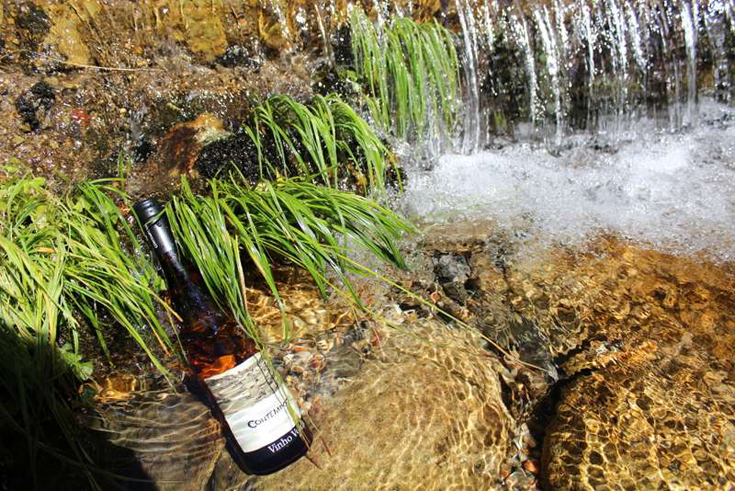
The landscape of northern Portugal is legendary for its green, luscious valleys- the invading Roman army believed it to be their Elysium. At the Lima river, just south of Castro Laboreiro, the soldiers refused to cross the river, mistaking it for Lethe, the river of forgetfulness. Myth often conceals a truth and a slip into forgetfulness may still accompany a glinting glass of Portugal’s finest vinho verde, produced in these green hills.
Vinho Verde
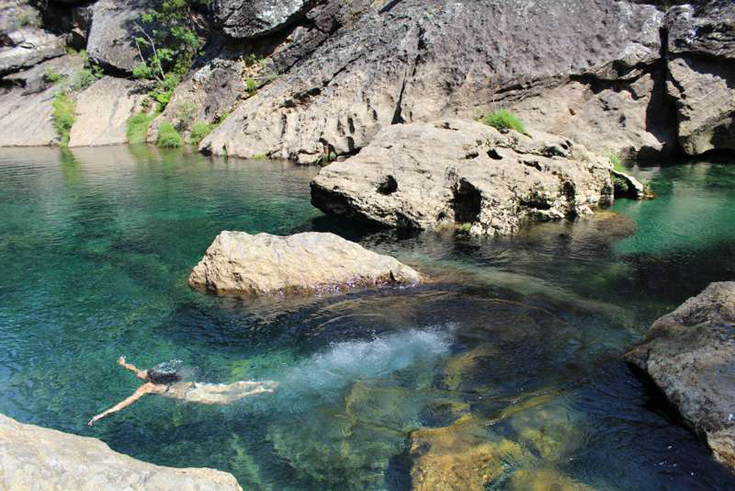
North and central Portugal, with its rivers, lakes and waterfalls, is wonderful for wild swimming. There are hundreds of river beaches with picnic tables as well as unexpected wilder swim spots such as Ponte de São João. Surrounded by woodland and at the end of a scrabbly steep track, the vast azure pool was worth the effort. We dived from huge rocks and swam into quartz caves.
From Covas follow the N301 west towards Caminha. After 1.5km you pass an old bridge; park on the roadside and follow the path to the right down.
41.8775, -8.7156
Ponte de Sao Joao, Viana do Castelo
Berlangas Archipelago, Peniche (North of Lisbon)
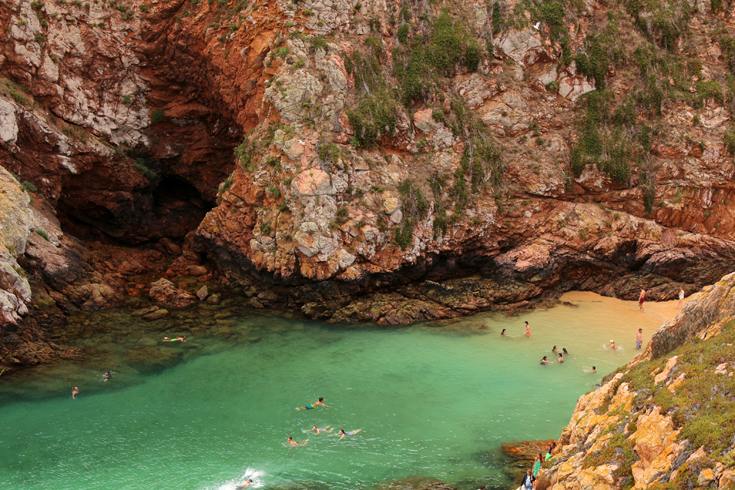
Berlenga, Prainha da Berlenga
This mysterious archipelago lies 7km off the Peniche coast. Bounce over the high seas to Berlengas, the largest of these islands where pink rock and green grass slope down to clear blue water and hundreds of seagulls wheeling and cawing overhead. The inevitable question “Have you been to Earth today?” asked as cargo is unloaded in the harbour. And with the brilliant colours and deafening seagulls, it begins to feel like another planet.
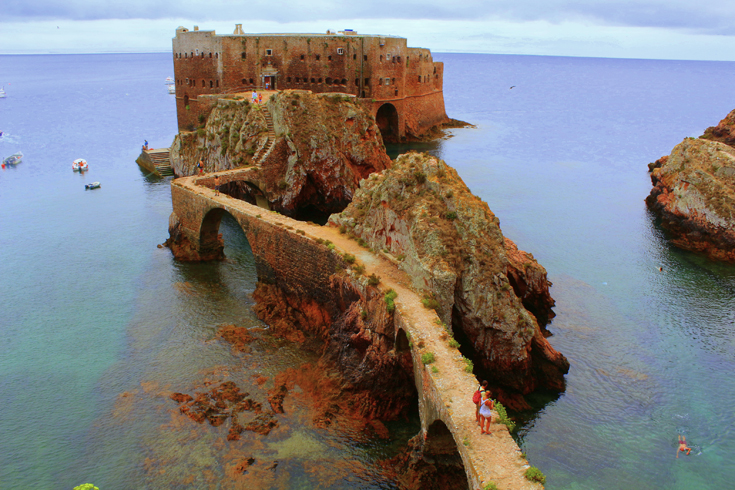
Berlangas Archipelago
On the other side of this 1,500m long island is the enigmatic 16th century fortress of São João. In keeping with this island’s sense of the impossible, it is built on monastic remains over precarious rocks. It can be reached by a bridge zig-zagging bridge, or by a short swim. There are a couple of beautiful small beaches here for a swim, and caves with silvery fishes can be reached by swimming, paddle-boarding or kayaking. Cova do Sonho is one of the best of several caves lit-up by aquamarine water.
Boats leave three times a day from Peniche harbour: call Viamar +351 262 785 646.
39.4149,-9.5075.
For diving call AcaSubOeste +351 918 393 444, acuasuboeste.com. For day-trips call SUP Academy +351 962 374 793, Standupportugal.pt
39.4149, -9.5075
Monsanto, Castlo Branco (South central)
Monsanto
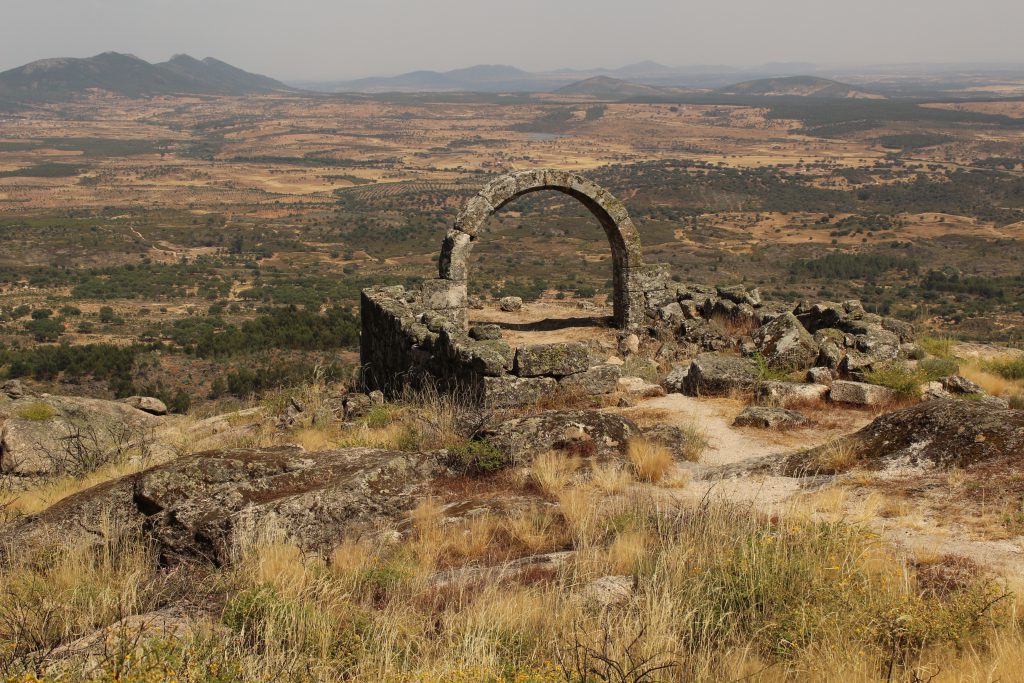
Head back inland to Castelo Branco, south central Portugal and the landscape shifts dramatically to an almost lunar scape, with great boulders scattered like marbles. At Monsanto castle we could survey all the Raiana flatlands until Spain. The village below perches on the hillside, stone houses and chapels are wedged between great boulders acting as a roof here and a ceiling there. A stone arch of a long-gone chapel remains to frame the wild, sun-bleached hills beneath.
From Monsanto take the Pé Calvo track uphill for 10mins.
40.0363, -7.1133
Alentejo (Southern Portugal)
Anta do Tapadao
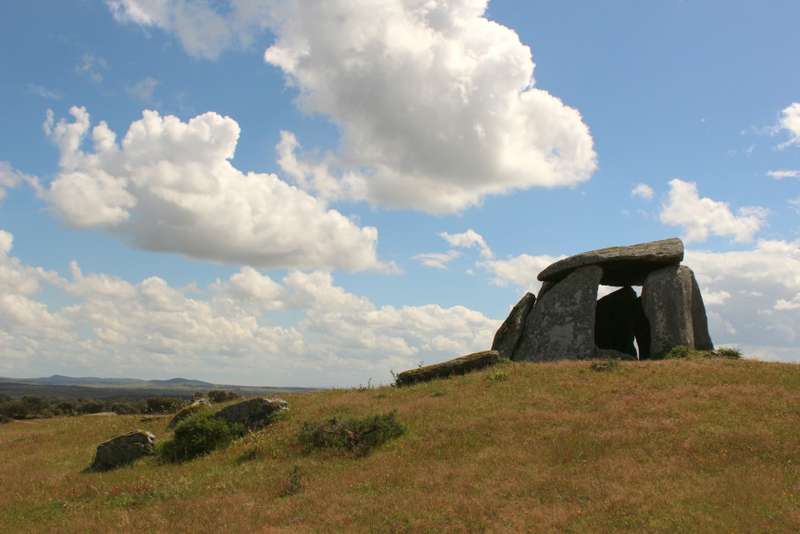
South beyond Castelo Branco district, the Alentejo region has the densest population of Megalithic sites in Iberia. Anta do Tapadão is one of the most beautiful dolmens (a site of megalithic burial) in Portugal. Some 5,000 years old, these stones rises up on a gentle incline to survey the fields. You can crawl in, under a rolled stone, to a cathedral-like chamber underneath.
From Aldeia da Mata take the N363 to Crato for 1km. There is a sign to the dolmen and gate into the paddock. 2Min 39.2973, -7.72121
Esperanca
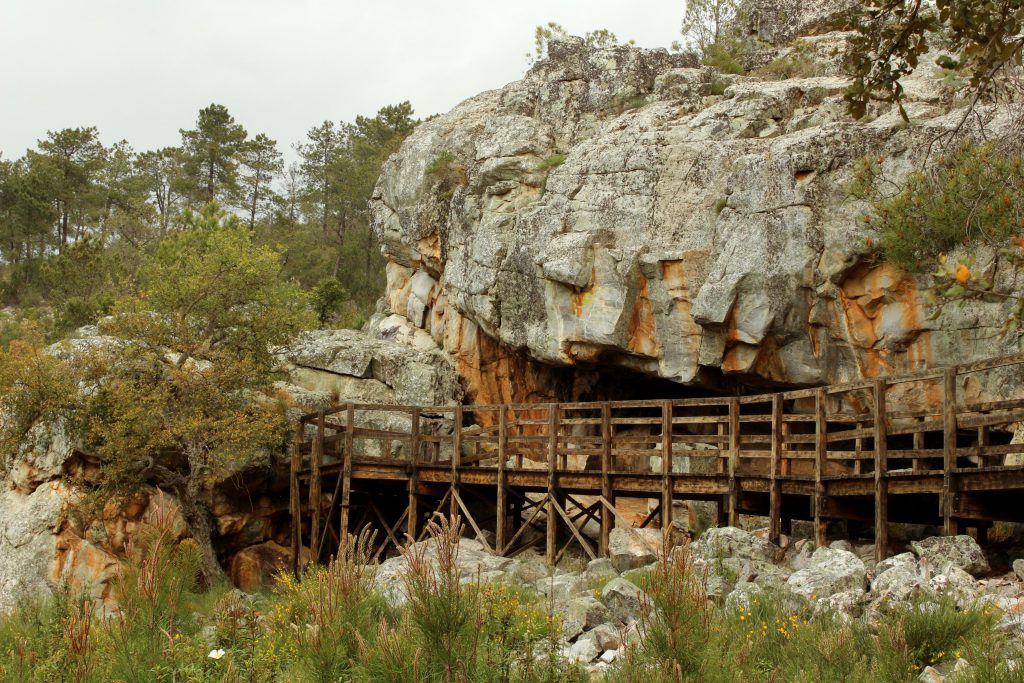
In nearby Esperança are Neolithic cave paintings in red and orange ocre. Let your imagination run wild as you trace the outline of dancing figures, wild boar and dragons left by our ancestors over five millennia ago.
From Esperança follow signs for the Pinturas Rupestres for 2km.
39.1486, -7.1727
Cromlech dos Almendres
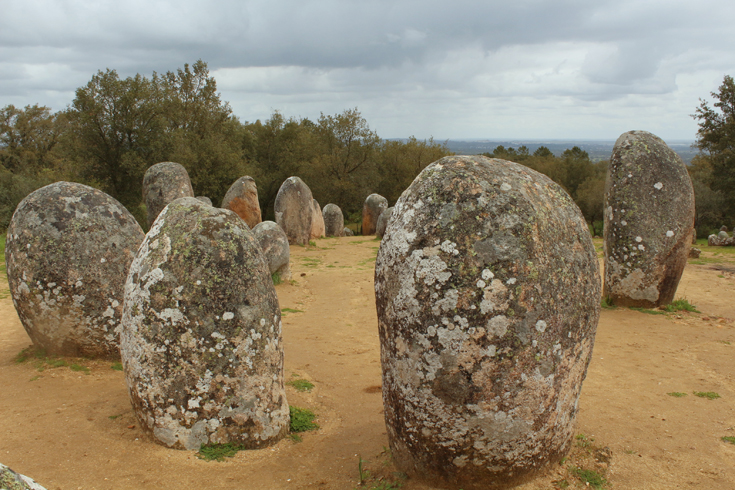
Further south into Évora district of Alentejo is Cromleque dos Almendres, one of Europe’s largest stone circles. From a clearing in the cork-oak woodland, 96 stones, some with swirling designs, watch out over the plains of Nossa Senhora da Guadalupe. It is said it’s impossible to count every stone.
From Évora take the N114 towards Montemore-o-Novo but after 18km turn left at brown sign for ‘Cromleque’. 38.5575, -8.0611
Portugal’s coastline is as varied as the interior landscape, there are shell-strewn beaches in the Algarve, surfers’ beaches and sea-caves in Peniche, dinosaur footprints in Setúbal and wild dunes in Leiria. The Costa Vicentina in the southwest offers some fabulous cliff-top hiking routes along fishermen’s paths with many detours to a secret beach, it’s water blue and its sand undisturbed.
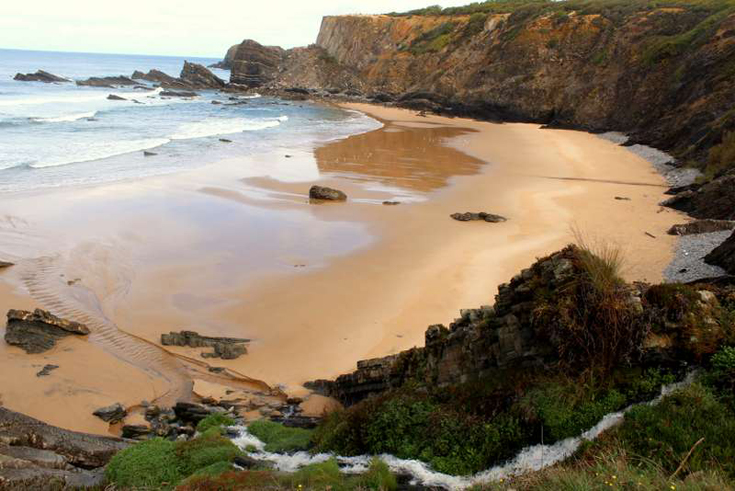
Praia da Amalia
At Praia da Amália waves lap in to a deserted cove. The 400km walking route, the Rota Vicentina, pass by here and a waterfall tumbles down onto the beach providing the perfect freshwater shower after a salty swim. This used to be the secret retreat of Lisbon’s most famous Fado singer, Amália Rodrigues, and it still remains fairly unknown today.
From Brejão take the coastal road towards Azenhas do Mar. At the yellow flower sign turn right. Park and walk down track to left. 37.4828, -8.7941
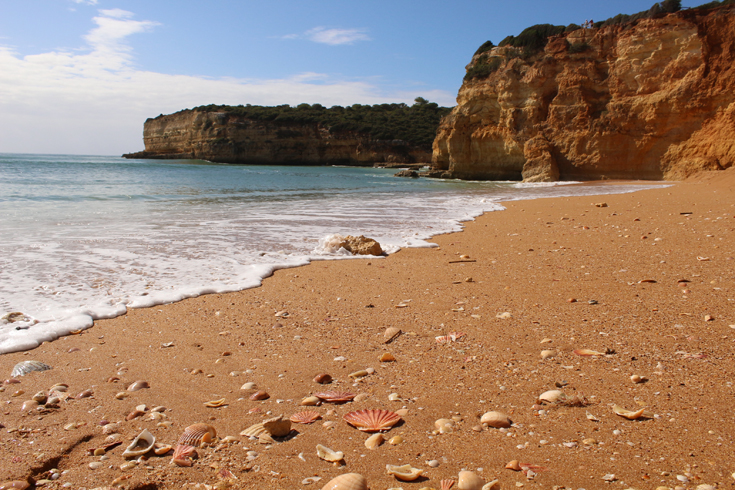
Senhora Rocha
At Praia da Senhora da Rocha, in western Algarve, waves break onto gleaming sand and hundreds of shells. The cove is protected by the great sandstone cliffs which flank the beach and there is a wind-torn chapel on the promontory above.
Exit the N125 at Porches and follow signs to Senhora da Rocha. 5Mins, 37.0973, -8.3857
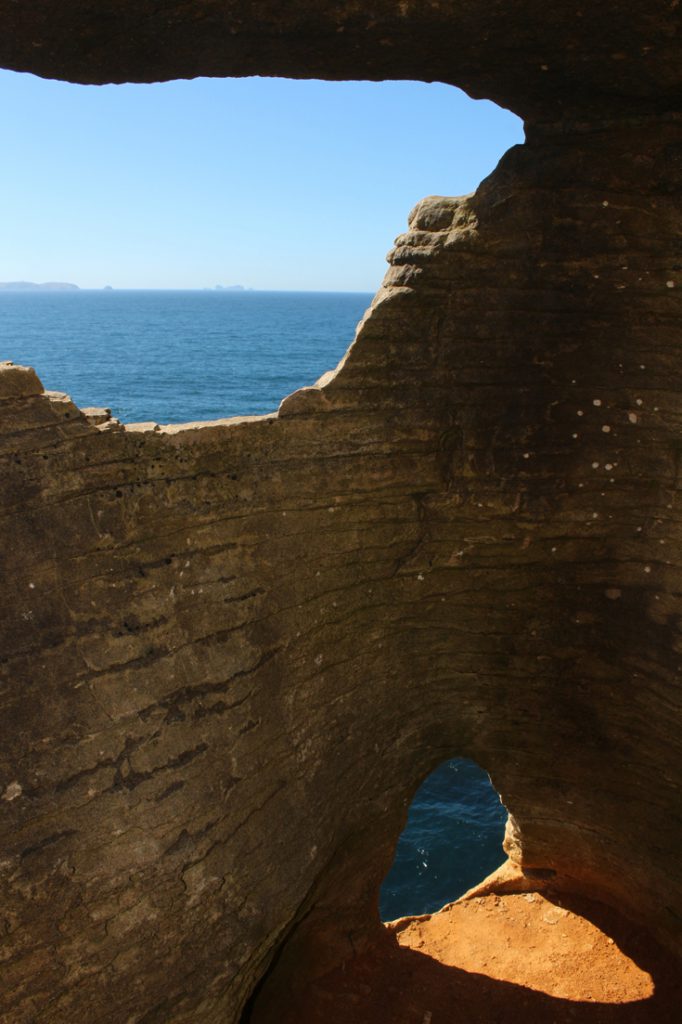
Varanda de Pilatos
This small thinking-place, in a sea-carved stone chamber, is known as Varanda de Pilatos in Peniche. You can let your thoughts soar out across ocean views while sheltered from the wild Atlantic winds. Other caves nearby at Furninha are thought to have been inhabited by Neanderthal man over 20,000 years ago.
Head just north of Cabo Carvoeiro lighthouse along the coastal road before Cruz dos Remedios. 39.3638, -9.4060
Food & Wine
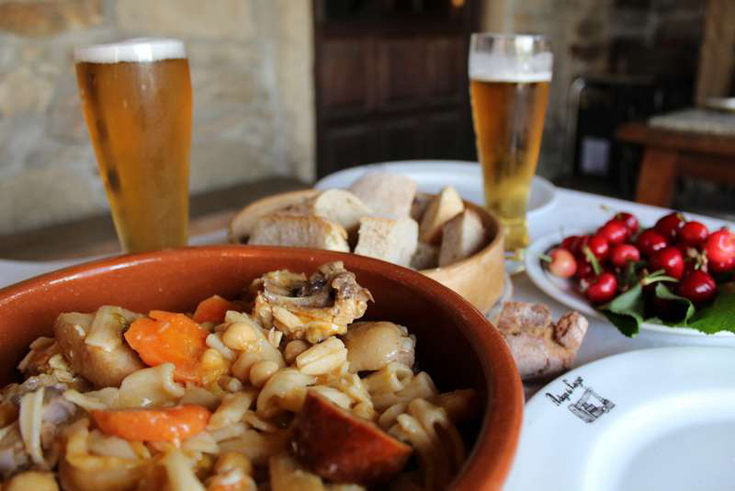
Adegado Lagar, Covas
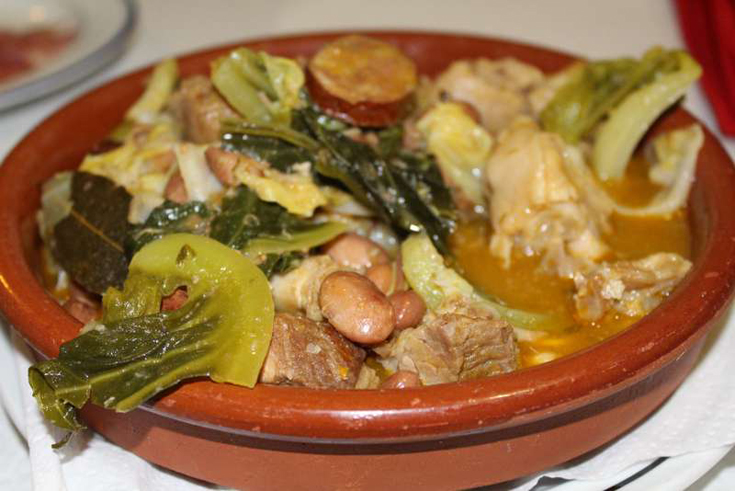
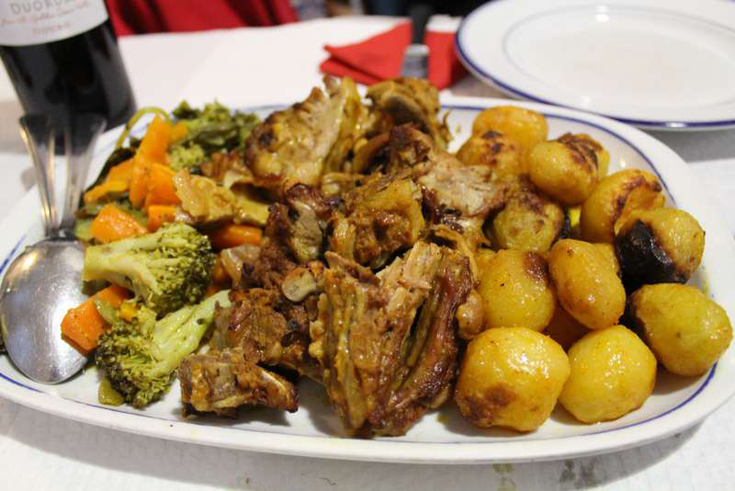
Feasting on Portugal’s regional dishes is yet another direct and joyful way to connect with the natural place. Famous for grilled fish by the sea, the gastronomy of Portugal is in fact as varied as the terrains to which it belongs. In the mountains try roast goat, cabrito assada, cooked in a wood oven or feijoada, a hearty bean stew made with pork shoulder and fumeiro, smoked meats. These are mighty dishes to fuel the wildest adventures.
FeijoadaCabrito assada
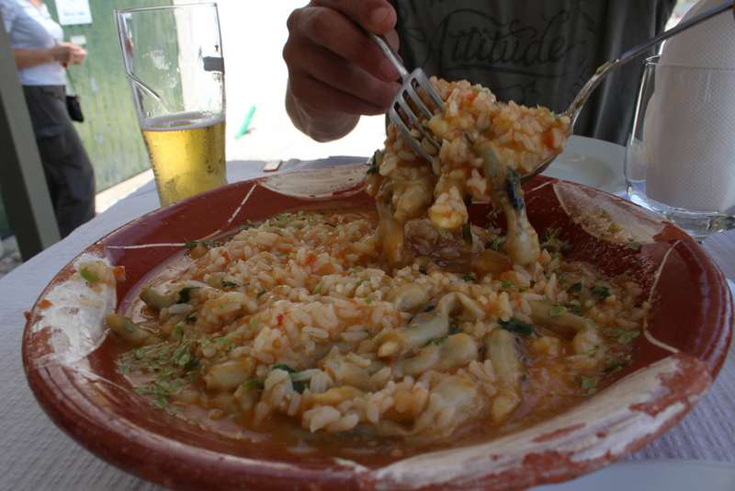
Inland the rivers offer freshwater fish, try grilled eels in Ribatejo or trout from the Côa. In Peniche try caldeira de peixe, bubbling fish stew, or, near the Sado coast, razor clam rice.
Razor clam rice
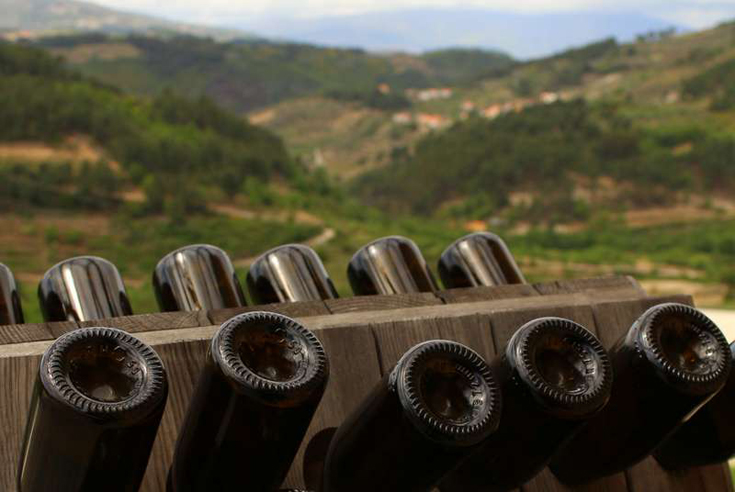
And finally, what better way to savour these natural flavours than with a glass of local wine? Whether it’s fresh vinho verde from Lima or dark deep red wine from the Douro river or Alentejo, the vineyards across Portugal offer a rich and glorious stock.
Douro
So lace up your boots, grab your swimsuit and strike out for wild Portugal with our compendium of wild, secret and beautiful places. Wild Guide Portugal is packed with memories of star-gazing nights, hidden coves, cool rivers, thundering waterfalls, hilltop forts and hidden castles. I hope it inspires many more wild adventures.
Edwina Pitcher is author of Wild Guide Portugal £16.99 It contains over 700 hidden and wild places across Portugal.