By Paul Wood
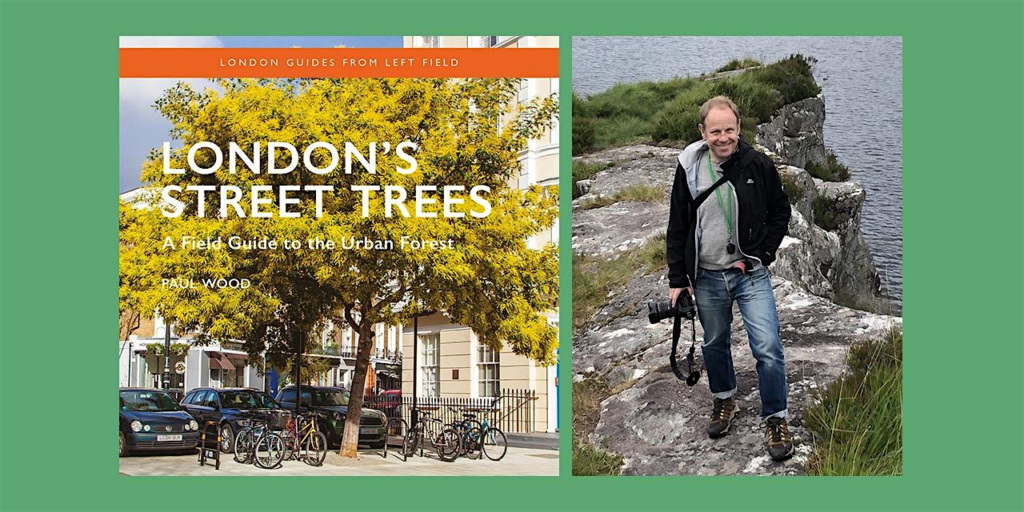
My book, London’s Street Trees, which has just been published in an expanded and revised third edition, sets out to show you that London is in fact an urban arboretum. Any self-respecting botanical collection would be hard-pressed to grow the variety of trees that can be found gracing pavements across town. I reckon there are over 400 different species you can encounter in this great green city. No matter where you live, there are bound to be dozens growing within a few hundred metres of your front door.
To prove my point, I went in search of street trees near Stanfords’ Covent Garden shop. Here are ten different species I found:
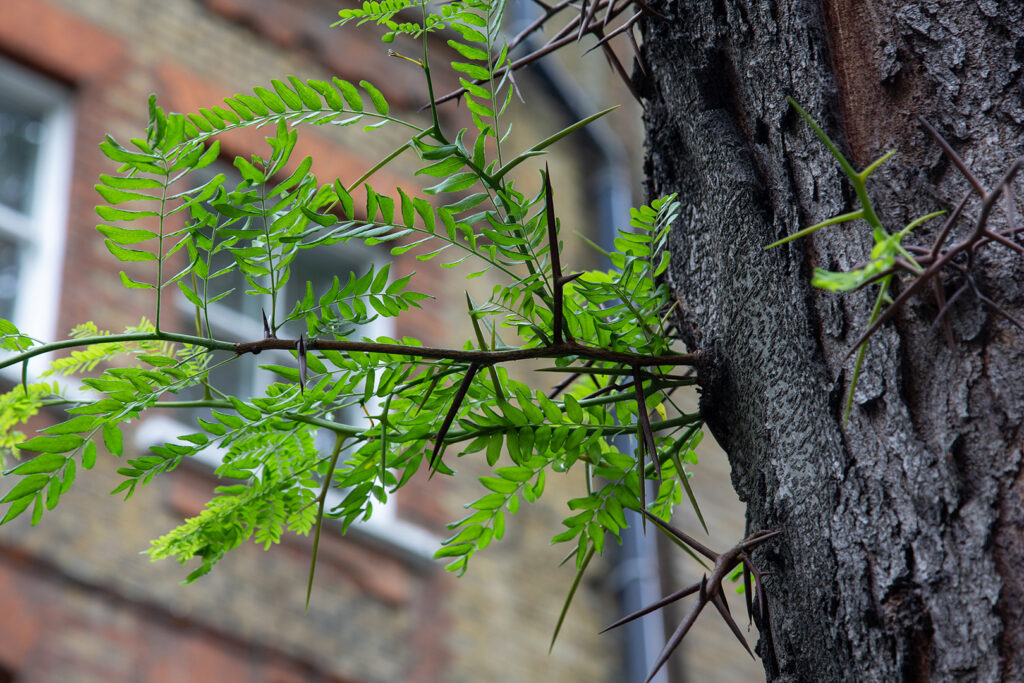
1. Honey Locust, Slingsby Place – Just round the corner from Stanfords an elegant North American honey locust can be seen outside Bill’s restaurant. It is interesting to compare this tree to those on Endell Street, which you should approach with caution: they have weapons- grade thorns growing straight out of their trunks. The Slingsby Place tree is a thornless cultivar, so is a much safer bet for those intent on brushing up on their tree IDs.
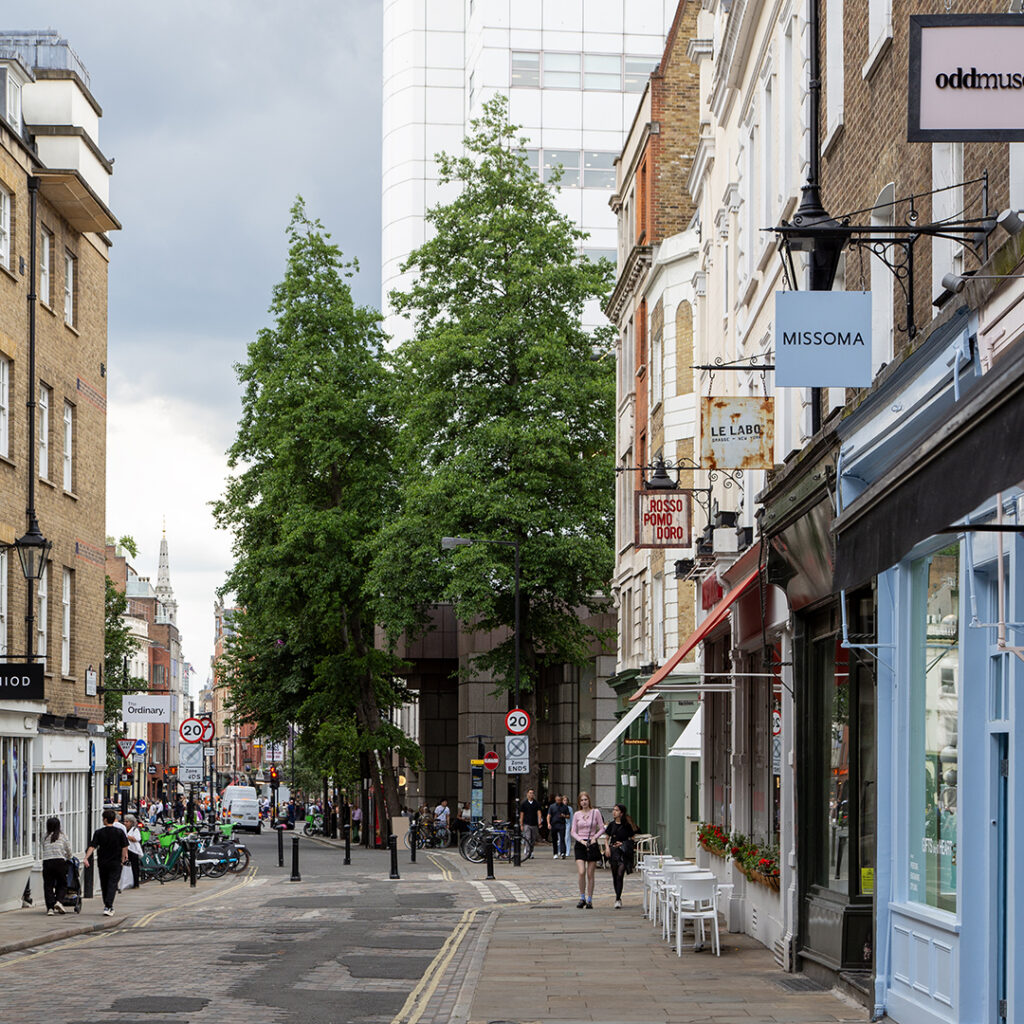
2. Italian Alders, Upper St Martin’s Lane – Outside the white-clad office block on the corner of West Street, two sky-rocketing Italian Alders have managed to reach the building’s sixth floor in little more than 30 years. These conical trees have heart-shaped leaves and hold their tiny seeds in cones.
3. Chanticleer Pears, Seven Dials – There are dozens of these tough ornamental pear trees planted around Covent Garden. It is a species much favoured by urban foresters, who prize its neat form, and its ability to cope in such urban surroundings. They flower briefly but beautifully in March, but the rest of the year you would probably be surprised to discover they are a species of pear. No juicy fruits are produced, just small brown berries.
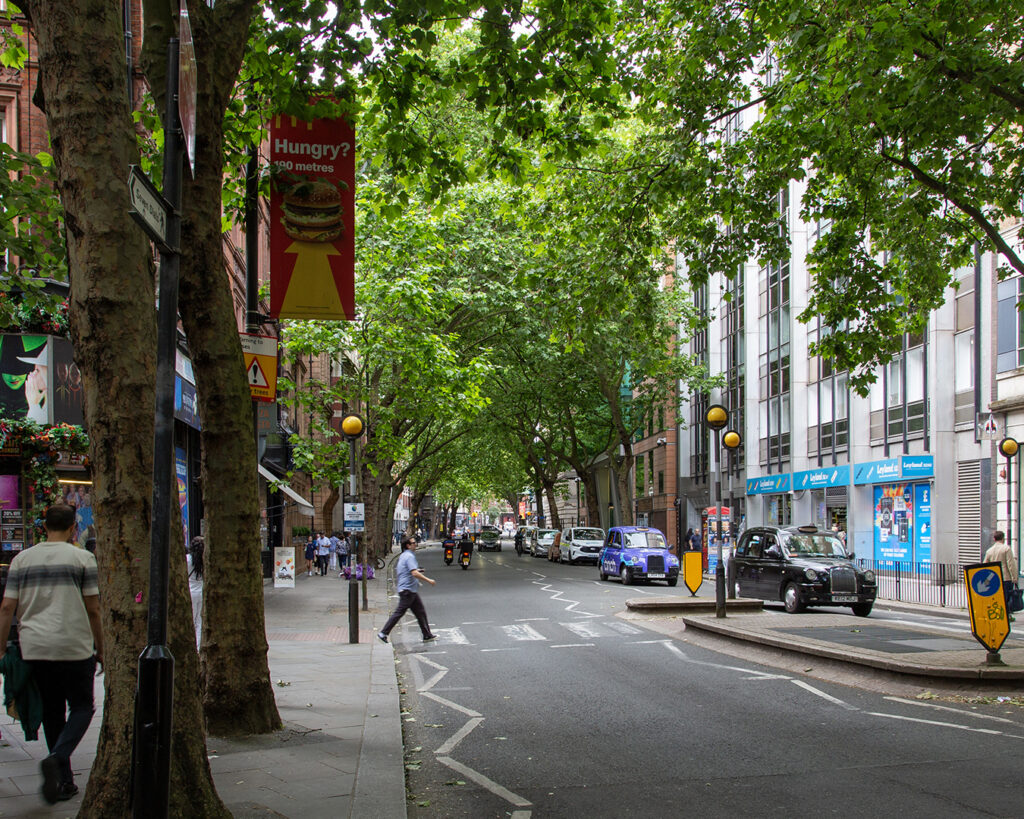
4. London Planes, Shaftesbury Avenue – Can you imagine London without its Planes? These monumental trees define London, especially in the centre of town. The trees on Shaftesbury Avenue are typical, forming a green tunnel over the street.
5. Raywood Ash, Endell Street – This street is one of the best in Covent Garden for street trees. Several different species have been planted and most are now mature. Its several Honey Locusts are intriguing, but Endell Street is defined by the Raywood Ash trees that enclose it. Raywoods have fine, feathery leaves which are particularly spectacular in the autumn when they turn gold, magenta and crimson.
6. Southern Catalpa, Shorts Gardens – On the corner where Shorts Gardens joins Endell Street a stocky Southern Catalpa or Indian Bean Tree grows. It has large leaves which are also fragrant, and it produces blowsy white flowers in July, which turn into long bean-like seed pods come autumn. These can stay on the tree through the winter, so it’s a tree you can ID in the leafless months.
7. Variegated Chinese Tree Privets, Neal Street – Most street trees are deciduous, meaning they lose their leaves in winter, but on Neal Street several evergreen Chinese Tree Privets have been planted. They’re doing very well too. The most noticeable are those with yellow-edged leaves, which give the tree a striking golden crown.
8. American Sweetgum, Bedford Street – Opposite the Tesco on the corner of King Street and Bedford Street a newly planted American Sweetgum can be seen. It has leaves rather like those of a maple, but they are sweetly scented. Hopefully it will grow into a big tree like many of its siblings that have been planted across London over the last few decades, and will be worth visiting in November to see its vermillion leaves.
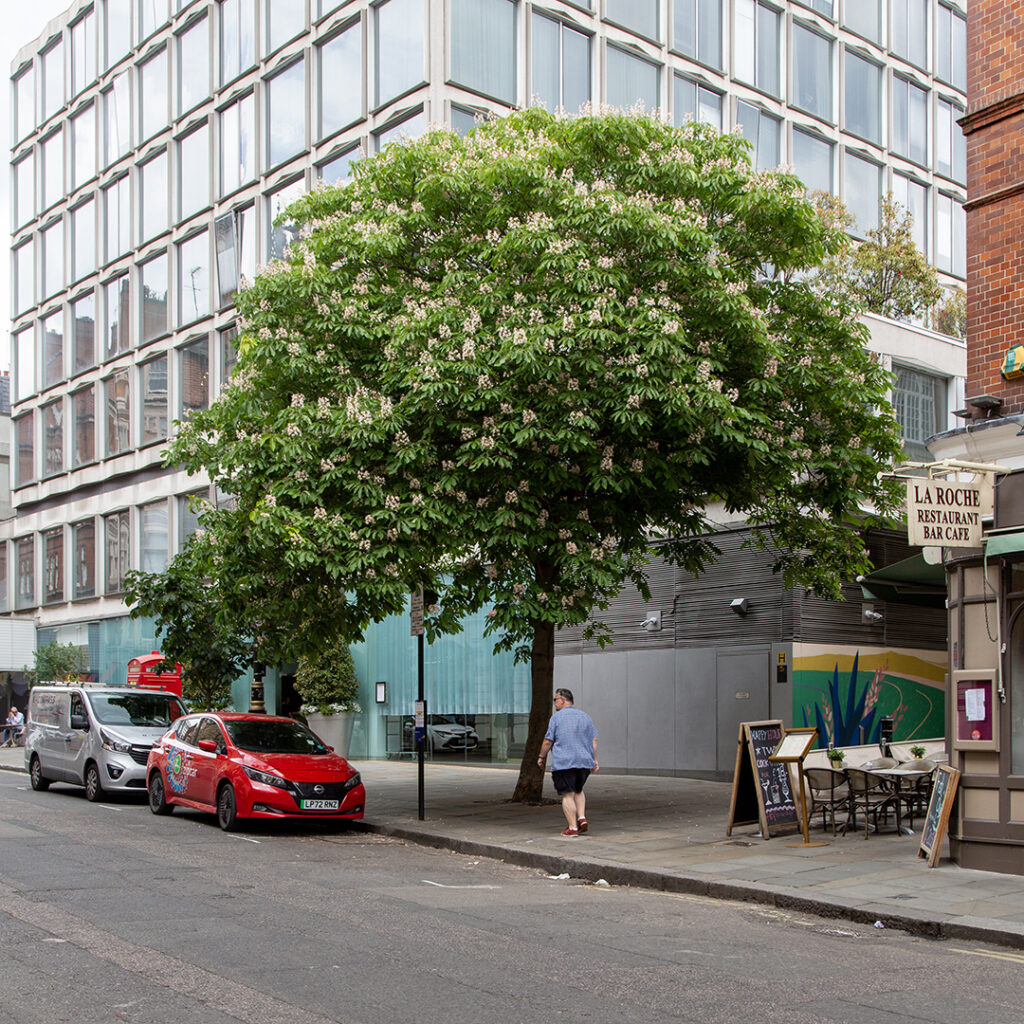
9. Indian Horse Chestnut, St Martin’s Lane – Just before you get to the Coliseum on St Martin’s Lane, a green dome offers some relief in this otherwise treeless stretch of road. It’s a horse chestnut, but not a regular conker tree. Come in June to see it in flower and to confirm, by this late flowering time, that it is an Indian Horse Chestnut.
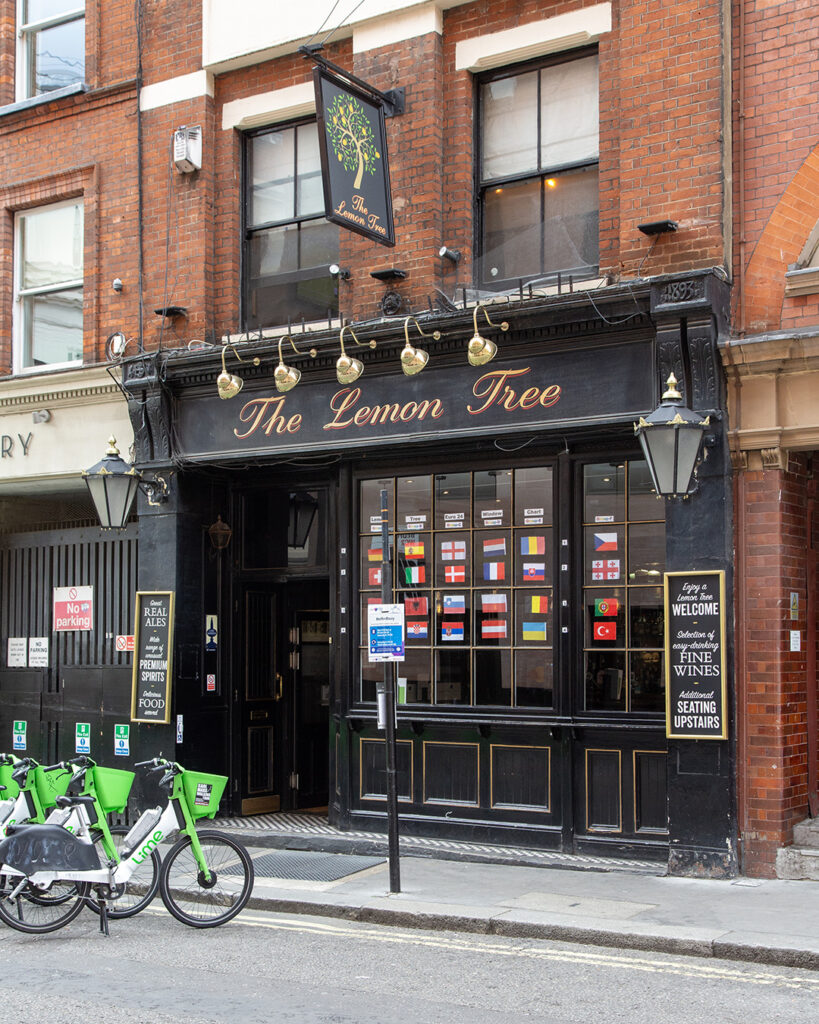
10. Lemon Tree, Bedfordbury – OK, this tree is actually a pub, but it is only a matter of time, I think, before Lemon trees will be growing in Covent Garden. London’s first example was planted earlier this year by the publisher of my book, and is doing well in Shoreditch. Having bought your copy of London’s Street Trees: A Field Guide to the Urban Forest at Stanfords, you’ll find the Lemon Tree a good place for a quiet drink and a sit down to read more about the Shoreditch tree and all the other species you can encounter in Covent Garden and beyond.
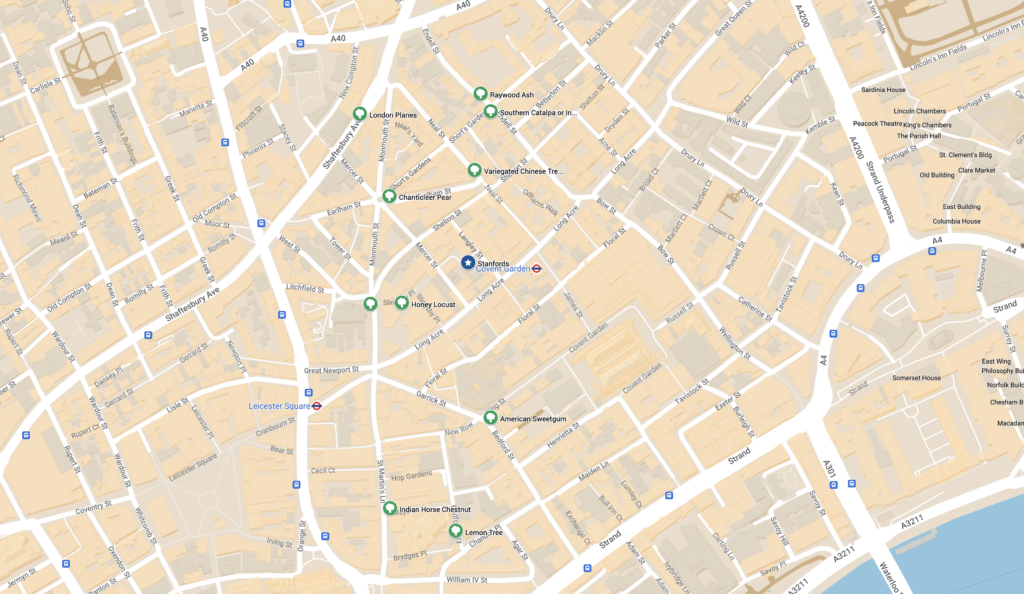
Paul has mapped these 10 trees so you can take yourself on a tour:
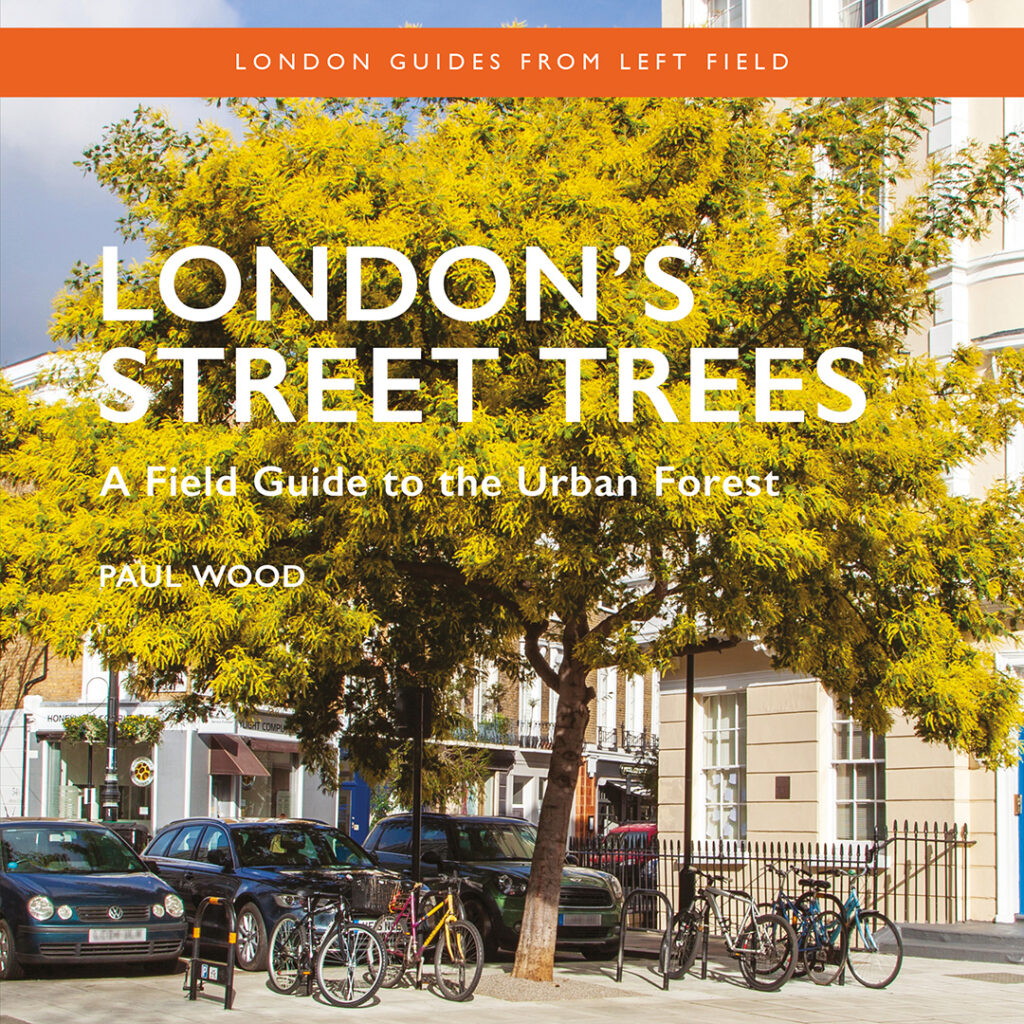
The new edition of Paul Wood’s London Street Trees: A Field Guide to the Urban Arboretum is published by Safe Haven at £16.99.
STANFORDS EVENT: Join us on Thursday 29th August as Paul Wood comes to Stanfords to talk about London’s Street Trees. More information and tickets.