-by Stanfords Bristol
This August has seen us celebrating Women in Translation month, an entire month dedicated to great literature written by and translated by women. To help round off this celebration, we’ve enlisted the help of Bristol-based translator, Polly Barton.
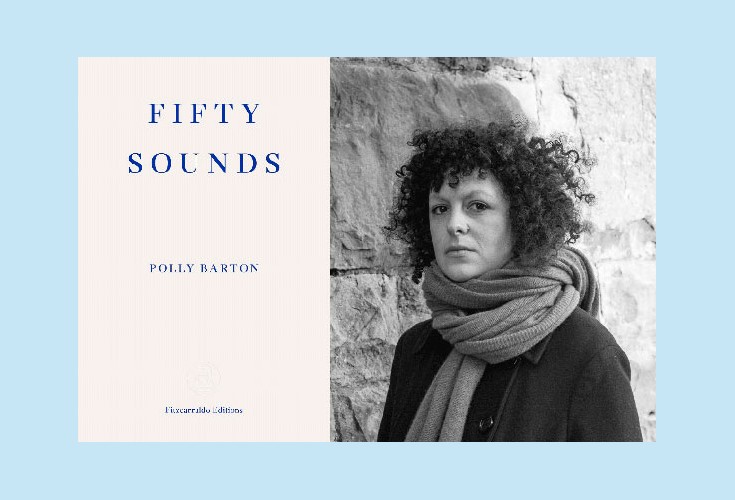
When Polly was 21, she moved to live and work in Japan, a decision that eventually led to her becoming a literary translator. Polly’s full-length translations include Spring Garden by Tomoka Shibasaki, Where the Wild Ladies Are by Aoko Matsuda and There’s No Such Thing as an Easy Job by Kikuko Tsumura. Her first non-fiction book Fifty Sounds, published by Fitzcarraldo Editions, is an exquisite rendering of what it feels like to learn, speak and eventually live a life inside another language.
We asked Polly a few questions about her role as translator…
First of all, what’s your favourite thing about working as a translator?
It’s hard to choose, because I love so many aspects of being a translator. But I guess I’d have to say the combination of intensity and variety. I feel like I’m allowed to inhabit so many different characters and places, get little glimpses into so many different niches of life, in a fashion that transcends the depth of the usual reading experience. It’s maybe a bit of a tired metaphor, but I do think of it a bit like being an actor but on paper.
What does Women in Translation Month mean to you?
If I’m honest, I’m not very good with Months and Days and so on, especially in pandemic times when I feel like my awareness of time is soup. So I’ll just say: it means I get invited to do more events, and get to see other people doing events, celebrating women being translated, which is something that I wholeheartedly believe we should celebrate. And the publishing companies that regularly publish women being translated by women tend to be the independents, so it’s also a way of celebrating the wonderful work that they do in getting under-represented voices into the world.
How would you describe the way the creative process of translation works?
This is where all the bad metaphors come out! I once said in an event, when zoom had thoroughly rotted my brain, that it was like being the ghost in the wall between two rooms, and actually I stand by that: I think that’s quite an accurate representation of how it feels. Another, slightly less savoury one that I often reach for in describing translating a sentence is: drinking something, swilling it around inside, and then spitting it out a chemically identical substance in a totally different colour.
In what ways is translation different to other forms of creative writing? And in what ways is it similar?
I guess I think of it as writing with the constraints ramped up to the absolute max: it’s writing where you don’t have to think about the plot or structure or character development (at least not in the sense of dreaming those things up from scratch), and where you’re just really focused on the level of the language.
Translation is incredibly important for cultural exchange, but do translators get the recognition they deserve?
I think visibility for translators is definitely improving. Translators are featured more in articles, events, and TV and radio programmes, and we’re seeing more translators names on the front covers of books in the UK now. I think we still have some way to go though–I think that despite the nods given to translators, there can be a general lack of understanding about how important a role the translator plays in shaping the text that reaches you. My thoughts automatically go to Japan, where the translator is a very important figure, who would always be listed in referencing a book, and where there are certain translators with fans who will read whatever they work on. I think we are beginning to see that, finally, but there’s room for plenty more for it.
Given the rapid development of machine learning and computerised translation, do you think the role of the translator is at risk?
I personally don’t feel the role of the literary translator is much more endangered than that of the author, because I ultimately believe it’s a pretty similar activity in terms of the degree of nuance required. That’s not to say that it’ll look exactly the same in twenty years – I suspect we’ll start more and more using computers for the first run, but I imagine there’ll be a human translator tweaking that significantly for a long time to come.
What advice would you give for people looking to start out in translation?
It sounds basic, but read! Read a lot, and read widely, and attentively, in both the language you want to translate from and the one you want to translate into.
Could you recommend to our subscribers some translated fiction that you really love?
For sure. I read Go, Went, Gone by Jenny Erpenbeck translated by Susan Bernofsky recently, and it blew me away. Other unshakeable favourites include Fish Soup by Margarita García Robayo translated by Charlotte Coombe and Hurricane Season by Fernanda Melchor translated by Sophie Hughes. In terms of recent publications, Black Box by Shiori Ito translated by Allison Markin Powell is a bracing and necessary read. And I’ve got I am the Brother of XX by Fleur Jaeggy translated by Gini Alhadeff is next on my TBR pile, and I’m excited.
We’ll be hosting an event with Polly Barton, alongside fellow author Nina Mingya Powles, at our Bristol store on 12 October 2021. Tickets available here.
Image credit: Polly Barton by Garry Loughlin