by Lesley Williams, author of Walking the Tour of the Lake District: A nine-day circuit of Cumbria’s fells, valleys and lakes (Cicerone).
The Lake District is justifiably one of Britain’s most popular national parks, offering a treasure trove of attractions for outdoor enthusiasts and more leisure conscious visitors alike. Whatever the weather, the mountain light of this special landscape is reflected in the beautiful lakes and tarns, and while the wild open fells provide a backdrop for some, they remain the main focus for any keen walker.
Day walks or a vehicle-free trail?
If you long to be able to enjoy fell walking without the hassle of trying to find a space to park the car, then a continuous trek might be the answer. The Tour of the Lake District is a 145km circular walking route around the best of the Lake District, and you can leave the car at home! Starting and finishing in Ambleside, and with a short prologue stage from Windermere station, this nine-day tour takes in all the highlights, with fell-summit options on five stages.
A man-made landscape
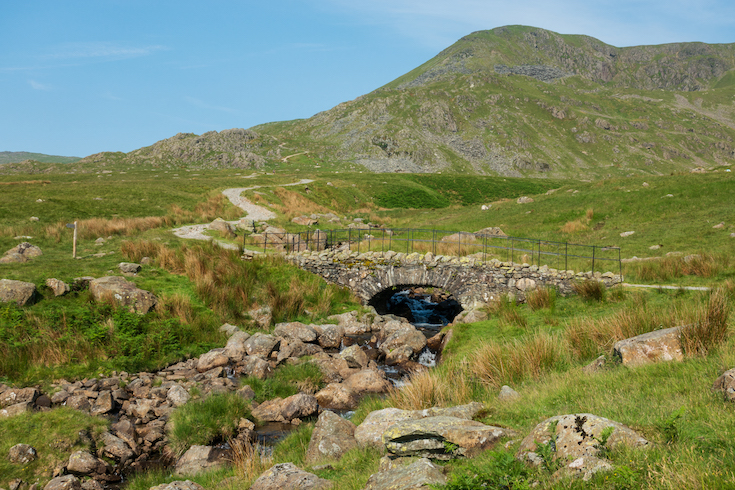
Shaped over the centuries, the Lake District’s open fell landscape reflects countless generations of activities – farming, quarrying and mining, forestry, water management and tourism. The unique geology of the region has produced valuable mineral resources, including copper, lead, tungsten and graphite, while slate mines continue to provide superb roofing materials to this day.
Farms and heritage
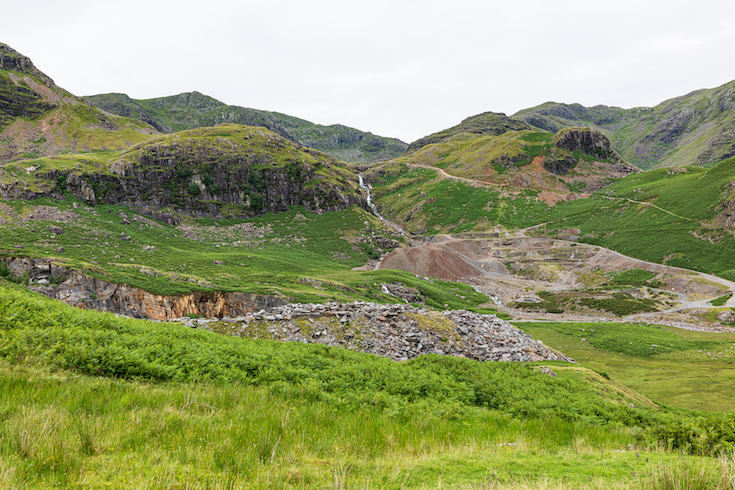
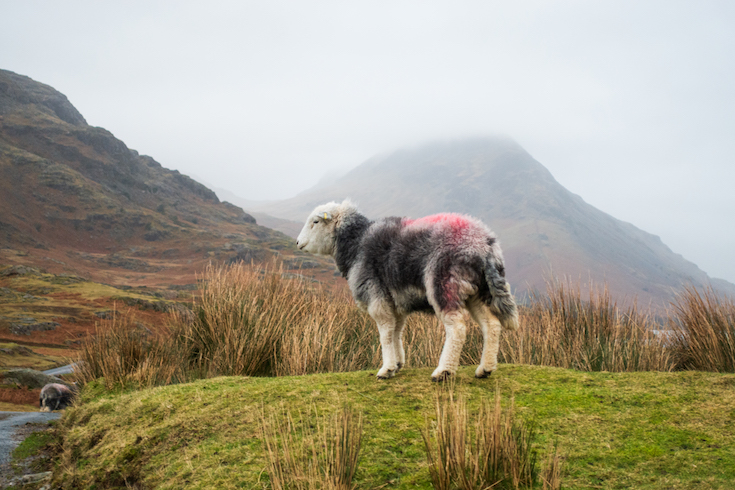
Designated as an UNESCO World Heritage site, the Lake District is inscribed as a Culture Landscape. We owe much of this to Beatrix Potter, who owned a number of farms where she bred prize winning Herdwick sheep. An active conservationist, she worked closely with the National Trust and left most of her extensive estate to the nation in order to preserve the landscape we enjoy today. Herdwicks are the hardy ancient breed of sheep you see on the fells, probably introduced over 5000 years ago, the name ‘Herdwyck’ derived from the old Norse word of ‘sheep pasture’.
Our ancient ancestors
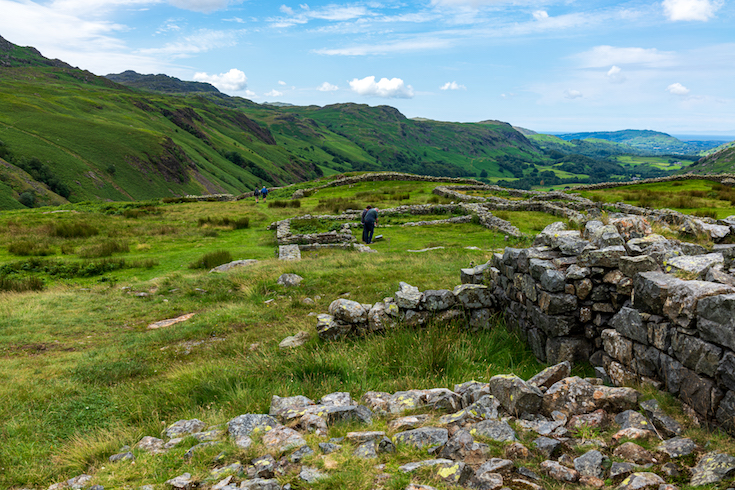
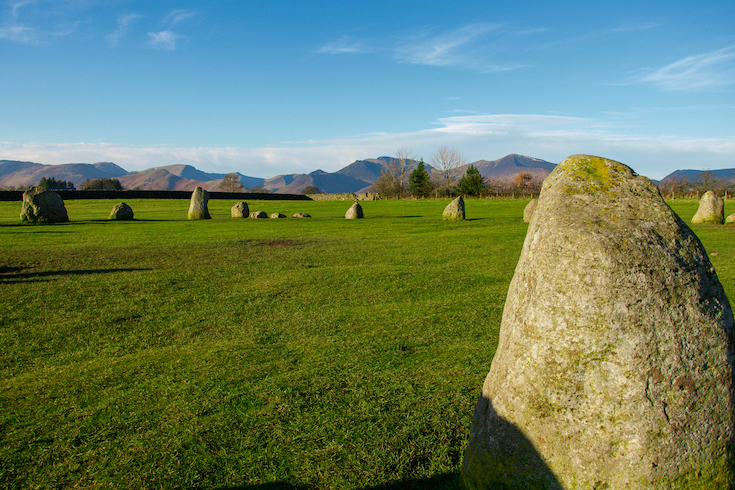
Neolithic man left his mark here, with evidence of stone axe ‘factories’, cup and ring markings on stones, and near Keswick you will find the 5000 year old Castlerigg Stone Circle, in its atmospheric elevated setting, cradled among the northern fells. The Romans settled here too, building forts and roads, one well-known road being High Street, a north-south route along a high ridgeline, and the ‘10th Iter’ road connecting Kendal, Ambleside and Ravenglass, with the Hardknott Roman Fort (Mediobogdum) situated in upper Eskdale. Traders used ancient routes over passes to transport wool and other commodities between one valley with another. Modern walkers and mountain bikers now benefit from these old ways, including for example the Walna Scar Road used on one stage of the Tour.
Walking the tour of the Lake District
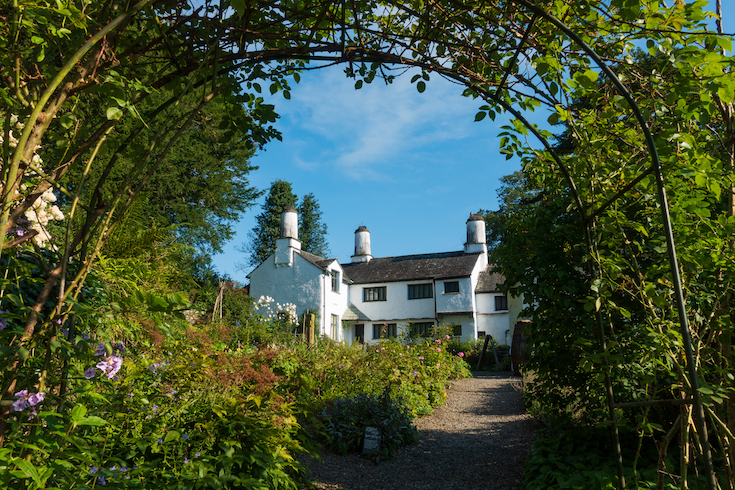
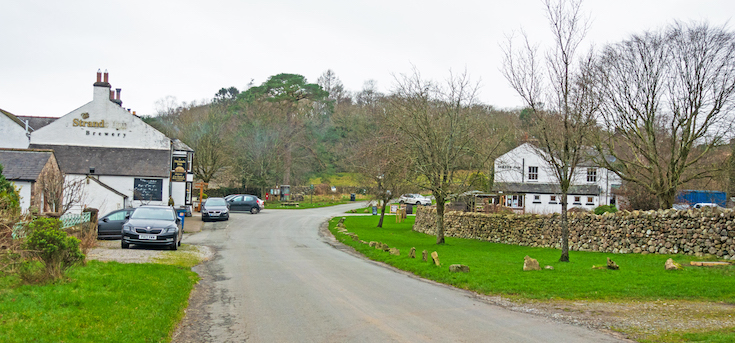
It’s possible to walk in the Lake District at any time of year, but the better weather is usually in early summer and in the autumn. Accommodation of all grades and varieties can be found along the way, but you will need to plan and book well in advance, to be sure of a bed for the night. It’s also possible to camp, with numerous campsites in the valleys. But for the best experience, try to stay in some of the ancient inns – sturdy traditional buildings made from local stone offering great food, accommodation and a warm welcome.
Walking The Tour of the Lake District: A nine-day circuit of Cumbria’s fells, valleys and lakes by Lesley Williams (Cicerone)