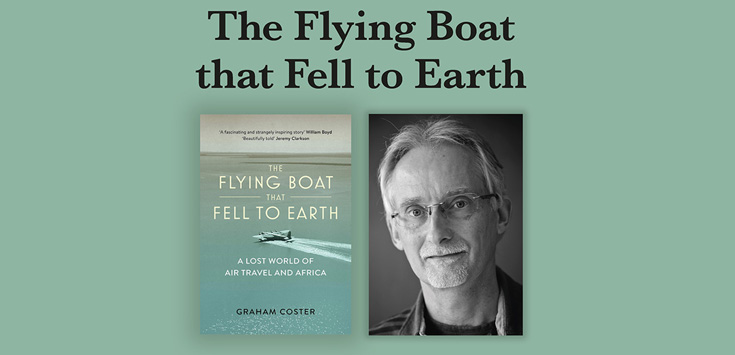
Ahead of his event here on the 19th February 2019, Graham Coster, author of The Flying Boat That Fell to Earth: A Lost World of Air Travel and Africa shares some facts about flying boats with us.
1) A flying boat was not only a plane that could alight on water but a boat that could fly: instead of a fuselage it had a hull.
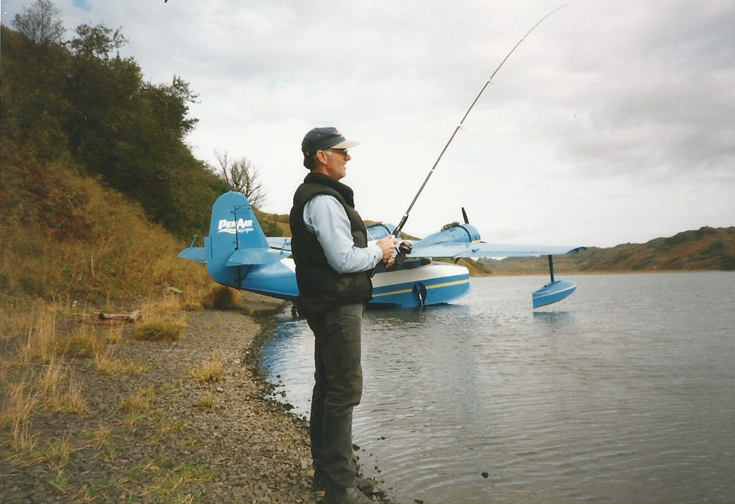
2) As soon as a flying boat touched down on water it legally became a boat: it was subject to maritime law, had to fly the White Ensign, and obey the rules of the sea. Its cabin crew tended to be recruited from ocean liners, and its pilots dressed in white like ships’ captains.
3) The aluminium on a flying boat’s hull was no thicker than that on a baked-bean tin: any heavier gauge would have made it too heavy to take off. Even a heavy swell on the sea could rip a hole in the hull on landing.
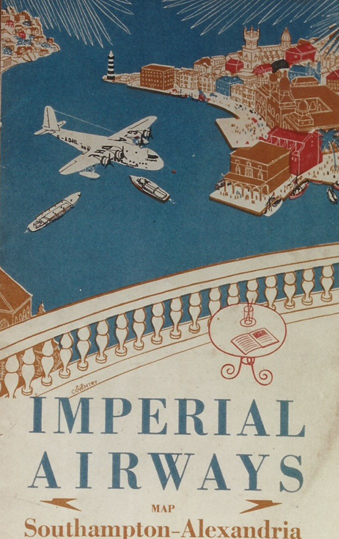
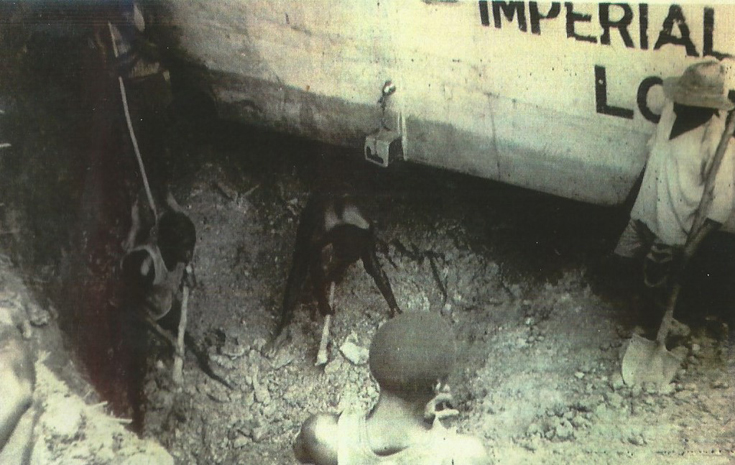
4) When Imperial Airways was using flying boats on its Africa route and touching them down on Lake Victoria or the Zambesi, a launch would have to go out beforehand and clear the water of hippos – hitting one of them would have wrecked the plane and risked fatalities.
5) The Second World War sounded the death knell for flying boats. Pre-war airfields had grass runways, which in tropical climates turned to quagmire during the monsoon, and meant it was more practical to land planes on water. But the building of long concrete runways during the war for heavy bombers and transport planes left a post-war legacy for big airliners to use.
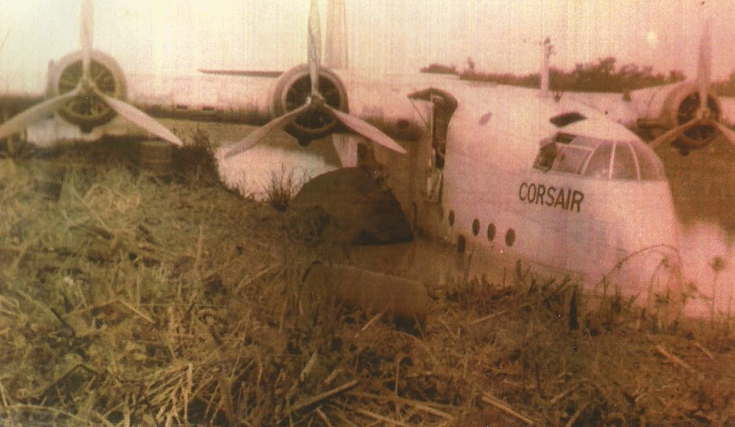
6) A flying boat can’t take off from a perfectly smooth stretch of water – the surface tension won’t allow the hull to ‘un-stick’. You have to go out and ruffle the surface of the water with a launch.
7) A flying boat is inherently un-aerodynamic: the deep hull needed for it to work as a boat means you can’t streamline the nose, and the engines have to be high up on the wing to avoid the propellers fouling the water on touchdown.
8) Churchill once took the controls of a transatlantic flying boat on his way back from seeing Roosevelt during the war.

9) Catching the flying boat from the UK to and from Africa often saw the journey turn into a rolling house party for passengers and crew as they alighted every evening on a new lake, river or bay and repaired to a luxury hotel for the night.
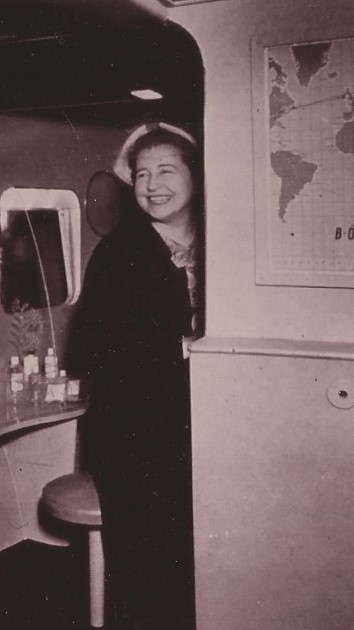
10) BOAC’s last flying boats on the Africa run till 1950 featured a Ladies’ Powder Room furnished with free Elizabeth Arden Blue Grass perfume.
The Flying Boat That Fell to Earth by Graham Coster is available now:
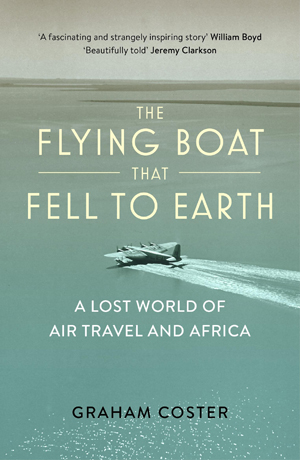
Graham Coster will be at Stanfords on Tuesday, 19th February talking about his book. For more information and tickets see here.