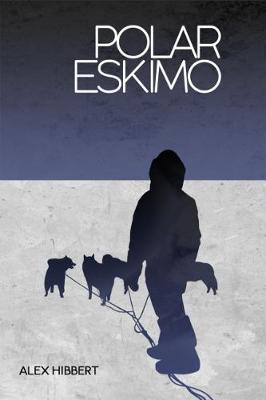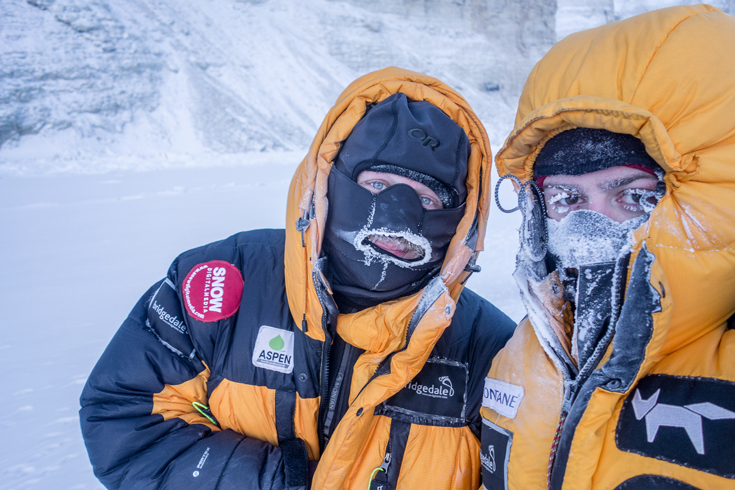
In December of 2013, Alex Hibbert led an international quartet of polar travellers to the extreme north of Arctic Greenland. After a huge storm destroyed their intended route to the North Pole in the darkness of winter, instead of retreating, they decided to explore the beautiful but unforgiving region of Avanerriaq, the home of the Polar Eskimos. What followed was six months of harsh education, gripping adventure and… twenty unruly sled dogs. We asked the author of Polar Eskimo to tell us about Northern Greenland:
1. The language isn’t a great deal like ‘normal’ Greenlandic
Few will be surprised to hear that languages of Inuit communities are a thousand miles removed from European equivalents. Although with ancient links to their migratory history in Eastern Asia, hundreds of years and isolation have led to a wide variation in modern-day dialects. In the Extreme North of Avanerriaq, the official Greenlandic language, Kalaallisut, is only spoken as a second language. Their own, Inuktun (although they themselves rarely use this word), is spoken by fewer than a thousand people and has no formal spelling convention. It is closely related to the Canadian language , Inuktitut, due to a renewed injection of that dialect following a mid-nineteenth century migration from Baffin Island.
2. The terrain is extraordinarily unhelpful
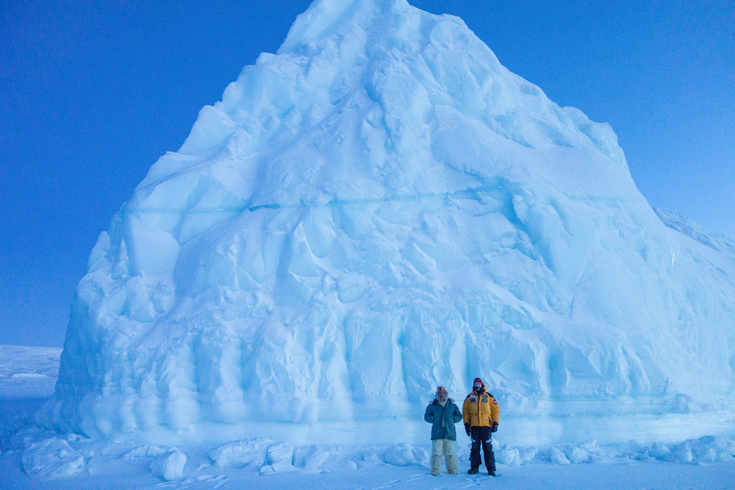
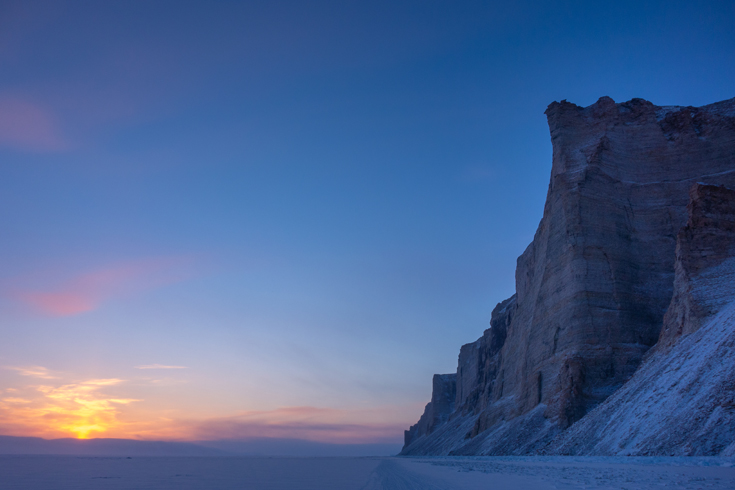
Although also home to impressive mountain ranges, much of the Arctic has been pulverised into rolling lowlands by vast glacial movements during Ice Ages. This, covered in snow, can make for ideal travelling conditions on skis. Not so in the far northwest of Greenland and Canada’s Ellesmere Island just across the Nares Strait. An overwhelming proportion of the land is covered in ice sheet, or formed into cliffs and mountains. It’s a challenge to find a location for even a modestly sized village – indeed, some of the small homes in Qeqertat and Siorapaluk are perched on rocky outcrops.
3. Inughuit/the Polar Eskimos were likely the final group to make contact with Southerners
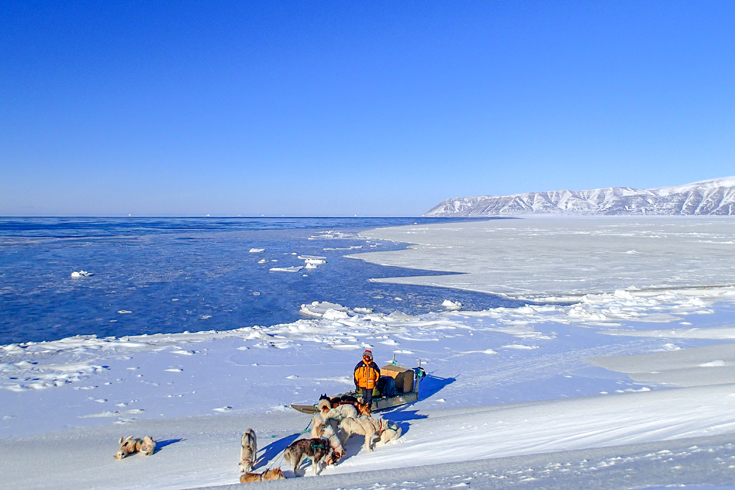
Through the Viking, French, British and Danish colonial expansions of the past millennium, it was inevitable that sooner or later, both small bands and large communities of Eskaleut (an umbrella term for Arctic and sub-Arctic native peoples, including Inuit) would be contacted by explorers and settlers. However, it wasn’t until 1818 that John Ross and his crew, having retreated from a voyage to explore the Northwest Passage, spotted people and dogs on the Avanerriaq coastline. At that time, it was unknown that any humans lived so far north, and those Inughuit were entirely unaware of the rest of the populated world – a culture shock on a barely imaginable scale.
4. There are a special variety of dogs who call the North their home
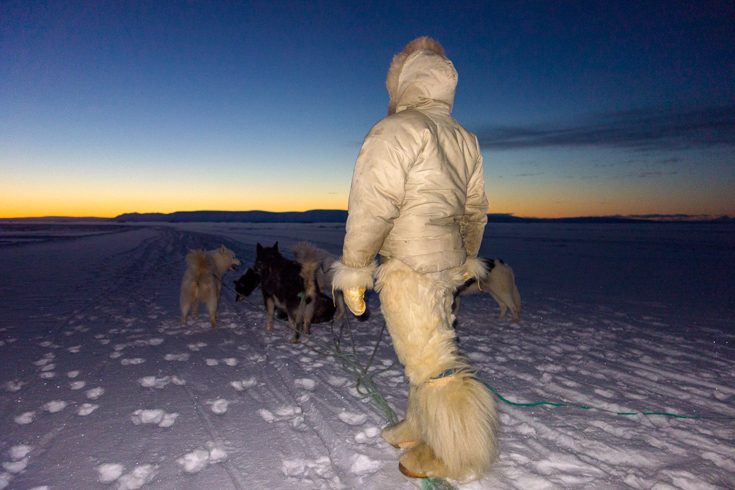
Most people see sled dogs as ‘huskies’, all lumped together. In truth, there are many varieties, all with an array of attributes – from lithe and small to stocky and bear-like. Largely due to geographical isolation combined with long tracts of time, the dogs of Avanerriaq, ‘Thule Eskimo Dogs’ or just qimmit (the local word for dogs, any dogs), became distinct and famous even amongst other Inuit groups. Their size, stamina and robustness even led to rumours of wolves being regularly bred into the line. A distemper outbreak in the late 1980s decimated the population – dogs central to the identity and pride of the Polar Eskimos. Following the import of dogs from the south of Greenland and from Nunavut, work has been underway to re-create these great qimmit.
5. Modernity HAS found its way to the Extreme North, but only on their terms
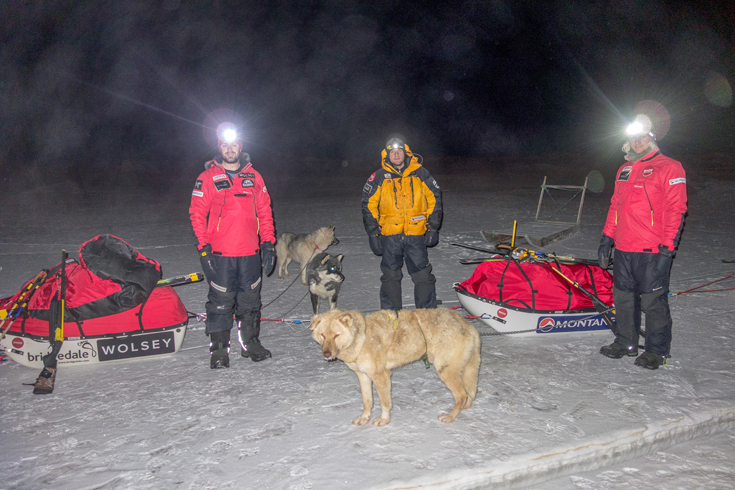
Most striking to someone familiar with the North could be the Polar Eskimo retention of furs and skin clothing. Across Alaska, Canada, Greenland, Arctic Europe and Northern Russia, the trend has been for a rapid adoption of mass-produced southern outdoor clothing. The same is true for building design, swapping dogs for snowmobiles, and the integration of technology. In many cases and for a number of reasons, particularly in North America, the transition to modernity is near-complete. Very little traditionalism survives beyond ceremonial events or perhaps when lobbying southern adversaries. The Polar Eskimos have benefitted from their isolated position, and the relatively soft behaviour of the Danish. They have through pragmatism chosen to, on their terms, retain the benefits of the past – hunting, fishing and locally-made clothing – all are efficient and low-impact, and welcome southern imports like timber, mobile phones and LED head torches.
6. There are…..no brakes.
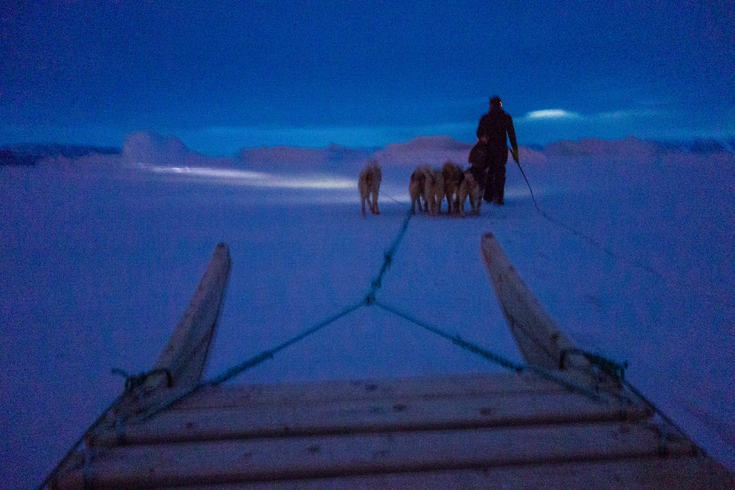
Dog sleds are finely tuned to suit the people, the dogs, and the snow and ice they are designed to work alongside. This is the case even if you take out of the equation modern sport sleds raced by Europeans and American Alaskans. Even though they used to be longer and narrower, mostly a product of the limited materials to hand, the Polar Eskimo sled is striking. Robust, hyper-flexible courtesy of a nut-and-bolt free design and hundreds of yards of knotted lashing, they are also without brakes. Even Inuit on the eastern side of Greenland have ‘stamp’ brakes on the rear to slow or stop their dog team. In Avanerriaq, a dog driver’s voice is their sole means of dog control, once underway. The relationship, trust and respect that must be mutual between team and driver is the only way to separate casual control from peril and chaos!
-Alex Hibbert
Polar Eskimo by Alex Hibbert is available now for £18.00