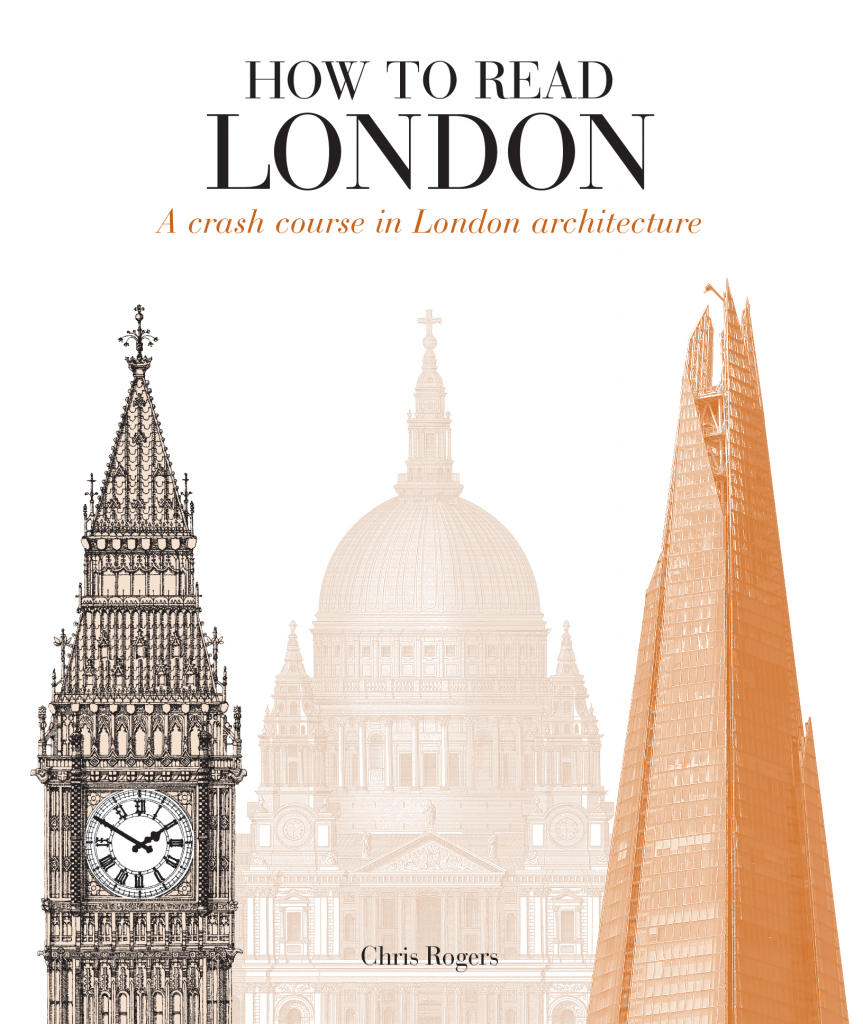
To coincide with the release of his new book How to Read London: A crash course in London architecture Chris Rogers has selected some local significant sights near our Long Acre store that all feature in the book.
- The piazza was the capital’s first planned square
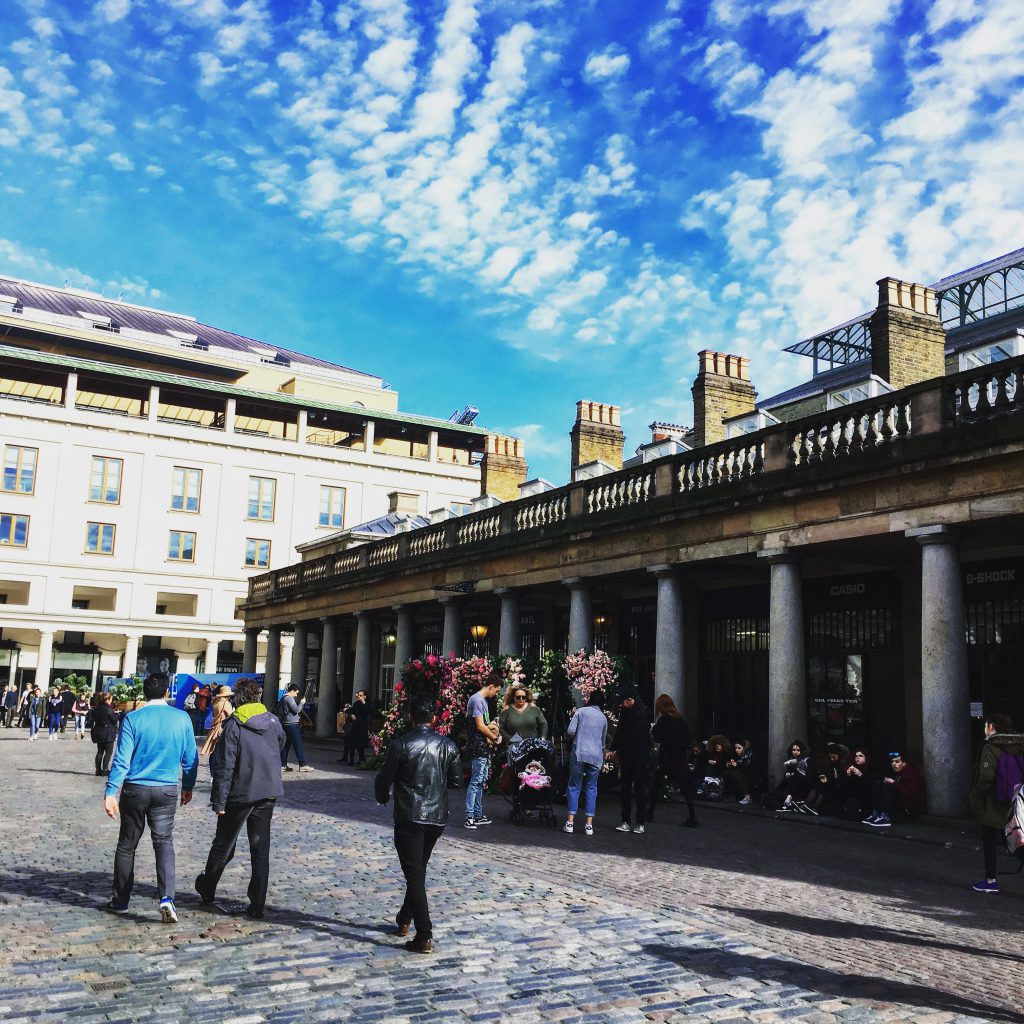
Continental innovation, especially Paris’s Place des Vosges, inspired the fourth Earl of Bedford to ask Charles I for permission to create a new square in London. The King agreed and appointed the great Inigo Jones as architect. Bedford funded the streets, cellars and drains; individual developers rented plots and built the houses, at their own risk when offering them on the open market. Jones ensured architectural continuity and designed the perimeter arcades, which provided shelter and rentable space above. In the central open space St Paul’s church pretends to be a country house, complete with pavilions. The piazza was finished in 1637 and copied many times in the following century or so.
- The district linked the power of Westminster to the wealth of the City
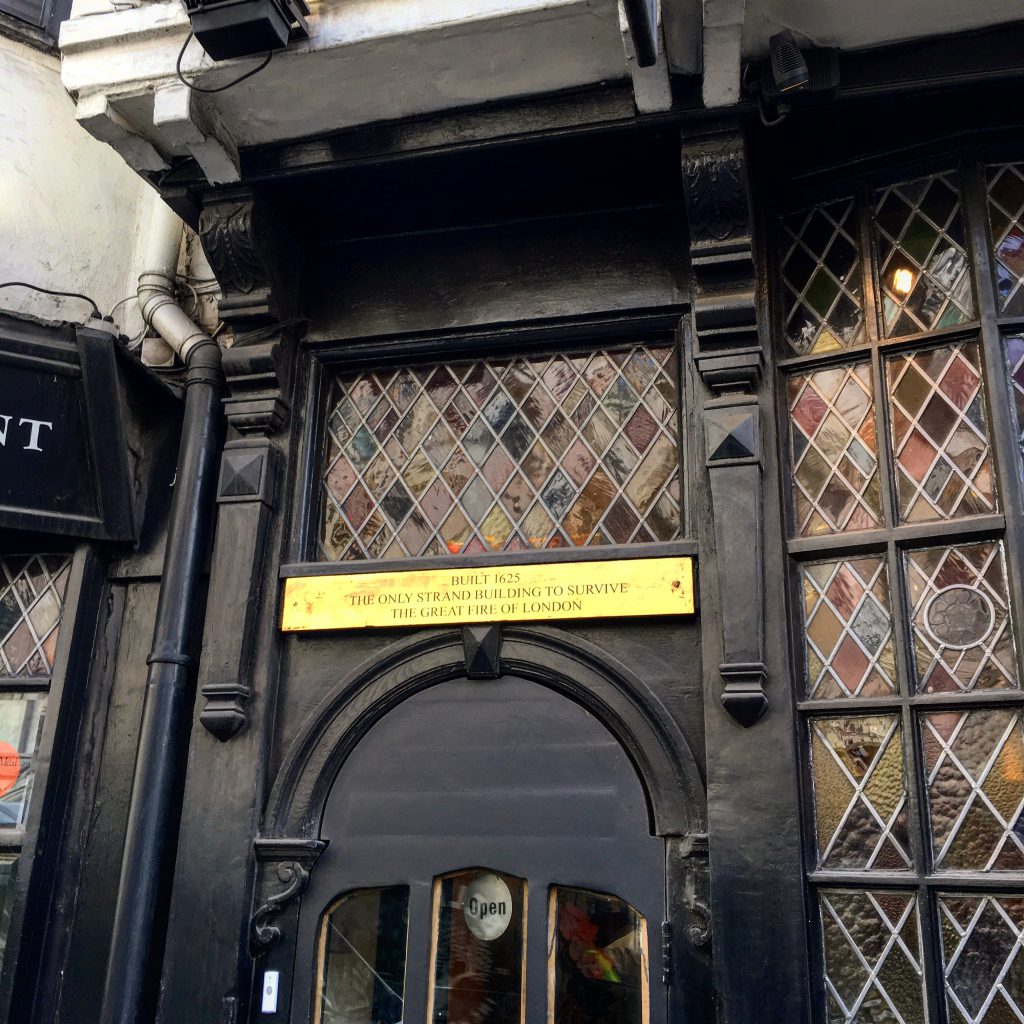
The Romans settled at the first point where the land was high enough to bridge the Thames. Fleeing the noisy and noxious trades that arose there, the church and state chose the next hill along as their home, ‘west’ of the first ‘minster’. The land route between the two ran along the shore and was eventually known as strand, German for beach. In Anglo-Saxon Lundenwic, houses and businesses lined this well-trafficked street. Plots on its south side stretched down to the Thames, whilst the projection of their upper floors was called jettying, perhaps another reference to the river. No.229, at least, pre-dates the Great Fire and survives today.
- Ingeniously-sited churches served a new urban congregation
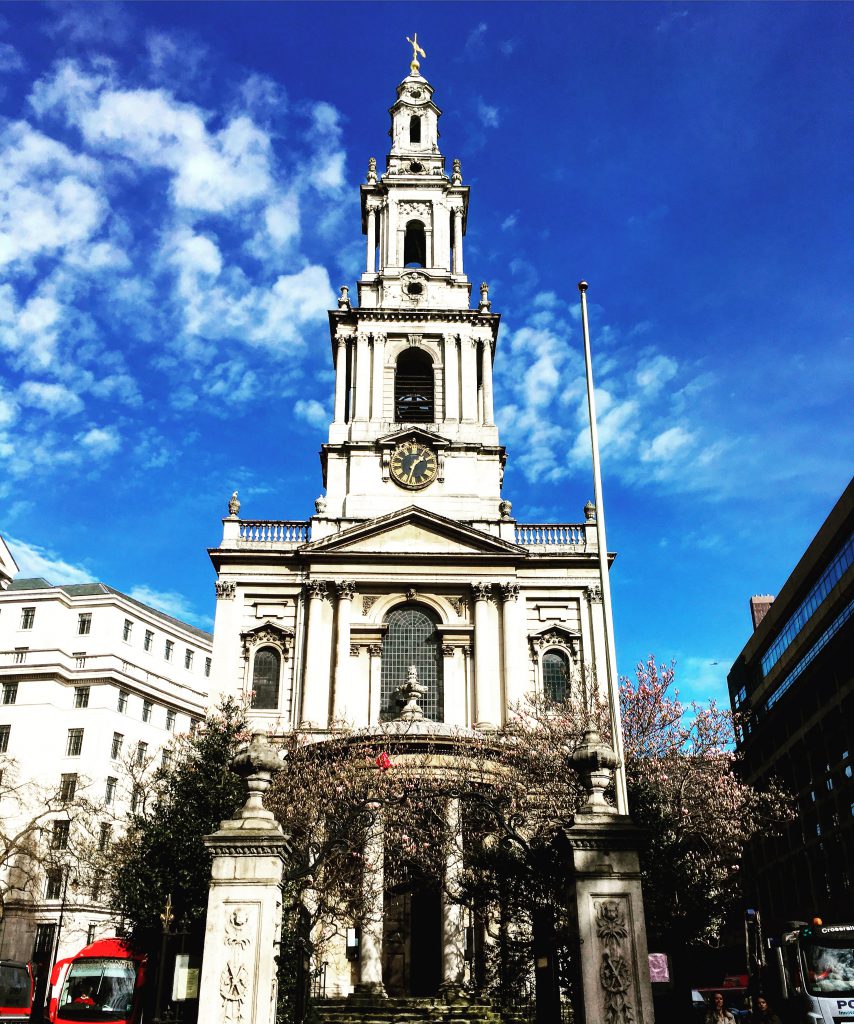
As London continued to expand, Wren, Nicholas Hawksmoor and other architects were hired to build new churches. James Gibbs had studied in Italy and, once home, applied the dynamic new continental style of Baroque to his scheme for St Mary le Strand. Tensions between Catholicism and Protestantism did mean he had to tone down this extravagance, however, and elements of Wren’s St Paul’s found their way in as a result. Originally closer to other buildings, St Mary was still designed to be seen from all sides and so two patterns of window and two orders of columns enrich the exterior. Inside, a single open space makes an impact.
- London’s first office block was built nearby
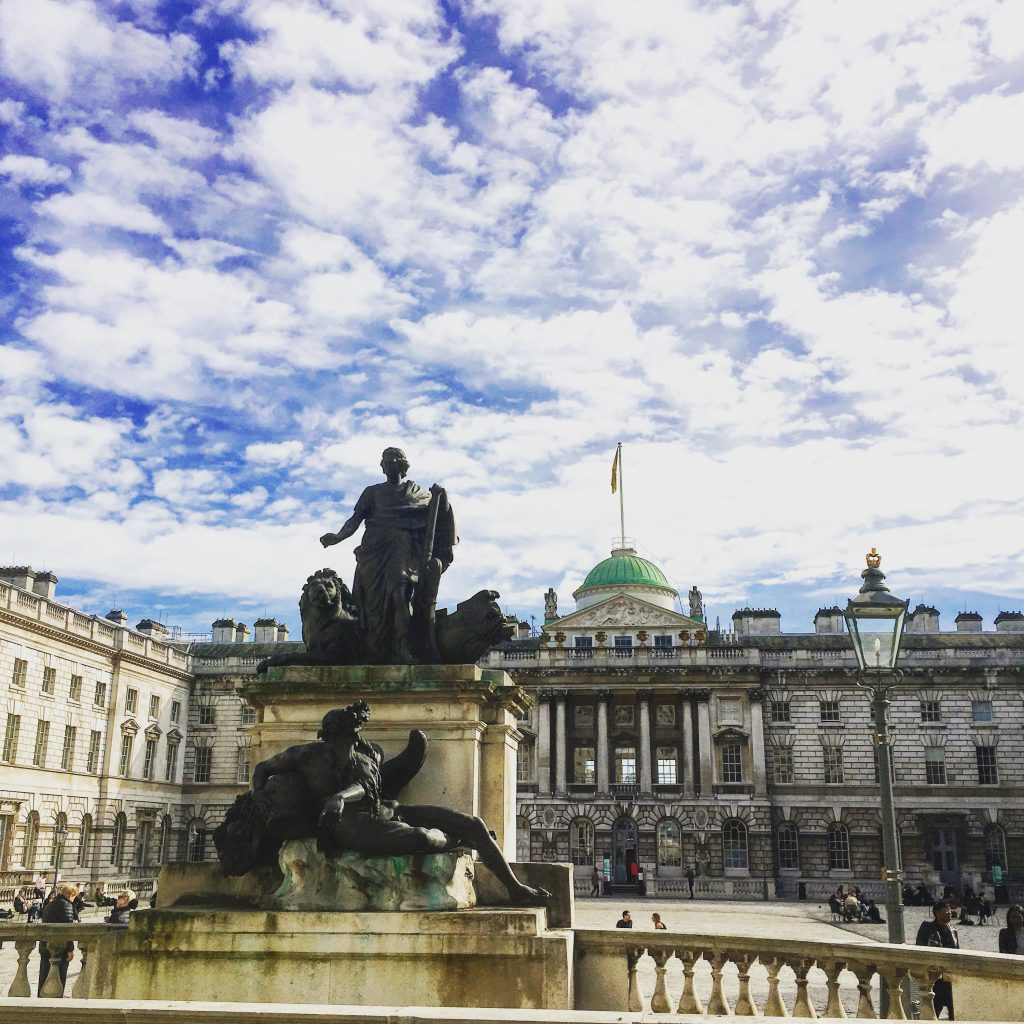
Designed by William Chambers, Somerset House was named after the Duke of Somerset, whose riverside mansion was demolished to build it. Learned societies of the sort that had flourished in the Age of Enlightenment and helped kick-start the Industrial Revolution were accommodated in the narrow Strand frontage. Chambers copied the old house’s architecture here, thinking the revered Inigo Jones had designed it (he hadn’t). Government departments filled the vast rear wings, which have smart porticos and border a courtyard. Although the effect is that of an Italian town square, Chambers tweaked Classical motifs to create a uniquely English style. Barges entered the basement before the Victoria Embankment was built.
- The Victorians perfected the safe theatre here
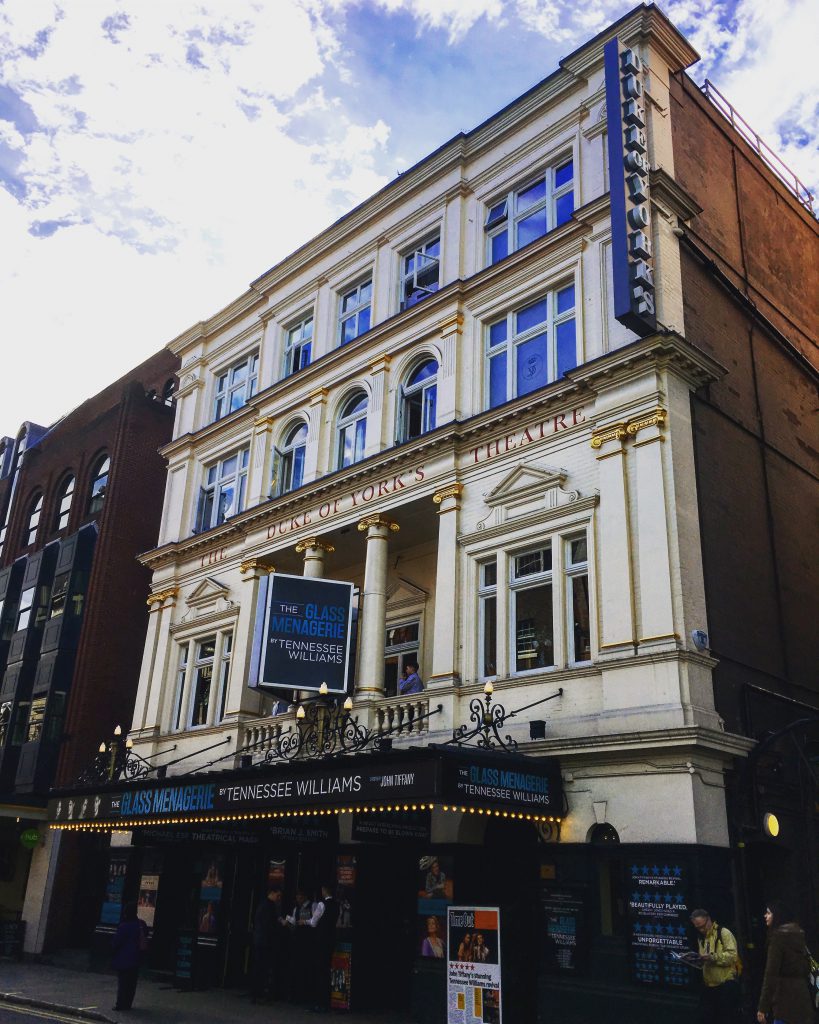
Victorians liked their fun, and amidst the serious architecture of banks, pumping stations and hospitals put up dozens of theatres. Behind the Trafalgar Square Theatre’s chaste Italianate façade, Walter Emden used state-of-the-art technology to minimise the biggest risk for this kind of building – fire. As well as self-closing iron doors, electric light, steel and concrete floors and water sprinklers, each tier of seating had its own access route. Risks with the stage were not just physical, of course; the opening production at the Trafalgar Square bombed so badly the theatre changed its name and its management. Now it’s the Duke of York’s.